
Kroi Are At Their Most Explosive With “SPIN,” The Opening Theme For ‘Steel Ball Run: JoJo’s Bizarre Adventure’
The Japanese band behind the renowned anime series’ current opening theme delved into history and culture for their latest release.


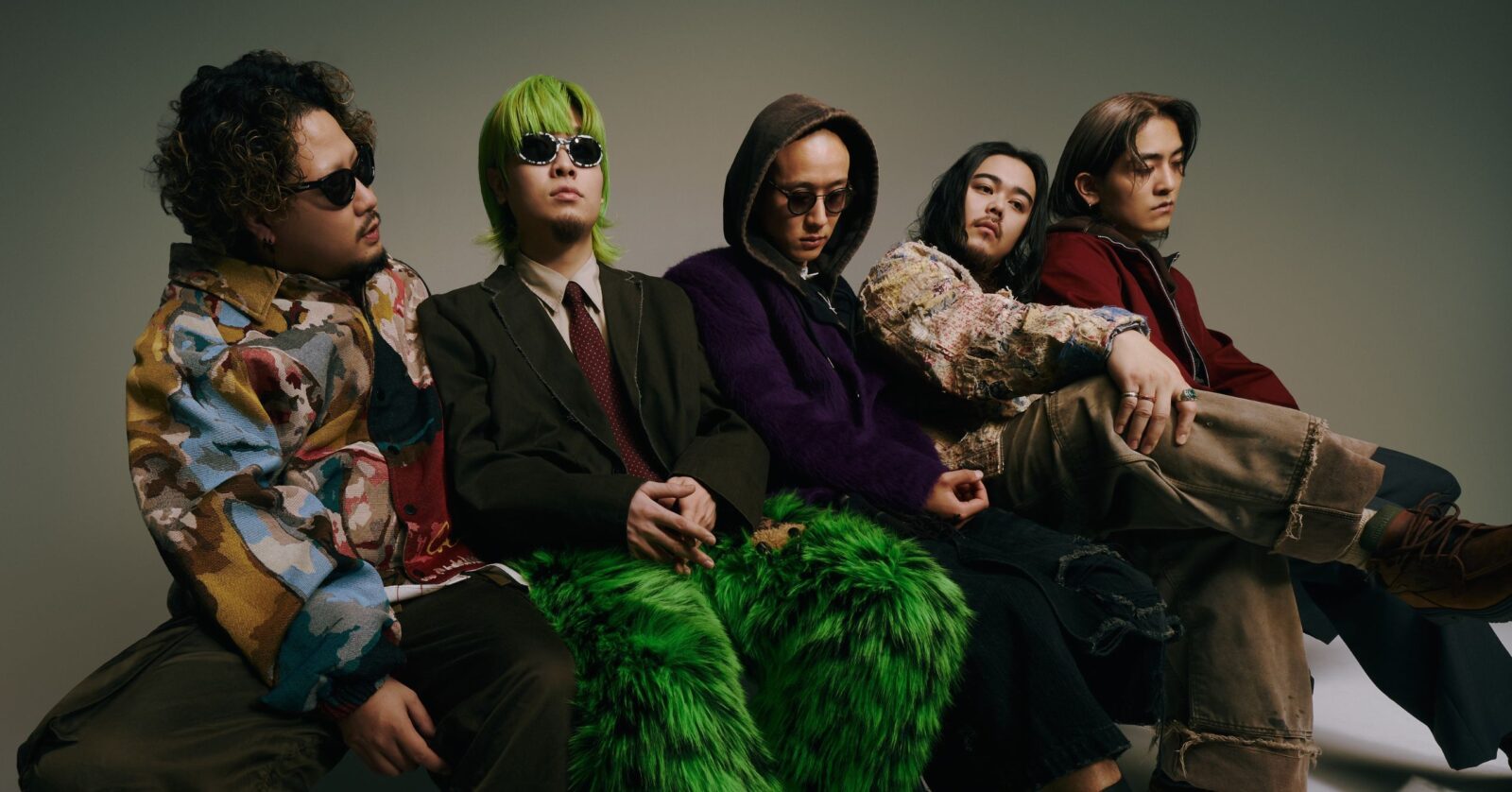
Photographed by Shuhei Tsunekawa
Photographed by Shuhei Tsunekawa
Rarely do two mediums fit so neatly that one would think they were always meant to be together. Yet that is precisely what we see when Japanese band Kroi and their eclectic sonic identity blend with the hyper-stylized visuals of Steel Ball Run: JoJo’s Bizarre Adventure, an anime television series set in America’s Wild West era.
Formed in 2018, Kroi, consisting of Leo Uchida (Guitar, Vocals), Masanori Seki (Bass), Yuki Hasebe (Guitar), Masuda Hidetomo (Drums), and Daiki Chiba (Keyboard), are a one-of-a-kind high-octane blend of virtuosity and broad musical direction.
Throughout their catalogue, the five-piece band always exhibited an intense, multi-genre approach to music, as seen on tracks like “Method,” “Sesame,” and “Fire Brain.” However, it is with their latest release, “SPIN,” that you see Kroi at their most explosive, with the single notably being the opening theme for Steel Ball Run: JoJo’s Bizarre Adventure.
A genre-defying track, “SPIN” lures you in with a funk-infused bassline before erupting into a Venture-esque guitar riff. After his opening verseVerseA section of a song that advances its story or message, typically sharing the same melody with different lyrics each time. Verses set up the emotional and narrative context forGo to Verse Glossary, Leo further expands the track’s sonic palette when he briefly bursts into rap.
Following the music videoMusic VideoA short film that accompanies a song, combining performance, storytelling, and visual style to promote the music. Music videos shape an artist's image, can drive viral success and fan theories,Go to Music Video Glossary’s release, Leo spares a moment with Billboard Philippines to discuss the single, the band’s history, and where they go from here.
Billboard Philippines: Even before “SPIN,” your sound has always had an eclecticism that perfectly fits the aesthetic of JoJo’s Bizarre Adventure. Did you somehow see your music being featured in the series?
Leo: We hadn’t specifically imagined our music being featured in JoJo’s Bizarre Adventure before we received the offer. Many of our friends, fellow artists, and band members are fans of JoJo, and it was a series I had always wanted to read myself someday.
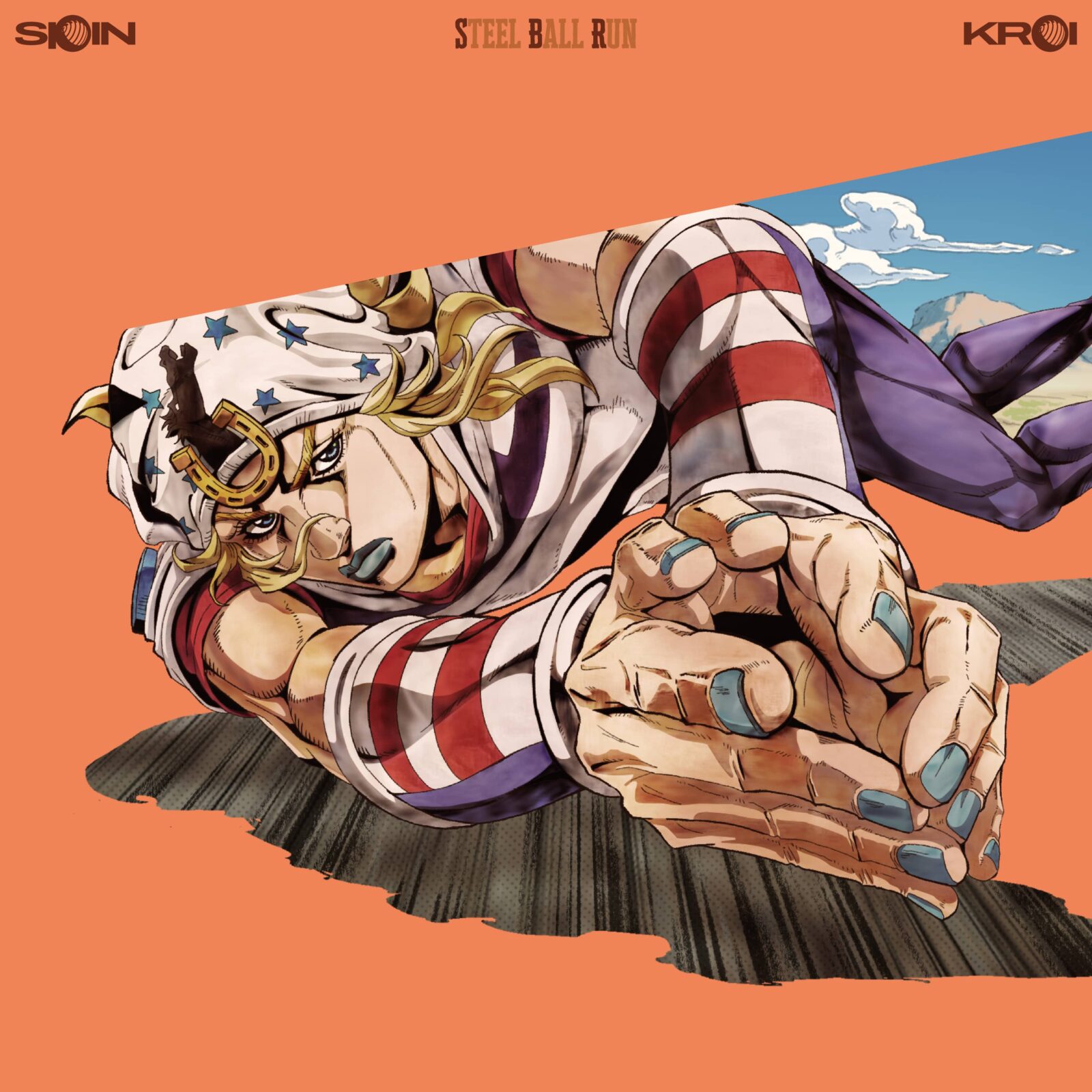
Art Direction & Design by Akihiko Matsufuji
Billboard Philippines: What was your reaction when you were chosen to make the opening theme for Steel Ball Run: JoJo’s Bizarre Adventure?
Leo: We received the offer around June 2025, and at first, we were genuinely surprised. Many of our band members and staff are JoJo fans, especially Yuki, who loves Steel Ball Run, so everyone was really excited.
At the same time, we wondered whether we could express the world of such a major series through our music, and whether we could create something that longtime JoJo fans would enjoy. We were genuinely happy to be involved in the series. Although we had a lot to think about during the production process, we really enjoyed making the song. When we saw the opening animation for the first time, we felt that the direction we had aimed for truly fit the series, and I remember feeling a huge sense of relief.
Billboard Philippines: You mentioned how you wanted to get the show’s transcontinental feel into your music. How did you go about achieving this?
Leo: First, we researched America in 1890, the setting of the story. It was a time when the transcontinental railroad had been completed, and the frontier available for further expansion was becoming smaller. We developed the song’s theme by connecting this historical background with [the main character] Johnny’s journey of searching for himself.
On the musical side, we studied a lot of Western film soundtracks. We learned from works by composers like Ennio Morricone how to express the vastness of the wilderness and the distinctive atmosphere of Westerns through sound.
However, since this is also a story about a race, we needed a sense of speed as well as grandeur. To evoke the image of horses galloping, we incorporated beats with Latin influences and fast rhythms. We also used a horn section to capture the excitement of the race, with so many different characters coming together.
Our goal was to preserve the atmosphere of a classic Western, while giving it Kroi’s own modern, genre-blendingGenre-BlendingThe practice of mixing elements of different musical styles, such as pop, rock, R&B, hip-hop, and folk, to create something new. Genre-blending reflects a generation raised on streaming, and artistsGo to Genre-Blending Glossary sound.
Billboard Philippines: Besides Ennio Morricone, what other musical influences guided you?
Leo: When making “SPIN,” we were heavily influenced by film music. One soundtrack that really stood out to us was Rango, the animated film scored by Hans Zimmer. The music was so cool that we went back and watched the film again. We also revisited films like El Topo.
The Ventures are also very special to me. The first band I ever played in was a Ventures cover band made up of kids, and I played drums. That experience first taught me how much fun it is to play in a band.
For “SPIN,” we also used a Mosrite guitar and incorporated spring reverb and guitar tremolo to capture that distinctive Ventures sound.
Billboard Philippines: How does “SPIN” stand out from your previous work?
Leo: I think what makes “SPIN” stand out is the way it blends a Western-inspired sound with a modern, fast-paced feel. During production, we focused on the guitar theme to evoke the vastness of the wilderness, while experimenting with beats and rhythms to capture the speed of the race. We also added a horn section to reflect the lively atmosphere of the series, with so many different characters coming together.
Towards the end of the song, we bring back the grand musical theme to emphasize its scale. We wanted the music itself to convey the epic scope of the story. By respecting the historical setting of the original work while combining elements from different musical genres to create something new, I think we were able to make a track that truly captures Kroi’s identity.
Billboard Philippines: Do you see yourself collaborating with other shows, films, or anime in the future?
Leo: We’d definitely love to! In particular, we’d like to continue working on films whenever the opportunity comes up. Films often give us inspiration for making music, and we find it interesting to express the scenery and atmosphere of a visual work through our own sound.
For “HAZE,” the theme song for the film Kowloon Generic Romance, we were able to create the music while watching the actual footage, almost as if we were translating the temperature and humidity of the city into sound. Engaging with a work like that often leads us to new ideas and different approaches to playing that we might not discover otherwise.
Whether it’s films, TV shows, or anime, we’re excited to see what new things we can create when our music meets the world of a story.
Billboard Philippines: Your music often blends elements of R&B, funk, soul, rock, hip-hopHip-HopA cultural movement and music genre that began in the Bronx in the 1970s, built on rapping, DJing, beatmaking, and sampling. Hip-hop has a strong Filipino scene, with artists writingGo to Hip-Hop Glossary, and more. What inspired you to chase that sound?
Leo: One of our biggest influences was the Red Hot Chili Peppers, particularly for Yuki and me. I got really into their music in my second year of junior high school, and from there my musical tastes expanded to artists like Stevie Wonder and Snoop Dogg. Rock was my entry point, and it naturally led me to explore funk, soul, and hip-hopHip-HopA cultural movement and music genre that began in the Bronx in the 1970s, built on rapping, DJing, beatmaking, and sampling. Hip-hop has a strong Filipino scene, with artists writingGo to Hip-Hop Glossary.
That said, we never had a specific goal of combining different genres as Kroi. Our sound developed naturally as each of us brought in the music we’d grown up listening to and whatever we found interesting at the time. Rather than defining ourselves by a particular genre, we value making music that genuinely reflects what we think sounds cool.
Billboard Philippines: Your identity as a band is rather unique. How did the five of you meet?
Leo: Yuki and I were classmates in junior high and high school, and we had been playing in a band together since high school. Meanwhile, Masanori and Hidemoto were college classmates who had talked about making music together.
Instagram was what brought the two pairs together. Yuki came across a video of Masanori playing and reached out to him. When Yuki mentioned that they were also looking for a drummer, Masanori introduced them to Hidemoto. When they finally got together for a jam session, they found that they had similar musical tastes and really enjoyed playing together. That was how Kroi began.
Daiki joined about a year later. Through a connection with our manager, whom he was living with at the time, he got involved in mixing and arranging our first EPEPShort for extended play, a collection of songs longer than a single but shorter than a full album, typically containing three to six tracks. Artists use EPs to introduce theirGo to EP Glossary, Polyester. He then started playing keyboards with us and joining us for live shows, and the five of us naturally became the lineup we have today.
Billboard Philippines: What is your creative process when generally making music generally?
Leo: When making a tie-in song, we first study the original work and learn about its world and background. Then we look for things we can relate to and try to bring our own ideas into the music.
In the case of “SPIN,” I developed the theme while researching the historical context of 1890s America and the world of Westerns. After that, I usually make a demo on my own and share it with the other members. We then bring our ideas together and work on the arrangement. For “SPIN,” a synth phrase that Yuki came up with became the starting point for the beats, guitar parts, and horns. During the process, we sometimes add new sounds and sometimes take things away.
In the end, we want to capture the world of the original work while making music that still sounds like Kroi.
Billboard Philippines: Your latest release, “SPIN,” is one of your most eclectic and energetic so far. Where do you see your sound going from here?
Leo: We don’t want to limit ourselves to one particular direction. We want to keep exploring whatever we find interesting at the time. “SPIN” is a song that came about when the images of deserts and wilderness, which we’d been exploring for a while, connected with the song’s worldview. We believe we can find new ways to express ourselves by exploring the music and culture we love.
At the same time, we’re currently interested in creating songs that are a bit quieter and gentler. Tie-in songs often call for a lot of power and energy, so we’d like to explore a different side of our music too. Whether it’s an energetic track or a more relaxed one, we want to keep expanding our sound while following what feels right to us at the time.
Frequently Asked Questions
Japanese band Kroi performs “SPIN,” the opening theme for Steel Ball Run: JoJo’s Bizarre Adventure. The five-piece act, formed in 2018, comprises Leo Uchida, Masanori Seki, Yuki Hasebe, Masuda Hidetomo, and Daiki Chiba. Kroi received the offer around June 2025.
Kroi drew on Western film soundtracks, including Ennio Morricone’s scores and Hans Zimmer’s music for Rango, plus the film El Topo. The band also used a Mosrite guitar with spring reverb and tremolo to evoke The Ventures, and added Latin-influenced beats and a horn section.
Kroi formed in 2018 when Yuki Hasebe and Leo Uchida, classmates since junior high, connected with bassist Masanori Seki and drummer Hidetomo through Instagram. Keyboardist Daiki Chiba joined about a year later after helping mix and arrange their first EP, Polyester.
Kroi blends R&B, funk, soul, rock, and hip-hop, a range rooted in influences such as Red Hot Chili Peppers, Stevie Wonder, and Snoop Dogg. According to Leo, the band never set out to combine genres; the sound developed as each member brought in music they grew up with.
Kroi says it does not want to limit itself to one direction and wants to keep exploring what it finds interesting. After the high-energy “SPIN,” Leo says the band is interested in quieter, gentler songs, and hopes to keep working on films, following “HAZE” for Kowloon Generic Romance.