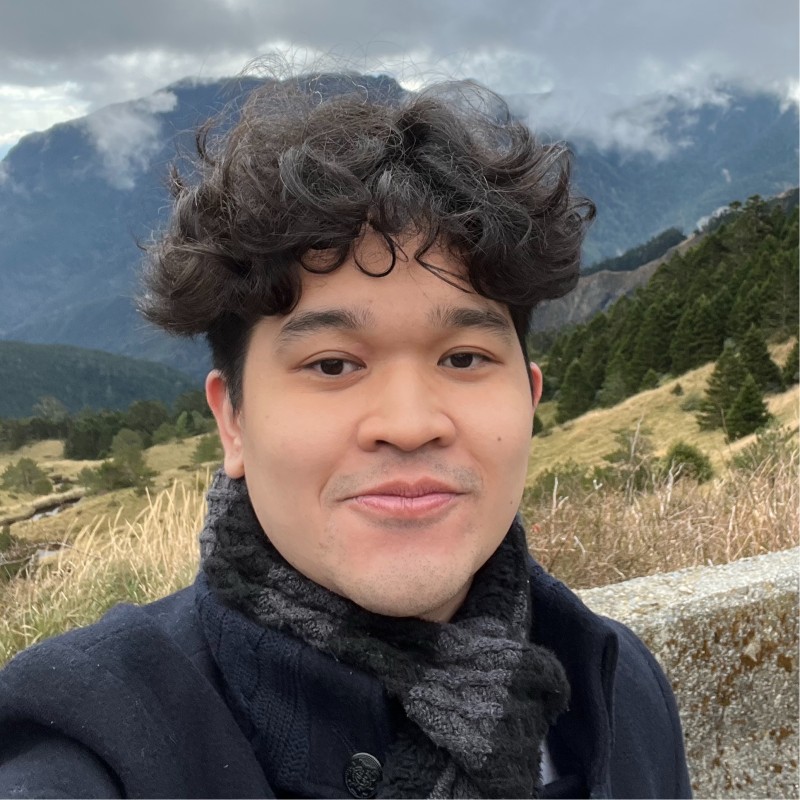
Gab Cabangon On Finding His Way Back To Music
“It also made me realize how important authenticity is and how important reflection is in the lyricism and in the creative process. And I think we create our best works when it comes from something honest and sincere,” the singer-songwriter shares.




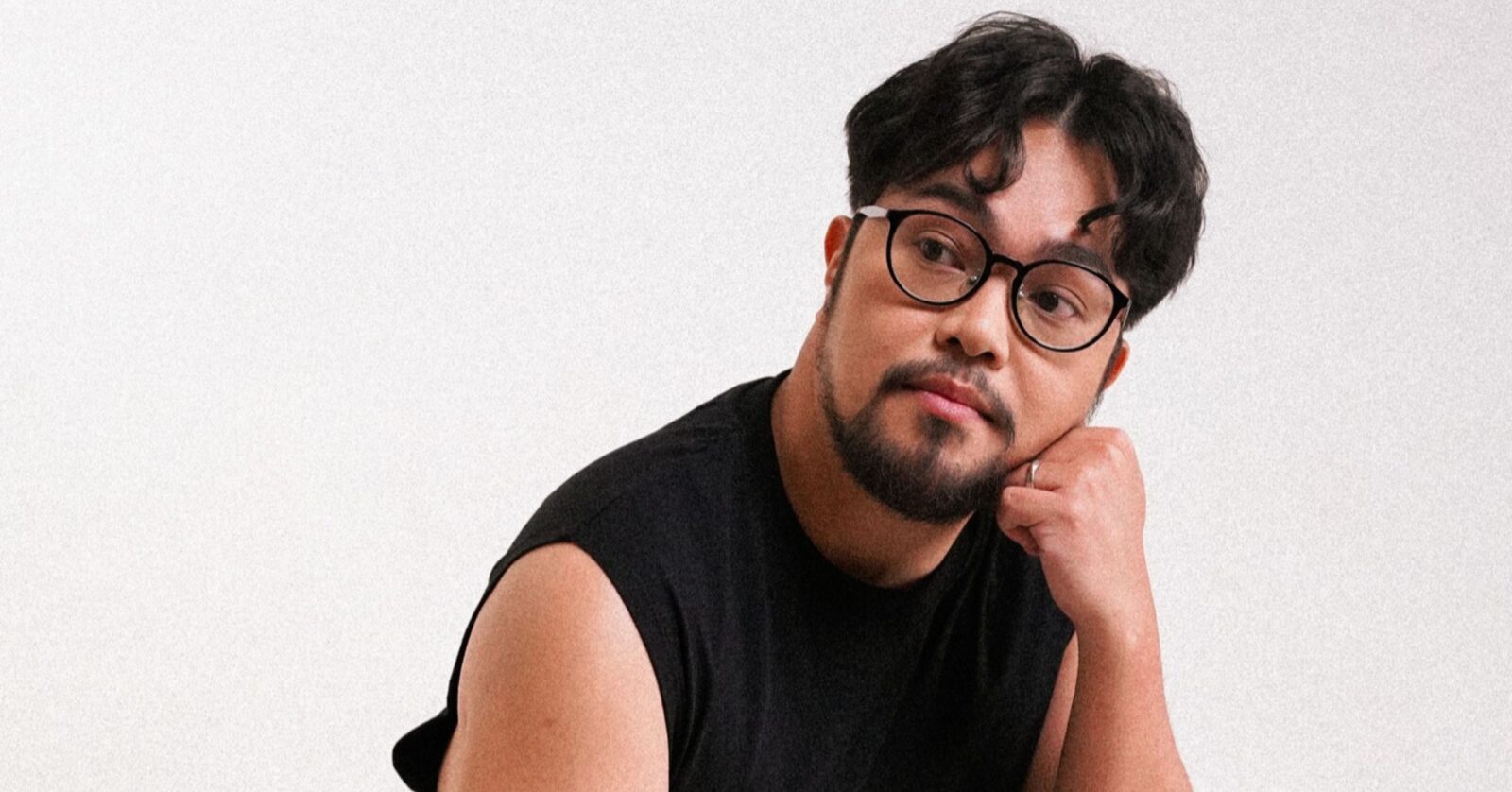
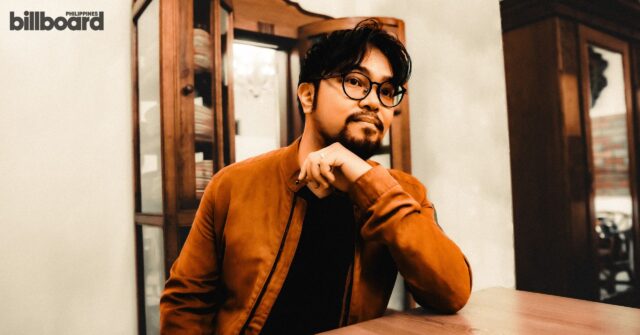
GAB CABANGON: Photographed by Meika Vieve Catog
GAB CABANGON: Photographed by Meika Vieve Catog
After years of navigating the OPMOPMShort for Original Pilipino Music, the body of songs created by Filipino artists, spanning genres from ballads and rock to hip-hop and pop. OPM expresses Filipino identity and heritage, andGo to OPM Glossary industry and supporting aspiring musicians in bringing their music to the world, Gab Cabangon introduces, or reintroduces, himself as a singer-songwriter with so much more to say about what he feels.
Now, with his debut EPEPShort for extended play, a collection of songs longer than a single but shorter than a full album, typically containing three to six tracks. Artists use EPs to introduce theirGo to EP Glossary, Learn to Love Again, released under Underdog Music, Cabangon extends himself through a deeply personal project that serves as an open diary of his experiences as a millennial and his struggles with the weight of life’s setbacks and frustrations.
What seems to be a light at the end of a tunnel, Cabangon finds a source of fuel for his renewed passion for making music, which ties back to why he is taking this path in the first place.
From working with friends and fellow artists in the industry to returning for the love of the game, Billboard Philippines chats with the Awit Awards Best New Artist nominee about rediscovering his love and passion for music and reflecting on where he is now as an artist and as an individual.
Billboard Philippines: Learn to Love Again is a deeply personal project that explores the push and pull of your relationship with your craft and finding your way back to making music. What has this journey taught you about yourself as a person and as an artist?
Gab Cabangon: I think it really taught me the value of being patient, taking your time, and also realizing that sometimes the roadblocks are just a product of my personal mindset more than external roadblocks. I guess that’s how I would explain it.
After a while, I realized that the reason why I didn’t feel satisfied is that I also didn’t give at the time; hindi ko pa nabibigay lahat ng pwede kong maibigay (I wasn’t able to give everything that I could). And I was really hiding behind a lot of excuses before I realized na kaya ko naman actually to be a recording artist.
I guess as an artist, it also made me realize yung how important authenticity is and how important reflection is in the lyricism, in the creative process. And I think we create our best works when it comes from something honest and sincere.
As Executive Director of OPM, you’ve spent years championing Filipino artists and their music while putting your own releases on hold. What made you finally decide to put your own music out there rather than just keep wondering?
Honestly, there was no specific moment. I think I gradually got to that decision. Because I think I mentioned at one point that I thought I was satisfied settling as a gigging artist, and then I’d be satisfied na tumutulong (with helping) with my other roles in the industry. But then I think that feeling of frustration never went away, and it was gradually building up. And then it also felt a little hypocritical from my end that I keep telling people not to be afraid and to share their music.
Tapos ako (And then there’s me), I’m making all of these excuses why I don’t want to record music; I don’t want to go through the hassle of promoting my music. I kept making these excuses. And then I just eventually decided na, “I think I’m ready to do this. I have enough experience to do this properly. I think I’m financially capable of doing this with the vision that I have. And at least I know who to trust with the production, the creation of the music, and also who to distribute with.”
Honestly, this EPEPShort for extended play, a collection of songs longer than a single but shorter than a full album, typically containing three to six tracks. Artists use EPs to introduce theirGo to EP Glossary, parang in a way, I’ve been releasing it one song at a time since September last year. And it’s been a long and fulfilling process despite na nakakapagod siya (it can be tiring) at times. Of course, because I’m still an independent artist, contrary to popular belief.
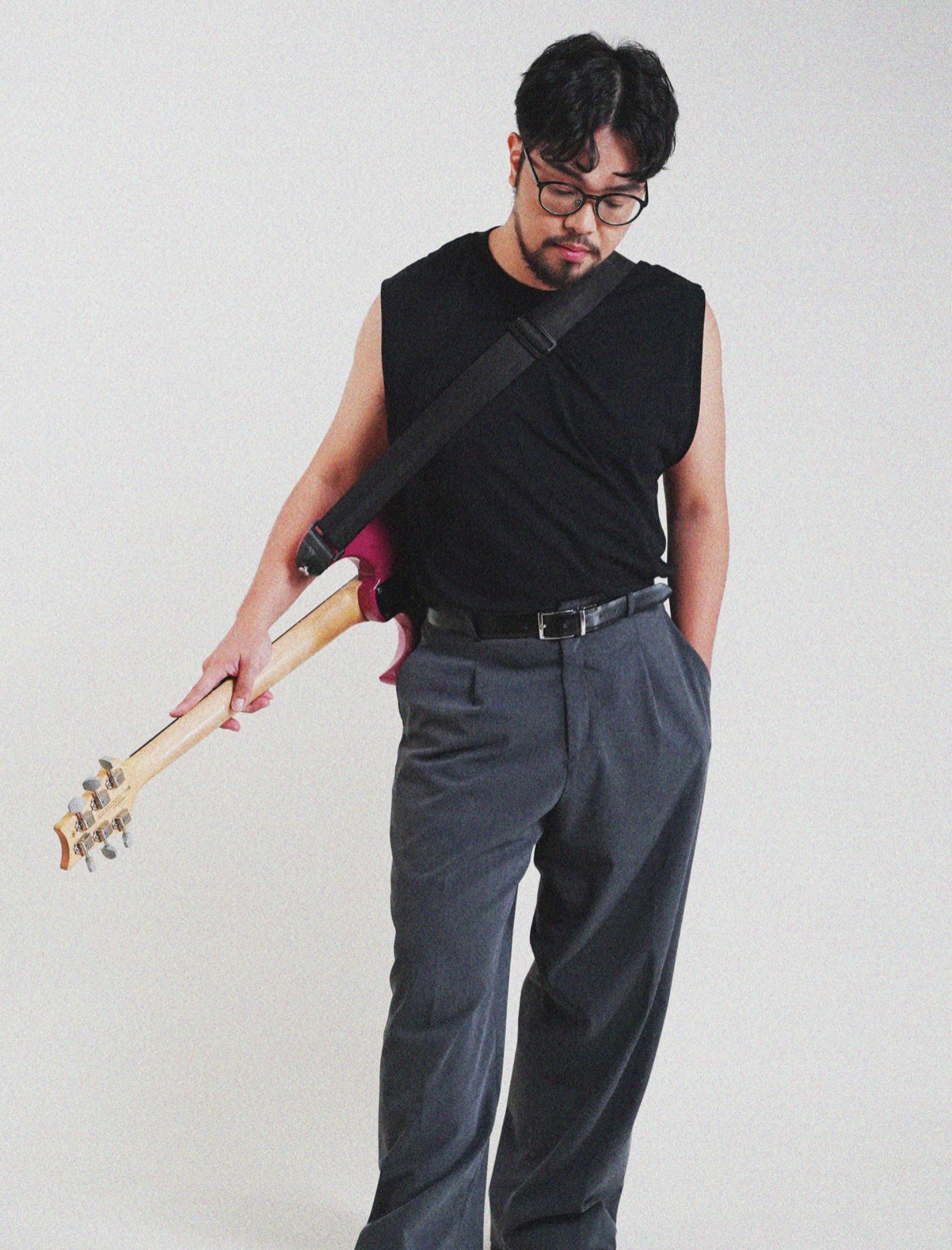
Photographed by Meika Vieve Catog
In 2025, you released your debut single “Pieces.” You followed it with “Kama,” “Ikot Ulit,” and “ngayon at kailanman.” What made you decide to choose these particular songs leading up to the EP?
You know, it was kind of intentional, but that wasn’t the original plan. I always had “pieces” in mind as the first single to introduce myself as Gab Cabangon — the singer-songwriter. And then the idea was that I was going to release another single, and then all three tracks sabay-sabay (at the same time) during one period.
But I listened to the advice of my friends from Underdog [Music], and they felt na kung kaya ko raw (that if I can do it), “Why not do it one at a time?” Because they felt like each song had the potential to tell a certain story.
In terms of choosing the songs for this EP, I think I didn’t consciously realize na they all fit the theme of “learning to love again” until inayos ko yung (I arranged the) tracklist. And then I was thinking about the EP title, and then I realized, “Okay, I think ‘Learning to Love Again is the perfect EP title for this one,” because it’s really like the journey to, I would call it, recovering from burnout.
Because the first track, which is “Love Again,” is really a song about learning to let go, to step away para ma-rediscover mo ‘yung sarili mo (so you can rediscover yourself). And then you get to “Ikot Ulit,” which is the song about being open to expressing your frustrations in life because it’s bad to bottle it up. And then you have “pieces,” which is the “it’s okay not to be okay” song that I wrote, na dapat hayaan mo ‘yung sarili mong umiyak (that you should let yourself cry).
And then you have “Kama,” which is essentially a “pahinga” anthem. And then “ngayon at kailanman,” which is the love song, the sincere love song out of all five songs. I like to think it’s the hopeful ending to that entire EP.
So at first, hindi ko siya pinag-isipan (I didn’t think about it), but it fell into place. And then, just planning it with friends and collaborators, it really made sense that the flow would be like that. And so far, while it has lengthened my promotional efforts and everything else in the back end, I have enjoyed the process so far, the creation and development of these songs.
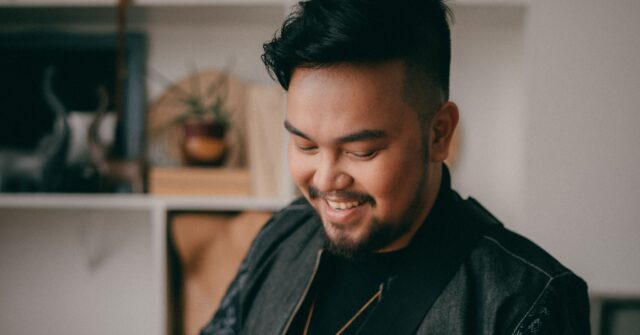


You don’t shy away from being vulnerable and honest in your music. What is it like to express yourself so freely and share such personal parts of yourself through your songs?
Honestly, for me, songwriting is really kind of like my space to process my thoughts and my feelings, especially when I’m frustrated, overwhelmed, or disappointed.
Syempre (Of course), there’s an element of being nervous and unsure how people would react to the songs that I would write [whether] they would understand or they would feel how sincere I am with the songs. But at the same time, there’s also the element of excitement kasi parang nagiging kompleto ako (I feel like I’m becoming complete) as a person and as an artist with the creation and the releasing of the songs, regardless of how commercially successful these tracks are going to be.
And for me, the bonus of people listening to the songs on my EP has been really when you get those messages from people about how these songs have affected their lives in a positive way. Or how they’ve been able to empathize with or understand the context of the music that I’ve been releasing.
So that’s all I could ask for as a songwriter. I feel like I’ve done my job as an artist if I’m able to communicate that and certain people are able to feel the messages of my music.
What did you find most challenging about working on this EPEPShort for extended play, a collection of songs longer than a single but shorter than a full album, typically containing three to six tracks. Artists use EPs to introduce theirGo to EP Glossary, and how did you work through it?
I wouldn’t say most challenging because I genuinely enjoyed the process of the creation of these songs. And David Lina, my co-producerProducerThe person who guides the creative and technical process of making a recording, shaping its sound, arrangement, and overall quality. Producers can write, compose, engineer, and direct performances, and aGo to Producer Glossary and music director, made the process really collaborative and enjoyable for both of us. I wouldn’t say most challenging, but I think the most interesting moment for me was with “Kama” in particular, the production of “Kama.”
Because I wrote “Kama” as a songwriting exercise originally for myself. And then my wife heard it at the dinner table, and she mentioned that I should include it in the list of songs that I would be recording. That was her biggest flex that she was right with that one.
And then the interesting thing about “Kama” is that the current version that you hear was not the original concept we had for the song. But because David decided to play certain sample beats for it, that’s when the musical direction of the song veered away, and then it evolved into something new. And then because we had so many ideas for that one, we had to look for collaborators also for the song.
So I was fortunate to work with Gab Lazaro of Project Yazz for the trumpets of that song. For the backing vocals, I think I mentioned in interviews before, vydd, Kyla Miel, and also my wife gave backing vocals for the track. That was the one that really veered away into something better as a song.
It also made me realize that I can also be versatile as an artist, that I did not have to be boxed into a certain singer-songwriter guitar style of music, that I could explore other things as well, but not veer away from my identity as a singer-songwriter.
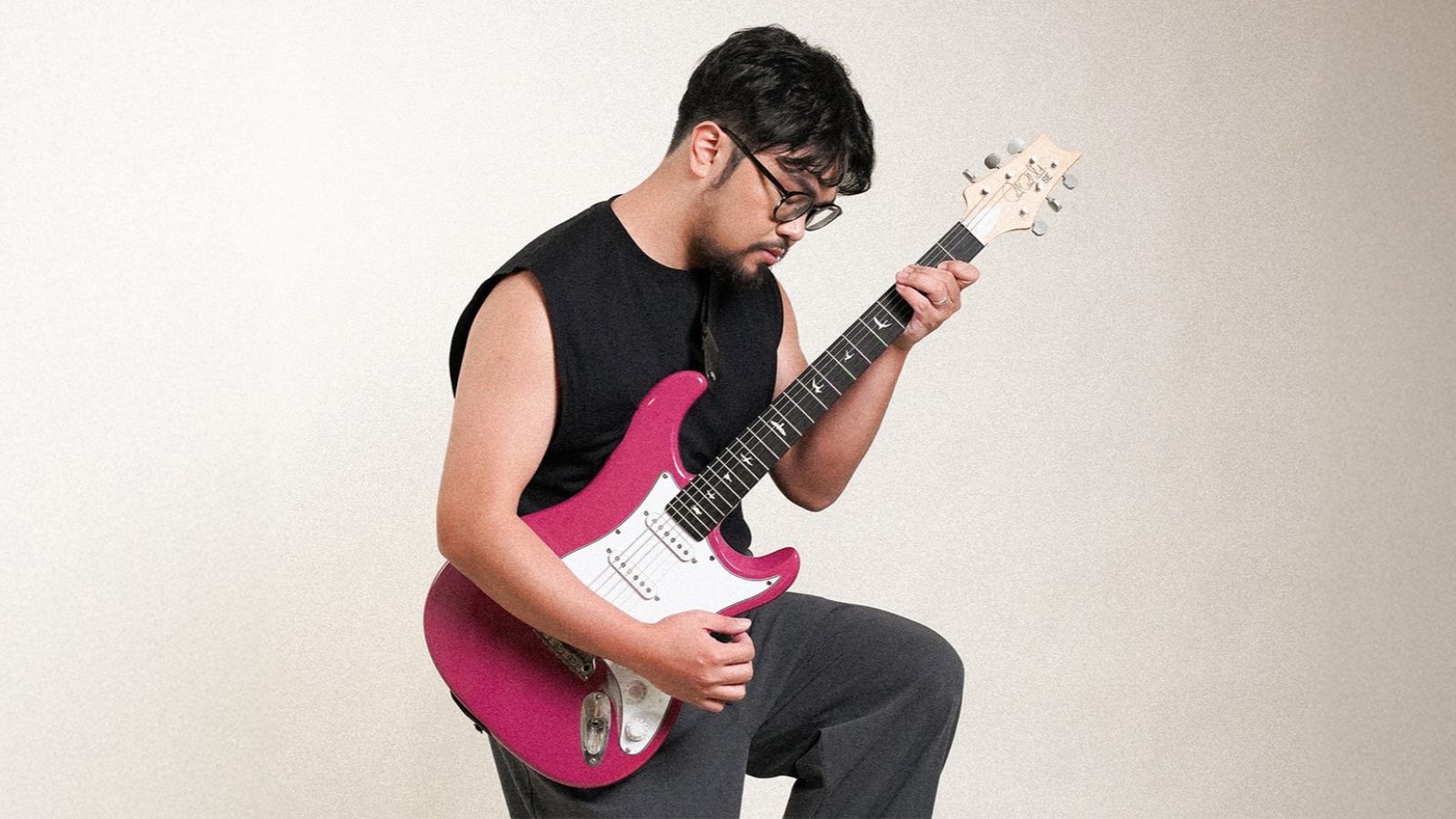
Photographed by Meika Vieve Catog
What did you discover about yourself creatively while making this EP that you might not have discovered if you hadn’t ventured into releasing solo music?
I think I realized how much I really enjoy working with other people in terms of the creative process because, while the core idea — especially with these songs, since I’m the songwriter, the lyricist, and the composer, it comes from me.
I do enjoy working with other people in order to bring out the best version of the art that I’m trying to create. Also, with “Love Again,” I really had a great time collaborating with Cha Martinez, who played the guitars for Love Again. She really elevated the song to the next level. I also realized that I like tapping into different styles. I like exploring different styles and sounds that I feel would do service to the art that I am creating.
Would you say that you’re making the music that you want to make right now? Or are you still in the process of exploring and discovering as you go along the way?
I think I’m creating the music that I like right now. But I do want to see how it’s going to evolve over the years. Hopefully, I don’t have to wait another 10 years to record the next set of songs.
But I am enjoying the songs that I’m releasing. At the very least, and I always say this, regardless of the commercial success of this EPEPShort for extended play, a collection of songs longer than a single but shorter than a full album, typically containing three to six tracks. Artists use EPs to introduce theirGo to EP Glossary, at least kaya kong matulog at night na at least kaya kong paninidigan yung music na ginawa ko (I can sleep at night knowing that at least I can stand by the music I’ve made). I didn’t take any shortcuts in the process of creating these songs.
Now that you’re making music on your own terms, how would you describe this chapter of your journey, and what would you like to explore next as an artist?
Well, I guess in a way, if you’re into wrestling, this is like finishing the story. This is like my Cody Rhodes-finishing-the-story. It’s a far cry from how I was a few years ago when I was kind of settling, but I wasn’t really happy where I was.
At least ngayon (now), I’m really discovering what I’m capable of as an artist. And yeah, of course, in a sense, it makes all the perseverance and the struggle a little more worth it. But I had to make it worth it by making the choice to show up.
In terms of future plans, I just took a break, but I’m also back in the studio with David. I’m also recording some new stuff for next year. We’ll see how many songs I’ll release next year.
I do like the idea of challenging myself with writing a Christmas song. I don’t know if I’ll actually do it. We’ll see. I like the challenge of maybe trying to write a Christmas song that tries to do it from a different angle.
Listen to Learn to Love Again below:
Frequently Asked Questions
“Learn to Love Again” is Gab Cabangon’s debut EP, released under Underdog Music, about recovering from burnout and rediscovering his love for making music. Its five tracks move through letting go, frustration, vulnerability, rest, and finally one sincere love song.
“Learn to Love Again” has five songs: “Love Again,” “Ikot Ulit,” “pieces,” “Kama,” and “ngayon at kailanman.” Cabangon released the project one song at a time, starting with the debut single “pieces” in September 2025, rather than issuing all tracks together on Underdog Music.
Gab Cabangon is a Filipino singer-songwriter and Awit Awards Best New Artist nominee who has worked in the OPM industry supporting aspiring musicians. His debut single “pieces” introduced him as a recording artist in 2025. He co-produced the EP with music director David Lina.
Gab Cabangon’s decision came gradually, with no single turning point, as lingering frustration built until he felt it was hypocritical to urge others to share music while making excuses himself. He felt he had enough experience, financial capability, and trusted collaborators to record and distribute properly.
“Kama” is Gab Cabangon’s song about rest, which he calls a “pahinga” anthem. Written first as a songwriting exercise, it evolved after David Lina added sample beats. Gab Lazaro of Project Yazz played trumpet, with vydd, Kyla Miel, and Cabangon’s wife on backing vocals.