NEW LORE On Telling Stories About Survival, Healing, And New Beginnings
“We don’t really separate music from the rest of our creative life. A painting can become a song. A novel can become an album. A poem can become a chorus. A film can teach us how to leave space inside a melody. Everything eventually finds its way into the work,” the band shares.




Courtesy of NEW LORE
Courtesy of NEW LORE
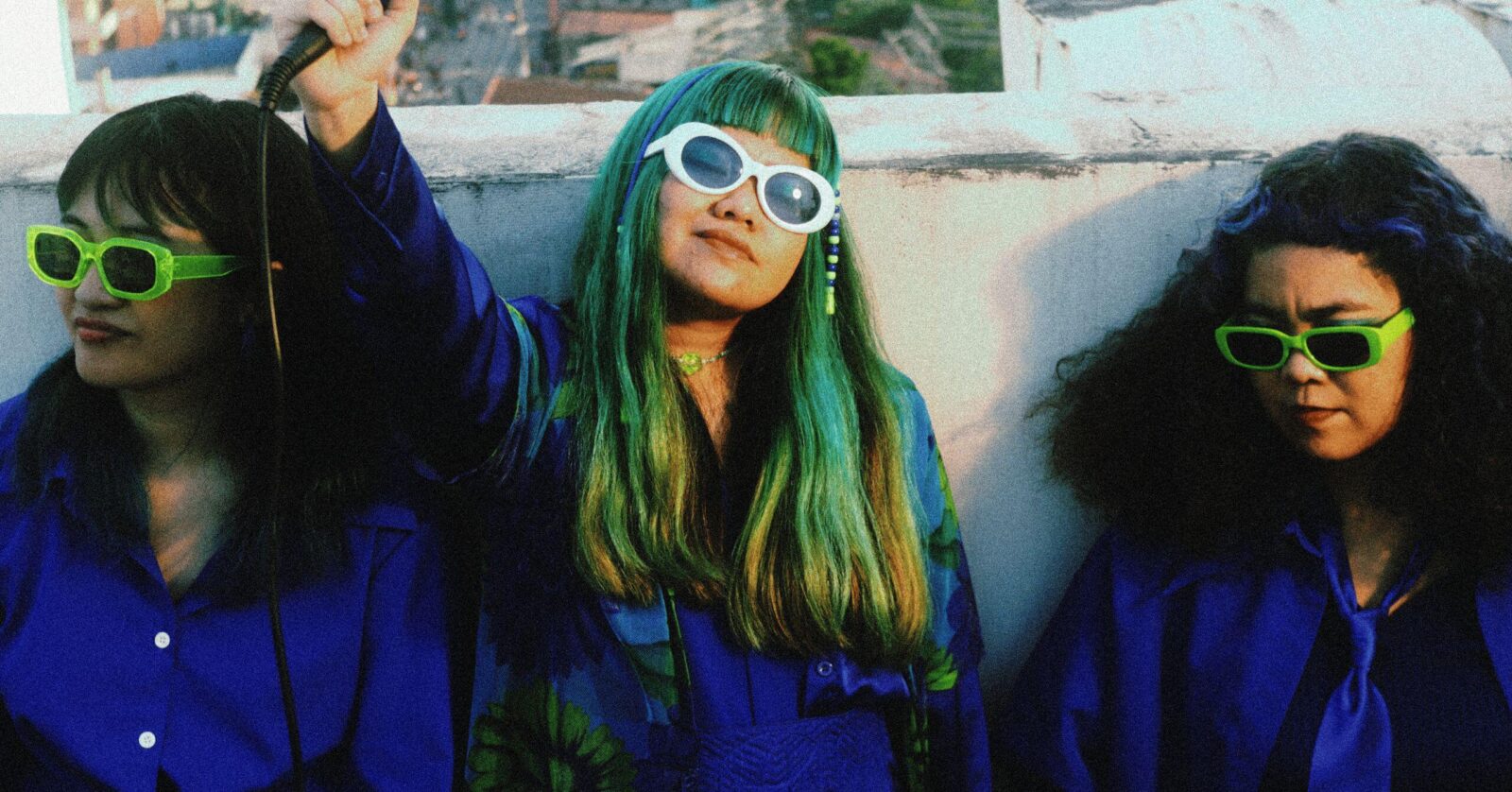
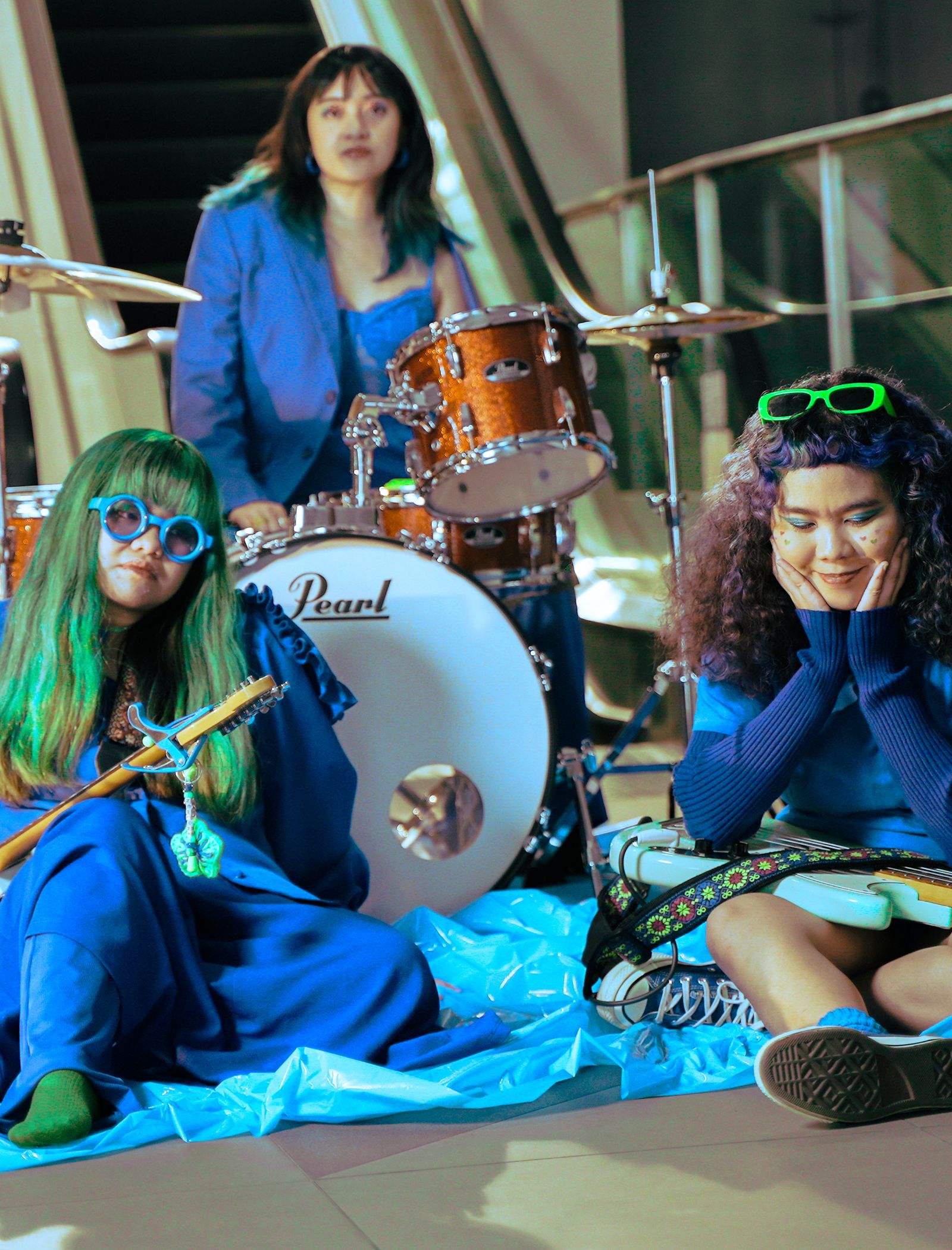
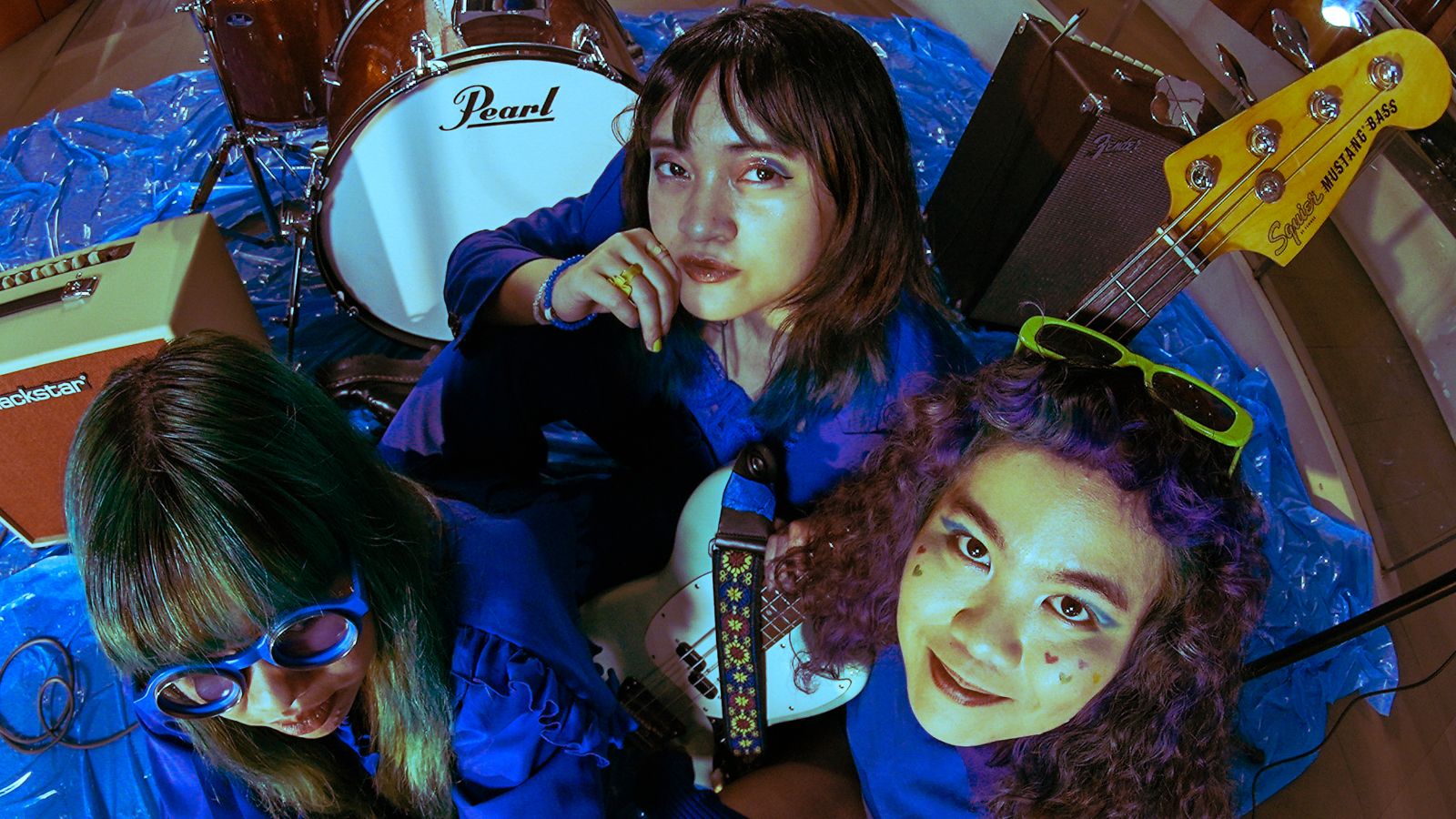
In 2025, NEW LORE reintroduced themselves as an all-female electronic alt-pop trio consisting of Tita Halaman (vocals/guitar), Kim Escalona (bass), and Carole Lantican (drums).
“NEW LORE has always been a fresh beginning rather than a continuation,” the band collectively shares in an exclusive interview with Billboard Philippines. “We started from zero because we wanted the freedom to build something entirely our own. More than a band, we imagined NEW LORE as a creative world where music could exist alongside painting, literature, photography, film, and design.”
Acting as an extended storytelling across projects, “every album would become another chapter, every visual another piece of the story. That idea became the foundation of grief cake, continued through GOOD GOOD JUJU, and now carries into our upcoming record,” the band adds.
There was a sense of rebirth that came with it. The change was also evident in how the band approached songwriting, collaboration, and its overall identity and direction. Starting over meant that the questions they were asking through their music also had to change.
Courtesy of NEW LORE
“grief cake was born from trauma and survival. GOOD GOOD JUJU became about healing, hope, and learning how to live again. As we continued writing, we realized our music wasn’t just documenting our own lives anymore. It was beginning to ask what kind of world we wanted to help create,” they share.
To begin again wasn’t just a creative decision but an opportunity to have a sense of freedom to become the artists they are today. “I don’t think we ever sat down and said, ‘Let’s make an album about trauma.’ We were just writing honestly about where we were at the time. Those songs came from journal entries, late-night voice notes, conversations we couldn’t stop replaying, and the strange habit of turning difficult experiences into something we could hold without falling apart,” they explain.
The first project under NEW LORE was grief cake, which the band has previously described as “trauma pop” with songs deeply rooted in vulnerability, heartbreak, and deeply personal experiences. The title itself stems from the idea that grief rarely arrives in the form of, well, grief.
“Sometimes it disguises itself as anger, humor, obsession, avoidance, or even a really good pop song,” they share. This contradiction became central to the emergence of trauma pop. Stories of loss, heartbreak, and survival were layered over electronic production that remained danceable and vibrant.
“It wasn’t about making pain beautiful. It was about refusing to let pain have the final word,” the band adds. The eight-track album became a testament to who the band was at the time, before they understood what healing truly looked like. It was their way of telling the truth, rather than trying to find answers or resolutions.
grief cake marked the first chapter of a much longer conversation the band continues to have through its music today. The conversation continued with its sophomore album, GOOD GOOD JUJU, which introduced the ideas of “healing pop” and “therapy pop.” In contrast to its debut record, the band embraced a more hopeful tone and perspective, shifting its focus from surviving pain to the possibility of healing.
The band realized it no longer wanted to remain in the same emotional space that defined its grief cake era. While it remained committed to writing honestly, honesty had begun to take on a different meaning. Instead of dwelling solely on pain, the band became more interested in exploring healing, growth, and hope.
“Instead of asking, ‘What broke me?’ we found ourselves asking, ‘What helps me stay?’ The songs became less about reopening old wounds and more about noticing the small things that quietly put us back together. A good conversation. A friend who remembers your coffee order. A lucky charm in your pocket. Choosing to believe tomorrow might be a little kinder than today,” the band shares.
Healing pop or therapy pop revolved around the idea that it isn’t all about pretending everything was all okay. Healing hasn’t always been linear, and so is the album, as the band shares. “It’s messy, funny, awkward, and sometimes you take two steps forward just to cry over something you thought you’d already moved on from. We wanted to make music that could sit beside people in that process without rushing them through it.”
Songwriting became less about documenting their pain for its own sake and more about asking what comes after it. Songs became conversations instead of confessions, leaving “more room for hope, for imagination, and for other people to find themselves inside them,” they say. The band’s upcoming album they’re currently working on continues that journey, still rooted in love and vulnerability, with the addition of asking how life looks “when love is no longer something you survive, but something you help build,” they add.
One of the record’s highlights is “your playlist is a lie,” which features one of their musical influences, Barbie Almalbis. For the band, the collaboration still feels surreal. The opportunity first came when they performed alongside the OPM rock icon in an event organized by Pintig Productions. It was a simple gesture of Tita Halaman reaching out to Almalbis and asking if she’d be interested in lending her vocals on the track.
“The three of us completely lost it. We were rolling on the floor, crying, calling each other, asking, ‘Did that really just happen?’ Barbie still doesn’t know that part of the story,” they share with a laugh. “Barbie’s songwriting has always been so honest and generous, and she’s been a huge influence on how we think about melody and storytelling.”
The collaboration felt seamless, evident in how Almalbis understood the song’s emotional core and how naturally her voice blended with it. Both records are conceptually cohesive, yet each track maintains its own distinct identity. Creating a cohesive album has always been one of the band’s greatest challenges, but it is also the part of the process they enjoy most. To them, an album is more than just a collection of songs; it is a complete story.
“Everything we write is deeply personal, so each album ends up becoming a timestamp of where we were in our lives. If you listen from grief cake to GOOD GOOD JUJU, and then to our third album later this year, we hope it feels less like listening to three separate albums and more like watching a long documentary about three girls growing up,” they share.
“You’re watching us carry grief, question ourselves, fall in love, heal, relapse, laugh at terrible jokes, and slowly learn that peace isn’t some distant destination. Sometimes it’s just having a calm nervous system. That’s honestly what all three of us are chasing, and these records have become our way of documenting that journey,” they add.
Shaping their songwriting and artistry, NEW LORE have always admired writers who know how to say a lot with very little. “Adrianne Lenker has had a huge influence on us because of how quietly devastating her lyrics can be. Hayley Williams reminds us that vulnerability can still feel powerful, while The Marías and Sylvan Esso have shaped the way we think about texture, restraint, and electronic production,” the band notes.
Courtesy of NEW LORE
Beyond music, they are also heavy readers. “We keep returning to André Aciman for the way he writes about longing and memory, to Japanese literature for its quiet attention to ordinary life, and to Sylvia Plath for her honesty about sadness and the inner world. Michelle Zauner‘s Crying in H Mart also stayed with us. It’s a book about grief, displacement, identity, and learning to live inside a version of yourself that feels unfamiliar.”
They are also equally shaped by Filipino writers and poets such as Merlinda Bobis, who has influenced the way they think about memory, language, and the emotional weight that ordinary moments can carry. They also return to Conchitina Cruz and her poem Alunsina Takes a Walk in the Rain. “We love poetry that never announces its heartbreak, but lets it gather quietly through rain, silence, and small gestures. That’s something we hope our songs can do too,” they add.
“We don’t really separate music from the rest of our creative life. A painting can become a song. A novel can become an album. A poem can become a chorus. A film can teach us how to leave space inside a melody. Everything eventually finds its way into the work,” the band shares.
As of this writing, NEW LORE are in the process of finishing recording their third record. Without giving away too much, the project might just be their second full-length release this year, following GOOD GOOD JUJU. Their next album is set to be their most intentional record yet. It centers on women and the stories that they carry and why love can never exist without safety. “We wanted to write about tenderness, protection, and the quiet forms of violence that often go unseen,” they reveal. “If our first records were about surviving and healing, this one asks how we can build a world where women no longer have to survive in the first place.”
“It still carries the emotional honesty people know us for, but there’s a new sense of purpose behind it. It lives somewhere between heaviness and light, holding both grief and hope in the same breath. At its heart, it’s a record about women, about the stories we inherit, the ways we learn to love, and why protecting women should never be treated as an afterthought,” the band shares.
Frequently Asked Questions
NEW LORE is an all-female electronic alt-pop trio made up of Tita Halaman, Kim Escalona, and Carole Lantican. The band reintroduced themselves in 2025, describing NEW LORE as a fresh beginning built around a wider creative world spanning music, visual art, and storytelling.
Trauma pop is the term NEW LORE uses to describe grief cake, their eight-track debut album pairing vulnerable, heartbreak-driven songwriting with danceable electronic production. The band frames grief as something that can disguise itself as humor, anger, or a catchy pop song rather than only sorrow.
Healing pop and therapy pop describe NEW LORE’s sophomore album GOOD GOOD JUJU, which shifts the band’s focus from surviving pain toward noticing small, restorative moments. Rather than reopening old wounds, the songs explore what helps the band stay grounded, embracing a hopeful, non-linear view of healing.
Barbie Almalbis appears on “your playlist is a lie” after NEW LORE performed alongside her at a Pintig Productions event, where vocalist Tita Halaman personally invited her to contribute vocals. The band cites Almalbis as a major influence on how they approach melody and honest songwriting.
NEW LORE’s still-untitled third album centers on women, safety, and tenderness, exploring what it means to build love rather than merely survive it. The band describes it as their most intentional record yet, addressing quiet, often-unseen forms of violence that women experience.