
Jolina Magdangal’s ’90s Pop Culture Moment Never Ended
From teen pop sensation to timeless icon, Jolina Magdangal tells the Philippines and the rest of the world that she’s definitely here to stay.




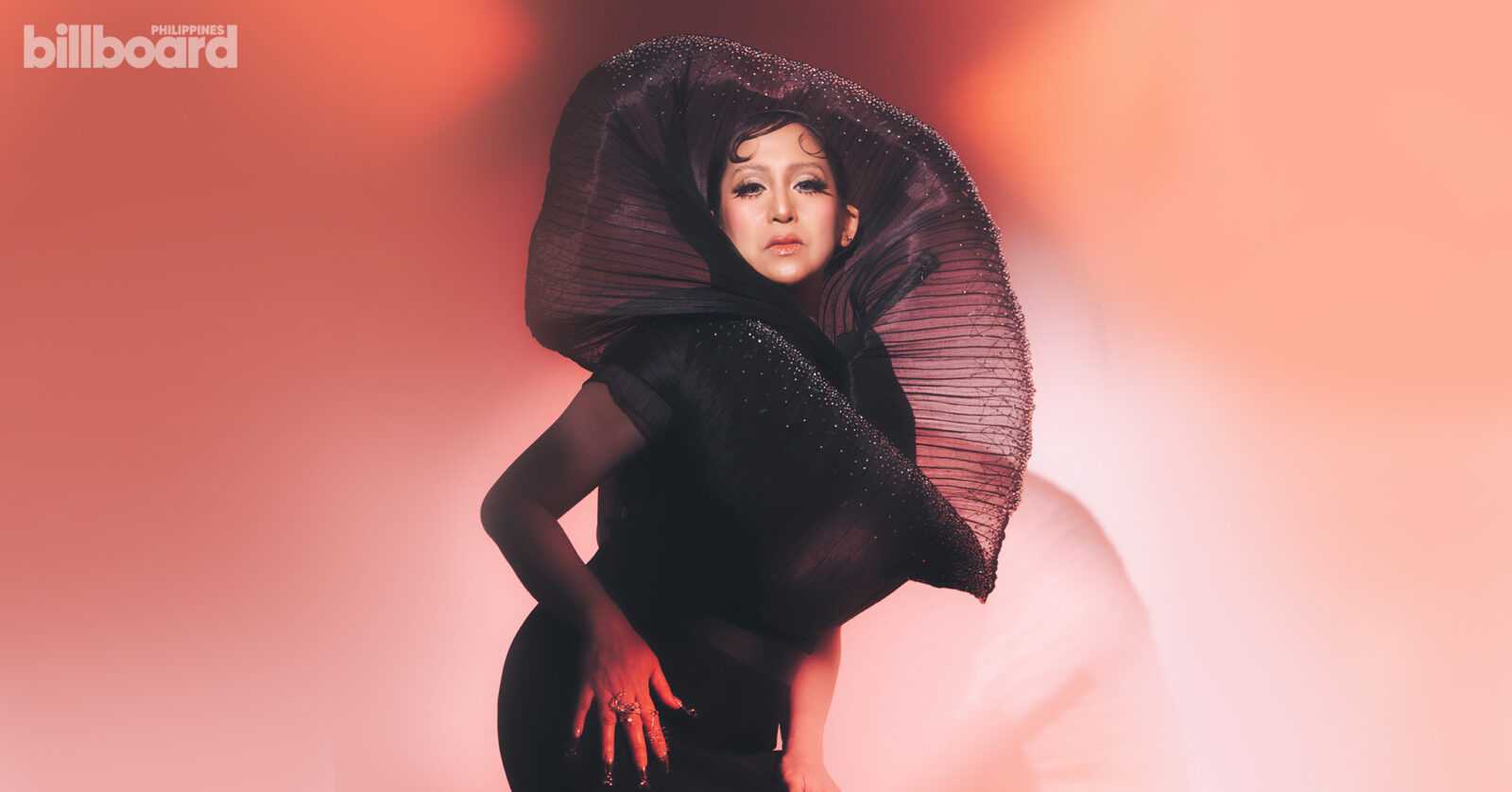
Jolina Magdangal photographed by Borgy Angeles on August 2023 at the Billboard Philippines studio in Pasig City, Philippines. Styled by Gee Jocson.
Throughout our country’s rich history with entertainment, numerous colorful characters have splashed their way into the cultural zeitgeist of the Philippines. Yet of the many, few have managed to make the same impact as the one & only Jolina Magdangal.
From her vibrant hair accessories, cheery disposition, and high-spirited personality, there were a whole lot of elements aside from her talent that enamored all sorts of audiences. Upon the mention of her name, anyone could easily picture her with a bright-eyed smile, belting away as if her life depended on it.
The long-standing influence of her presence in the mainstream has led to her being lovingly dubbed the “Queen of Pinoy Pop Culture”––but what exactly does this title mean to her?
“Nakakahiya talaga kapag naririnig ko, pero in a way nakakahonor rin pakinggan kasi ibig sabihin may naiambag talaga ako sa kultura.” – Jolina says, hiding her blushing cheeks behind her hand adorned with colorful, pressed-on nails. “Noon talaga, ginagawa ko lang kung kahit ano para ipakita ko yung sarili ko.”
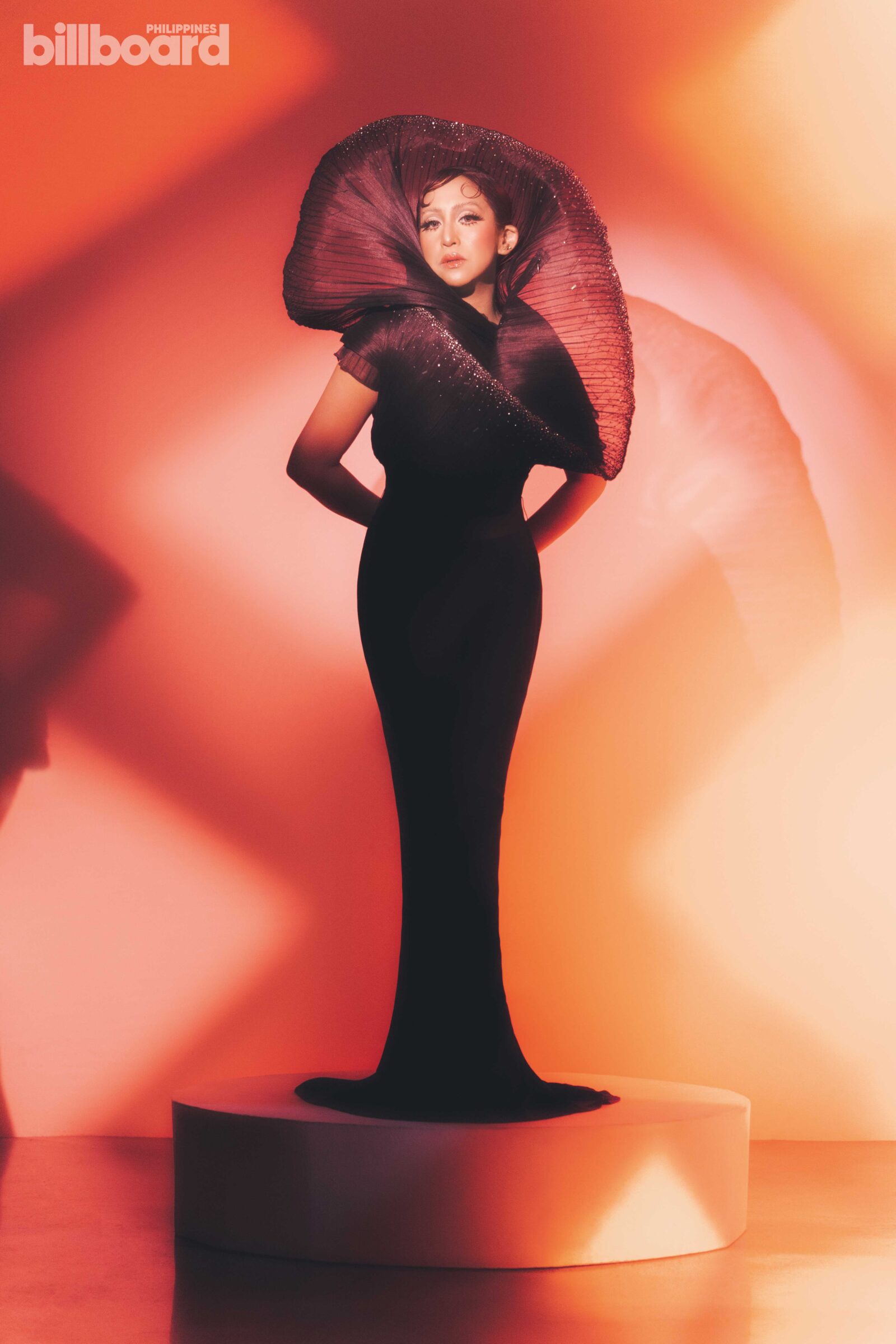
To Jolina, everything began with her innate creativity that allowed her to express her individuality with her peculiar, but now iconic fashion style.
“Sa time na yun, linalagay ko lang kung kahit ano sa pagkatao ko.”
She narrates how much she enjoyed just adding anything to her outfits, adding that it was her own way of showcasing herself with the use of small, yet flamboyant elements. Multi-colored hair clips, butterfly accessories, feather dusters, you name it––all of these were just some of the many things she took from home as tools to showcase her radiant persona.
In a way, her capability to utilize some of the more every-day items to establish a unique (and later iconic) appearance inspired many aspiring creatives to emulate her open-mindedness to self expression.
“Buti nalang noon, wala pang social media. Kahit anong gusto ko, pwedeng pwede kong gawin at wala magsasabi sakin kung ano ang bawal o dapat kong gawin.” she adds. Jolina correlates the absence of social media to her willingness to try new things, citing how the criticism of online haters were non-existent at the time.
Ultimately, the absence of such negative energy worked to her benefit––allowing her the freedom to explore whatever she wanted, both musically and in terms of her identity. Another source of credit to this side of her comes from how supportive her environment was, which doesn’t necessarily apply to many artists of her time. “Talagang support lang ipinakita saakin at sinasabi nila na sige lang, support, ikaw yan eh. Kaya sobrang swerte talaga ako sa ganun.”
Surrounded by an abundance of love and radiance, Jolina mentions how pleasant it was to hear how well her presence translated to her fanbase, even as far to go beyond the sound and screen barrier that separated her from her audience.
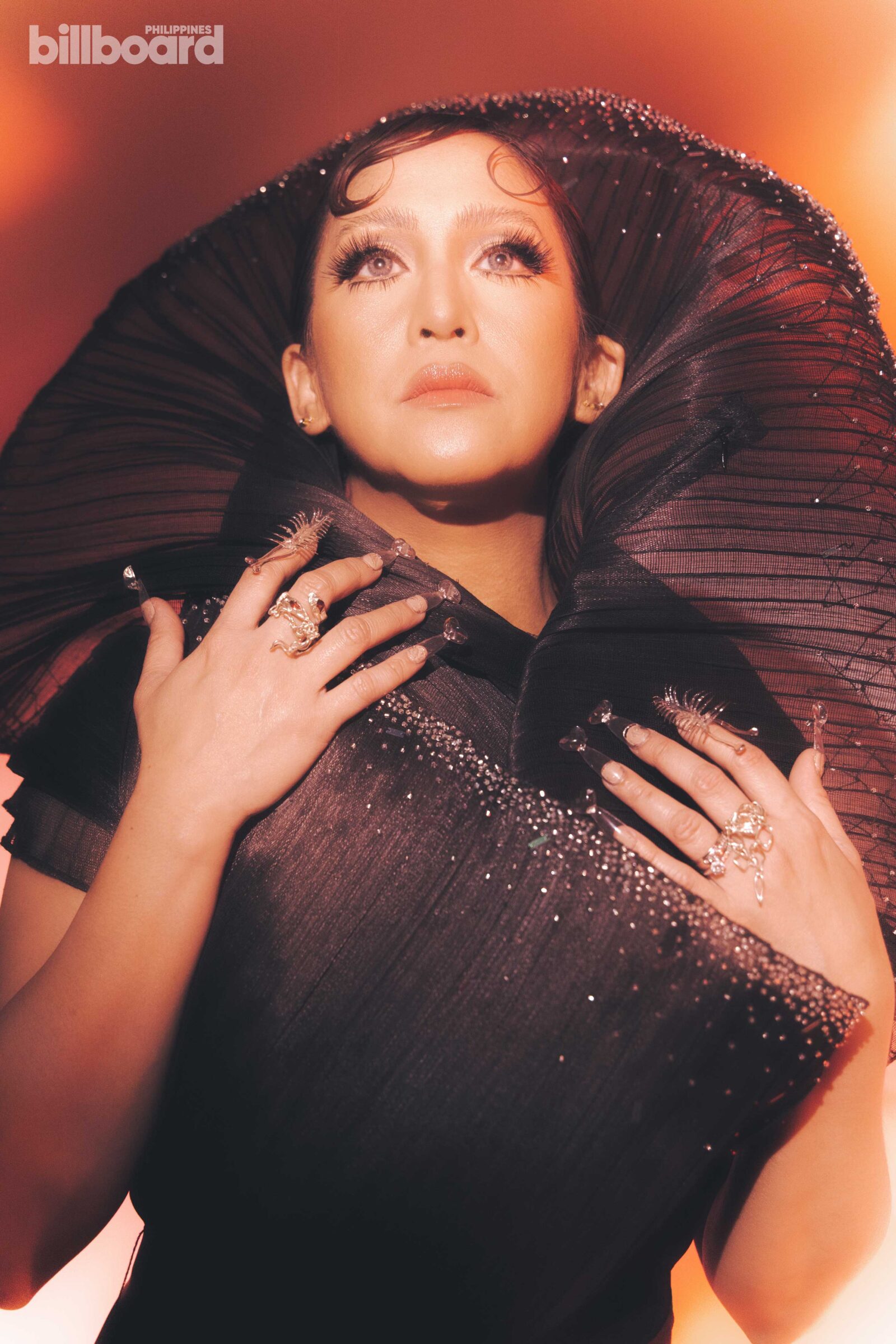
When looking back upon the highlights of her career, Jolina looks fondly back at the memories that got her to this point in life. “Nako, lahat nalang nag-eenjoy ako sa mga ginawa ko noon.” she says with a playful laugh. “Pero I would say, yung mga songs na tumatak sa movies or yung theme sa mga revival (series) na kinanta ko yung mga paborito ko.”
She elaborates upon this thought by saying how expressing how surprised she was that these songs resonated with older audiences. As a young artist at the time, the level of appreciation and respect that came from a different demographic encouraged her to try new things outside of her comfort zone. This included her approach to singing, with a new emphasis on not merely singing from the heart, but as if she was telling a story.
As if reiterating the same wisdom she imbibed, she elaborates the knowledge, “Pag kumakanta ka, dapat para kang nagkwekwento. Yung mga kinakanta ko, binibigay ko yung sarili kong version sa nabibigay ko na todong todo rin.”
This allowed for her to be authentic in her artistry, despite some inspiration from favorite artists of hers like Madonna. Throughout her musical career, it’s noticeable how much she set herself apart from the rest. Her own take on music was what struck a chord with her eventual audience––furthering her beloved and celebrated nature as a cultural icon of the 1990s.
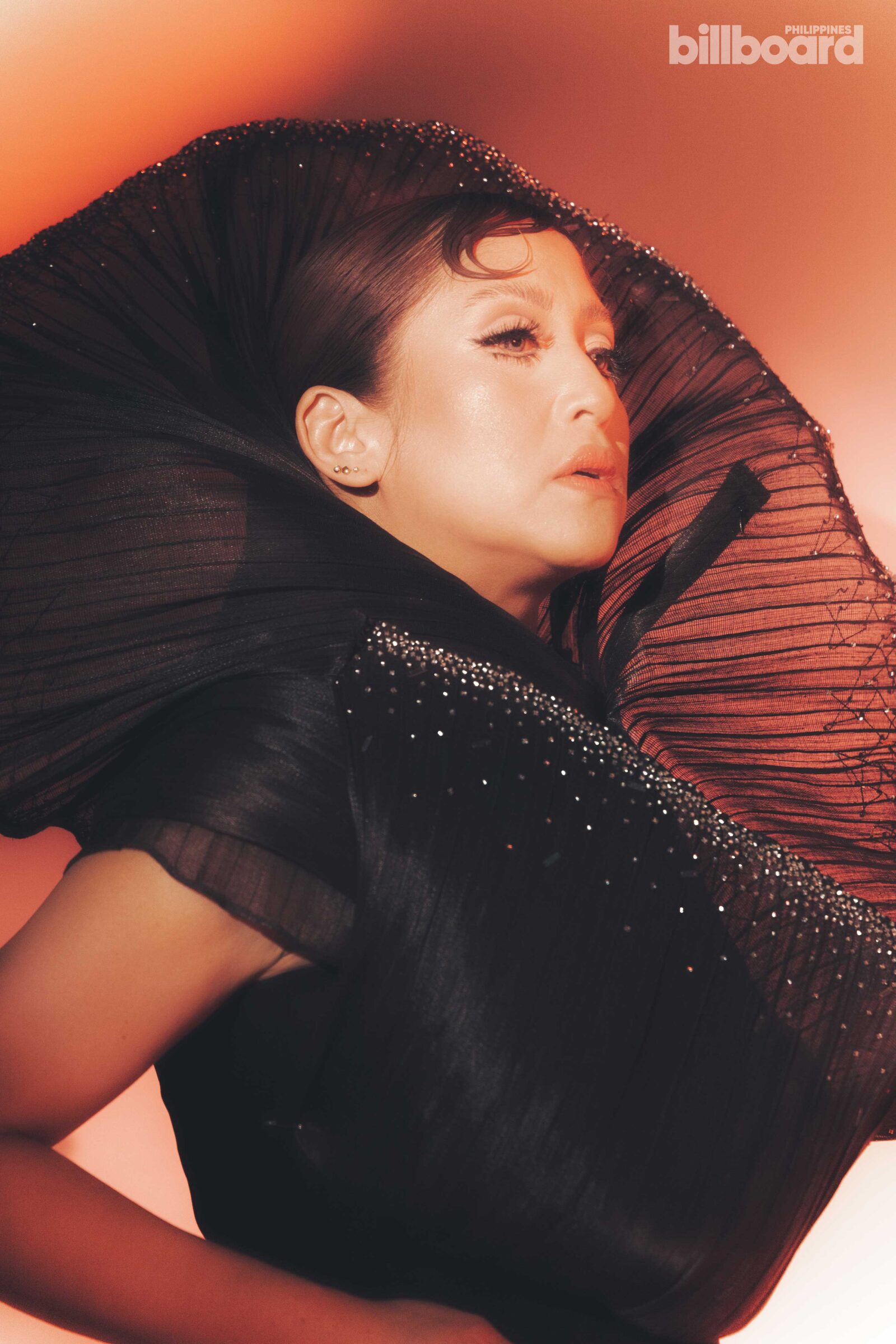
With some of the best-selling albums in the entire country, there’s no doubt about Jolina’s legacy in the Filipino music field.
Amidst everything she’s contributed to this culture, she still beams with pride about the current state of OPMOPMShort for Original Pilipino Music, the body of songs created by Filipino artists, spanning genres from ballads and rock to hip-hop and pop. OPM expresses Filipino identity and heritage, andGo to OPM Glossary––adding how promising the future looks for the next generation of artists.
“Ang daming nabibigay yung mga bata ngayon sa mga kanta na ginagawa nila. Marami silang napapakita sa sarili nila, at talagang naamaze ako diyan.” she says. Her amusement goes beyond the appreciation of their talents, further citing how this new wave of talent is even comparable to music from all around the world.
With all the effort that she’s seen, Jolina proudly proclaims “Lumalaban talaga yung OPM.”
“May ibubugay talaga yung mga bata at pwede nilang sabihin na sila mismo yung gumawa ng kagandahan na ito. Walang mga rules sa pinaggagawa nila, kaya nagagawa nila ang gusto nila sa sarili nilang depinisyon.” she further adds.
With all the changes that the ever-evolving indsutry showcases, Jolina appreciates how the new generation of musicians experiment with the unfamiliar. “Sa ngayon, maraming style na lumalabas sa tradisyonal na familiar sa mga Pilipino. Kahit na sanay tayo pakinggan yung mga nagbebelt sa pagkakanta, ang mga bata ngayon ay gumagawa ng kanilang pagsusulat ang komposisyon.”
Yet despite these changes to their process, the icon is still grateful that many of them still respect the artists who came before them. “Naappreciate nila yung mga seniors ng OPMOPMShort for Original Pilipino Music, the body of songs created by Filipino artists, spanning genres from ballads and rock to hip-hop and pop. OPM expresses Filipino identity and heritage, andGo to OPM Glossary, at tinatangkilik talaga nila yung classics na nandiyan noon pa.”
All in all, she concludes her thoughts on the future of OPMOPMShort for Original Pilipino Music, the body of songs created by Filipino artists, spanning genres from ballads and rock to hip-hop and pop. OPM expresses Filipino identity and heritage, andGo to OPM Glossary saying, “Nagagandahan ako sa takbo ng OPM industry dahil sumasabay, may mga bago rin, pero hindi nakkalimot.”
While enjoying the experience of motherhood is Magdangal’s focus right now, her ‘90s pop culture moment has yet to find its ending. As time marches on, she remains a shining star in the industry, and her journey continues to inspire generations to come. There’s still so much that she has to share with the world, so who says she’s going to stop now?
A version of this story appeared in Billboard Philippines’ pop issue, dated Oct. 15, 2023.
Art Direction by Kenneth Dimaano and Nicole Almero. Photographed by Borgy Angeles. Styled by Gee Jocson. Assisted by Ian Rey and Angelo Vasallo. Hair by Jay Wee. Makeup by Jonathan Velasco. Production Design by Migs Alcid, Assisted by Winona Te and Randy Lajara. Shoot Coordination By Mikaela Cruz. Photography Assisted by Pao Mendoza and Karl Mariano. Shoot Assisted by Megan Lim. Video Creative Direction by Kenneth Dimaano and Bret Jackson. Video by YouMeUsMNL. YouMeUsMNL Creative Heads headed by Kerbs Balagtas, Xavier Alfonso, Dale Reciña. DOP and Edited by Jireh Bacasno. Assistant Direction and Editing by Alanis Manantan. Video and Lighting Assisted by Sam Tangzo.