
Viral, Vulnerable, Yet Still Victorious: Sassa Gurl
The “Maria Hiwaga” hitmaker opens up about her unexpected venture into the Philippine hip-hop scene, being fearless in her craft, and what surprises lie ahead for her musical career.




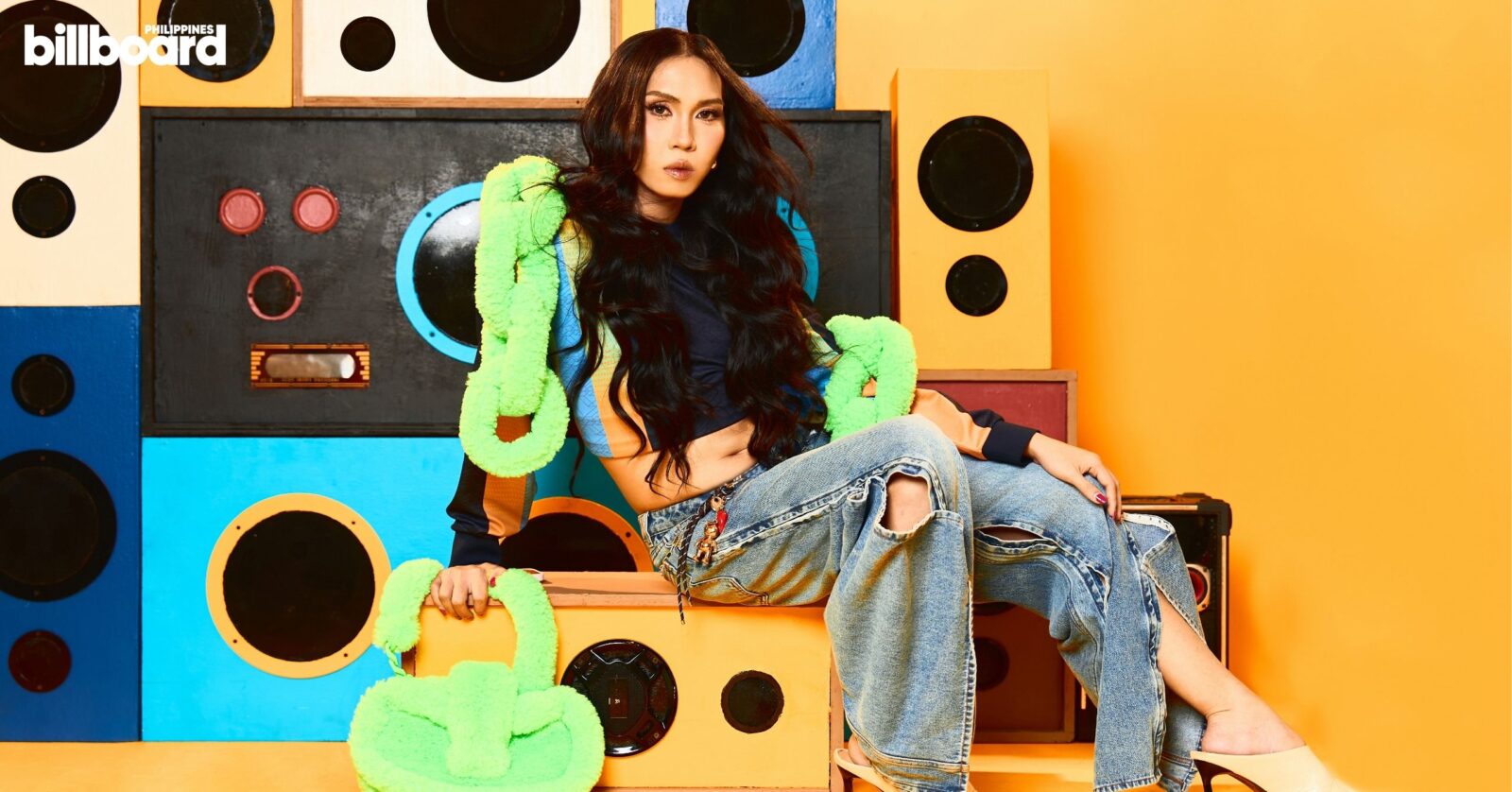
Photographed by Kieran Punay.
Photographed by Kieran Punay.
In a music scene that has long been dominated by swaggering machismo and heteronormative bravado, Sassa Gurl arrived like a colorful glitter bomb that detonated right at the center of Pinoy hip-hopHip-HopA cultural movement and music genre that began in the Bronx in the 1970s, built on rapping, DJing, beatmaking, and sampling. Hip-hop has a strong Filipino scene, with artists writingGo to Hip-Hop Glossary.
Unashamed to be loud, fearless, and impossibly funny, this 30-year-old queer rapper, comedian, and viral internet personality (with over 8+ million followers on TikTok alone) has transformed what began as a playful “what if” into one of the most disruptive personas in Filipino music today –– becoming known as a trans rapper spitting bars about desire, chaos, and queer life, all tinged with her signature unapologetic flair.
Though long before millions streamed hit tracks like “Maria Hiwaga,” the Philippines first fell in love with Sassa Gurl through her razor-sharp comedy and wildly relatable online commentary rooted in kanal humor, queer lived experiences, and Pinoy pop culture. Yet what only a few people had known was that beneath the abundance of punchlines hid an artist who aspired to do her part in pushing the boundaries of performance and identity. Whether she’s delivering biting political humor, angry rap anthems, or her latest foray into soft-girl bubblegum pop, Sassa approaches every medium with the same philosophy –– relying on authenticity over calculation and a sharp refusal to separate comedy from truth.
As part of Billboard Philippines’ celebration of Pride Month this 2026, Sassa Gurl opens up about what it means to stand in front of the general public, not merely as a viral entertainer but as a symbol of queer visibility in mainstream Filipino music. Through her recent endeavors, which include collaborations with fellow queer artists and an effort to evolve her sound that now embraces tenderness as much as bravado, she continues to challenge who gets to take up space in hip-hopHip-HopA cultural movement and music genre that began in the Bronx in the 1970s, built on rapping, DJing, beatmaking, and sampling. Hip-hop has a strong Filipino scene, with artists writingGo to Hip-Hop Glossary, while finding new sounds to play around with.
For what could have easily been dismissed as a parody effort soon evolved into a movement of her own, with Sassa winning through life as she carves out a distinct space for listeners who loved hip-hopHip-HopA cultural movement and music genre that began in the Bronx in the 1970s, built on rapping, DJing, beatmaking, and sampling. Hip-hop has a strong Filipino scene, with artists writingGo to Hip-Hop Glossary but never saw themselves reflected in it.
Billboard Philippines: You have broken massive barriers by asserting yourself as an empowered queer rapper in a genre that has been dominated by heteronormative and hyper-masculine tropes. During Pride month, how does it feel to claim that space in Pinoy hip-hopHip-HopA cultural movement and music genre that began in the Bronx in the 1970s, built on rapping, DJing, beatmaking, and sampling. Hip-hop has a strong Filipino scene, with artists writingGo to Hip-Hop Glossary?
Sassa Gurl: Aww, yeah. I guess totoo nga ‘yun. As a trans, queer rapper, I think kaya ko lang nagawa, actually ang intentions ko dito wasn’t to create a space, but I just wanted to create an art na I think hindi pa nagawa ng mga Filipino artists. It started with a what if –– like what if may Filipino hip-hopHip-HopA cultural movement and music genre that began in the Bronx in the 1970s, built on rapping, DJing, beatmaking, and sampling. Hip-hop has a strong Filipino scene, with artists writingGo to Hip-Hop Glossary, male-sounding, trans rapper?
Napaka-funny question siya, but at the same time, it didn’t exist yet. So to me, the excitement of creating it was that ‘di ko alam kung ano ang mangyayari, at kung ano ‘yung magiging results. Hindi ko alam kung ano ‘yung iisipin ng mga tao about it. Especially since ‘yung unang song ko was a weed song, ‘di ba? (laughs)
It’s like a parodized version of male hip-hop artists dito sa Philippines, na walang kinanta kung hindi about drugs, sex, or cars. So to me, I just wanted to do that kasi may influence din naman ‘yung scene nila sa akin. But I don’t see myself in that scene.
I feel like an outsider, but I love the community. I love the music. Plus, ‘yung gusto ko lang makita yung sarili ko in that part of the music (scene), so gumawa ako ng sarili kong space for it. Actually nung una, may doubts ako. Number one, this is not something that people in our community would usually do. Kumbaga, ibang amats ’to para sa mga bakla. Naniniwala ako na ang dami ring mga bakla na umaamats ng hip-hopHip-HopA cultural movement and music genre that began in the Bronx in the 1970s, built on rapping, DJing, beatmaking, and sampling. Hip-hop has a strong Filipino scene, with artists writingGo to Hip-Hop Glossary music, at hindi lang sila well-represented sa scene kasi nga it’s a very heteronormative space.
I think mixed ‘yung mga reactions ng mga tao — may mga nagustuhan, may mga hindi nagkagusto sa ginawa ko. But all in all, that’s what art is about –– it’s just for us to express ourselves. And ako, dedma ako sa mga sinasabi ng mga tao. (laughs)
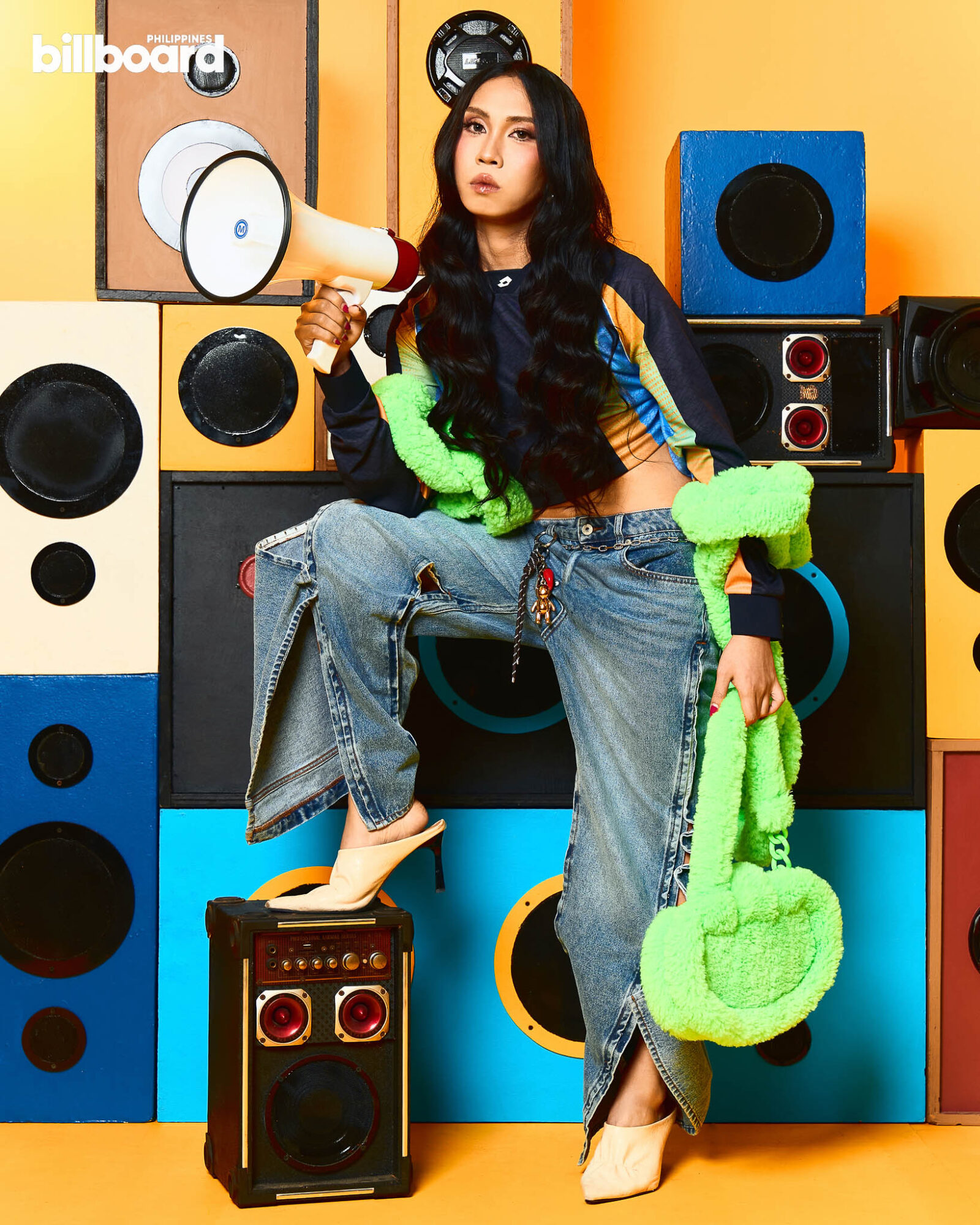
Photographed by Kieran Punay.
Given that this campaign celebrates artists like yourself, what does a theme such as ‘Filipino Pride Amplified’ mean to you personally through your music?
Sa ‘Filipino Pride Amplified,’ what I think is that it’s not just a protest anymore. It’s not just a celebration anymore. It’s about reclaiming what is ours.
Dahil hindi pa tapos yung protesta, at kahit nakaprotesta na tayo ng maraming beses, parang feeling ko this time around, once we amplify, we take the space na kailangan naming i-take. We take the prize that we deserve. And of course, we get the opportunity na ipinagdamot sa atin nung umpisa pa lang. Kaya may existing na protesta.
At dahil mas malakas na kami at mas may superpower na kami through Pride as a protest, eto na ang oras to change the rules and to change the system for a future generation. Kasi may Pride pa rin, pero iba na ‘yung struggles and iba na ‘yung ipinapaglaban ng mga future generations.
The Philippines fell in love with your sharp, hilarious internet commentary, but tracks like your smash hit ‘Maria Hiwaga’ proved you have serious artistry and flow. How do you balance being the ‘Pambansang Bakla’ who makes millions laugh with being taken seriously as a musician who commands millions of streams?
Actually, I don’t overthink it, eh. Kumbaga, kung ano lang ‘yung mood ko on that day, and kung ano ‘yung intentions ko, ‘yun lang sinusunod ko, eh. On that part naman, kapag gagawa ako ng hip-hopHip-HopA cultural movement and music genre that began in the Bronx in the 1970s, built on rapping, DJing, beatmaking, and sampling. Hip-hop has a strong Filipino scene, with artists writingGo to Hip-Hop Glossary music, it’s not that I take it seriously. It’s just that it’s a genre I really appreciate, and I really do wanna be a part of it.
Some people, nakikita nila na nakakatawa ‘yun, some people don’t. Some people take it seriously. But ako, ‘yung iniisip ko, ‘yung “Maria Hiwaga,” nakakatawa talaga siya. Kasi parang, bakit ko gagawin ’yon, ’di ba, kung iisipin mo. (laughs)
But ginawa ko ’yon kasi nga, I have to be fearless sa paggawa ng art ko. And in comedy naman, maraming katotohanan po sa comedy. Marami akong mga statements on comedy na katotohanan, especially ‘yung politics ko, at ‘yung lived experience ko bilang bakla. ‘Yung lived experience ko nung high school na puwedeng masabing dulot ng mga struggles ko. Kaya siya nakakatawa.
It’s just that dini-differentiate ko ‘yung dalawa based sa intentions na gusto kong ibigay and iparating sa public. And everything naman is rooted in honesty and authenticity, so hindi ko siya ino-overthink nang ganun. I just express, and I just create.
Many content creators try to manufacture viral moments, but your virality feels effortless and deeply rooted in authentic kanal humor and Pinoy pop culture. When you switch to writing music, does that same instinct for what clicks with the masses guide your songwriting, or is your creative process for tracks like ‘Panaginip’ or ‘Lagot!’ entirely different?
Noong una, di ko masyadong iniisip ‘yung audience ko. Kasi, sabi ko nga, it’s authenticity (that matters). So whatever is in mind, and kung ano nararamdaman ko, ‘yun talaga ‘yung sinusulat ko.
Noong na-appreciate ko ‘yung paggawa ng music, doon na ako naging collaborative, and doon na ako nagsulat na talaga ng mismong kinakanta ko. And usually, ‘yung creative process ko sa paggawa ng kanta, gusto ko talaga may something na ita-tap na bago for me, something na unexplored territory for me, pero something that’s also similar and familiar for me.
Noong ginagawa ko naman ‘yung “Panaginip,” sabi ko gusto ko ng something na medyo fearless at sexual nang konti. So first time ko maka-collaborate with Toni Fowler. And it’s something that was super new for me, kasi hindi ko ine-express ‘yung sexual side ko. But nung sinusulat ‘yung “Panaginip,” ‘yung inspiration ko diyan was wet dreams, so dapat sexual ‘to.
Ngayon na nagpapakilig ako, talagang nakikita ko sa sarili ko na hindi ako nakikilang pakilig, o nakikilang sweet girl na mahinhin o mabilis makilig. Kailangan akong maangas. Pero in that time, noong sinusulat ko ‘yung “Mahiyain,” sobrang kinikilig ako. So during that era and phase of my life, tinurn ko ‘yung pinagraramdaman ko into art. So I think it’s always about my fluctuating moods.
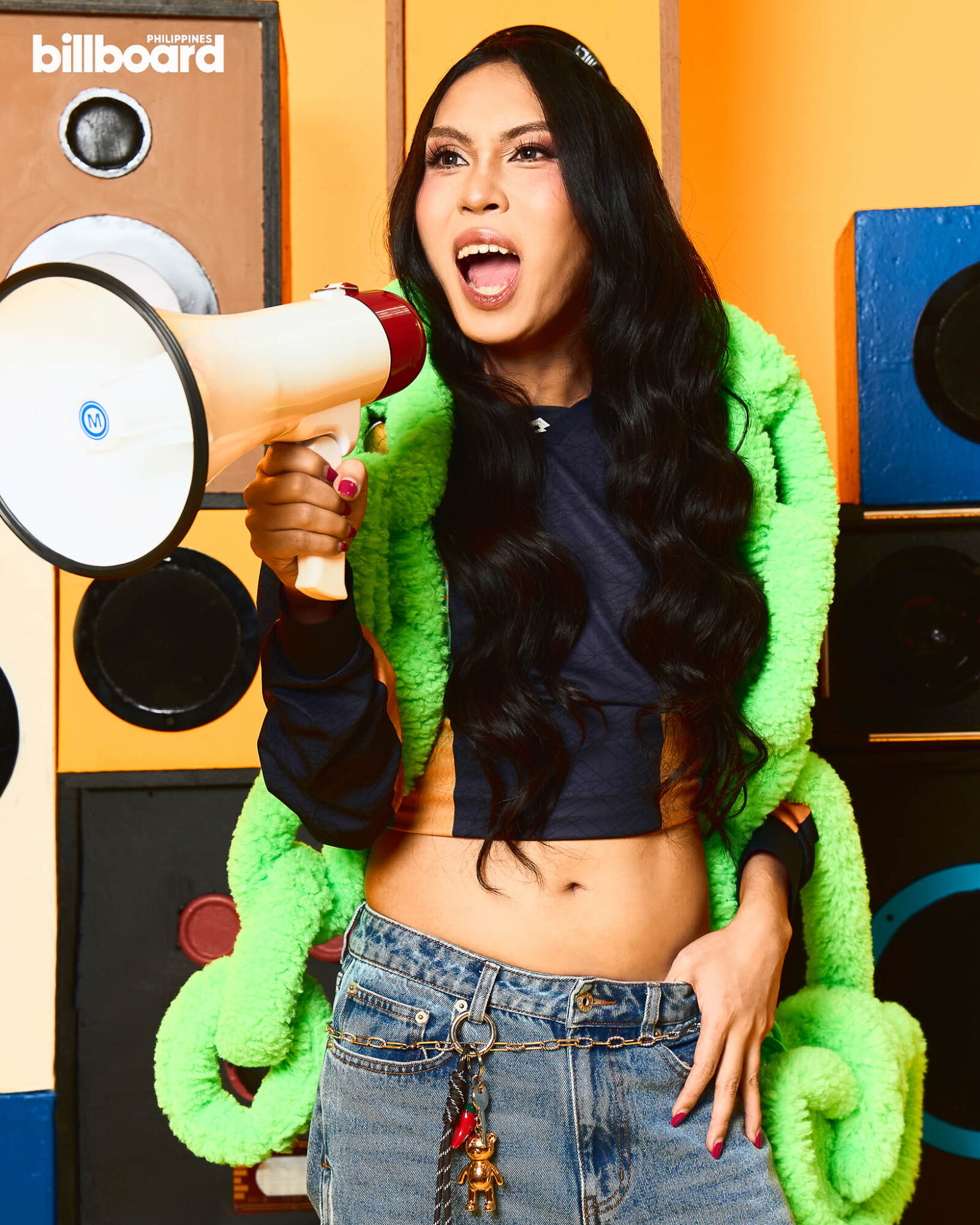
Photographed by Kieran Punay.
The music video for ‘Maria Hiwaga’ felt like a celebration of the community, featuring prominent local queer icons. How important is it for you to use your platform to empower queer Filipino talent?
I have always been fond of queer art. Sobrang fan ako ng napakaraming queer artists. Pette Shabu, Kumareng Harvey, Jason Dhakal, Dom Guyot, and marami pang iba. Sobrang nakikita ko kasi a lot of unwritten stories and unheard expressions from them na hindi pinapakita ng mainstream media. So sobrang unfound gem ‘yung mga queer artists na katulad nila.
So, pag may chance ako, i-fe-feature ‘yung mga artists na ‘to sa platform ko. Ginagawa ko. Kasi, we have to share the power that we have. Sa totoong buhay lang, ‘yung queer movement and ‘yung queer scene, hindi siya mabubuhay ng isang tao o isang artist lang. It has to be a village, and it has to be a community. I love sharing my platform and collaborating with different artists.
Ang pinakamasaya kasi sa collaboration ay nakikita mo ‘yung different perspectives ng mga tao, at saka kung paano sila mag-isip, or kung paano ‘yung methods nila. And natutuwa talaga din ako pag nakakagawa kami ng baby together. Iba siya sa mga nagagawa ko. So mas nagiging complex ‘yung sound ko, and ‘yung tenga ko. And I love it.
Since you’ve mentioned collaborations, we’ve seen you jump from solo hip-hopHip-HopA cultural movement and music genre that began in the Bronx in the 1970s, built on rapping, DJing, beatmaking, and sampling. Hip-hop has a strong Filipino scene, with artists writingGo to Hip-Hop Glossary tracks to collaborations like the ‘Ganda Gandahan’ remix with dia maté and working with Manila Luzon. You constantly keep the audience guessing. How would you describe the evolution of your sound from your early drops to where you stand today?
‘Yung una kong tunog talaga, palambot siya sa totoong buhay lang.
Noong una, sobrang angas ko talaga. Palaban ako, palaaway, laging may statement. Laging may kagat. Pero ngayon, I think one of the experiences na hindi ko nakukuwento sa buhay ko is ‘yung pagiging soft. ‘Yung vulnerable side, ‘yung love side ko. Hindi ko pa nakukuwento ’yan sa buhay ko. Always akong nakikita na galit na ako. (laughs)
So ngayon, maimbyerno kayo sa ganda-gandahan ko — sa pagiging soft girl ko. Pero, I think that’s how music and personality evolve. You evolve with your music, and you evolve with your art. You have to be honest with what’s happening in your life. Kunyari, ‘yung ngayon, I’m doing bubblegum pop.
At some point, frustration ko kasi ‘yun before, eh. Sabi ko, oh my gosh, nagpapatigas ako sa music ko. Hindi ko na-accept ‘yung feminine side ko. So since ngayon nagkaroon ng opportunity na gawin ’yon, let’s go! Let’s go to the beaches!
For our last question, this Pride Month brings so much energy and inspiration for a lot of queer artists. Can you tease any upcoming musical releases, unexpected collaborations, or perhaps a larger project that we can expect from Sassa Gurl soon?
Actually nga, since nasabi ko na, pakilig nga ako ngayon. Wala tayong magagawa kung pakilig talaga ‘yung dyosa ngayon, ‘di ba? ‘Yun ‘yung nangyayari sa music ko.
May ginawa akong pelikula, at naikuwento ko before na itong pelikula na ‘to is a fantasy film. And it allowed me, dahil fantasy siya, not just because of how it looks, paano kami nagdadamit, at pano ‘yung itsura ng pelikula. Pero sa mismong plot ng pelikula na fantasy siya for a lot of queer people. But with that fantasy, in-allow niya talaga ako na magmahal at magmahal nang normal. Na normal ‘tong nangyayari — it’s a normal thing (for us queer people). So, nakukuwento ko siya sa upcoming music ko.
So gumawa ako ng isang EP dedicated to one person. Sobrang swerte niya. (laughs) Tapos, itong EP na ‘to, it’s a collection of songs that tells the journey ng film namin, ng relationship namin throughout making the film. It’s composed of around mga limang songs, pero masyado ko nang kinukwento. Gusto ko siyang i-release during the phase na nagpro-promo for the movie we’ve made. So abangan niyo po ang aking EP, coming soon!
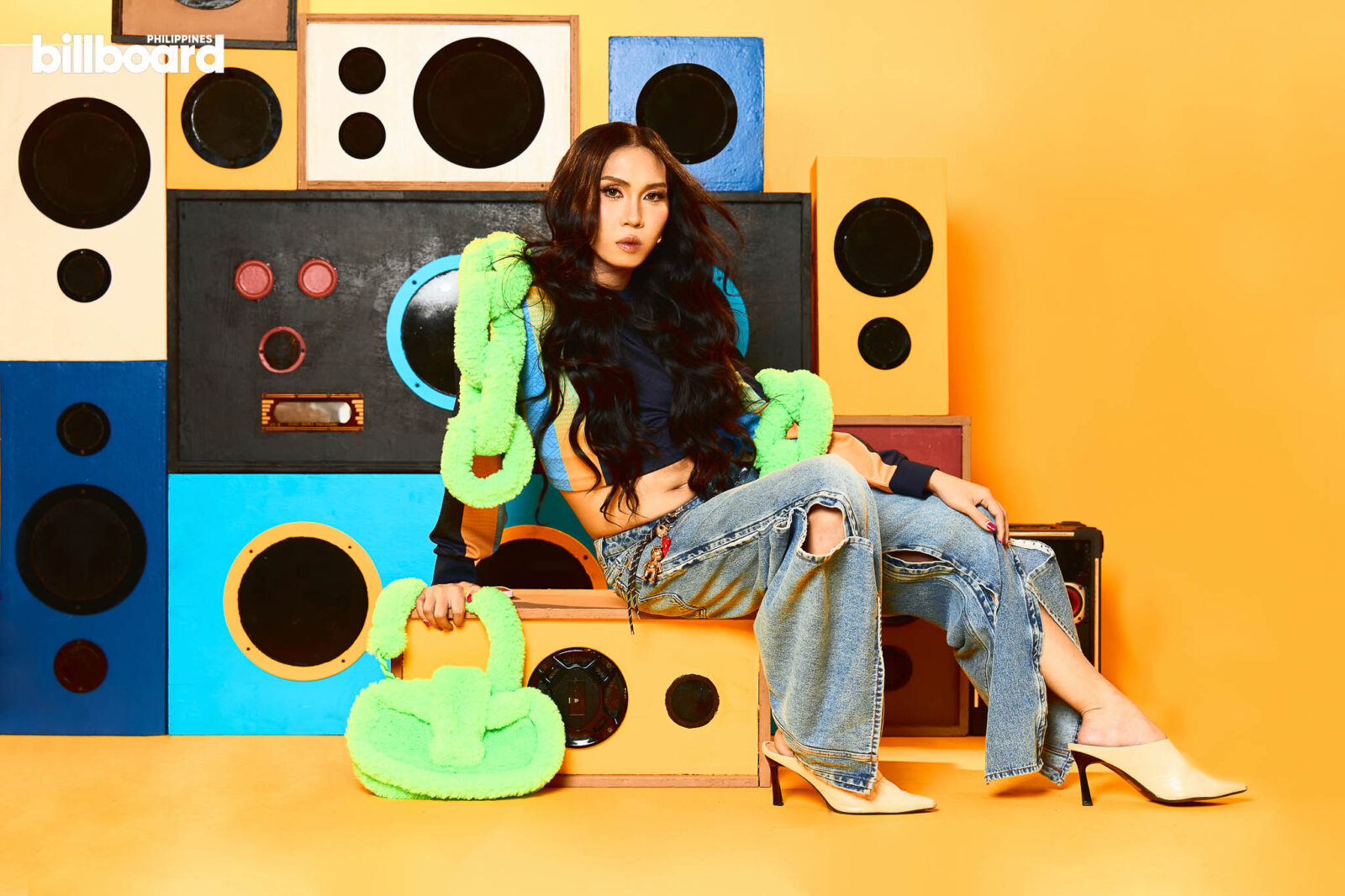
Photographed by Kieran Punay.
This interview was edited for brevity and clarity.
Photographed by Kieran Punay. Art and Fashion Direction by Gelo Quijencio. Styling by Ruru Christian of H&M. Makeup for Sassa Gurl: Alic Bernal Dumawing. Hair for Sassa Gurl: Ces De Guzman & Angel Columna.
Production Design by Arj Madarang. Production by Liezel Restauro. Special thanks to H&M Philippines.
Frequently Asked Questions
Sassa Gurl is a Filipino trans rapper, comedian, and viral content creator with over 8 million TikTok followers. She is notable for carving out a queer space in Pinoy hip-hop — a genre historically defined by heteronormative and hyper-masculine tropes — through tracks like “Maria Hiwaga” and “Panaginip.”
“Maria Hiwaga” is a hip-hop track by Sassa Gurl that doubles as a celebration of queer Filipino identity. The music video featured prominent local queer icons and was designed to bring community visibility into a genre that had largely excluded queer voices and perspectives.
Sassa Gurl began with aggressive, confrontational hip-hop tracks rooted in kanal humor and queer lived experience. By 2026 her sound had shifted toward bubblegum pop and softer emotional registers, with collaborative projects including a “Ganda Gandahan” remix with dia maté and work alongside Manila Luzon.
Sassa Gurl is releasing an EP of approximately five songs tied to a fantasy film she produced, documenting a real-life relationship that developed during filming. The EP is planned for release during the film’s promotional period and marks her first extended project built around a personal love narrative.
Sassa Gurl has featured and worked alongside queer artists including Pette Shabu, Kumareng Harvey, Jason Dhakal, Dom Guyot, Toni Fowler, dia maté, and Manila Luzon. She has described platform-sharing as essential to sustaining the queer music community, framing it as a collective movement rather than a solo endeavor.