Thai Artist and Environmentalist NOTEP On Artistic Intentions And Facing Ecological Realities In New Music
Creating with artistic intention through her A/V performances and hybrid DJ sets, the Thai musician crafts immersive, multi-sensory journeys that inspire and convey meaning.




Courtesy of NOTEP
Courtesy of NOTEP
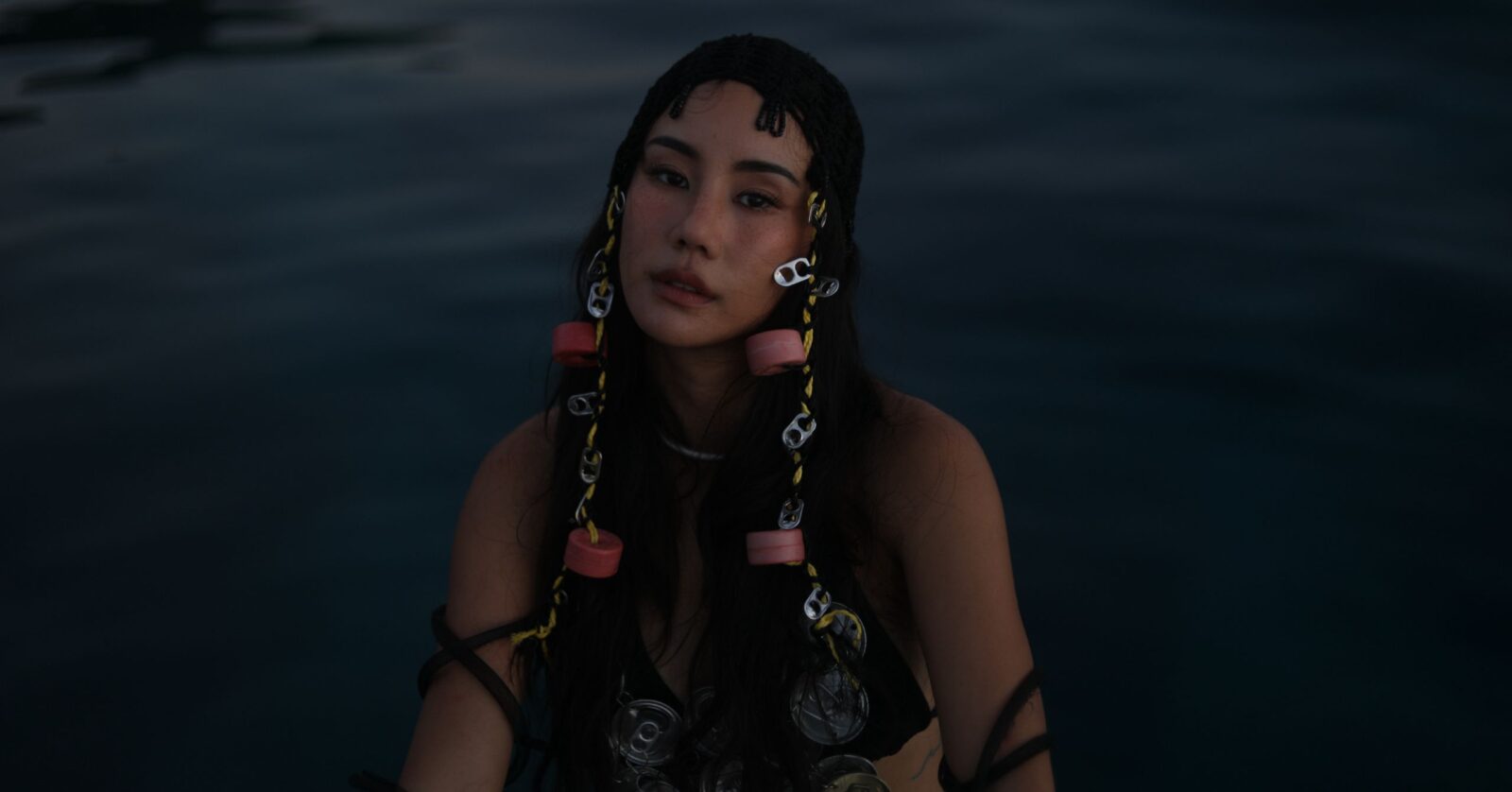
Thai music multi-hyphenate and environmentalist NOTEP (Note Panayanggool) released her latest single “Radio” on April 22, 2026, via Platoon, marking the first signal from her forthcoming EPEPShort for extended play, a collection of songs longer than a single but shorter than a full album, typically containing three to six tracks. Artists use EPs to introduce theirGo to EP Glossary, PAKARANG, which translates to “coral” in Thai.
The release of the ethereal pop track is both intentional and a statement, dropping on Earth Day. “Radio” is about “finding the frequency that was always there. Not discovering something new, remembering something you already carry,” NOTEP explains.
![Portrait of a woman with dark wavy hair and glossy makeup, wearing a white sleeveless top, posing with her hand near her face against a vibrant abstract backdrop] ,](https://assets.billboardphilippines.com/wp-content/uploads/2026/05/notep-feature-landscape-3.jpg)
Courtesy of NOTEP
In a nutshell, the project was born from the understanding that the most radical thing she could do was attune and not resist. The Thai artist draws inspiration from the music of artists like (((O))), Imogen Heap, and AURORA. She utilizes her voice beyond tradition and more as an instrument that paves the way for exploring art and electronic music beyond its natural soundscape — through A/V performances and hybrid DJ sets, and creating immersive, multi-sensory journeys.
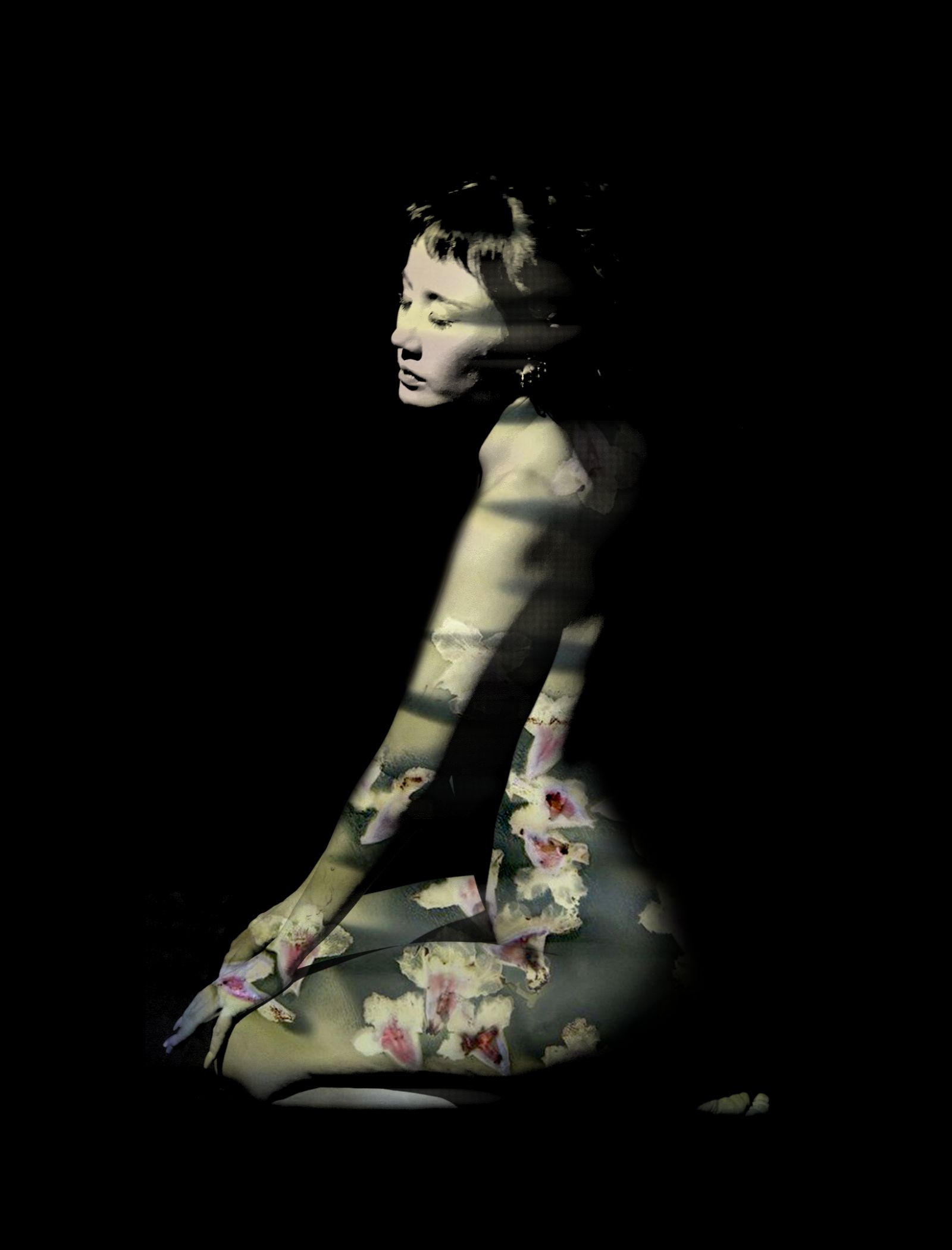
The six-track EPEPShort for extended play, a collection of songs longer than a single but shorter than a full album, typically containing three to six tracks. Artists use EPs to introduce theirGo to EP Glossary explores the parallels between coral reefs, the ocean, and the human body. The project revolves around recognizing that the self and the natural world are not separate after all. A coral acts as the skeleton of the ocean, made from the same minerals that form the human body. It carries memory, strength, and life. And like the body and the self, it does not grow under force but grows through attunement.
Through its foundational elements of ambient textures and ethereal pop, PAKARANG finds its footing in the resilient rhythms of our natural world, inviting everyone to stop fighting the current and start listening to the structure we already carry within us. With this project, NOTEP quietly resists and chooses to move like water.
Courtesy of NOTEP
To continue the conversation about her artistry, Billboard Philippines spoke with NOTEP about her latest single and its artistic and intentional tendencies, as well as her approach to creating art that confronts environmental and ecological realities, while also teasing her upcoming EP, set for release this September.
Billboard Philippines: In April, you released your latest single, “Radio,” which is part of your upcoming EPEPShort for extended play, a collection of songs longer than a single but shorter than a full album, typically containing three to six tracks. Artists use EPs to introduce theirGo to EP Glossary, PAKARANG. What was the first feeling, image, or sound that sparked the track, and what key influences shaped its production? Why did “Radio” feel like the right introduction to the world of your upcoming EP?
NOTEP: The first feeling behind “Radio” came from me confronting my own identity crisis and realizing I was finally ready to move through it instead of avoiding it. Before we started making the track, I asked my collaborator Alex to do a short meditation with me and dip our feet into the pool outside the studio. It sounds simple, but it completely shifted the energy. We both felt calmer and more present afterward.
I then picked four beats that were completely different from each other, but somehow each represented different emotions I had been carrying at the time. From there, everything flowed very naturally. “Radio” was actually finished within just a few hours.
I think it became the right introduction to PAKARANG because it captures the emotional core of the EPEPShort for extended play, a collection of songs longer than a single but shorter than a full album, typically containing three to six tracks. Artists use EPs to introduce theirGo to EP Glossary. It sits between confusion and clarity, chaos and calm. Sonically, it blends electronic textures with a very human, vulnerable feeling, which is something the whole project revolves around.

Courtesy of NOTEP
The music videoMusic VideoA short film that accompanies a song, combining performance, storytelling, and visual style to promote the music. Music videos shape an artist's image, can drive viral success and fan theories,Go to Music Video Glossary for “Radio” feels both artistic and intentional, especially with the use of reclaimed materials and ghost nets. What kind of emotions or reflections did you hope to evoke in viewers?
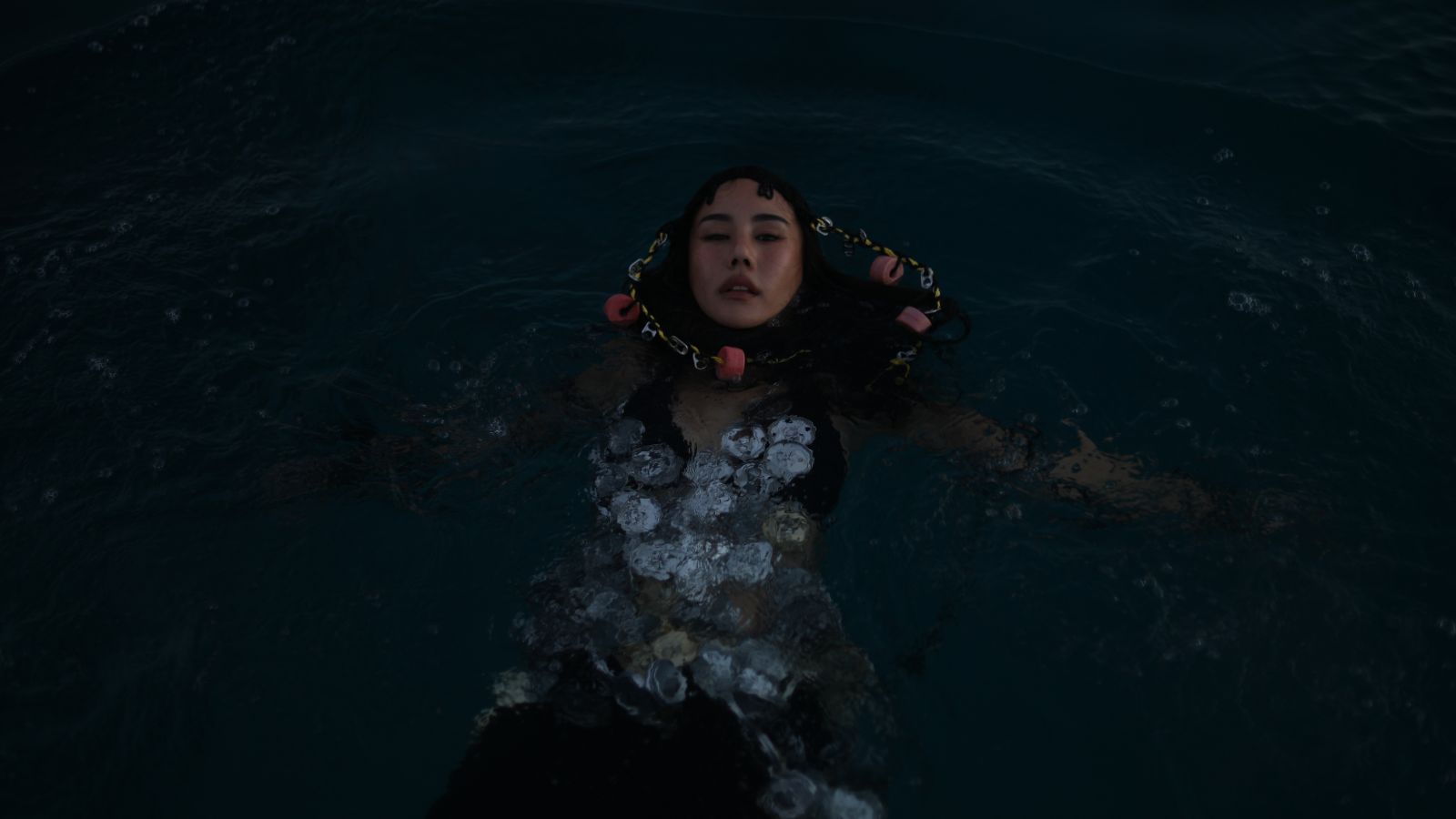
I wanted people to question the idea of what we consider “trash.” A lot of the materials we used, especially the ghost nets, were things that had already been discarded or abandoned. To me, trash is only trash when we stop seeing value or life in it. We can always transform things and give them another purpose.
Koh Tao feels like a second home to me, and seeing the island struggle with waste and ocean pollution for so many years has been heartbreaking. I hoped the video could create a sense of reflection, but also possibility and beauty through reuse and reconnection.
What was it like filming on the open ocean near Koh Tao Island?
Honestly, it felt very natural and peaceful because we know those waters so well. There was a sense of trust and familiarity with the environment, which made the whole process feel very easy and grounding.
“Radio” was released in time for Earth Day. What does environmental activism mean to you personally, both as an artist and as a person?
For me, environmental activism isn’t something separate from my life or art. It’s already embedded in the way I live, create, travel, and make decisions. I think activism can exist in very small everyday actions, but also through storytelling, sound, and creating emotional connections between people and nature.
As an artist, I’m interested in helping people feel connected again, because I believe once we truly feel connected to the earth, we naturally want to protect it.

Courtesy of NOTEP
How do you balance creating beautiful art while also confronting ecological realities?
I don’t think beauty and ecological realities are opposites. Sometimes beauty can actually become the doorway into difficult conversations. I try not to create from fear alone, but from awareness, emotion, and hope. Even when addressing environmental issues, I want the work to leave people feeling more connected, inspired, and emotionally open rather than defeated.
Courtesy of NOTEP
How would you describe the emotional journey listeners can expect across the six tracks of PAKARANG without giving too much away?
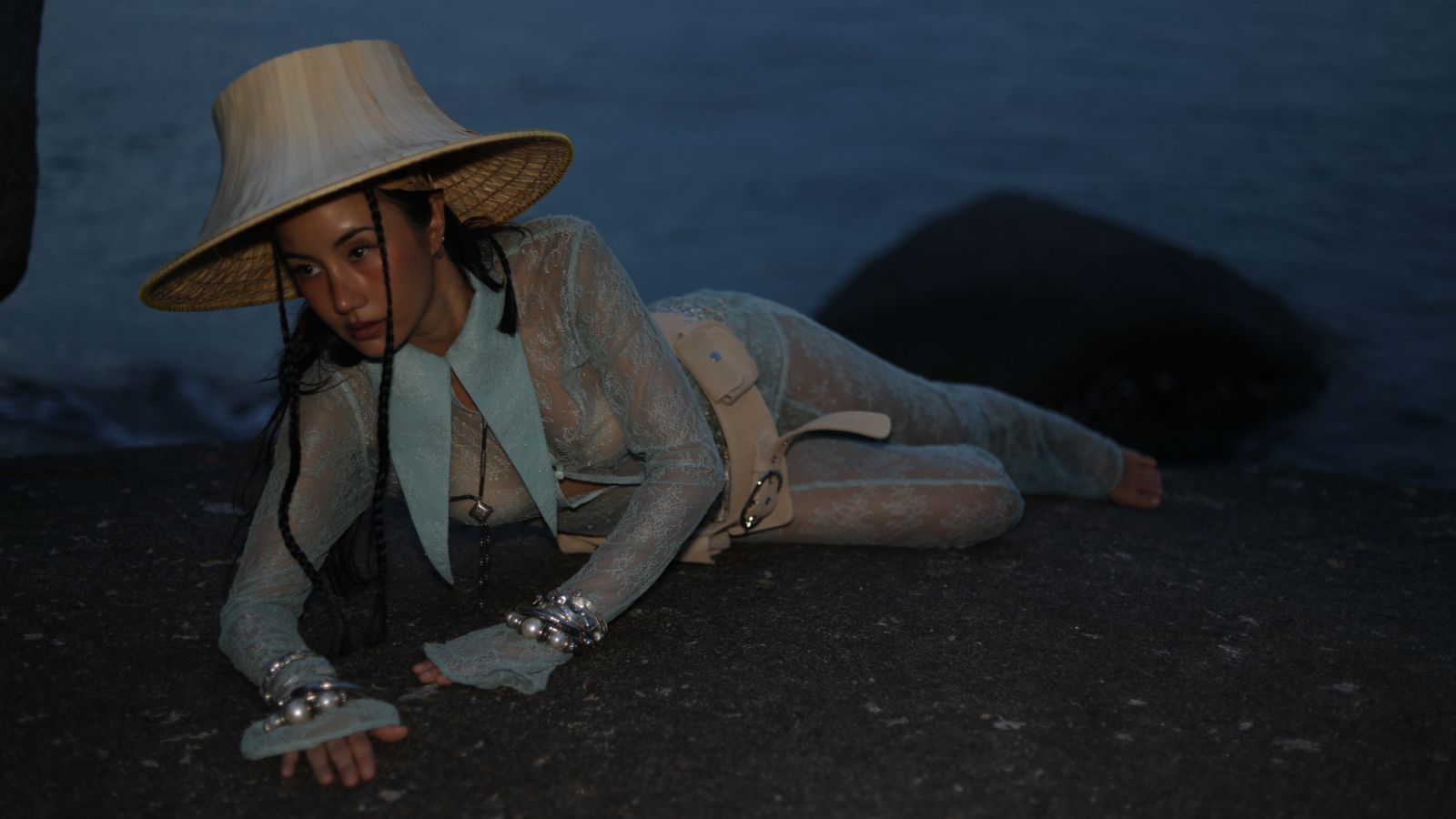
I think the EPEPShort for extended play, a collection of songs longer than a single but shorter than a full album, typically containing three to six tracks. Artists use EPs to introduce theirGo to EP Glossary moves through different emotional states that mirror inner transformation. [Some moments] feel playful, emotional, meditative, uncertain, and deeply grounding. Each track carries a different energy, but together they feel like a journey back to yourself.
Courtesy of NOTEP
What do you hope listeners will feel or carry with them after hearing the EPEPShort for extended play, a collection of songs longer than a single but shorter than a full album, typically containing three to six tracks. Artists use EPs to introduce theirGo to EP Glossary when it comes out in September?
I hope people walk away feeling calmer, softer, and more connected to themselves and the world around them. In Thai, there’s a phrase “JAI YEN,” which means having a cool or calm heart, and I think that feeling sits at the center of the project.
Frequently Asked Questions
PAKARANG — which means “coral” in Thai — is a six-track EP that explores the parallels between coral reefs, the ocean, and the human body. The project is built around the idea that the self and the natural world are not separate, and that like coral, we grow not through force but through attunement. It is set for release in September 2026.
According to NOTEP, “Radio” is about “finding the frequency that was always there — not discovering something new, but remembering something you already carry.” The track was born from her confronting her own identity crisis and was finished within just a few hours after a grounding meditation session with her collaborator.
The Earth Day release was deliberate. For NOTEP, environmental activism is not separate from her art or daily life — it is embedded in how she lives, creates, and makes decisions. Releasing “Radio” on April 22 was an intentional statement that aligns her music with her environmental values.
The music video was filmed near Koh Tao Island and used reclaimed materials, including ghost nets — fishing nets that had already been discarded or abandoned in the ocean. NOTEP wanted to challenge viewers to reconsider what counts as waste, and to show that discarded materials can be transformed and given new purpose.
NOTEP hopes listeners walk away feeling calmer, softer, and more connected to themselves and the world around them. She describes this through the Thai phrase “JAI YEN,” meaning a cool or calm heart, which she says sits at the emotional center of the entire project.