Alex Bruce, Illest Morena, And Zae: How Today’s Femcees Are Entirely In A League Of Their Own
In this exclusive interview with Billboard Philippines, Alex Bruce, Illest Morena, and Zae reflect on unapologetically taking up their rightful space in Philippine hip-hop.




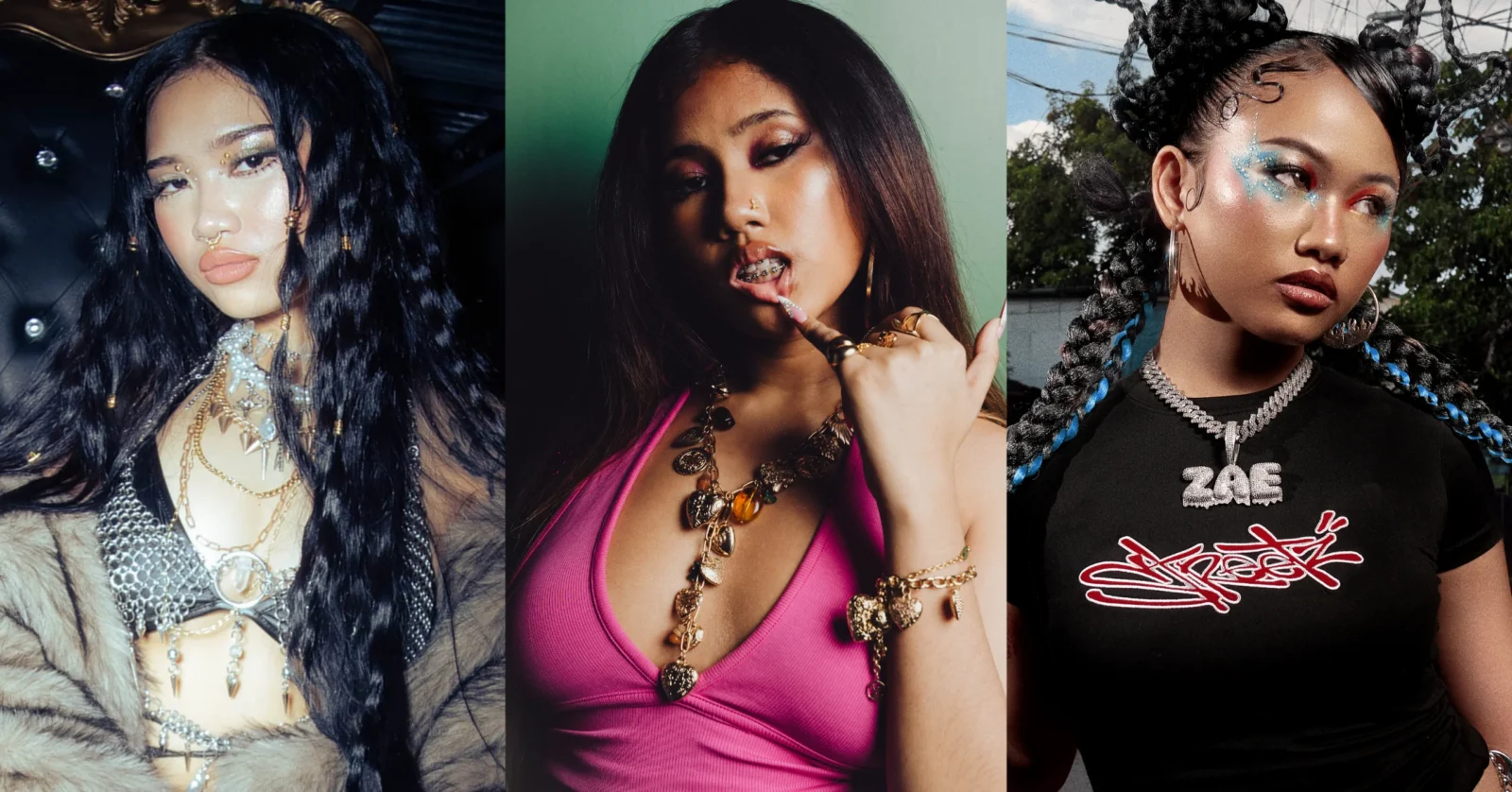
Alex Bruce: Courtesy of Sony Music Philippines. Illest Morena: Courtesy of Believe Music. Zae: Photographed by Kenneth Carreon.
Alex Bruce: Courtesy of Sony Music Philippines.
Three of this generation’s most distinctive voices in the Philippine hip-hopHip-HopA cultural movement and music genre that began in the Bronx in the 1970s, built on rapping, DJing, beatmaking, and sampling. Hip-hop has a strong Filipino scene, with artists writingGo to Hip-Hop Glossary scene — Alex Bruce, Illest Morena, and Zae — each possess a talent and penmanship that hold their own among their peers, and in many ways, surpass them.
Hailing from their respective cities and emerging from different backgrounds, these three rappers may each express their own stories and advocacies, but together, they represent a new class of femcees who are in a league of their own within a predominantly male industry.
In an exclusive interview with Billboard Philippines, today’s most compelling rap artists reflect on their early beginnings in the local music scene, the evolution of their individual crafts, and how femininity can become an edge, especially within a system determined to convince them otherwise.
Introducing The Femcees
Entering a system rooted in favor of its male population, I understand the need to distinguish these talented women in their own category, but not for the reason most instinctively think of. After my conversations with the young emcees, I realized that the distinction did not have to limit them to their gender.
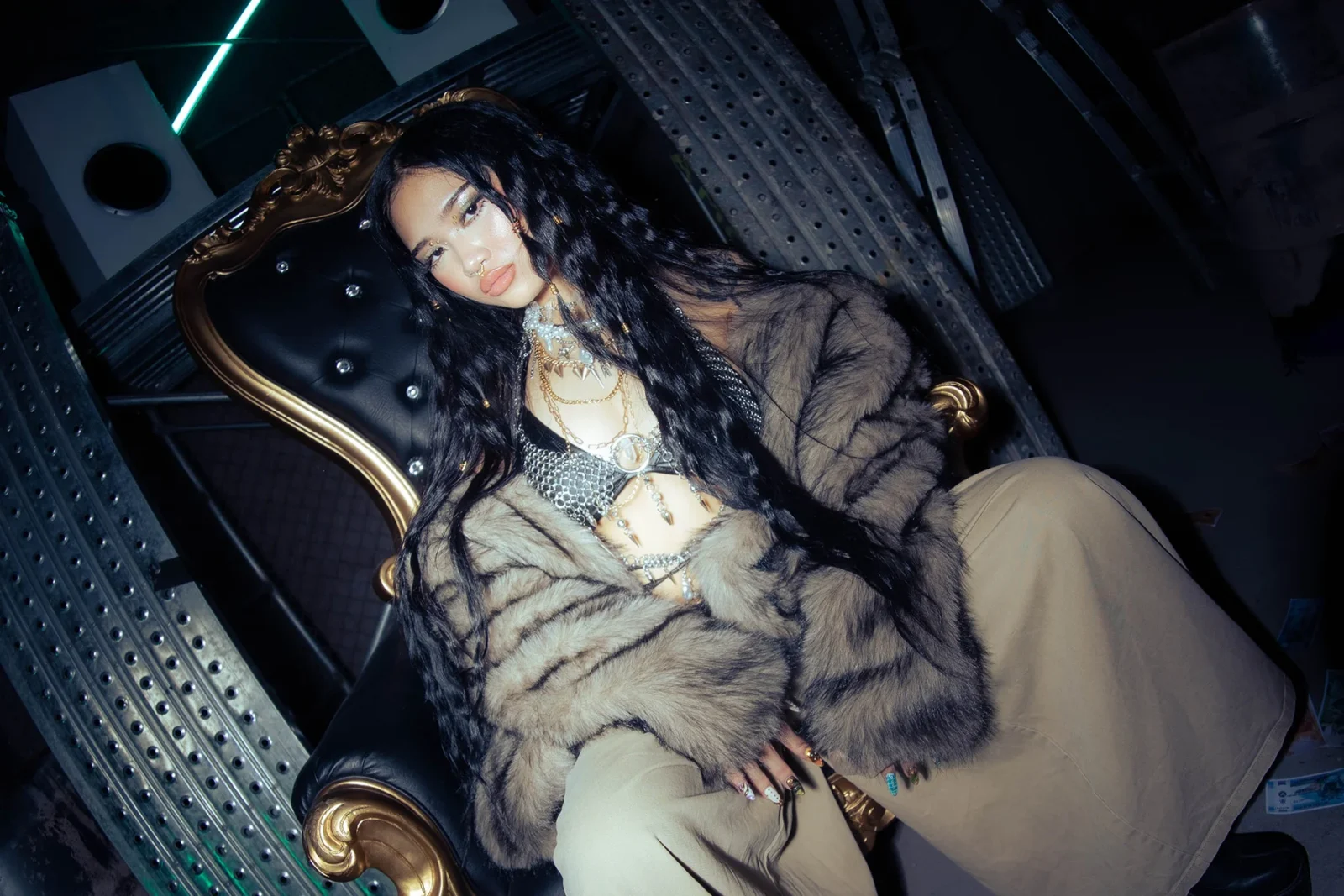
Alex Bruce: Courtesy of Sony Music Philippines.
For 19-year-old Thursten Alex De Villa Bruce, who broke into the music scene at 12 years old armed with nothing but her “Mind As a Weapon,” she was already familiar with the industry from childhood. Her father, who was part of a rapcore group, would bring her to gigs, immersing her in music from an early age. Even as one of the youngest known rap artist in the country right now, she sees how unnecessary the categorization of women in rap is, having viewed herself simply as an “emcee” from the jump.
“Honestly, noong una pa lang akong nagsisimula (when I was still starting out), I just saw myself as a rapper talaga kasi (because) being a woman is already part of who I am. I just let the music speak for itself,” she states. On being called a “femcee,” she tells Billboard Philippines, “I mean, it’s chill. It’s fine if you use femcee as a term to celebrate women.”
Since the genre’s inception in the 1970s, hip-hop’s most talented women have been referred to by the media and the public as “female emcees” or “femcees,” separate from the male emcees who were not allotted the same specificity or deliberate distinction. Even while founded in response to social injustices and discrimination faced by marginalized communities, division still wormed its way into the genre, perpetuating misogyny and stereotypes, especially for the women in the scene.
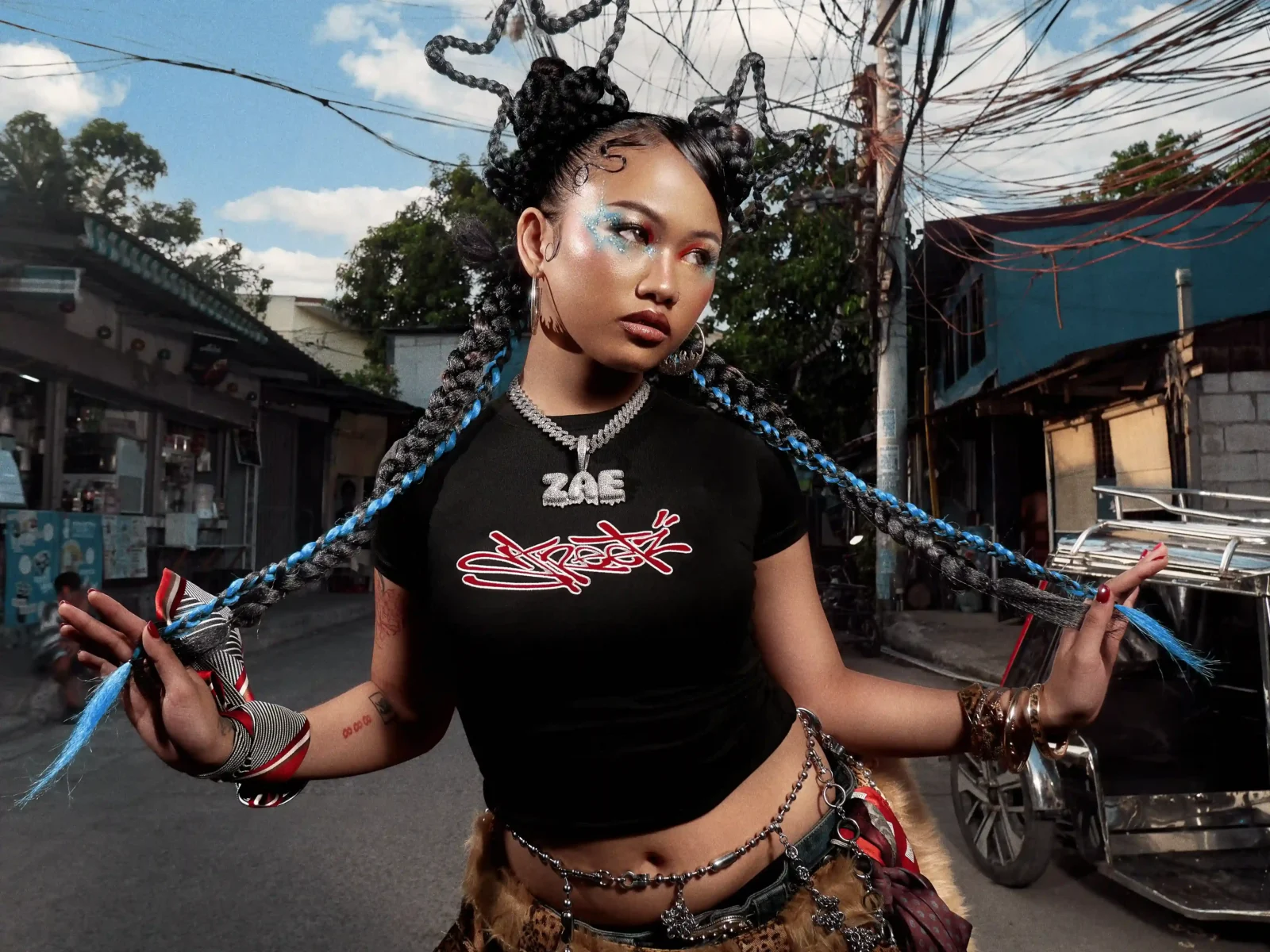
Zae: Photographed by Kenneth Carreon.
“At first, naka-categorize ko talaga yung sarili ko (I categorized myself) as a ‘female rapper’ because that’s all the articles were saying about me,” according to hip-hopHip-HopA cultural movement and music genre that began in the Bronx in the 1970s, built on rapping, DJing, beatmaking, and sampling. Hip-hop has a strong Filipino scene, with artists writingGo to Hip-Hop Glossary and trap artist Zae Zacarias. Transitioning from her early background in hip-hop dance competitions, the 25-year-old rapper gained recognition through laying down her poetry over a beat, sharing it online, and instantly going viral, especially with her breakout hit song, “Serve.”
Now considered as one of the best rappers of this generation, her perspective has changed majorly. “Do you say female doctor if the doctor is female? No, it’s just a doctor. It’s the same thing as a rapper,” she declares. “The term ‘femcee,’ specific lang siya na tawag sa (it’s a specific title for a) female rapper. But, really, you’re just a rapper. You’re just a poet.”
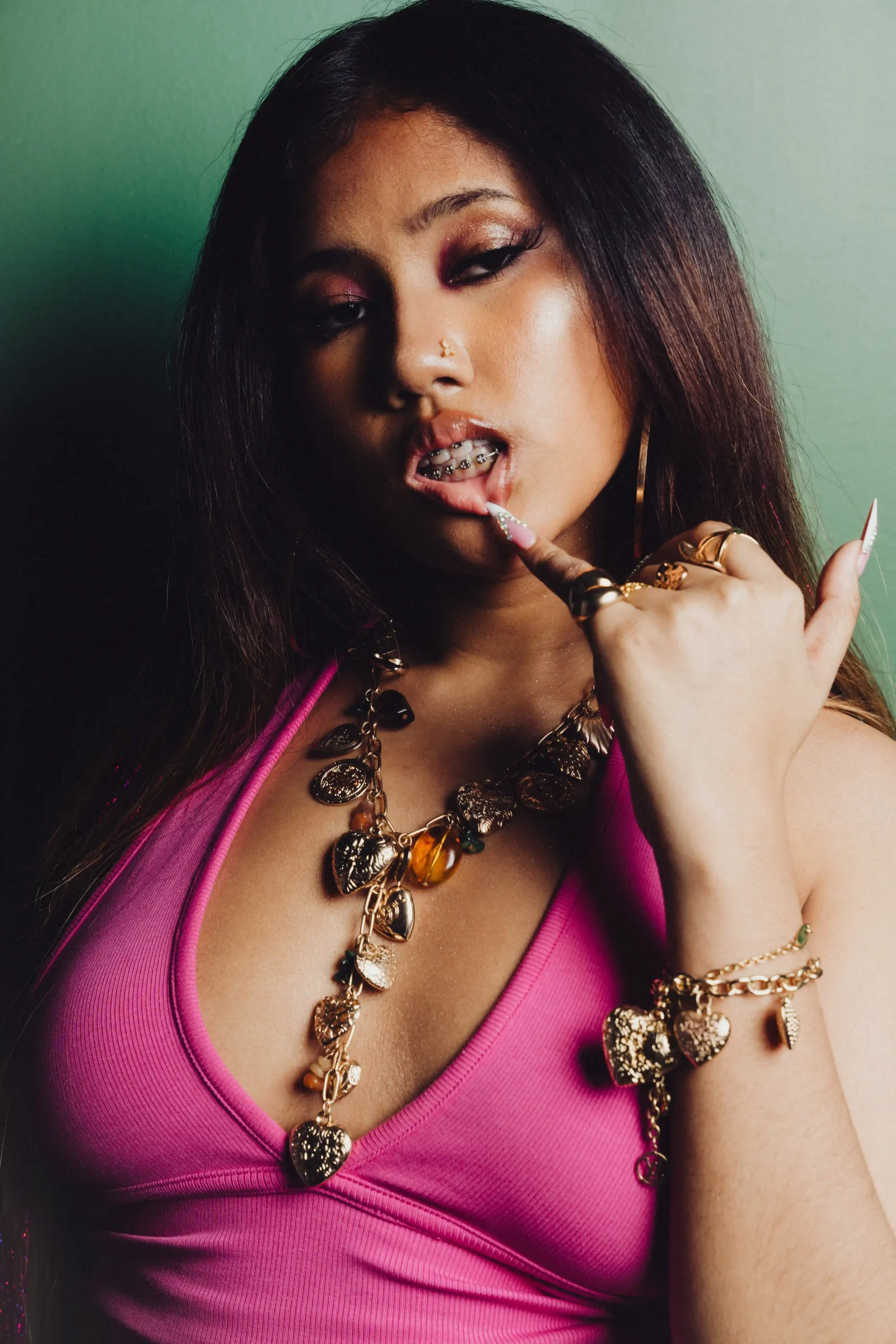
Illest Morena: Courtesy of Believe Music.
Venturing into rap from Mandaluyong City, Angelica Pola Layague — more commonly referred to as Illest Morena — experienced a similar struggle with being categorized. Best known for blending multiple genres, from hip-hop and R&B to pop, in her work, the 24-year-old emcee shared, “I guess nung nagsisimula ako (when I was starting out), I was always being underestimated. People would make me feel like I will always be number two because the priority are these male rappers that are charting.”
“And then, I feel like there’s this stereotype na porke’t female rapper ako, some media outlets brand me as an R&B artist. They don’t acknowledge me being a rapper. Mas [R&B artist] ‘yung tingin nila sa akin (I was seen more as an R&B artist),” she continues. But, using the comparisons and stereotypes as motivation, she has grown since 2020, from having fun with posting verses on social media to recording tracks that have amassed millions of streams, including “Faded (Raw),” “Lagabog,” “Slow Burn,” and more.
The Mandaluyong City-based rapper further emphasizes, “In terms of talent and pen skills, I feel like napapantayan naming mga female rappers ‘yung mga male counterparts namin (we female rappers equal our male counterparts) and I’m very confident about that.”
Reclaiming The Term “Femcee”
Before coining the terms emcee and femcee to refer to rappers, hip-hopHip-HopA cultural movement and music genre that began in the Bronx in the 1970s, built on rapping, DJing, beatmaking, and sampling. Hip-hop has a strong Filipino scene, with artists writingGo to Hip-Hop Glossary began as a movement in the United States. A social response amid a system built against minorities. Celebrating its many forms — from deejaying, rapping, graffiti, and b-boying, it became a way for the oppressed to protest against the injustices they faced using music, art, and dance.
Half a century later, the women who carved out their space in this field stand alone as a subculture fighting a similar divide from the one this genre was birthed from. The very same issues that the movement loudly spoke out against. Who better represents this inherently subversive genre than those considered a subcategory climbing their way to the top of its predominantly male ecosystem? Objectified in songs by male emcees and subjected to higher standards by the public, femcees frankly hustle twice as hard just to have a place at the table.
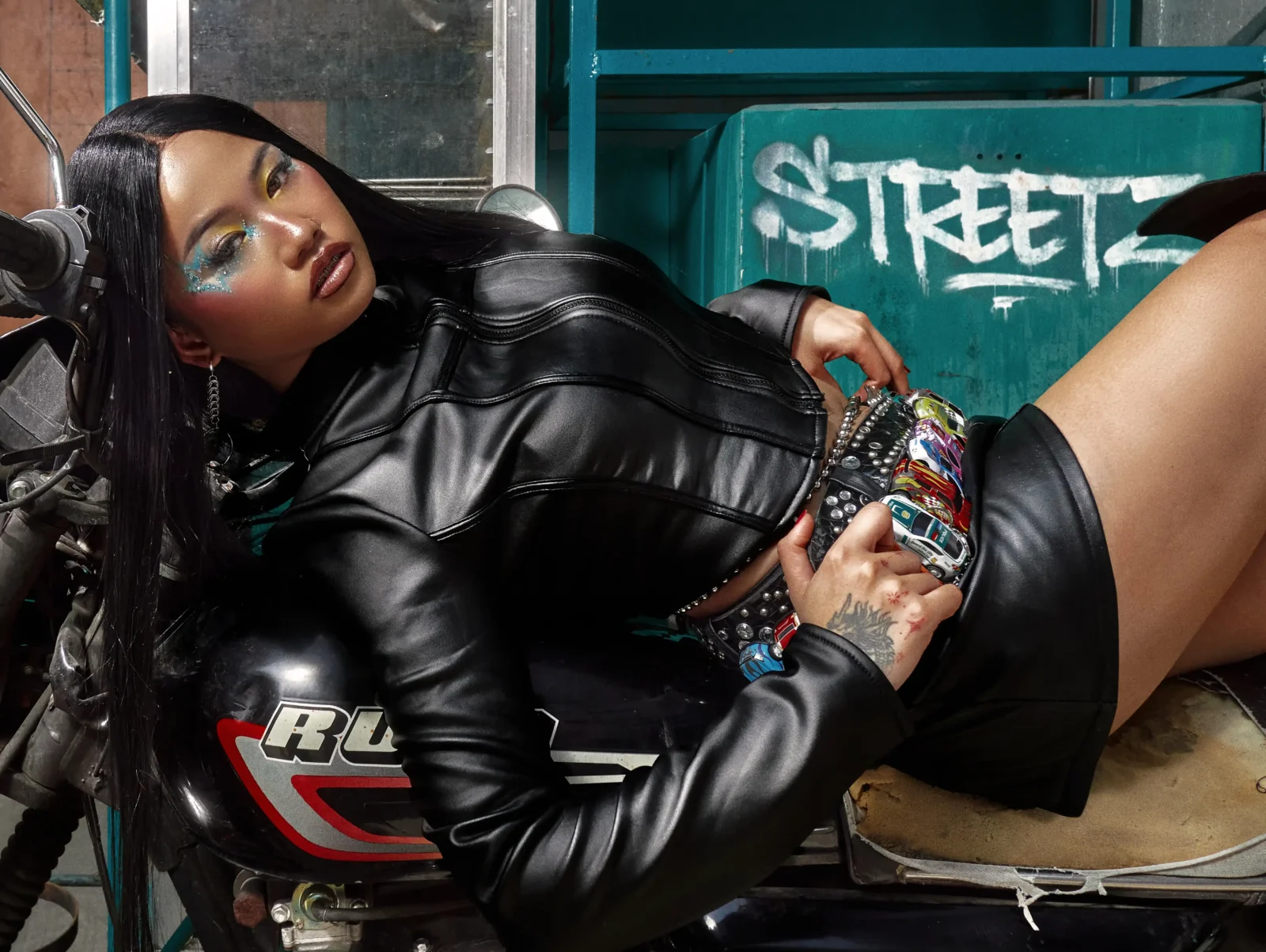
Zae: Photographed by Kenneth Carreon.
“You have to show up dressed up with the perfect hair, perfect makeup, perfect outfit. ‘Cause people are fucking brutal on the internet. Sobrang brutal nila sa mga babae manghusga with appearances (They’re brutal when judging women based on their appearances),” Zae candidly shared, noting how their male peers could simply show up to major shows in shirts and not just let slide, but praised. “I feel like female rappers have to work twice as hard to have a place in this industry — to establish yourselves in it, for [the public] to respect you. Just because you’re a woman.”
Mirroring her sentiment, Illest admits there is a constant comparison between the two genders in the hip-hopHip-HopA cultural movement and music genre that began in the Bronx in the 1970s, built on rapping, DJing, beatmaking, and sampling. Hip-hop has a strong Filipino scene, with artists writingGo to Hip-Hop Glossary scene, saying, “I get [it]. Pero, it sucks to feel small in a world where you feel like you could be bigger than something.” Meanwhile, Bruce looks to break out of the box, of the constant pressure to prove herself as equal. “I realized na ayokong i-spend ‘yung buong career ko (that I don’t want to spend my entire career) trying to prove that I belong. Mas gusto ko na lang to (I would rather) do my own thing.”
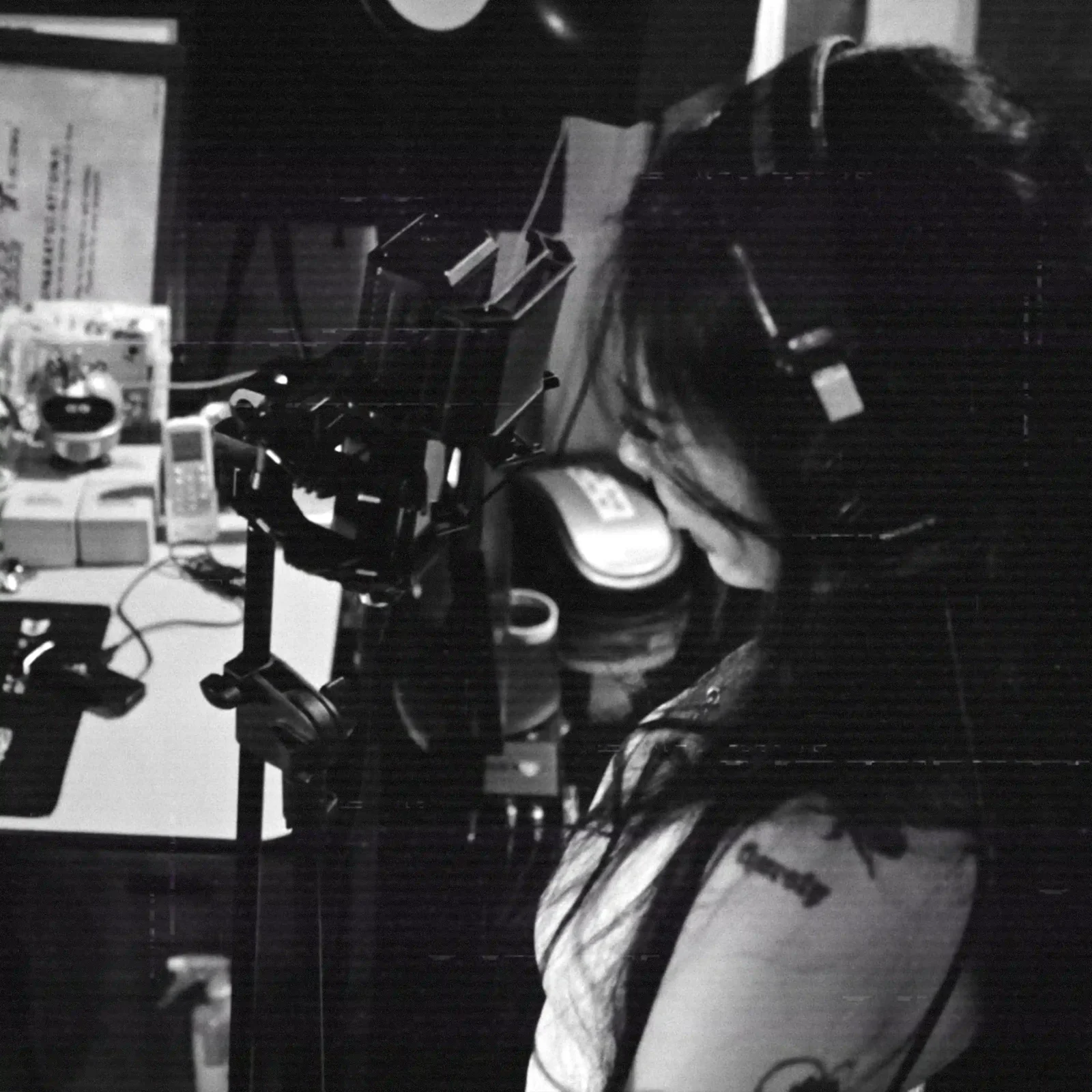
Alex Bruce: Courtesy of Sony Music Philippines.
Evident in her discographyDiscographyThe complete collection of an artist's recorded works, including albums, singles, EPs, and collaborations, usually arranged in order of release. A discography charts creative growth over time, and critics andGo to Discography Glossary, Bruce is unapologetic in her identity, especially in her femininity. Even more so with her latest release, “Gabriela,” a track she describes as showing her growth. Released as part of the 2025 film Bilyarista, the empowering single serves as a statement, according to the young emcee. She explains, “It’s an anthem, lalo na (especially) for women. Sana (Hopefully) when you listen to the song, you feel more confident in your own skin.” With feisty verses, it emanates an alpha-female energy, dedicated to women who have been continuously wronged by the system.
Also with her own evolved approach to her craft, a more confident Illest shared how her latest release, “i dont wanna wake you up,” came in response to the unsolicited comments about her weight, admitting, “Hindi siya madali (It’s not easy), as a woman, to hear all those words and internalize all those comments that I’ve been receiving. But in turn, I was able to harness my energy and create more art that’s more empowered. Mas may pinaglalaban kumpara sa mga art ko before (It’s fighting for something more than my previous art).”
She adds, “I feel like I was able to embrace my femininity more this time around,” comparing the new single to when she first started in the scene. “Lagi kasing parang mas strong ‘yung masculine and assertive energy sa sound ko before (The masculine and assertive energy was stronger in my sound before). But now, it’s very pink, blue, yellow. Very girly, very colorful, sparkles, bling, everything, all that.”
Meanwhile, with her sights set on building her own legacy, Zae describes her 2026 STREETZ MIXTAPE as “a step foot forward towards legacy building.” Wanting the mixtapeMixtapeAn informal collection of original songs, traditionally associated with hip-hop, released free online or independently to showcase an artist's talent. Mixtapes allow rappers and singers to experiment and build audiences,Go to Mixtape Glossary to be a source of inspiration and a reference for future generation of rappers, the 25-year-old emcee explains, “I’m just hoping that one day, merong isang rapper na hindi niya pa sure kung anong gusto niyang gawin (there would be a rapper who hasn’t found their sound) and they happen to find the mixtape. They listen to a track. It sparks something in them and makes them choose to fucking do it. Bet on themselves.”
Likened to a cat roaming the streets, finding food where available, Zae tells Billboard Philippines, “That’s why it’s like, ‘streetz.”’ That’s why ganun ‘yung title (the title is what it is). It’s all about the hustle, grit, and grind of it all and I have so much hustle, grit, and grind.”
A League Of Their Own
Femcees, in their own right. Not in any way confining them within a term wherein they are not treated as equal contenders, separated from their male counterparts, or pitted against each other and subjected to unrealistic standards, but instead, recognizing and empowering a talent and strength that only women can bring to an uneven table tilted generously to the opposite side.
Carving out their own space, the three rappers have established themselves in the industry despite all of it, exploring their femininity through their respective hits and representing the resilience of women advancing in a male-dominated scene. Anchored by a strong list of fellow female artists, these hip-hopHip-HopA cultural movement and music genre that began in the Bronx in the 1970s, built on rapping, DJing, beatmaking, and sampling. Hip-hop has a strong Filipino scene, with artists writingGo to Hip-Hop Glossary girlies owe much of their drive to the women they look up to. From international artists like Nicki Minaj, Missy Elliot, Megan Thee Stallion, and Doja Cat to fellow Filipino acts and peers Ruby Ibarra, DEMI, and DENȲ — even well beyond the hip-hop industry — women are subjected to the same rigged systems, each finding their own ways to challenge it, whether by embracing their femininity, evolving their craft, or simply knowing the worth they bring to the table.
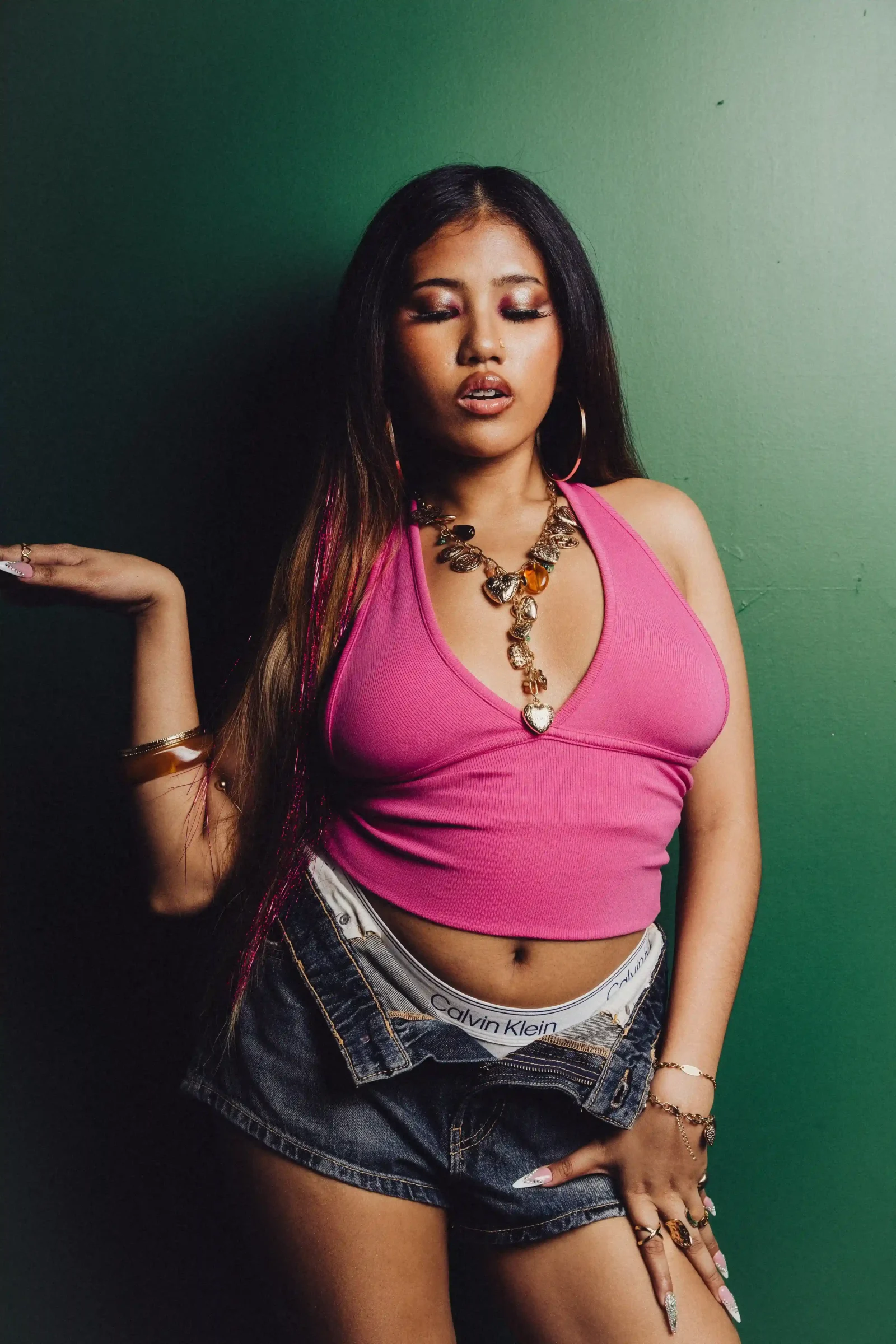
Illest Morena: Courtesy of Believe Music.
Illest Morena finds empowerment in being recognized as a femcee, “But, I feel happy being branded as one of the top female rappers in the Philippines. I’m happy that ‘yung term na femcee, it’s sort of empowering. I feel happy that I’m being called a femcee and a female rapper because I represent my femininity and me being a woman.”
Maybe, on Alex Bruce’s end — as one of the youngest rappers in this current hip-hop scene — it means growth. She says, “I’m still learning, still growing. ‘Yun lang talaga ‘yung ginagawa ko (That’s really what I’m doing) right now. Learning and growing, and growing and learning.”
With Zae, it’s knowing her worth. On navigating life as a female artist in a predominantly male space, she says with her whole chest, “I know what I bring to the table. I know the feminine energy na ambag ko sa (that I contribute to) hip-hopHip-HopA cultural movement and music genre that began in the Bronx in the 1970s, built on rapping, DJing, beatmaking, and sampling. Hip-hop has a strong Filipino scene, with artists writingGo to Hip-Hop Glossary industry and it’s something that could only come from a woman.”
Frequently Asked Questions
“Femcee” describes a female rapper, a term historically used to separate women from male emcees in hip-hop. Alex Bruce, Illest Morena, and Zae have reclaimed it as an empowering title reflecting their artistry and femininity within Philippine hip-hop.
Alex Bruce, 19, began rapping at 12 through her father’s rapcore background. Illest Morena, 24, blends hip-hop with R&B and pop from Mandaluyong City. Zae Zacarias, 25, transitioned from dance competitions to viral rap success with her hit “Serve.”
Alex Bruce, Illest Morena, and Zae describe femininity as an asset rather than a limitation, drawing confidence from their identity as women. Each channels this into music, from empowerment anthems to feminine aesthetics, challenging hip-hop’s male-dominated standards.
Zae’s 2026 STREETZ MIXTAPE is a legacy-building project meant to inspire future rappers still finding their sound. She describes it as reflecting the hustle, grit, and grind behind her career, hoping listeners find the confidence to pursue music.
“Gabriela” is Alex Bruce’s 2025 single released as part of the film Bilyarista, described as an empowerment anthem for women. The track carries feisty verses and alpha-female energy, dedicated to women who have been continuously wronged by systemic inequality.