
Wolfgang On Reigniting The Fire And Building Their Legacy
Ahead of their sold-out reunion concert, the Filipino hard rock legends discuss their legacy, rerecording their debut, unfinished business, and why Pinoy rock still needs danger.




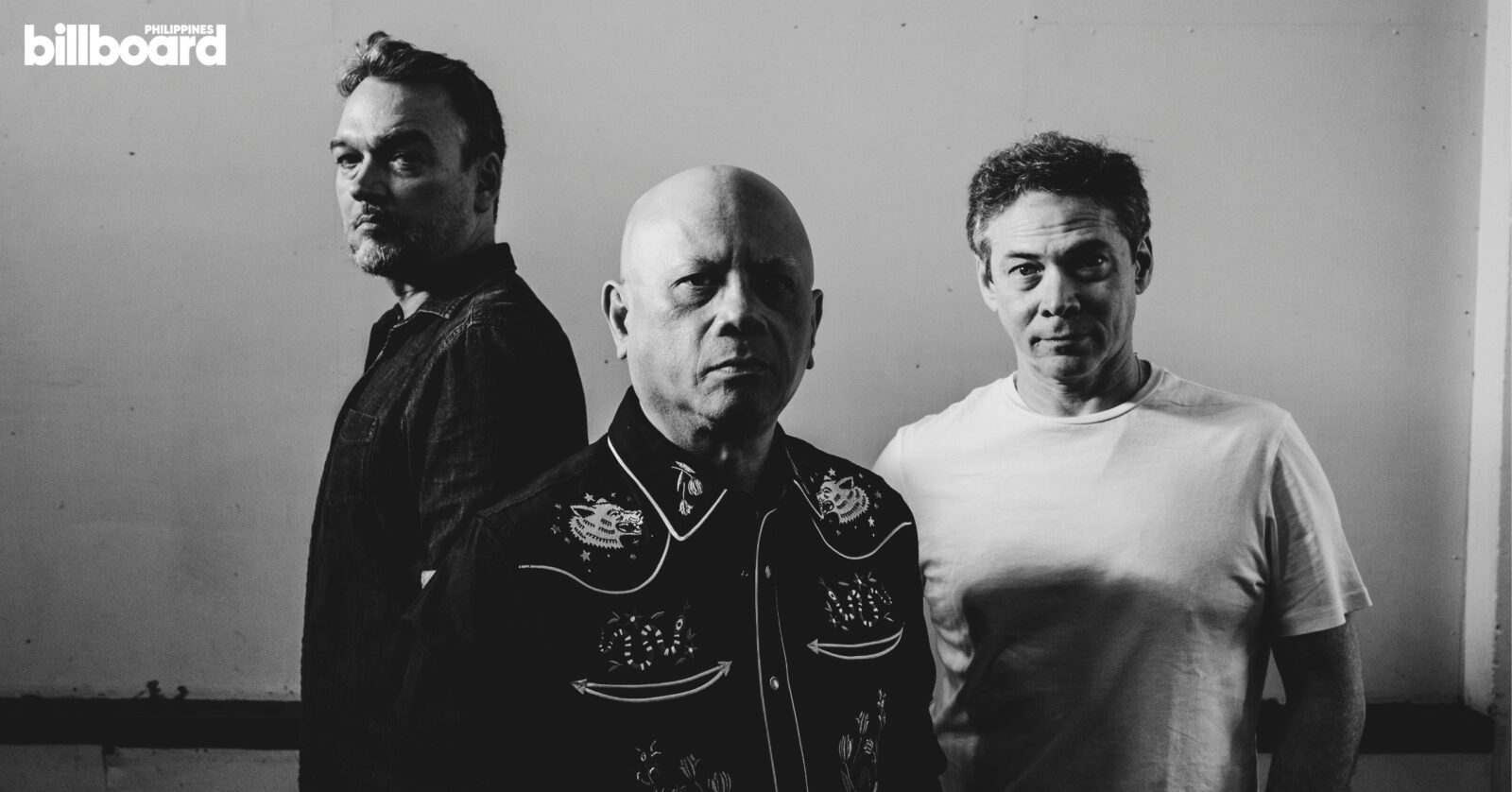
Wolfgang, photographed by Ed Simon.
Wolfgang, photographed by Ed Simon.
On a Wednesday afternoon in early February, just days before Wolfgang would walk onto the New Frontier Theater stage and perform what would become a sold-out reunion show, the band was gathered in rehearsal — older, looser, fully aware of what February 7 would mean.
At that point, nothing had happened yet. No wigs. No thunderous opener. No poignant tributes. Just amps, muscle memory, and the quiet weight of three decades.
“I, for one, am excited,” Manuel Legarda said, still cradling his guitar after hours of getting their set right. “Rehearsals have been sounding good. It’s great to revisit these songs in their original forms and see how to approach it now, 30 years later.”
Drummer Wolf Gemora, back behind the kit after migrating to the US in 2002, was equally direct: “I’m excited about the show. I haven’t played these songs in 25 years with these guys at least. So I’m really excited. The rehearsals are really good. This is the last one and I think we’re really tight for the show.”
They were right.
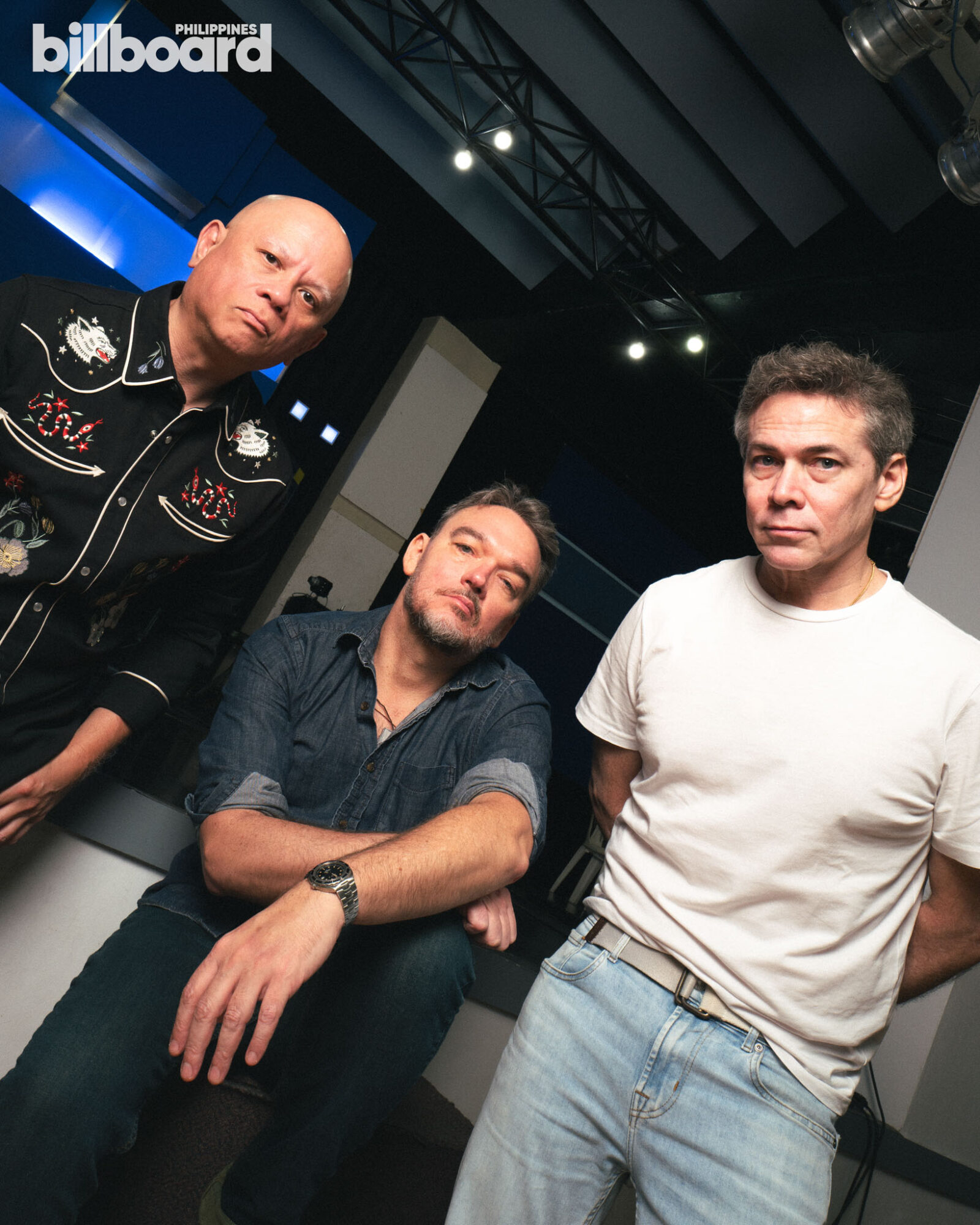
Wolfgang, photographed by Ed Simon.
By the time February 7 arrived, the band ripped through 21 songs spanning their catalog, performed every track from their 1995 self-titled debut, honored late bandmate Mon Legaspi as well as Razorback’s Brian Velasco, and reminded an entire generation — along with their children — what dangerous, high-caliber Filipino hard rock sounds like in a room built for it. The show landed with force. The legacy held. The songs roared back to life.
Months before Legarda, Gemora, and vocalist Basti Artadi were in the same room again, the focus was elsewhere — the record that started it all.
In 2025, Wolfgang marked 30 years of their self-titled debut with Wolfgang 30, a rerecorded version born partly out of frustration, partly out of unfinished business.
“For me, it’s the timeliness of the songs,” Artadi said. “They still sound good even if it’s 2025. I might be biased, but the songs hold up. I think that’s a good accomplishment for us.”
Gemora agreed. “When you listen to Wolfgang 30, then you can really tell that these songs are going to last forever. It still hits until now.”
“Personally, I’m really surprised that we came up with all of these songs,” the drummer added, with equal parts of amazement and pride. Revisiting them decades later — and rerecording them with more experience — sharpened that realization.
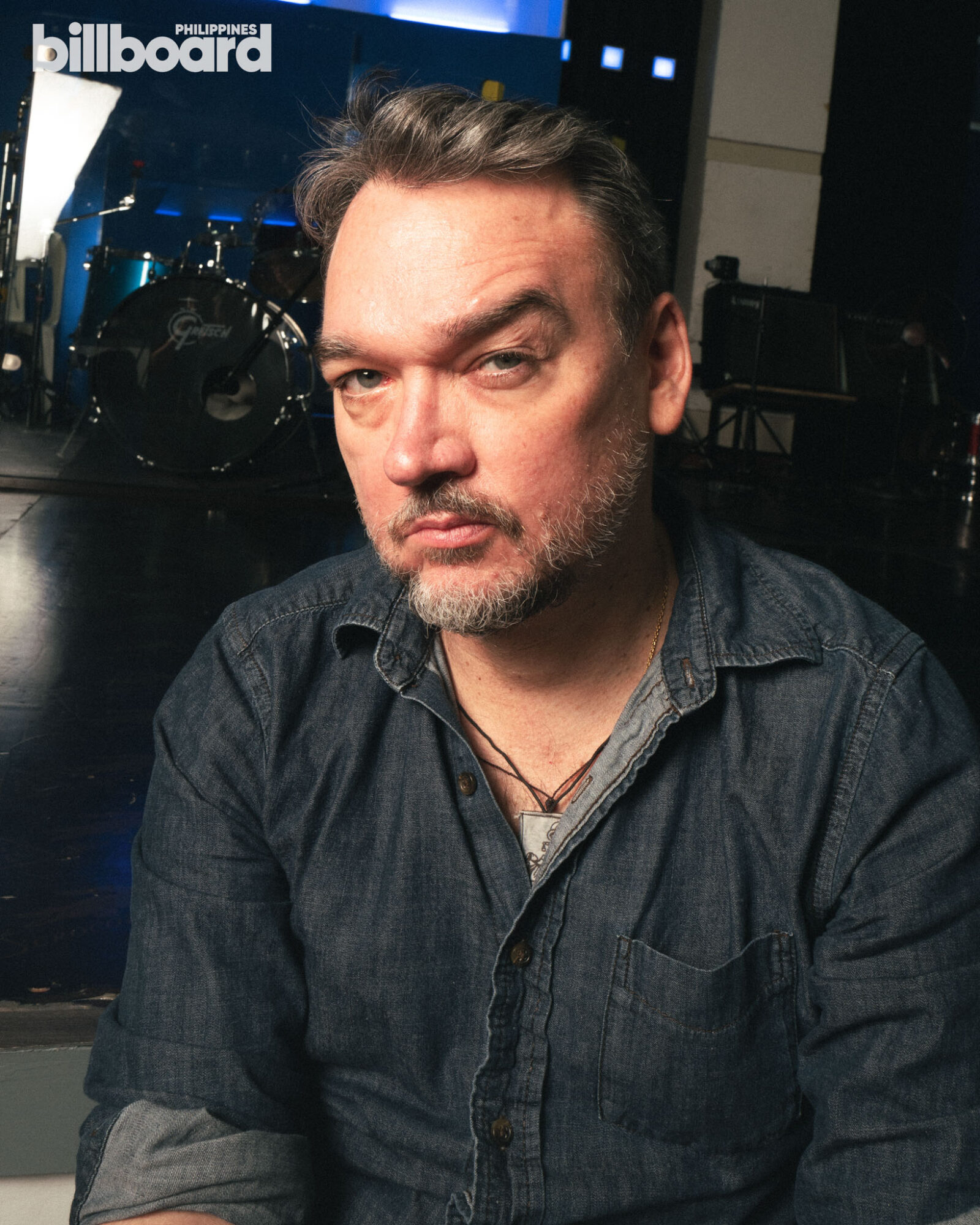
Basti Artadi, photographed by Ed Simon.
Legarda was more surgical. The original 1995 recording carried its own mythology — and its compromises.
“The original recording, for whatever it was, it was what it was,” he said. “At the time, we were super excited to do it. But as the years passed, I’ve recognized where we fell short in certain areas, in terms of the production. And those are things that I’ve been wanting to address.”
He didn’t sugarcoat it. “When I would hear the original recording, there are moments where I kind of cringe. And 30 years later, I’ve learned to address those cringe moments. Maybe in five years, I’ll hear more cringe moments in the rerecording. But for now, for me, it’s a step above.”
The push to redo the album came after an attempt to remix the original tapes.
“With the whole vinyl revival, we approached the record label,” Artadi recalled. “We asked, ‘Hey, do you still have the tapes?’ They sent me a picture — ‘Yeah, we do.’ So I was like, ‘Oh, great.’”
Legarda’s intention was clear: “I wanted to remix [the album] — do it properly, from the ground up.”
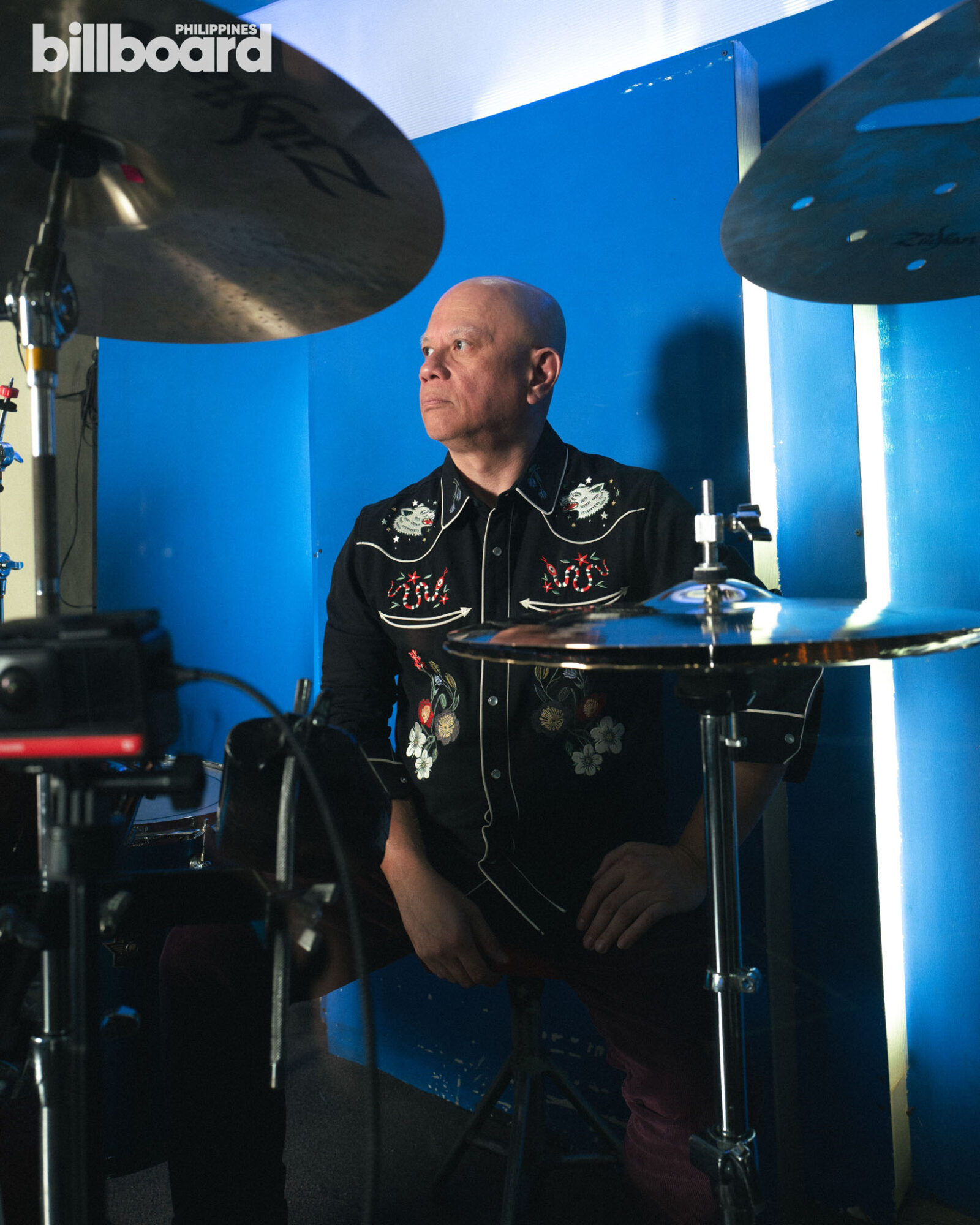
Wolf Gemora, photographed by Ed Simon.
What happened next became the catalyst. “They slammed the door in our face, and then they released [the vinyl] on their own,” continued Artadi. “So that brought it on. We were like, ‘Fine, we’ll just do it ourselves.’ We’re gonna Taylor Swift it, man. We’re gonna take all the albums and rerecord all of them.”
That defiance carried into the reunion.
Asked what mode Wolfgang was in heading into February 7 — nostalgia, relevance, or unfinished business — Gemora framed it as something transitional.
“I think it’s part nostalgia, but it’s also a starting point to the future,” he explained. “Because there’s going to be a lot of kids at the show. A lot of our fans [will bring] their kids and they want their kids to experience the band that they grew up with. It’s for us to give these kids their first rock experience.”
That generational handoff was visible at New Frontier Theater: parents with teenagers in tow, thirty- and forty-somethings screaming lyrics they first learned in high school, younger fans seeing the Wolf Gemora version of the band live for the first time.
“Well, we’re the ones who wrote the music,” the drummer added. “Of course, Mon is not here anymore, but his spirit is here for sure. I think it takes the four — well now, the three — energies to combine and play this music the way it’s supposed to be played.”
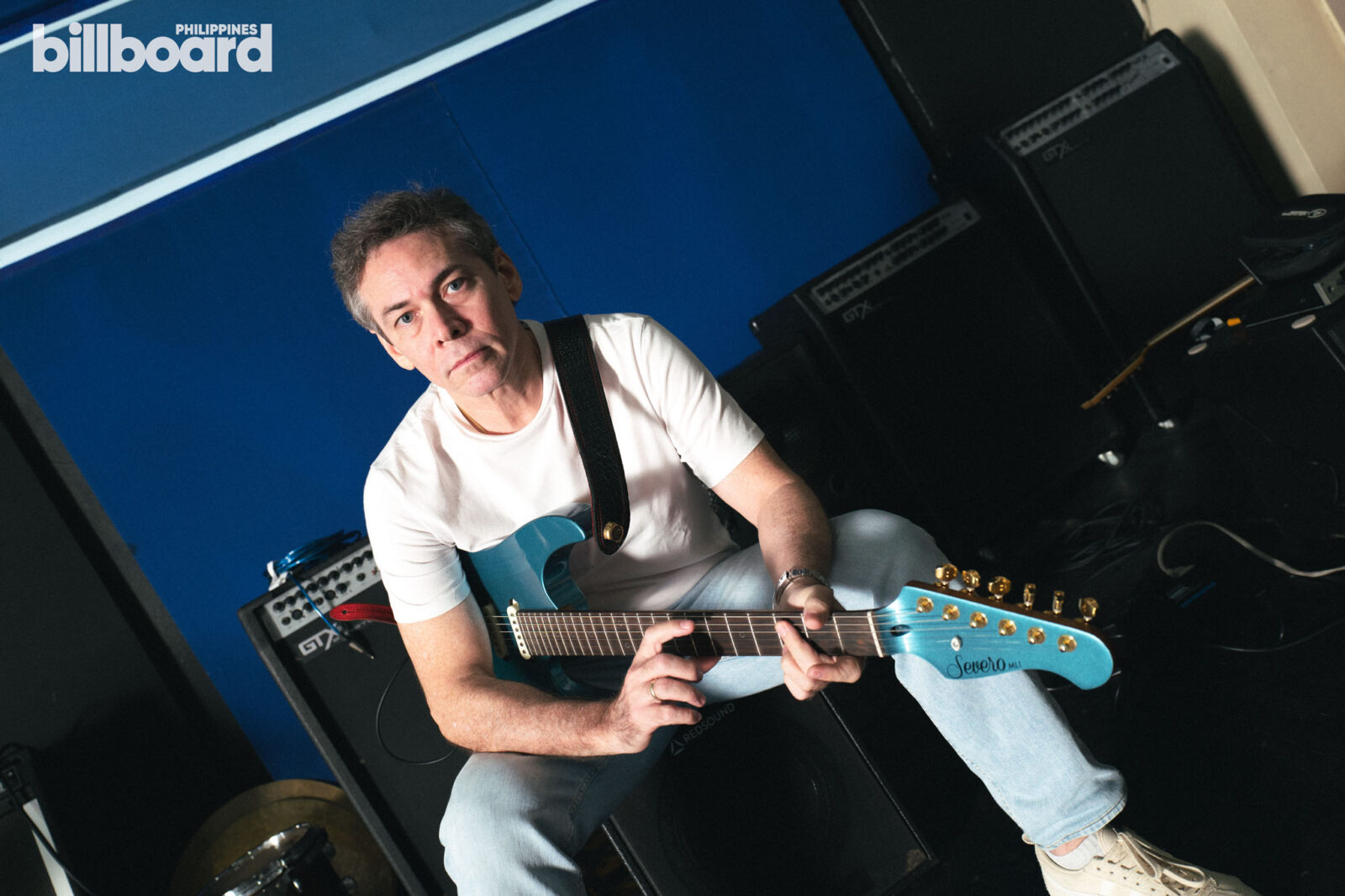
Manuel Legarda, photographed by Ed Simon.
The decision to reunite, though, was less sentimental.
“Well, that’s because of our agent,” Gemora admitted. “He’s really the one who put everything together. If any one of us proposed to do this, the other two would ask, ‘Guys, how are we going to do it? How are we going to pay for it?’ We don’t really have the resources. But our agent has the resources. So when he came up with the plan, it was easy for me to say yes.”
Legarda saw timing at work. “With the 30th anniversary, I think there was interest drummed up with the vinyl release… maybe there’s been some rumbling for Wolfgang. The idea was presented to me and I went on board. Why not?”
Artadi shrugged. “It was just as simple as Frey (Zambrano of FSZ Entertainment) asking if we wanted to do it, [and] we all just said yes. Simple as that.”
Simple on paper. Monumental in execution.
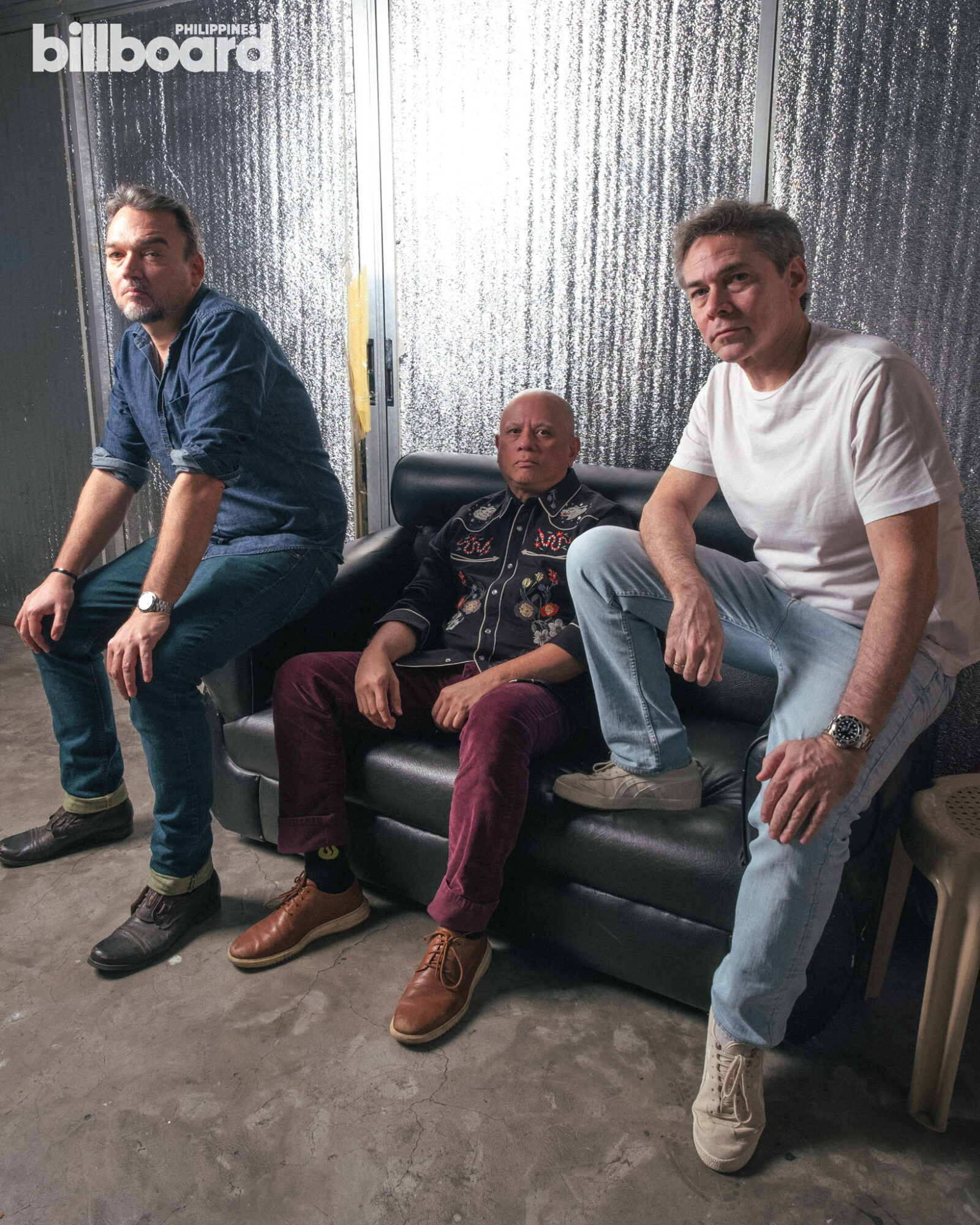
Wolfgang, photographed by Ed Simon.
When conversation turned to today’s rock scene, their answers sharpened.
“They’re not dangerous,” Gemora said plainly. “They’re kind of safe. Rock and roll is not supposed to be safe. It’s supposed to push the buttons of the older generation. Whatever it is you want to do, just do it — [with] a little more edge.” He and Legarda singled out bands they felt were still pushing “really good rock and roll,” including Gin Rum and Truth, and Cagayan de Oro’s Cyber Band.
“You know when we would perform, every show it was like we were on the edge of a cliff… every show still felt like we could collapse at any moment,” added Artadi. “That was what kept us thriving. Nowadays, I don’t see that in a lot of bands.”
On February 7, Wolfgang stepped back onto that edge. “Natutulog Kong Mundo” hit like a warning shot. “Halik Ni Hudas” and “Mata Ng Diyos” closed the main set with volcanic force. Throughout the night, Artadi, Legarda, and Gemora played with precision and conviction, anchored by session bassist Marco Cuneta, who did more than simply fill the low end.
Their view on their legacy, however, remains personal.
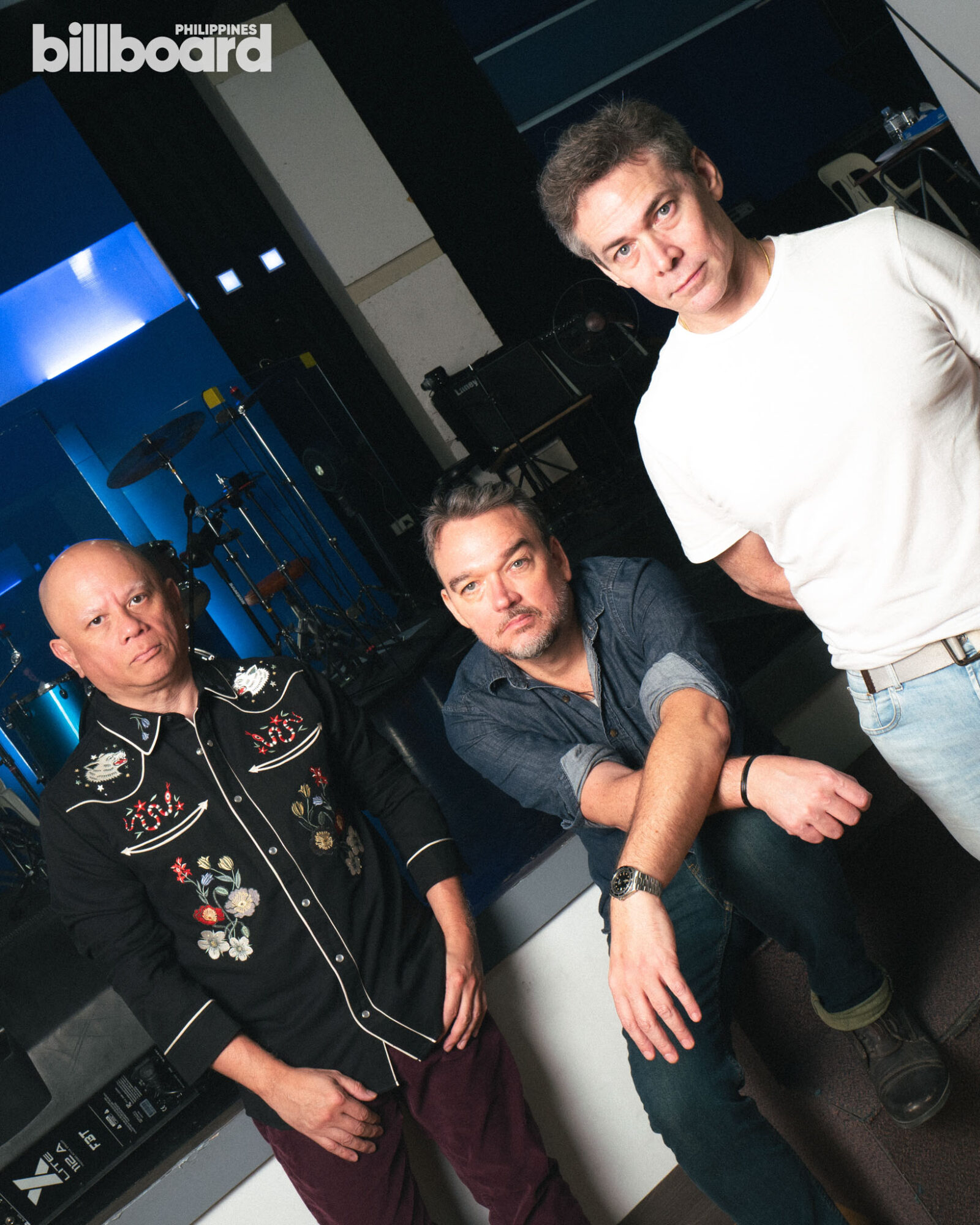
Wolfgang, photographed by Ed Simon.
“If you can look back at your discography and still enjoy it 30 or 40 years on, then you have a successful career, even if you don’t have any money,” Artadi said. “And I can still listen to our songs, and I still find interesting things.”
Gemora smiled. “Songs like ‘No Falter,’ ‘Weightless,’ ‘Semenelin,’ ‘New Mother Nature’ — I’m like, damn. It’s amazing. I’m really amazed, until now.”
Whether February 7 was closure or ignition remains open.
“If the opportunity presents itself, I think we’ll be open to it,” Legarda said of future shows. “It all depends on the people… if they want to listen to us, come and watch us, we’ll be there.”
Gemora was more emphatic: “It’s an opportunity for us to put that stamp again and remind everybody [that] this is Wolfgang. This is how we do it. This is how we play live.”
The reunion concert has come and gone. The amps have cooled. The wigs have come off. But for one February night in Quezon City, Wolfgang stood where they have always belonged — in front of a roaring crowd, bringing songs that refuse to age to life. Some bands return for nostalgia. Wolfgang returned because the music still demands to be played.
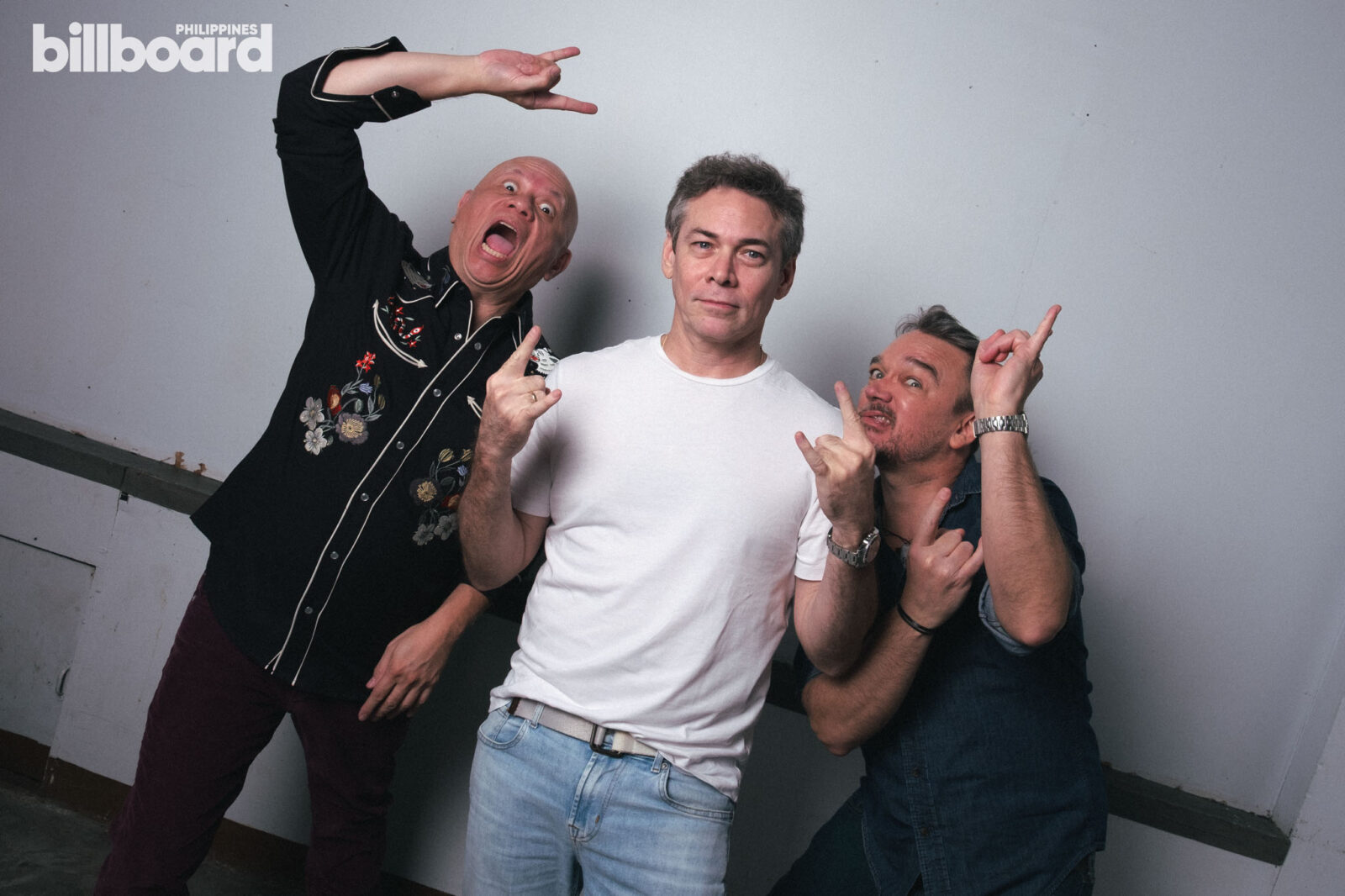
Wolfgang, photographed by Ed Simon.
Photographed by Ed Simon. Art Direction by Gelo Quijencio.