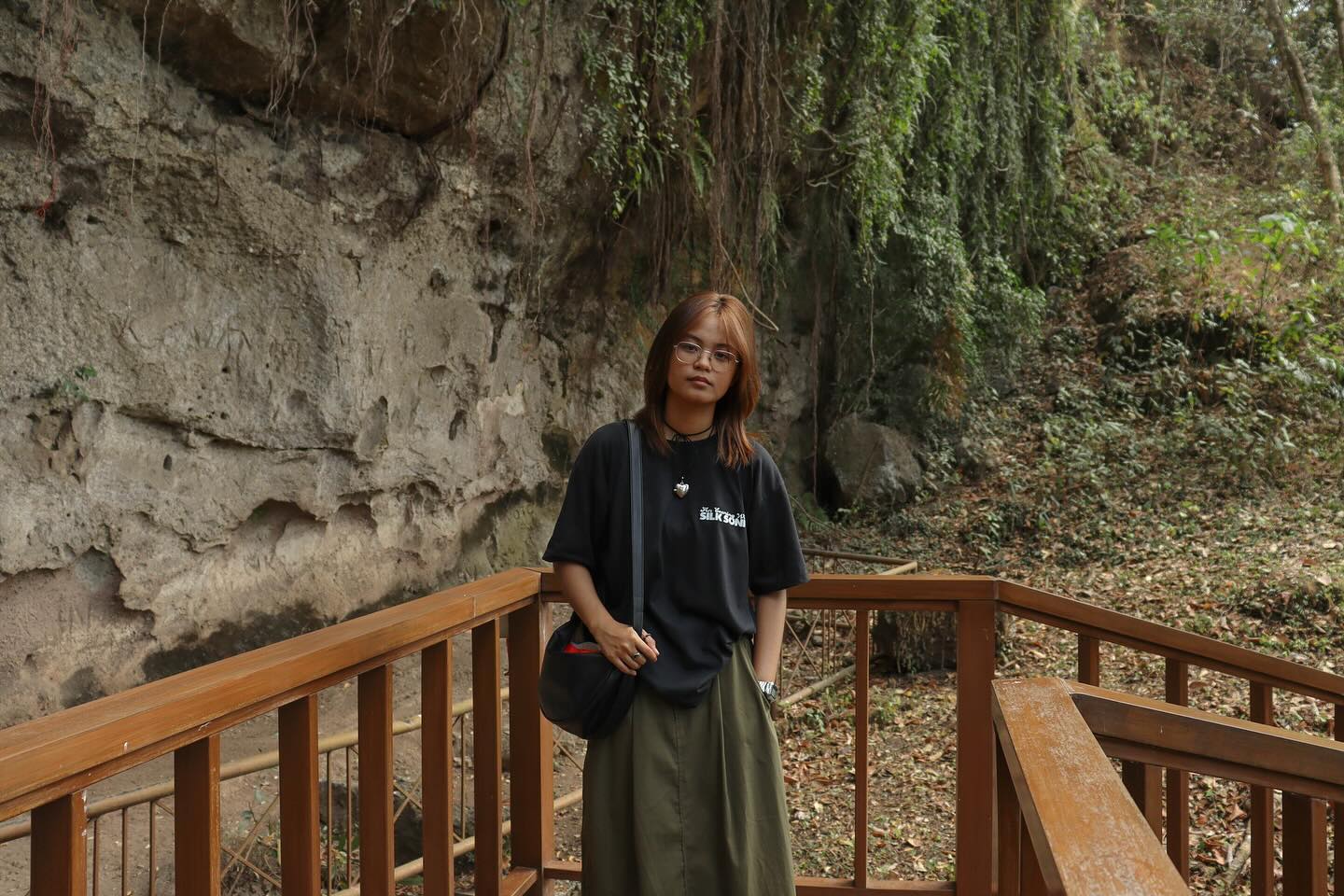
KASSA Has More To Say Beyond Her Viral Open Verse
The “Baha” open verse challenge sparked a nationwide conversation, with thousands of Filipinos turning their personal experiences from the recent flooding into a collective statement.




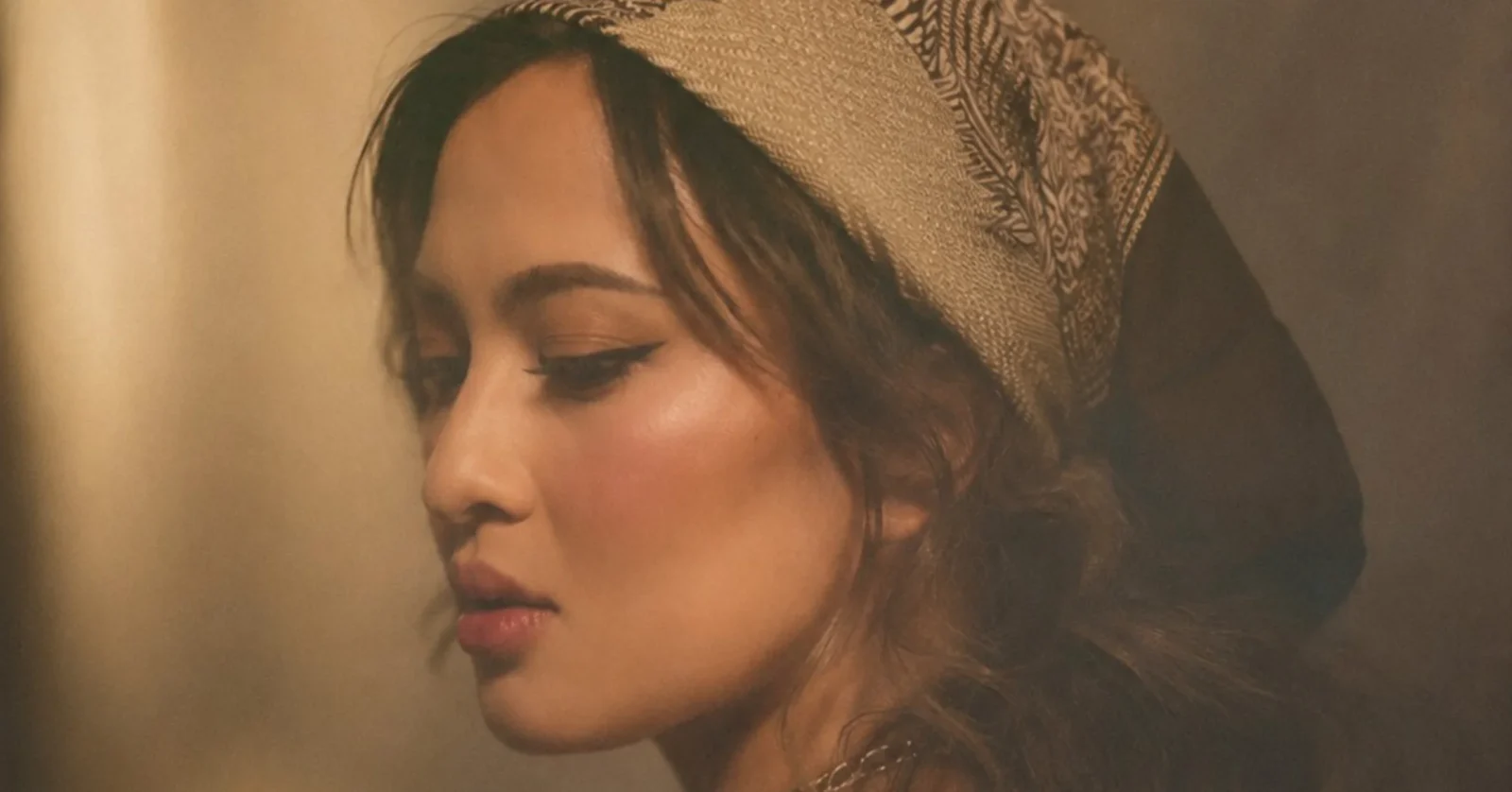
Courtesy of TuneCore.
Courtesy of TuneCore.
Over the past few weeks, flooding became an all-too-familiar daily reality for many Filipinos. Heavy downpours delayed workers on their way home. In communities hit harder by rising water, houses were submerged and livelihoods disrupted. For some families, the losses were far more devastating.
And while ordinary citizens wade through floodwater, questions about the systems and people meant to keep them safe continued to surface. With “Baha,” KASSA took part in the conversation.
On August 18, 2026, the rising singer-songwriterSinger-SongwriterA musician who writes and performs their own songs, typically accompanied by guitar or piano. Valued for personal storytelling and authenticity, singer-songwriters form a major part of the Filipino musicGo to Singer-Songwriter Glossary shared a video on social media of the rain outside her window with the unreleased track playing in the background. The clip quickly took off, prompting the public to ask her to open the verse so they could share their own perspectives. Thousands joined the challenge, turning “Baha” into a collection of firsthand accounts and concerns over the country’s infrastructure and questionable flood-control projects.
Entries from Flow G, Apekz, Flict G, Hero, Hambog Ng Sagpro, Jonas Dichoso, Pio Balbuena, and SB19‘s Josh Cullen pushed the song to millions of views before its official release. KASSA eventually brought Poison 13 and Onad onto the track, which was finally released on August 29, 2026.
For an artist whose earlier releases centered largely on love, loss, and personal experiences, “Baha” marks a significant expansion of her voice, turning her attention to social realities and political discourse. Her upcoming music, KASSA tells Billboard Philippines, will keep that much-needed conversation going.
Billboard Philippines: For readers who may be discovering KASSA for the first time, what do you want people to know about the music you create?
KASSA: I started writing music as a release for thoughts and feelings I tend to keep to myself, so my songs have always been brutally honest and sincere. At first, music was simply my playground. But when people began resonating with my songs without expecting it, I realized there’s power in having a voice people listen to. Used with the right intention, music can open hearts, provoke thought, or help someone see things differently.
I want KASSA’s music to carry that vulnerability and introspection, to say the things we don’t always say out loud and hopefully make people feel and reflect. I don’t want KASSA to be defined by one subject or one viral moment. Right now, I feel there are issues happening around us that deserve more attention, and I want my music to help bring them to light.
Can you take us back to when you first wrote “Baha”? How did the initial vision for it come about?
I wrote “Baha” early this year after an A&R asked if I had any plans to collaborate. Gloc-9 was the first person who came to mind, and I knew that if I were to collaborate with him, I wanted it to be on something meaningful. I wanted the lyrics to be very simple and familiar, that feeling when you see the rain coming and instead of enjoying it, you immediately think about all the trouble it might bring. That’s where “Ayan na ang ulan (Here comes the rain)” came from.
At the time, I thought that if the collaboration pushed through, the song could become a voice for Filipinos who experience this every year. The collaboration didn’t happen, but unexpectedly, the song became something even bigger. Through the open verse, so many different people added their own stories and perspectives. Instead of just two voices carrying one message, it became thousands of voices, with millions of people listening and watching. I think that made “Baha” even more meaningful than what I originally imagined.
What made you decide to open it up as an open verseVerseA section of a song that advances its story or message, typically sharing the same melody with different lyrics each time. Verses set up the emotional and narrative context forGo to Verse Glossary challenge?
I thought [the video] was just an ordinary post because I really didn’t know how TikTok’s algorithm worked since I rarely use social media. But a day after I posted it, it had already reached 200,000 views, with hundreds of comments asking me to open the verseVerseA section of a song that advances its story or message, typically sharing the same melody with different lyrics each time. Verses set up the emotional and narrative context forGo to Verse Glossary so people could share their own perspectives.
I thought it was a good idea, so I shelved the original plan of making the song a collaboration and told people on social media that I would choose whichever entries resonated with me or felt the most meaningful for the final release.
The online challenge brought together rap artists alongside thousands of other creators. What was it like watching Filipinos from different backgrounds add their own stories and perspectives to “Baha”?
It was really fulfilling to see artists who already have big names choose to use their voices to help the message reach even more people and hopefully raise more awareness. But at the same time, it was heartbreaking. There were moments when I would actually cry watching some of the entries because people were showing their real situations. Some were literally living in flooded homes, with no choice but to live through it.
It also made me think: if I’m an artist and this is what I can do with the voice and platform I have, what more can the people who are actually in positions to change these situations do? I sometimes wonder what they feel when they see the same stories and images that we’re seeing.
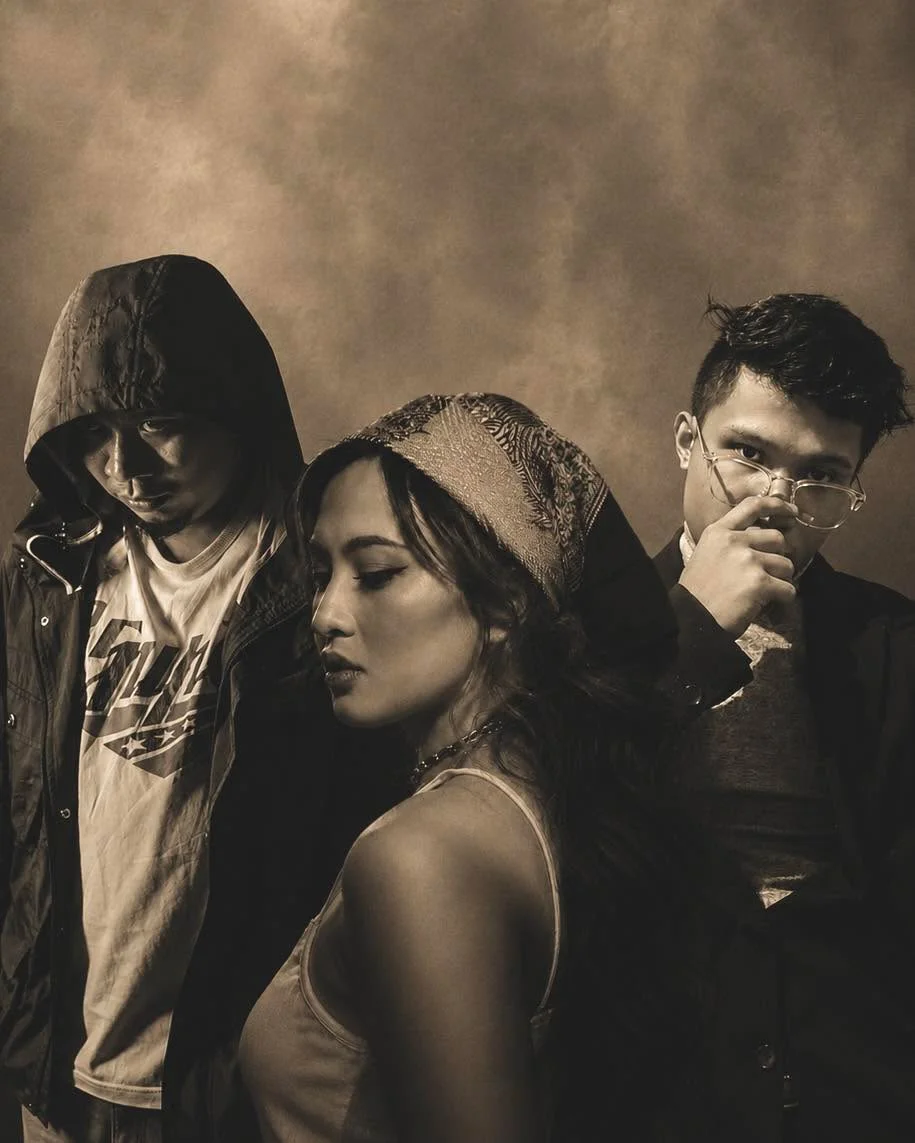
Courtesy of TuneCore.
As more artists and creators contributed their own verses, was there a particular response or story that stayed with you?
I honestly really loved the ones I eventually chose for the final release. Poison 13’s line, “Sa ulang hindi ka masasalba ng kahit anong payong (In the rain that no umbrella can save you from),” stood out to me because it was so simple, but it said so much. Then there was Onad’s, “Ang hirap lumangoy at sumabay na lang sa agos / Kung harap-harapan ang karapatan ay nakagapos (It’s hard to swim and simply go with the flow / When our rights are tied right before our eyes).” Both delivered the message clearly without overcomplicating it, and I felt they were the most fitting for what I wanted “Baha” to say.
Why were they the artists you wanted to bring into the final version?
I chose Poison 13 and Onad because their styles complemented each other — Poison 13 brought his multisyllabic rhymes and complex wordplay, while Onad took a more direct and accessible approach. Music is a form of communication, so I wanted the artistry to be there without losing the clarity of the message.
What do you hope listeners take away from the song? Are there particular conversations or actions that you hope “Baha” can encourage?
We still have almost two years to reflect on the decisions we’ll make in the 2028 elections. Voting isn’t just ink on your finger or a one-day decision that should be influenced by what we receive in the moment — it’s a decision that can affect people’s lives for years. I hope “Baha” encourages people to stay aware, ask questions, and be wiser about the choices they make instead of blindly following or simply accepting that this is just the way things are. I’m not telling people who to vote for; I just hope they understand the weight of their decision.
The song takes a more openly political and socially conscious stance compared to your previous releases which were centered on relationships, love, and loss. What prompted you to explore this side of your artistry now?
I genuinely believe that before you can help anyone else, you have to save yourself first. My first few releases became my lifeboat — they gave me a space to process what I was going through and put those emotions into words. Now that I’m in a better place, I feel like I’m ready to take on a bigger role with my music.
Do you think this direction is something you want to continue exploring in your future music?
My next releases will continue to explore social realities and breaking the ice on things we often avoid talking about. Especially leading up to 2028, I want my music to help keep these conversations alive — to encourage people to open their eyes, stay aware, and be more mindful and intentional about the choices they make.
After everything that’s happened with “Baha,” what’s next for KASSA? Are there upcoming songs, collaborations, or performances that your listeners can look forward to?
There are already new open verses in the works, and I’m excited to continue exploring these topics through music. As for collaborations, there’s one that the public has actually been manifesting for me. I can’t disclose any details yet, but if it happens, I think people will understand why I’m excited about it.
This interview was edited for brevity and clarity.
Frequently Asked Questions
“Baha” addresses flooding, infrastructure failures, and questionable flood-control projects in the Philippines, turning personal frustration into commentary on accountability and governance.
KASSA posted an unreleased clip of “Baha” online; fans asked her to open the verse, and thousands, including Flow G and SB19’s Josh Cullen, added their own.
KASSA chose Poison 13 and Onad from thousands of open-verse entries, blending Poison 13’s complex wordplay with Onad’s direct, accessible delivery.
“Baha” was released on August 29, 2026, after weeks of viral open-verse submissions pushed the unreleased track to millions of views.
Yes. KASSA says future releases will keep exploring social realities and political awareness, especially leading up to the Philippines’ 2028 elections.