How ‘Michael’ Captures The Thrilling Legacy Of The King of Pop
In this story exclusively shared with Billboard Philippines, learn how the filmmakers of the biopic about the King of P-pop bring his legacy and artistry to the big screen.




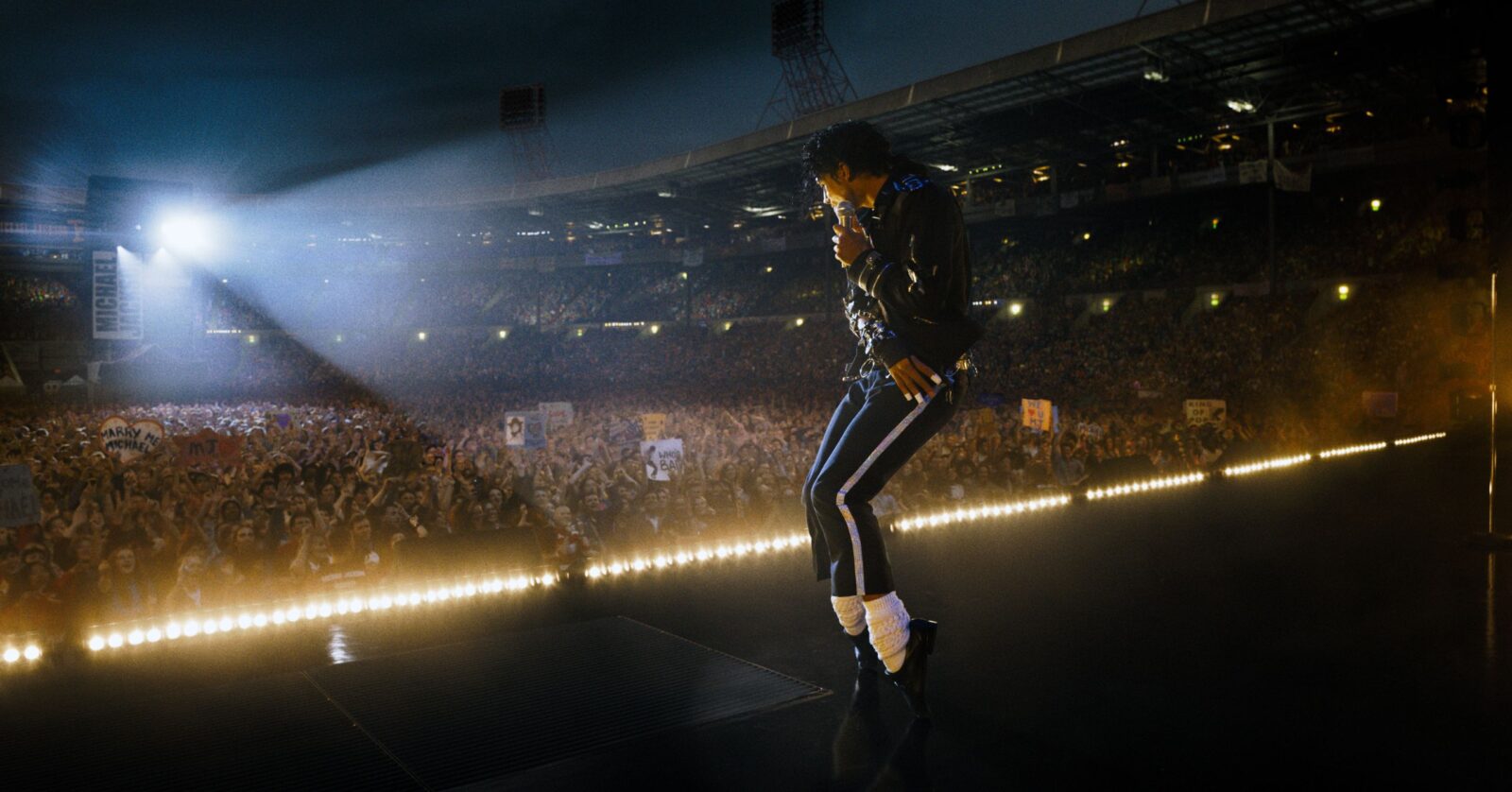
MICHAEL: Courtesy of Universal Pictures
The legacy of the King of Pop, Michael Jackson, is being immortalized on the big screen, with director Antoine Fuqua and his fellow filmmakers bringing the legendary musician’s life, artistry, and performances to life in the musical biopic Michael.
“Each performance had to feel 100% real, had to evoke the eras in which they happened, and had to contain authentic details from the staging right down to the lenses,” says Fuqua. “But we didn’t stop there. We looked for ways to bring new angles to what has already been seen.”
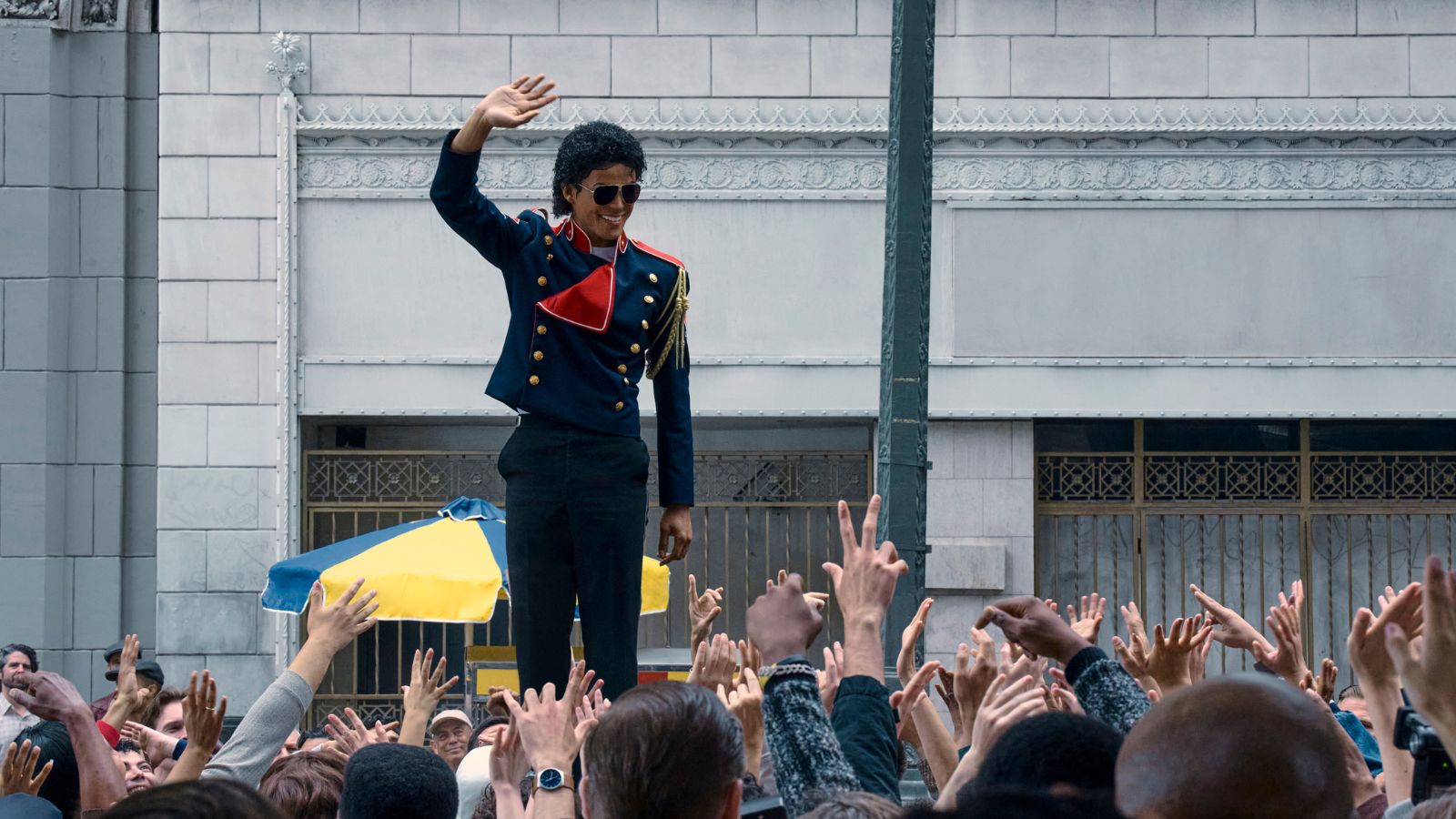
Courtesy of Universal Pictures
The film brings longtime fans and listeners closer to Jackson than ever, aiming to capture his energetic and groundbreaking live performances — such as his performance of “Bad” in front of 72,000 fans, including royal attendees Prince Charles and Princess Diana, at the iconic Wembley Stadium in London.
The film’s producerProducerThe person who guides the creative and technical process of making a recording, shaping its sound, arrangement, and overall quality. Producers can write, compose, engineer, and direct performances, and aGo to Producer Glossary, Graham King, witnessed this moment firsthand as a concertgoer, saying, “The fainting and the stretchers and people passing out — I saw it in real time.”
During production, King decided to film the major performances first, allowing the film’s star, Jaafar Jackson, who plays his uncle Michael, to build confidence in the role. Meanwhile, Michael’s longtime drummer, Jonathan Moffett, came into the set during the recreation, along with members of the Jackson family, and what they witnessed was nothing short of magical.
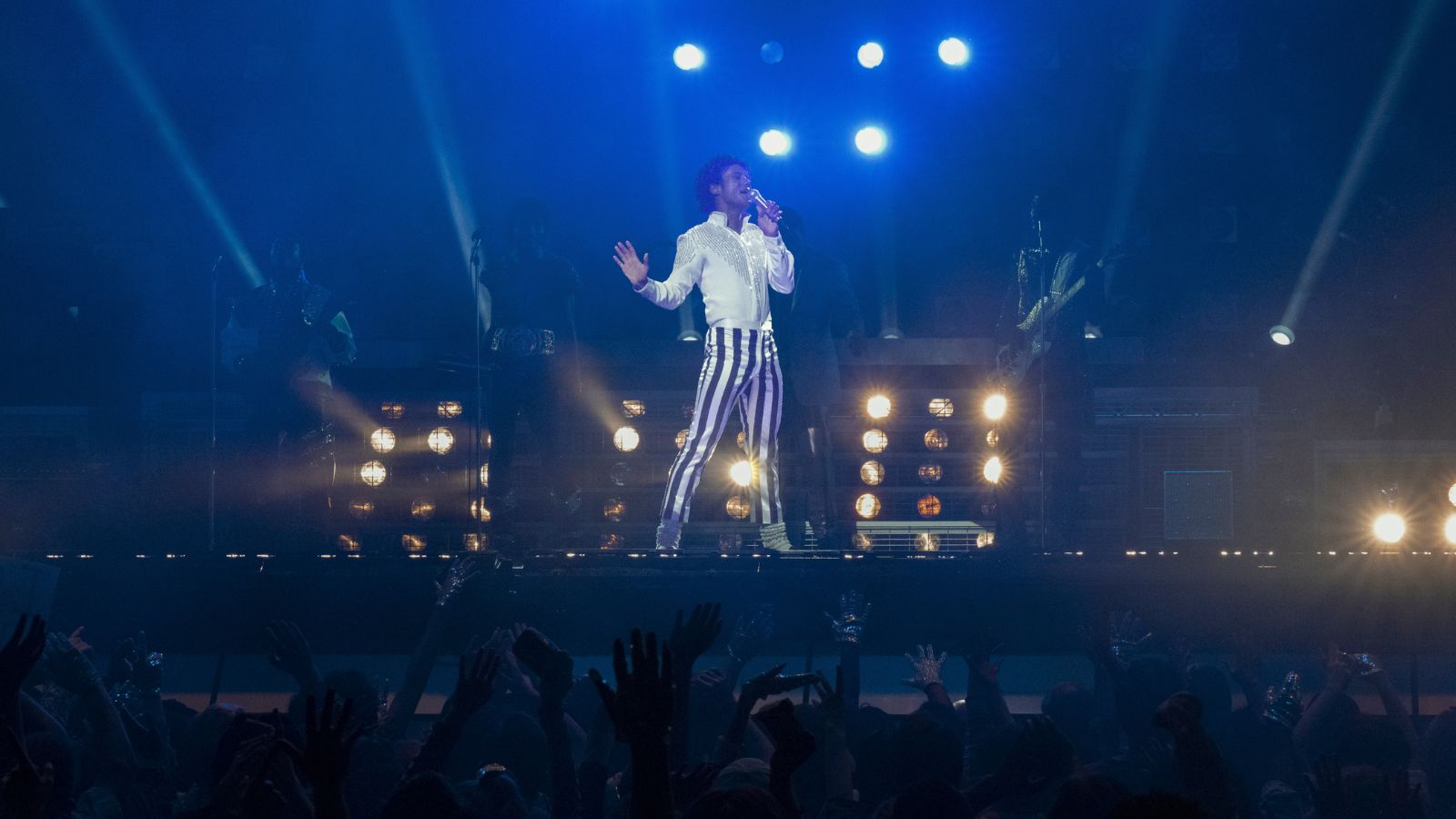
Courtesy of Universal Pictures
“We were all going into that day thinking, ‘Can Jaafar really pull this off?’ And man, when the music started, and he hit those first few moves…I mean, he killed it. He killed it to the point that when I yelled ‘cut,’ our crowd of extras was still screaming for him,” says Fuqua.
Beyond his live concert performances, the King of Pop also made immense contributions to pop culture and the world of film and music videos. With iconic visual representations of his hits such as “Bad,” “Beat It,” and “Thriller” — the latter having a timeless horror short film featuring intricate direction, costume design, and special effects — the biopic had to play a part in recreating these iconic moments.
“Recreating the shoot on that same street was a dream come true for me,” says Fuqua, recalling filming at the original location on Union Pacific Avenue in East Los Angeles. “We had a full moon both nights we filmed, and even the crew came in wearing masks. Everyone on set was as excited as little kids, because everyone of every age loves ‘Thriller.’”
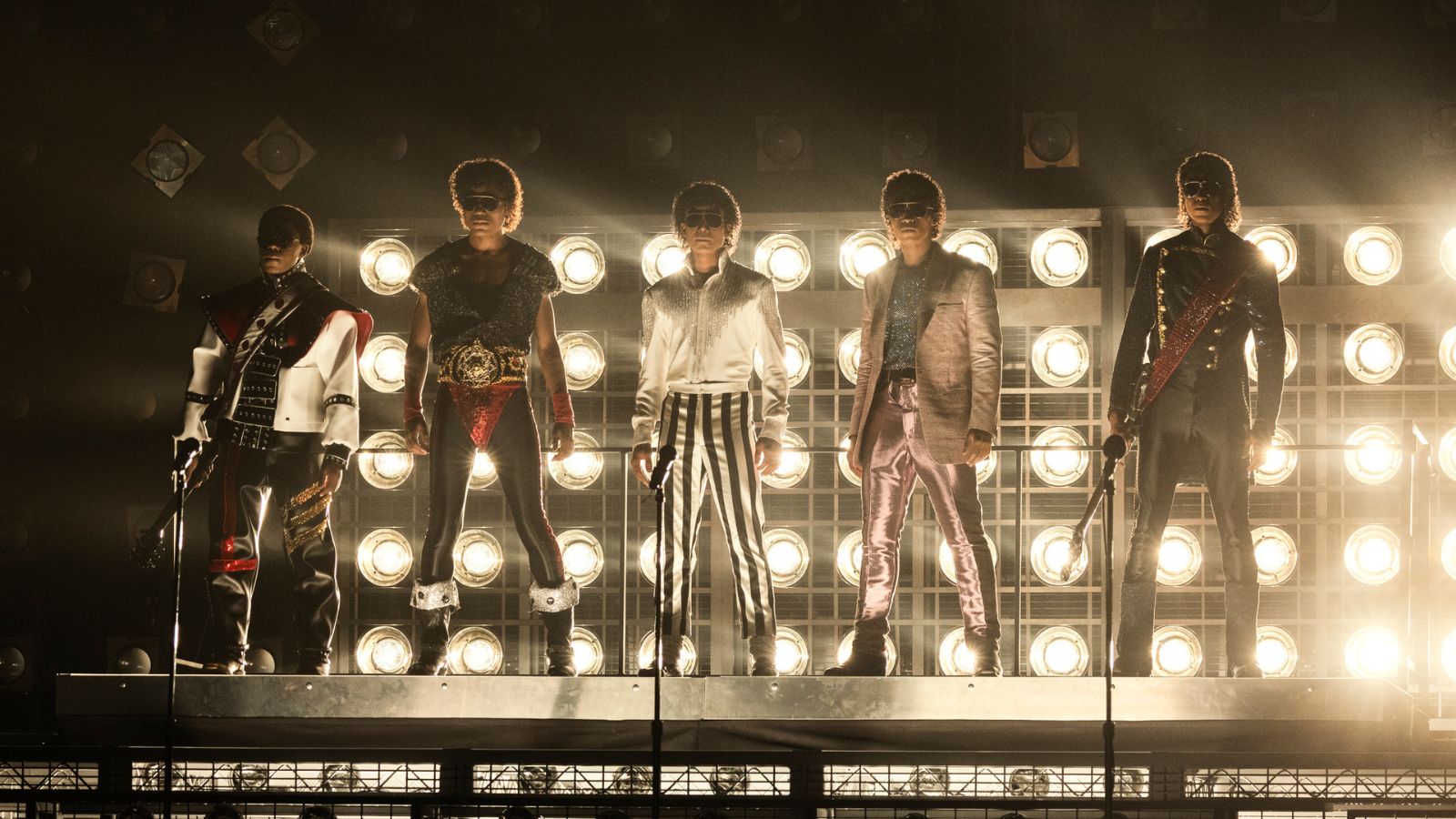
Courtesy of Universal Pictures
Rich + Tone Talauega, who toured with Jackson during his 1996 ‘HIStory Tour,’ were excited to honor choreographer Michael Peters, who worked with Michael on the Thriller music videoMusic VideoA short film that accompanies a song, combining performance, storytelling, and visual style to promote the music. Music videos shape an artist's image, can drive viral success and fan theories,Go to Music Video Glossary’s dance sequence. “We had such big respect for what Michael Peters contributed to dance with this piece,” says Rich.
“It took a lot of work with Jaafar because there are so many different elements, African dance, jazz dance, as well as Michael’s signature moves, so we had to make sure Jaafar had all of that language in his body. That initial walk of one, two, then the hand, then the head, had to grab you,” he adds.
Experiencing the thrill of recreating the iconic music video for the biopic, King is excited for audiences to see the scene on the big screen, saying, “Sometimes I’m still like, ‘Did we really shoot ‘Thriller’? It’s so iconic. Scary iconic. But I think it’s going to satisfy the audience. I really do.”
Michael grooves into Philippine cinemas on April 22, 2026.
Frequently Asked Questions
The biographical film Michael chronicles the life, artistry, and iconic performances of Michael Jackson, the King of Pop. Directed by Antoine Fuqua, the movie offers a detailed behind-the-scenes look at Jackson’s groundbreaking live concerts, music video productions, and enduring global musical legacy.
Jaafar Jackson stars as his uncle Michael Jackson in the biographical film Michael. To capture Jackson’s authentic dance language and staging, Jaafar underwent extensive choreography training with Rich + Tone Talauega, incorporating jazz, African dance, and signature moves.
Director Antoine Fuqua filmed major live concert sequences first to build actor Jaafar Jackson’s confidence on set. Recreations included Jackson’s 1988 “Bad” performance at London’s Wembley Stadium in front of 72,000 fans, utilizing authentic staging details and era-appropriate camera lenses.
The “Thriller” recreation was filmed at the original location on Union Pacific Avenue in East Los Angeles. Filmed over two nights under full moons, the production honored original choreographer Michael Peters while recreating the landmark music video’s detailed costume design and dance sequences.
The musical biopic Michael opened in Philippine cinemas on April 22, 2026, ahead of its North American theatrical release. Distributed globally by Lionsgate, the film brings the King of Pop’s life and legendary musical career to big screens worldwide.