
Ayumu Imazu On Finding His Global Groove With ‘CLASSIC’
The rising Japanese multi-hyphenate opens up about the process of bringing CLASSIC to life, reflecting on its influences, and sharing why making an album still matters amidst an algorithm-heavy industry.




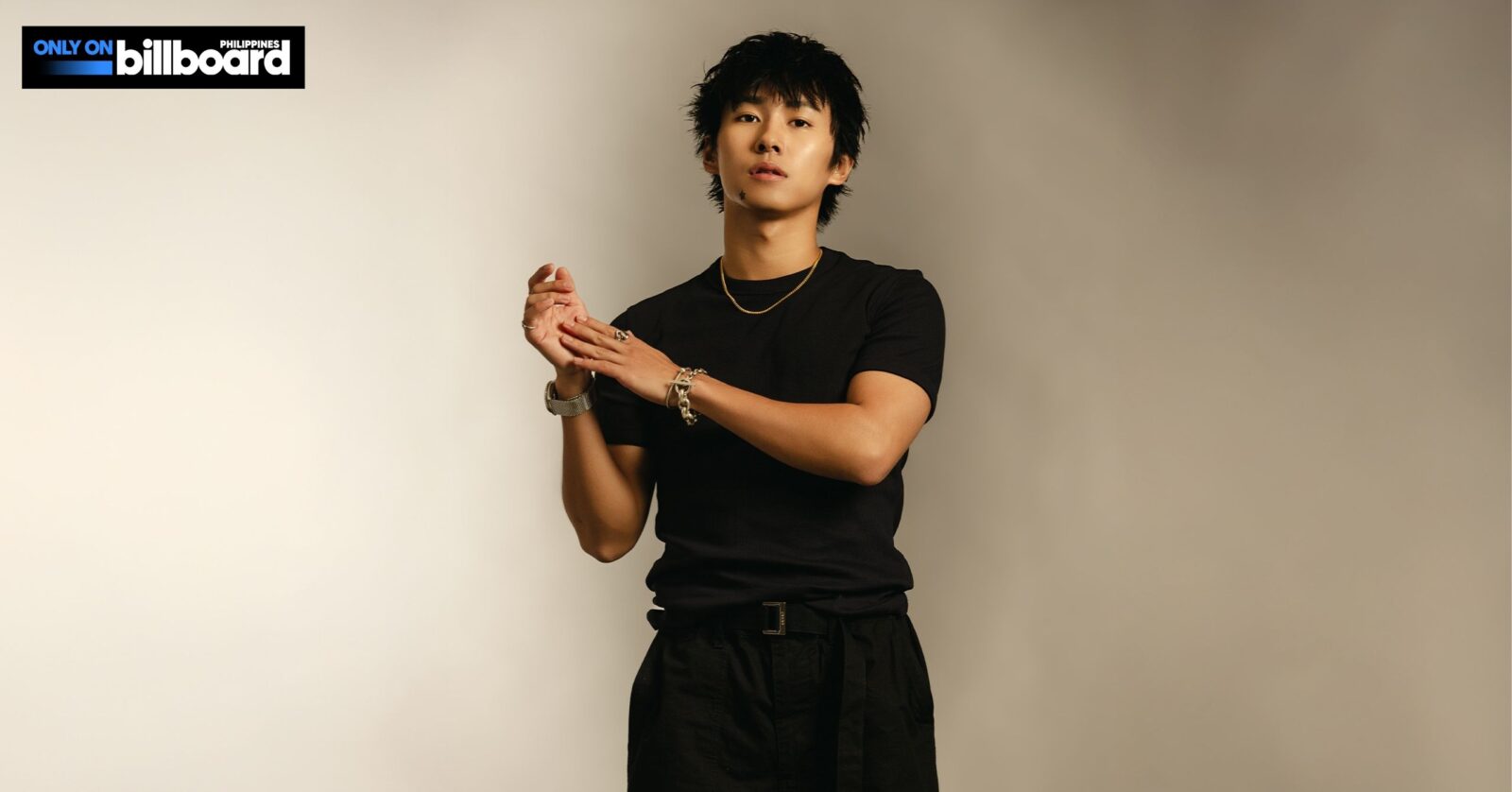
Photographed by Excel Panlaque.
Photographed by Excel Panlaque. Art Direction by Gelo Quijencio.
There are only a few artists in today’s J-pop landscape who embody the increasingly borderless nature of contemporary pop music quite like Ayumu Imazu.
Since launching his solo career, the singer-songwriterSinger-SongwriterA musician who writes and performs their own songs, typically accompanied by guitar or piano. Valued for personal storytelling and authenticity, singer-songwriters form a major part of the Filipino musicGo to Singer-Songwriter Glossary, dancer, producer, and multi-instrumentalist has garnered traction as one of Japan’s most fascinating new voices, crafting a sound that refuses to be confined by genre or geography. Raised on Japanese pop while spending much of his formative years in New York, Imazu has built an artistic identity that naturally bridges Japanese and Western musical traditions — creating songs where bilingual lyricism, groove-driven production, and sharp pop sensibilities coexist with remarkable ease.
That cultural duality has become the defining thread of Imazu’s career. While his debut album Pixel introduced listeners to the breadth of his influences through a collection of previously released material, it also hinted at an artist searching for a more cohesive creative statement. Now, his musical evolution reaches its clearest expression on CLASSIC, Imazu’s ambitious second studio album, which captures an artist increasingly confident in allowing his Japanese roots and Western influences to inform one another organically, resulting in a sound that feels uniquely his own.
As Imazu arrives in Manila for the first time in support of CLASSIC, he does so at a pivotal moment in his career. Fresh off the release of what he considers his most authentic body of work yet, the 26-year-old musician enters a new chapter with a stronger artistic foundation than ever before — one that not only reflects who he is today, but also signals where the future of globally minded J-pop could be headed.
In this exclusive interview with Billboard Philippines, Imazu opens up about the making of CLASSIC — unpacking its influences, while reflecting on how it’s been shaped by a variety of multicultural factors that stay true to his authentic persona.
Billboard Philippines: Welcome to Manila, Ayumu. Is this your first time here?
Ayumu Imazu: It’s indeed my very first time here. And honestly, it’s been great! I got to do the Wish Bus yesterday. So, I got to see my fans out here in person for the first time. I think that was really special and really cool.
Given that you’re here to promote your second album, CLASSIC, I’d like to note that it intentionally feels genre-fluid in execution. There are traces of R&B, funk, some pop rock, and even some jazz-inspired horn arrangements spread out across the record. When you began recording and shaping this album, was that what you had in mind?
I guess so. Even when I dropped my first album, Pixel, that was like sort of the same thing, where it was like there were a lot of genres in that one album. I think it’s just like that for my artistry and what I like to do through my music, you know? Personally, I think I like all kinds of genres in music, and I think I never wanted to limit myself too much when it came to executing that in my music. So, honestly, I didn’t do it intentionally. I would say it just ended up being like that. (Laughs)
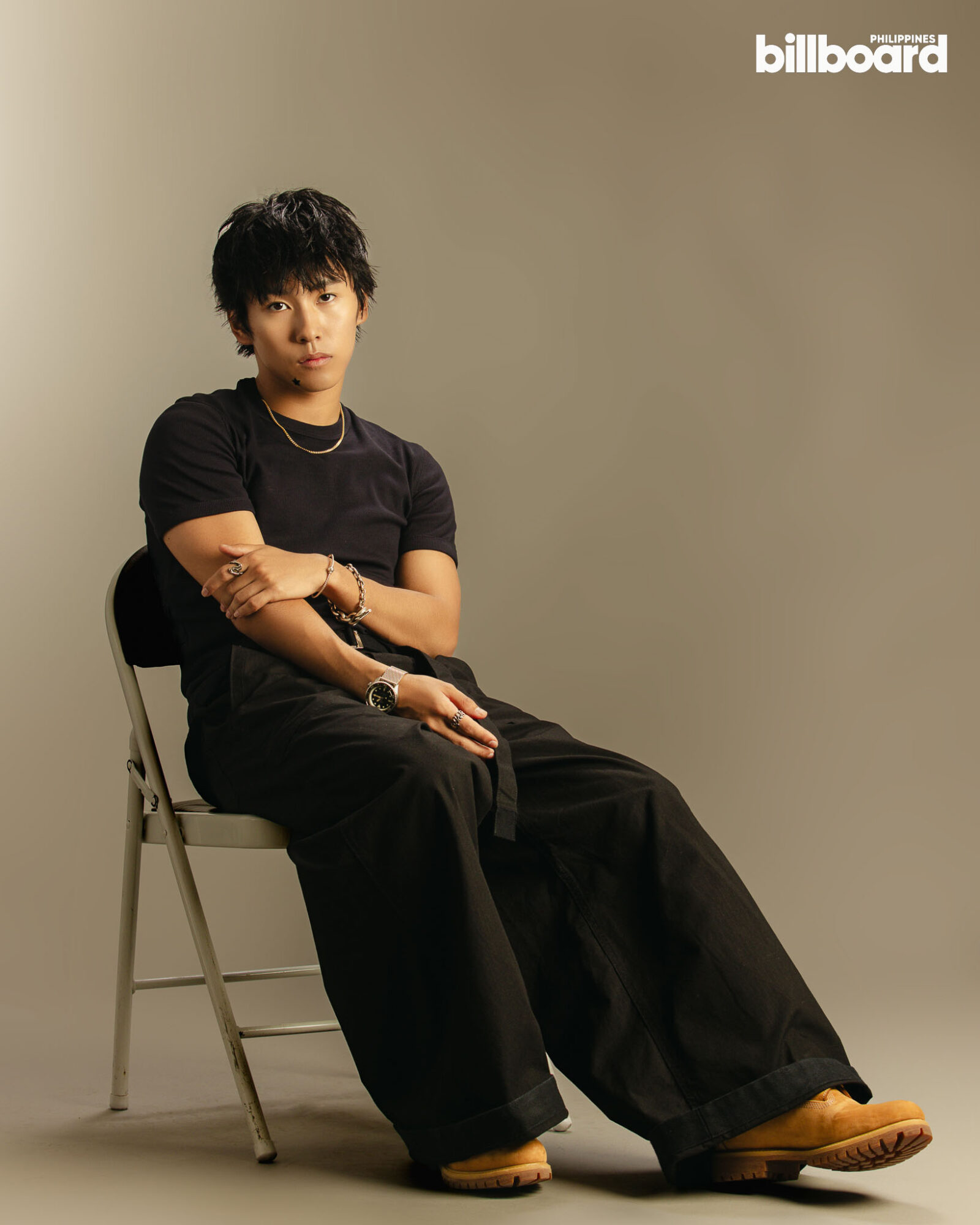
Photographed by Excel Panlaque. Art Direction by Gelo Quijencio.
Would you say it comes from your personal music taste?
Yeah, actually. Because this album is called CLASSIC, I just wanted to create an art piece that feels timeless. Even if you listen to the album like five years from now or maybe ten years from now, I wanted it to still sound good. I want that kind of work. So, that was just the concept. On top of that, I just did a bunch of songs that I really, really love, where I was like, “Lemme just put that in there.”
I think one of the album’s most striking qualities is its use of musicality, especially with the use of live-sounding horns and a lot of rhythm-forward arrangements. Those elements kind of built the sonic DNA of what you’ve accomplished here. What drew you towards using such textures, especially since it’s a mix of stuff?
I think making drum patterns honestly might be one of my favorite parts of making music, especially because I started out as a dancer. So, I think rhythms are the most crucial in music to me. And yeah, I just gathered a bunch of drum samples, and I just picked the parts that I liked and connected them all together.
I honestly kind of just go with the flow. I don’t have a template or a pattern system, because it starts to be very repetitive. I always aim to try to make something brand new, though it takes time because I’m not used to working with the same pattern or system. But yeah, it often comes out really nice.
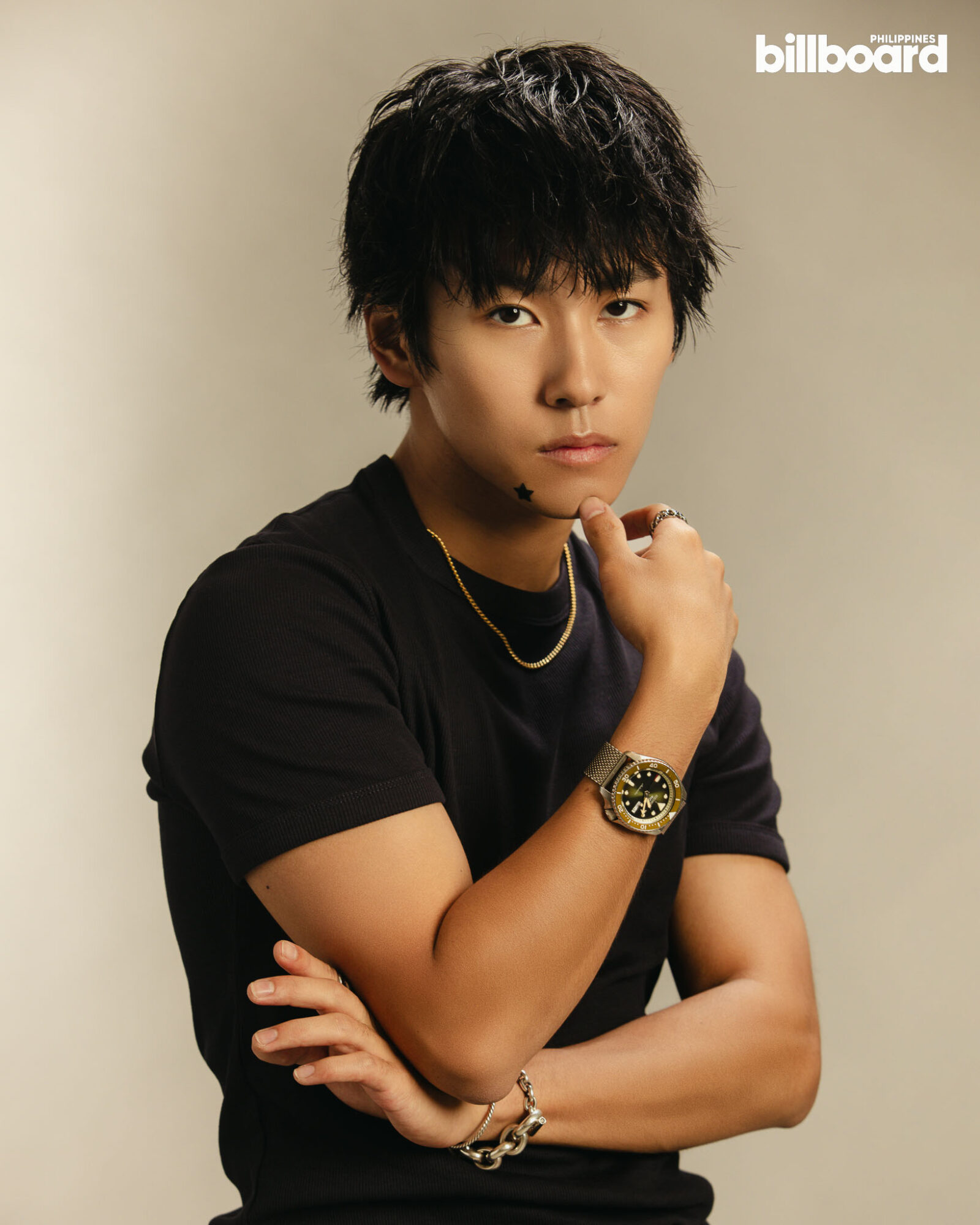
Photographed by Excel Panlaque. Art Direction by Gelo Quijencio.
When doing that, was it meant to make your music more performance-driven in the process?
I definitely think so, for sure. As I mentioned, I started as a dancer, which is why I think dance will always be a huge part of me. Even if I’m not thinking about anything, it’s just there for me. So, I would say that even when I’m making music, it’s very much made for dancing or performing.
Speaking of dance, I heard that you studied dance in the United States, which is why it’s no secret that you’ve been immersed in both the Asian, Japanese, and Western cultures. I’d even note that CLASSIC feels like a product of those intersecting experiences.
Absolutely.
How did being immersed in those multicultural worlds expand what you wanted to do as an artist here?
I was in New York for a long time. I actually still go back and forth a lot, because I first went there when I was 14. In a way, New York kind of feels like my second home. So, even if I’m not trying to make it sound more Western or more Japanese, I think it’s more of a natural thing that comes as part of my process. It’s already so innate, and I feel like I’m not putting too much energy into making it sound like a certain genre or sound.
Being in New York has definitely affected my music a lot. But also, I love J-pop, and that’s the music that I listened to growing up, making it my core music. But to be honest, I think blending those two together has been very challenging, yet it’s also something that could result in something really special. I think that’s what makes it super unique for my sound.
I’m curious to know, you mentioned a while ago that being in New York for so long has really affected how you approach music. In what distinct ways would you say has it affected your perception of your craft?
I mean, New York, the city — I say this in the best way possible — is so chaotic. There’s so much going on. There are so many different kinds of people. And every day, walking down the street, you see so many different things and so many cultures. There are so many colors, you know? I would say that just about everything in New York has inspired me to be who I am today. So those small things just really inspire me and affect my music. I can’t exactly come up with a specific thing that has affected me, though I think it’s really more of the energy that New York has. There’s something very special about that energy.
It really is a very vibrant place. And I get to see that a lot with this album. I believe that CLASSIC could really kind of live up to its name, given those bursts of energy that you feel in each song. But having experienced both the Japanese industry and the Western creative space, do you notice any difference in how artists from those respective places approach the craft differently?
Ooh, I would say it’s actually very different. If you look at the US top charts and the Japanese top charts, I think people listen to music for very different reasons. But they’re both great reasons, I would say the US is more dance-heavy. Dance music is such a big part of everybody’s life over there. While I think that for Japanese people, music is more for people to feel something internally. It’s not so dance-heavy. So there’s a very different approach to how they did it.
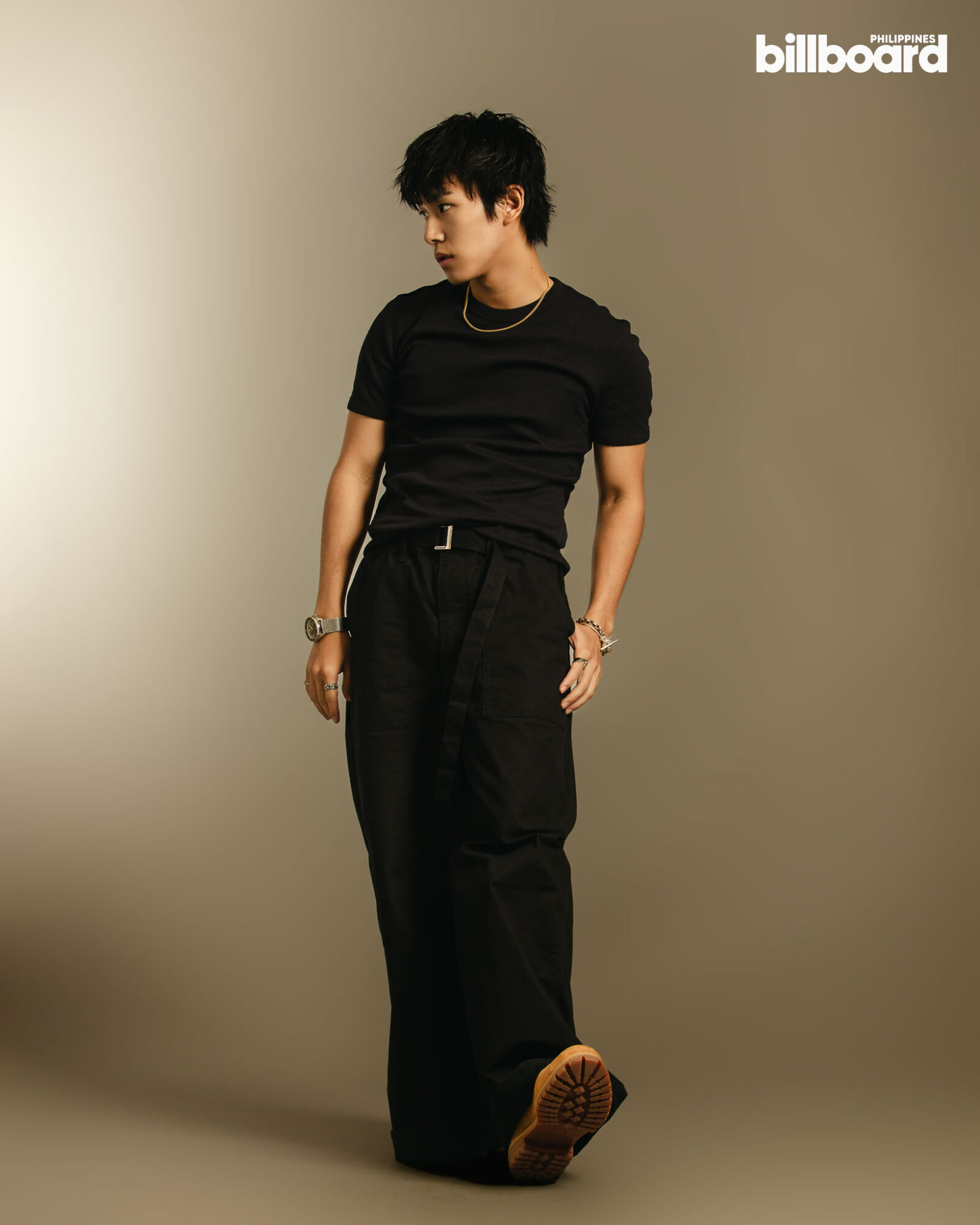
Photographed by Excel Panlaque. Art Direction by Gelo Quijencio.
Given the significant amount of risk-taking that you’ve done on this album, how do you think it marries those two approaches?
Honestly, I think that was one of the hardest things about making and finishing this album. At first, most of the songs were pretty much all in English first — probably 100% of them. But I was thinking to myself, most of my listeners right now are in Japan.
And also, I think we’re in a time where I feel like the language of the lyrics doesn’t matter too much. I feel like people just listen to music because it just sounds good or feels good. So I thought that I should put some Japanese lyrics to it, because that feels the most right to me right now. And yeah, that’s definitely something that I have adjusted to.
It actually comes in so seamlessly, I’d say. I don’t speak Japanese, but the way it just kind of came in, it was so fluid. Though I believe that the choice to do that makes this album more expansive in a way.
Yeah, and I think it makes it original, too. Doing it in English is 100% cool as well, but I think I want it to be more unique and more original, and definitely more me. Because that’s what’s most important for what I want my work to speak of, especially with who I am as an artist.
But in comparison to your debut album, Pixel, were there any deliberate changes in how you decided to approach the recording or the conceptualization of what you wanted to do with CLASSIC?
So Pixel was like a compilation of the songs that I had already released by that point. And then on top of that, I added two to three new songs. For me, I wasn’t too satisfied with the album. But because it was the first album I’d made, I said it was fine. But I always thought that for the second album, I would be like, you know what? I want to make a concept albumConcept AlbumAn album unified by a central theme, story, or idea, so that its songs work together as a complete narrative rather than separate singles. Concept albums reward full listens andGo to Concept Album Glossary.
Because nowadays, I feel like people don’t really listen to albums anymore. They listen to singles. So I was like, if I’m making an album, I don’t want it to be boring. I want to make something that’s meaningful and special. So I was like, let’s make 10 brand new songs. Almost immediately, that was the first thing that I thought of –– as if I were trying to challenge myself.
Then right after, I thought of the concept for CLASSIC. Because I think that nowadays, with how social media and everything go, songs go viral for like one or two months. Then eventually people don’t listen to it anymore and forget about it because music is going to waste so fast right now. So I wanted to make something that lasts for a long time. And that’s how I came up with CLASSIC. It definitely didn’t come easy, and it was a very different approach from Pixel, that’s for sure. (Laughs)
I love what you said about how these days, albums aren’t really respected anymore, and how most people chase after the viral hits now. Given the algorithm of platforms like TikTok and even Reels on Instagram, a lot of albums, especially ones with big conceptual stuff, kind of get lost in the process.
That’s what I’m saying. I think that’s one of the beauties of music. People don’t realize that music can make you really feel things. When you make an album, an intentional compilation of songs, you’re creating art. But props to my team, too, though. Because it’s hard to make or even market an album nowadays! So I really appreciate them letting me do this, too.
I would say the record feels very intentional. In comparison to what you were saying about Pixel, where it was a bunch of singles compiled together, the flow of this one is quite strong. But since this was your first time working with Capitol Records, how did they allow you to go all out for your vision of this record?
They’ve been super supportive and super helpful. I think we’re still a very great team right now. But I think at the beginning of making the album, we were still starting to get to know each other and everything too. But all throughout, they’ve been nothing but supportive, honestly. They’re just letting me do what I want to do and what I want to create. They’ve just been supporting that, and it’s been great.
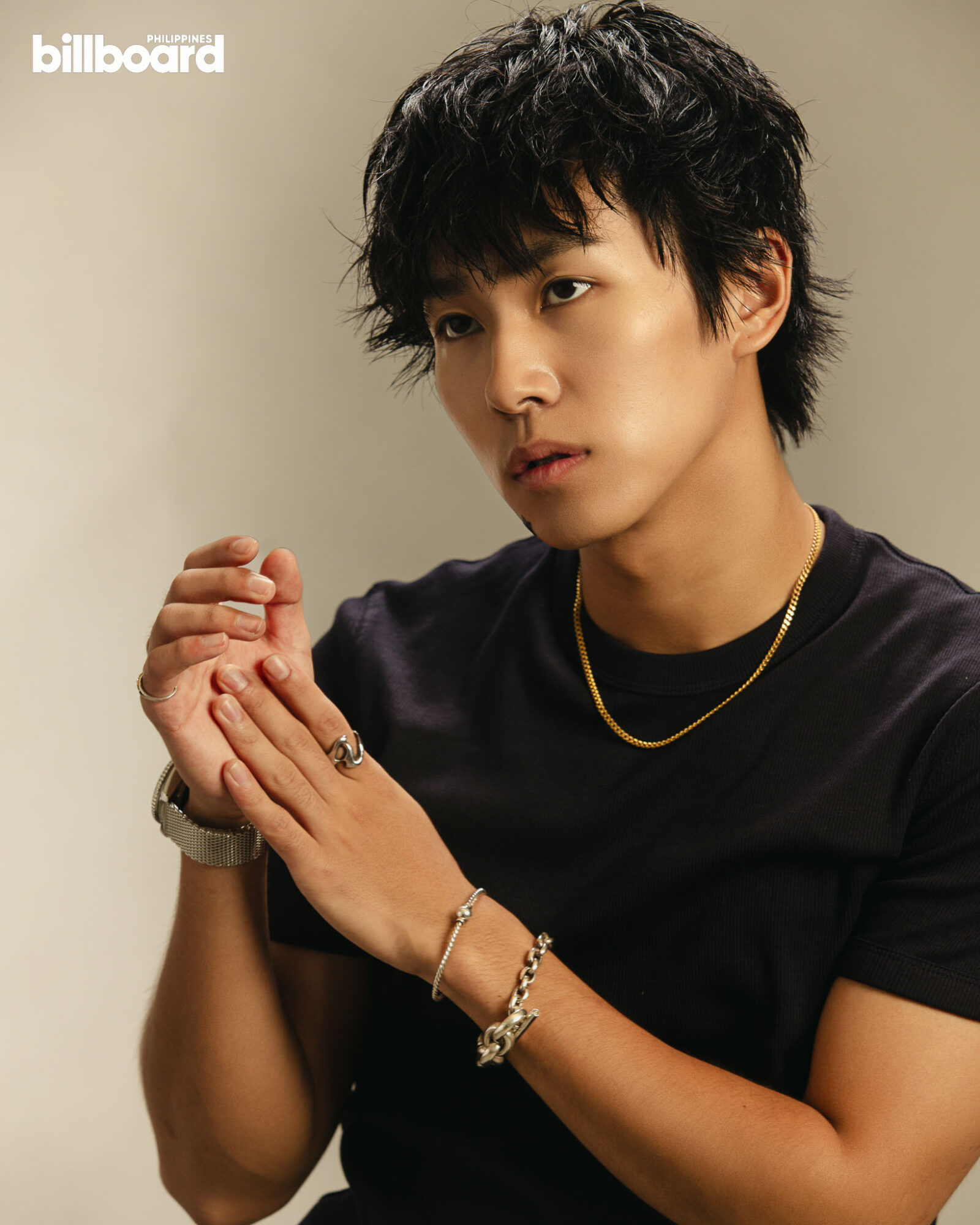
Photographed by Excel Panlaque. Art Direction by Gelo Quijencio.
Working with an international label, would you say it was important for you to show that your music can sound internationally expansive, while also remaining culturally personal to your Japanese roots?
For sure. It’s rooted in a very international sound. But I think that people aren’t too familiar with that sound, especially right now in Japan, though I think it’ll get there very soon. But ultimately, I wanted to create something that is elevated from my previous work. I thought it was time for me to step up [my game] a little bit, and I’m glad everything worked out, though.
I’m just glad to hear that this record is authentically you.
I think this is probably one of the proudest I’m ever going to be of the crafts that I’ve made. I can already tell. (laughs)
It’s worth noting that lot of the sounds on CLASSIC feel indebted to a lot of contemporary R&B and funk revival movements that are happening globally. So are there any modern artists or producers or classic records that influenced how this album came to you?
I would say a lot of Justin Timberlake inspired me here, especially because of those early 2000s vibes. Because that to me is very classic. So definitely a lot of JT. I have this song called “Sugar Rush,” where I think we were talking about Prince while making the song. It’s very disco, and even when we were writing lyrics for it, we were like, “What would Prince say about this? That was kind of the inspiration for that song.
You also can’t escape Michael Jackson. He’s like the king of what defines a classic. Everyone knows he’s the King of Pop, so yeah, he’s definitely an inspiration on this record. Also, I love Motown. I love Stevie Wonder, and all those kinds of artists as well. So those are some of the vibes that are definitely in there. For me, this album is really an ode to a lot of music that I just truly love, you know?
I definitely see a lot of Justin Timberlake on this, but it’s worth noting that you have your own spin on it. As you mentioned earlier, you’re also introducing this new sound to the Japanese market, which could probably spark a new movement in the J-pop industry.
Hopefully, that’s my plan. To be honest, I think that as hard as it was finishing up this album, now, we’re facing the mission of actually making, or at least trying to make, this a classic record in Japan. (laughs)
Would you say there was any pressure with naming the album CLASSIC?
There definitely was. Because classic, the word itself, I only kept it as sort of a concept. I never really thought that I was going to actually name it CLASSIC. I was just thinking about what the title could be, but I couldn’t think of anything better than CLASSIC. So eventually I was like, you know what? F*ck it. I’m naming it CLASSIC. (Laughs) Just put that stamp there. If it works, it works. But hopefully it does!
Given your background as a multi-instrumentalist, I’m curious to know if understanding music from an instrumental perspective gives you more freedom to experiment and toy around across genres to push this album into the vision that you really wanted. Was that the case here?
Absolutely. That honestly has been a huge part of my music production-wise. I love learning new instruments. I love playing guitar, bass, piano, and everything.
That’s crazy, though I do love that for you.
It’s just so fun. It just feels really… I don’t know the word. It just feels very real?
I think you can literally make anything on a computer right now, but I think actually playing the instruments really gives that groove or gives that depth in music. Especially when it comes to finding new ways to improvise and add layers to the work. Because I love playing with chord progression and everything, too. [I would say] having knowledge of music in its purest form definitely expanded my genre capabilities, but also my freedom as an artist for sure.
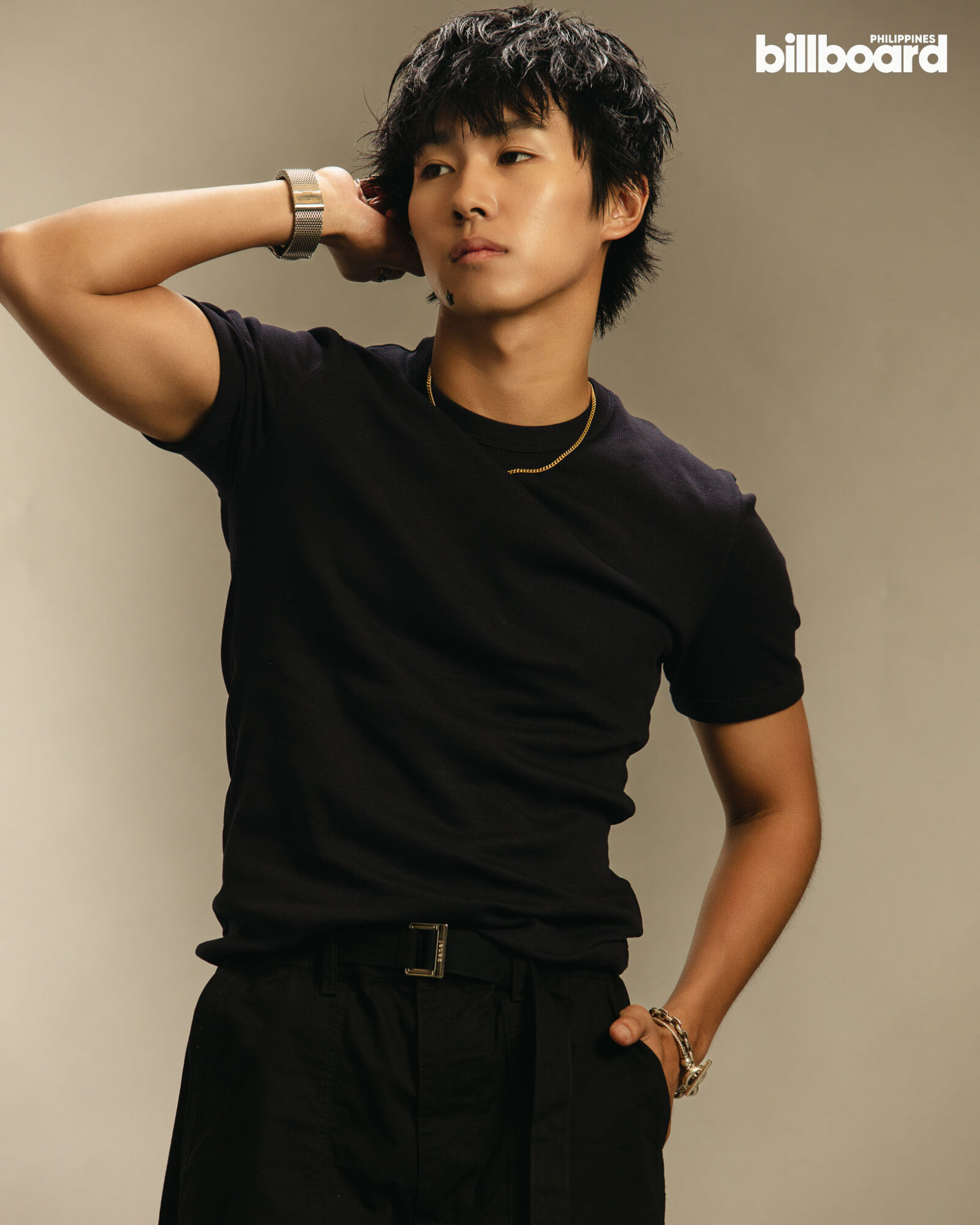
Photographed by Excel Panlaque. Art Direction by Gelo Quijencio.
But beyond being a singer-songwriter, we’ve also established that you’re also a renowned dancer. It’s worth noting that you’re a respected choreographer and producer as well –– making you a multi-hyphenate at the young age of 26. How do you intend to expand these capabilities, especially with the reputation you’ve cultivated for yourself on the scene?
Maybe I might just go and do the opposite. I might just let other people do it for me. (laughs)
But honestly, when I started my solo career, I had to do those things by myself because I didn’t really have people to rely on and everything. So I think that has definitely taught me a lot of new skills across the board, which I’m also very proud of.
Speaking truthfully, I don’t really have any pride in making it by myself 100%, though. I’ve realized that collaboration always brings in something new to the table, so if I want to work with somebody that I can trust, whether it’s a choreographer, a songwriter, or whatever they are, I definitely want to work with people who I can learn from. And hopefully, I’ll get to meet those people along the way.
A while ago, I was telling you that the title CLASSIC raises some questions about legacy and timelessness. And some of the marketing surrounding this album has touted you as a new classic in the ever-expanding J-pop scene. So looking back at the process of this album now –– what do you hope this album gets to represent, not just within your discographyDiscographyThe complete collection of an artist's recorded works, including albums, singles, EPs, and collaborations, usually arranged in order of release. A discography charts creative growth over time, and critics andGo to Discography Glossary, but in terms of the artist you’re going to be remembered as?
I think more than ever, I feel myself authentically with this album. I can’t really put into words whatever the definite Ayumu Imazu sound is, but I think this album really represents who I am at this particular point in my life and career. Not just through my sounds, but also through my colour, my energy, my vibe, and just about everything.
So I think this is going to be a new base that I’ve created. A really strong base that I have right now that allows me to just keep building on who I am and the artist that I want to be remembered as.
Lastly, following the conclusion of your tour (which you’ve already started and you’ll continue later on in July), is there anything else that we can expect from you in the near future? Whether it’s an upcoming musical release or a brand new venture?
Well, I’m definitely starting to work on something new, that’s for sure. And you can definitely expect some new singles here and there. Also, hopefully I could work on another tour –– one that goes around this market and allows me to come back here to the Philippines.
Listen to Ayumu Imazu’s sophomore album, CLASSIC, in its entirety below:
Frequently Asked Questions
Ayumu Imazu is a 26-year-old Japanese singer-songwriter, dancer, producer, and multi-instrumentalist known for blending J-pop with Western R&B, funk, and pop influences. Raised partly in Japan and partly in New York, he has built a bilingual, genre-fluid sound that makes him one of J-pop’s most distinctive new voices.
CLASSIC is Ayumu Imazu’s second studio album, built as a genre-fluid, deliberately “timeless” body of work blending R&B, funk, pop rock, and jazz-inspired horns. Unlike his debut, it consists of ten new songs conceived as a single concept album rather than a compilation of previously released singles.
Pixel compiled songs Imazu had already released, plus a few new additions, while CLASSIC was built from the ground up as ten brand-new tracks unified around one creative concept. Imazu has called CLASSIC his most authentic and cohesive work to date, made to feel timeless rather than trend-driven.
Imazu cites Justin Timberlake’s early-2000s sound, Prince, Michael Jackson, and Motown artists including Stevie Wonder as key touchstones for CLASSIC. Prince was a direct inspiration for the disco-leaning track “Sugar Rush.” Imazu describes the album as an ode to the classic pop, funk, and R&B music he grew up loving.
Yes, CLASSIC marks Ayumu Imazu’s first project with Capitol Records after signing with the label. He has described the team as supportive throughout the album’s development, giving him the room to pursue his own creative vision for the record without interference.