PREP On A Decade Of Making Music And Playing In Manila
“We’re really lucky to be able to do what we do. Playing shows like this is what kind of keeps the energy of it all going and enables us to do what we do back in the studio,” shares vocalist Tom Havoleck.


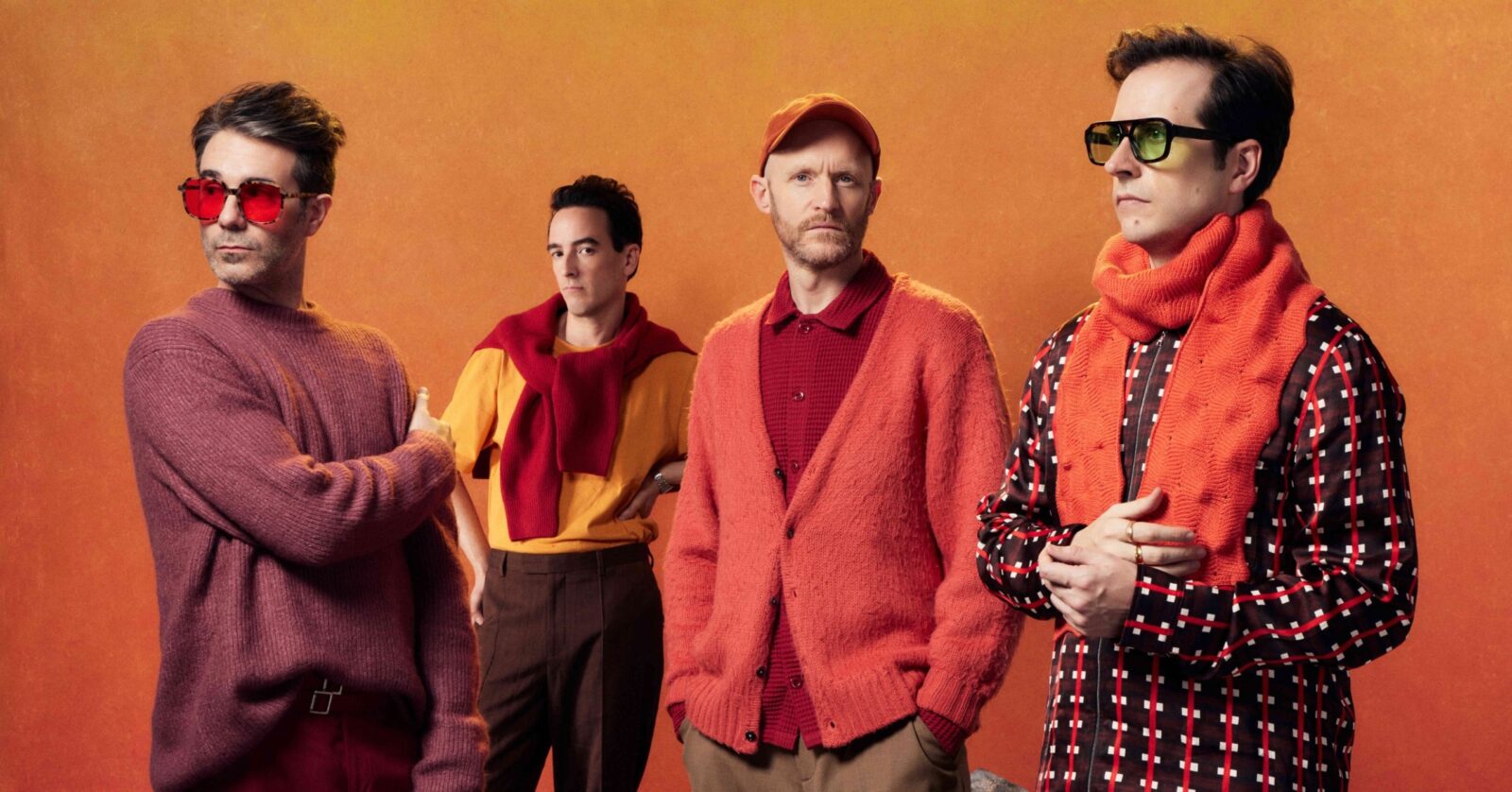
PREP: Photographed by Ian Hippolyte
PREP: Photographed by Ian Hippolyte
Across two albums, four EPs, and a new EPEPShort for extended play, a collection of songs longer than a single but shorter than a full album, typically containing three to six tracks. Artists use EPs to introduce theirGo to EP Glossary on the horizon, English indie-pop band PREP celebrates a decade of crafting a distinct sound that continues to resonate with listeners, including their ever-growing audience in Asia and, of course — the Philippines.
Formed in 2015, Tom Havelock, Llywelyn ap Myrddin, Guillaume Jambel, and Daniel Radclyffe show no signs of slowing down as they continue to refine their sound and make the music they want to create.
Taking a step back into the kind of music that came before, PREP’s sound has always been about bringing that energy into the contemporary music scene through influences from pop, R&B, jazz, hypnagogic pop, and more recently, Japanese city pop.
It goes without saying that their music is appreciated by their passionate fans in the Philippines, who show up to experience their music live on stage and in living color.
Before PREP took the stage at their much-awaited show at Filinvest Tent in Alabang, Billboard Philippines sat down with the indie pop band to discuss their recent musical pursuits, their strong connection with Asia and the Philippines, and what it means to continue creating music with a decade under their belt.
Billboard Philippines: With your latest EPEPShort for extended play, a collection of songs longer than a single but shorter than a full album, typically containing three to six tracks. Artists use EPs to introduce theirGo to EP Glossary, One Day in the Sun, you continue to explore the blend of ’70s soul and jazz, ’80s pop production, and Japanese city pop. So, what did you want to explore with this project, and how does it represent an evolution from your previous releases?
Tom Havelock: I think, in the production, I remember you talking about some influences that maybe have been there a bit in the background, or we’ve brought it forward a bit more in this EPEPShort for extended play, a collection of songs longer than a single but shorter than a full album, typically containing three to six tracks. Artists use EPs to introduce theirGo to EP Glossary.
Guillaume Jambel: Well, it was a return to producing the music ourselves, because we had just been working with a French producerProducerThe person who guides the creative and technical process of making a recording, shaping its sound, arrangement, and overall quality. Producers can write, compose, engineer, and direct performances, and aGo to Producer Glossary on our second album, The Programme. So that was a return to where we just knew we were going back into producing.
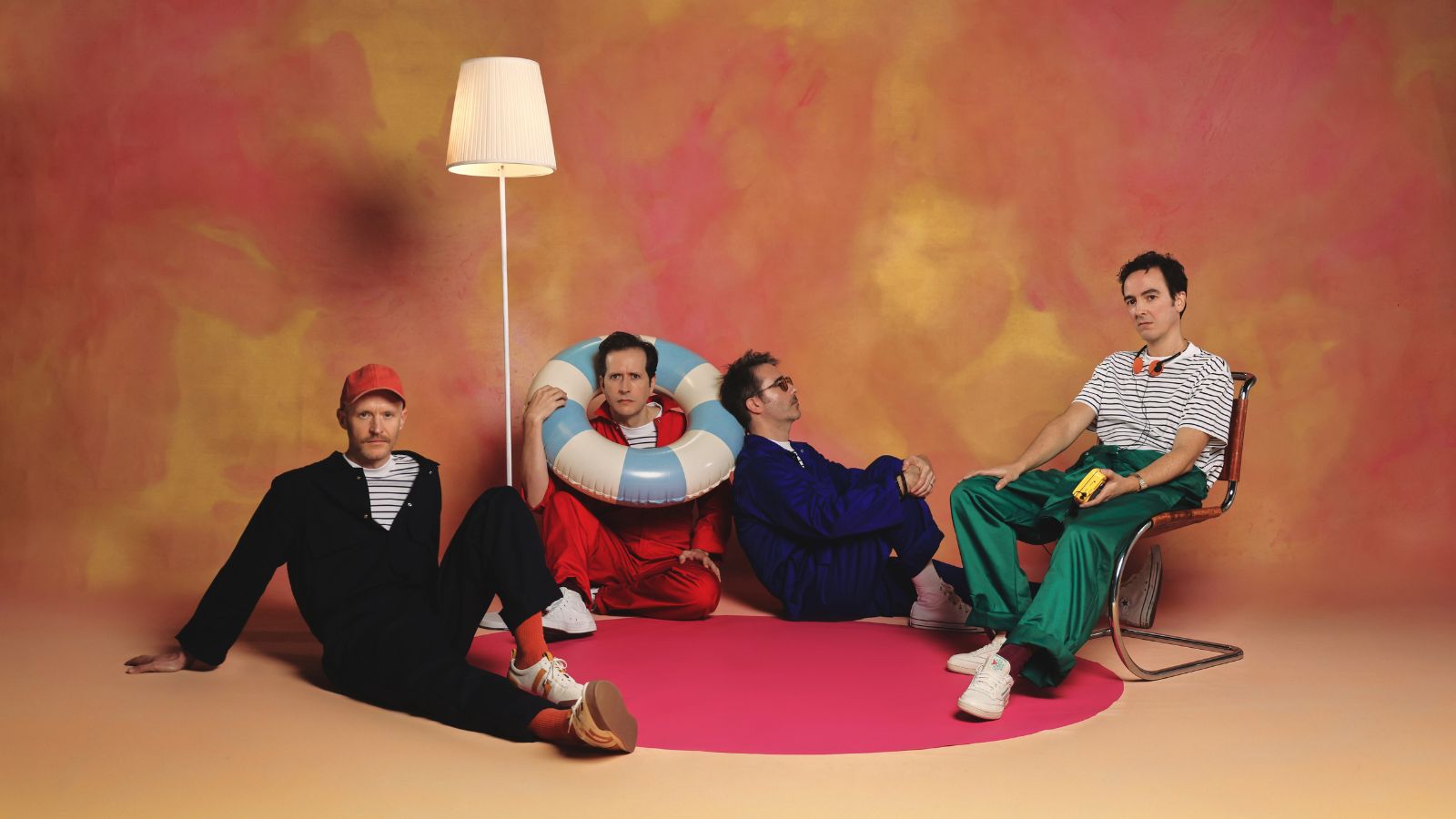
Courtesy of PREP
How was it like returning to producing the music?
Llywelyn ap Myrddin: Yeah, it was really good. It was good, and I remember the songwriting felt very slick to me, like it came together. I remember it was this cold winter in London, but we did a couple of weeks. We wrote loads of stuff in that time. It felt very far away from the [hotness] in Manila, but we were trying to conjure it up a little bit.
Now that you’re a decade into your career as a band, how do you think PREP has evolved? What aspects of your earlier identity have you left behind, and what elements have remained central and integral to who you are as a band?
Daniel Radclyffe: Yeah, I mean, evolution, it sort of makes it — I don’t know if that’s quite the right word — because it makes it feel like we’re constantly going in a direction that’s different to before. Still, I think with us we just go between a few different things. I think on this EPEPShort for extended play, a collection of songs longer than a single but shorter than a full album, typically containing three to six tracks. Artists use EPs to introduce theirGo to EP Glossary, One Day in the Sun, it was maybe a bit more — acoustic is not the right word, but maybe it’s less electronic than some of our previous music.
We’re working on some music at the moment which is more electronic. It’s just kind of like what we fancy at the time really; we’ve never stuck too closely to a production, like blueprint, but maybe in the writing and the lyrics and the actual nuts and bolts of the songs, that has sort of remained consistent.
So it’s more like really making the music that you really want to make and not being confined in a box?
Tom: I think we’re always doing that. One thing that has really changed since the beginning of the band is we’ve sort of played a lot of shows, and met a lot of fans, and we’ve got to feel what our music does on stage, and I think that has definitely opened up a new direction that was definitely not part of the original genesis of the project.
On that first EPEPShort for extended play, a collection of songs longer than a single but shorter than a full album, typically containing three to six tracks. Artists use EPs to introduce theirGo to EP Glossary, we would never have made a song like “One Day in the Sun,” or even “Do What You Gotta”; it would not have occurred to us. We were anonymous; we were just in the studio; we weren’t thinking at all about playing live on that first EP.
It was maybe a bit more kind of R&B, and also a bit jazz-y, and the harmony, and then I think there’s definitely a side of the band that has emerged through playing live, and just feeling that energy that we get on stage when we play songs like “Years Don’t Lie” and “Don’t Bring Me Down.” That side of the band has emerged through live performance.

PREP: Photographed by Em Cole
As a London-based band with a strong following in Asia, how has connecting with audiences across different cultures and perspectives shaped your music and your experience of performing live today?
Tom: I think a lot. It must, enormously. I don’t know how much we’re aware of.
Dan: I mean, it gives you confidence, doesn’t it, in what you’re doing I think it just shows really. There’s nothing better than seeing and hearing an audience’s reaction or meeting fans after a show to just really make you feel like you’re doing something worthwhile, you know?
Llywelyn: I feel like, certainly, Dan and Guillaume knew some of this kind of music they call city pop. I didn’t really know that music a lot, and definitely connecting with this kind of vinyl bar culture and the kind of city pop resurgence has been, for me anyway, really interesting. I feel like that’s definitely influenced some of what we’ve done and some of the aspects of the band as well.
Tom: There’s other stuff that we haven’t talked about for a while, thought about for a while, but I think there are other bits of music from Asia that are definitely part of my musical make up. The way I was talking before about having gone to study Gamelan music in Bali, there’s a bit of psychedelic music I can think of from Thailand; and funk music from this part of the world. There’s stuff beyond city pop, I think.
The Philippines is among PREP’s top listening markets worldwide, and you’ve performed for your Filipino fans several times. What makes returning to the country something you look forward to?
Dan: The volume of the singing, the shows. It’s crazy. The last tour we did, we recorded quite a lot of shows, and then I remember going back to listen to them, and it’s like the crowd noise is here [gestures with his hand] until you get to Manila, and then it just suddenly jumps up. It’s like drowning us out.
Guillaume: It’s a real privilege to be able to experience that. Because when we wrote these songs, we didn’t really expect that it would ever get this sort of reaction, so hearing this with such power and energy is really incredible.
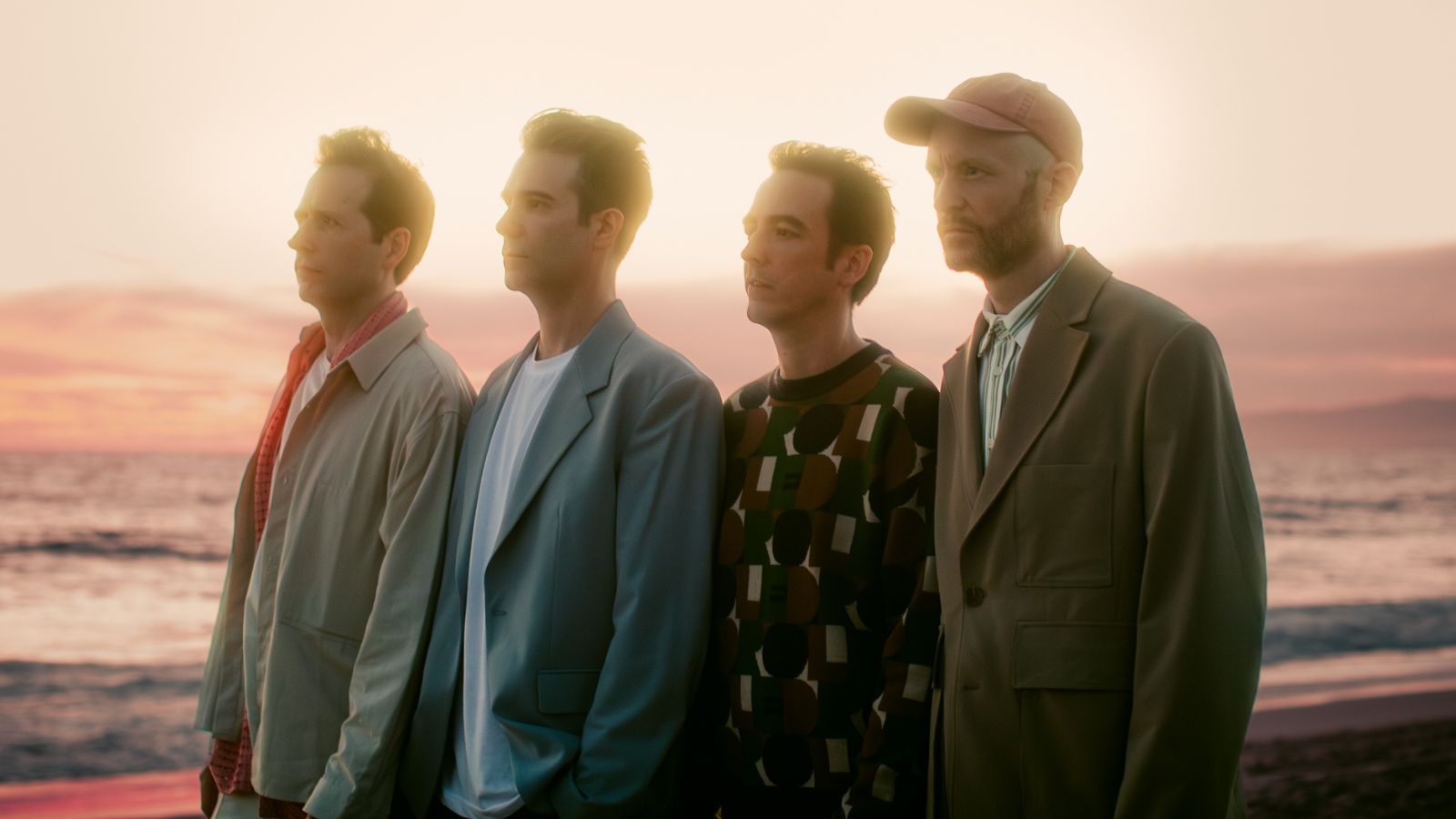
PREP: Photographed by Meg Meyer
Are there any emerging Filipino or Southeast Asian artists you’d love to collaborate with in the future?
Tom: There’s loads. We probably shouldn’t say too much about it because we’re making a bunch of music at the moment. It’s one of the things that makes us feel so lucky to be coming out here as often as we do, is we get to go to shows, we get to be at festivals here in the Philippines.
Llywelyn: Yeah, I’ve been listening to Armi Millare. Her new [album], which is a collab with this drummer guy, is gorgeous.
What can Filipino fans expect from your return to Manila?
Guillaume: I mean, there’s new music. There’s some music that no one’s heard before.
Llywelyn: Yeah, very few people in the world have ever heard this new music.
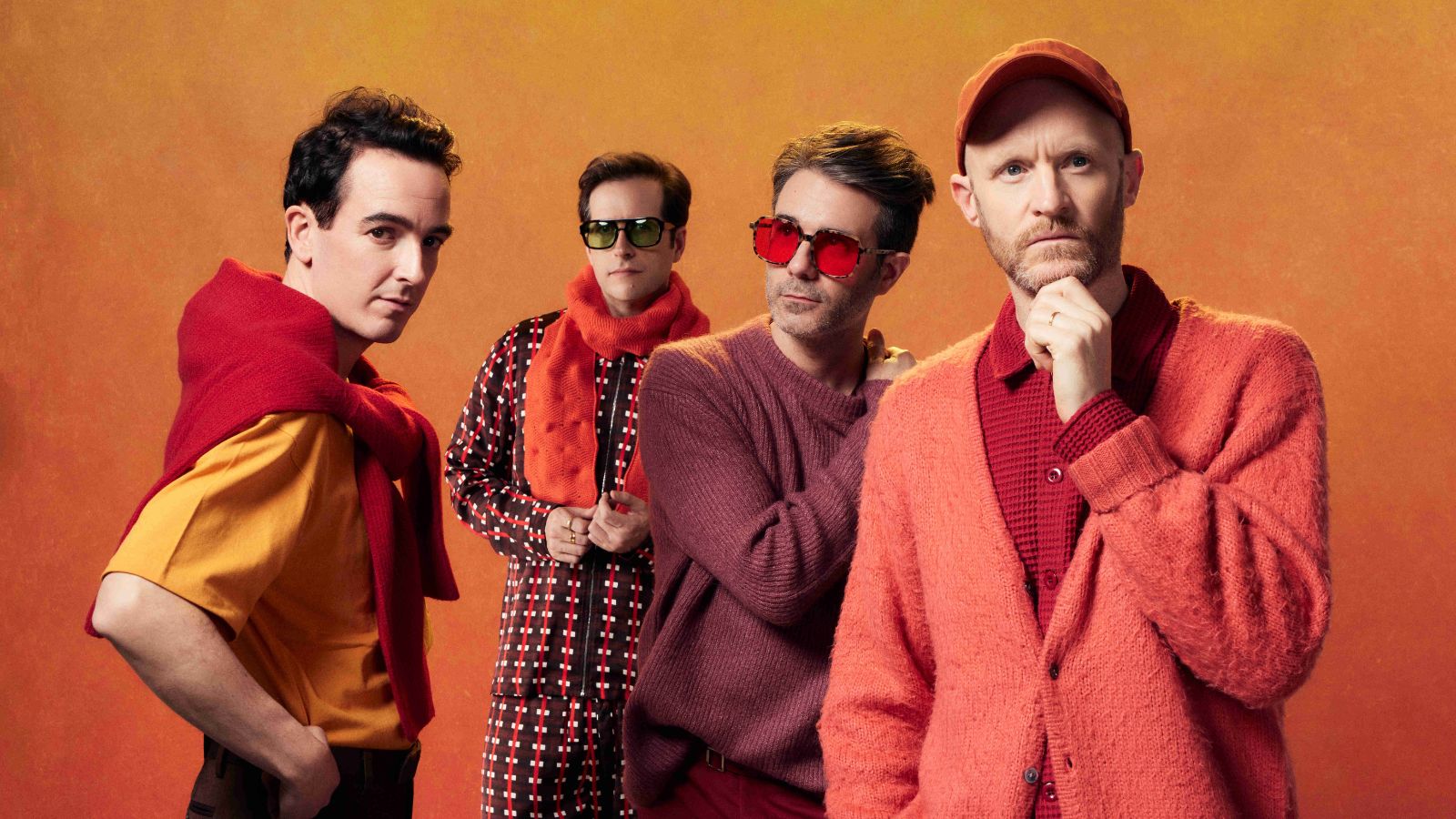
PREP: Photographed by Ian Hippolyte
Looking ahead, what new creative challenges would you like to take on?
Tom: It’s kind of a boring answer, but just to keep making more of it, you know, as much as you can. We’re really lucky to be able to do what we do. Playing shows like this is what kind of keeps the energy of it all going and enables us to do what we do back in the studio. There’ll be new collaborations. I’m sure you’ll be able to splinter off some of the other bits of the PREP project.
Dan: It’s funny, we’ve been doing this for like 10 years now, and we’re all really excited about even this new music, you know. And it’s really cool to still feel like that. Not many bands stay together this long, and they certainly might not find making music that fun anymore.
The last year we’ve been writing and recording a lot; we’re just really excited for people to hear it. With music, you never know where it’s going to take you. We never thought we’d be talking to you in a country so far away from home. And who knows what will happen in the next few things. It’s very fun.
Frequently Asked Questions
PREP formed in 2015 in London. A decade in, the band — Tom Havelock, Llywelyn ap Myrddin, Guillaume Jambel, and Daniel Radclyffe — continues releasing new music together.
The EP blends ’70s soul and jazz, ’80s pop production, and Japanese city pop, marking a return to self-producing after working with a French producer on their second album.
The Philippines is among PREP’s top listening markets worldwide. The band says Filipino crowds sing louder than any other stop on tour, drowning out the band during performances.
Yes — member Llywelyn ap Myrddin named Filipino singer-songwriter Armi Millare’s new album as a favorite, and the band says more collaborations are in progress but undisclosed.
PREP performed unreleased new music during their Manila return, alongside tracks from their catalog, as the band continues writing material following a year of recording.