




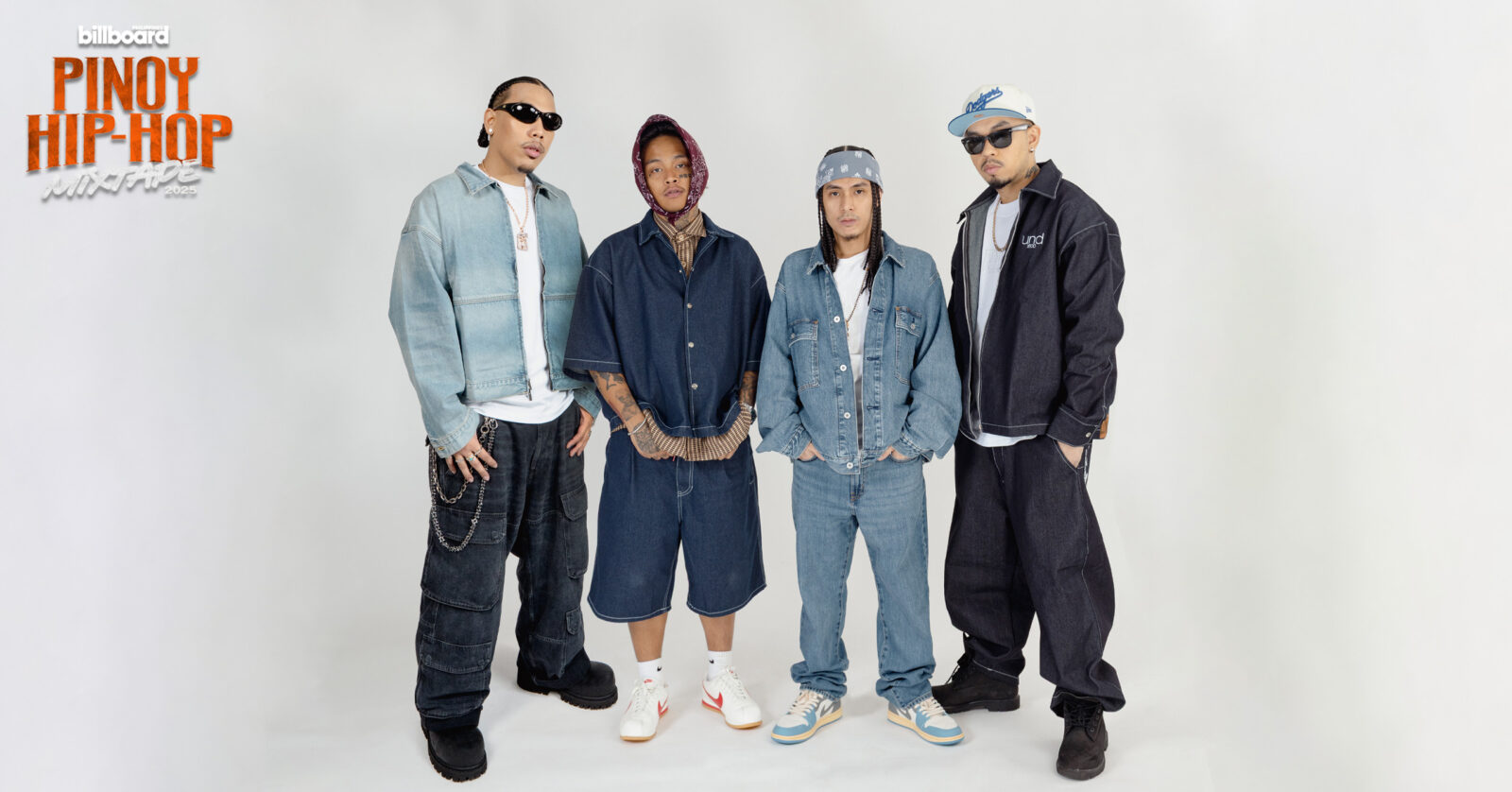
From its underground roots, the way we discover and consume hip-hop today — whether it be local or international — has shifted on a global scale.
Gone are the days of talent going unrecognized — with the expansion of social media platforms, everyone has their own niche to fill. Local hip-hop has also expanded in this way, from what was once an art depicted by its struggle has now shifted and become the voice of millions.
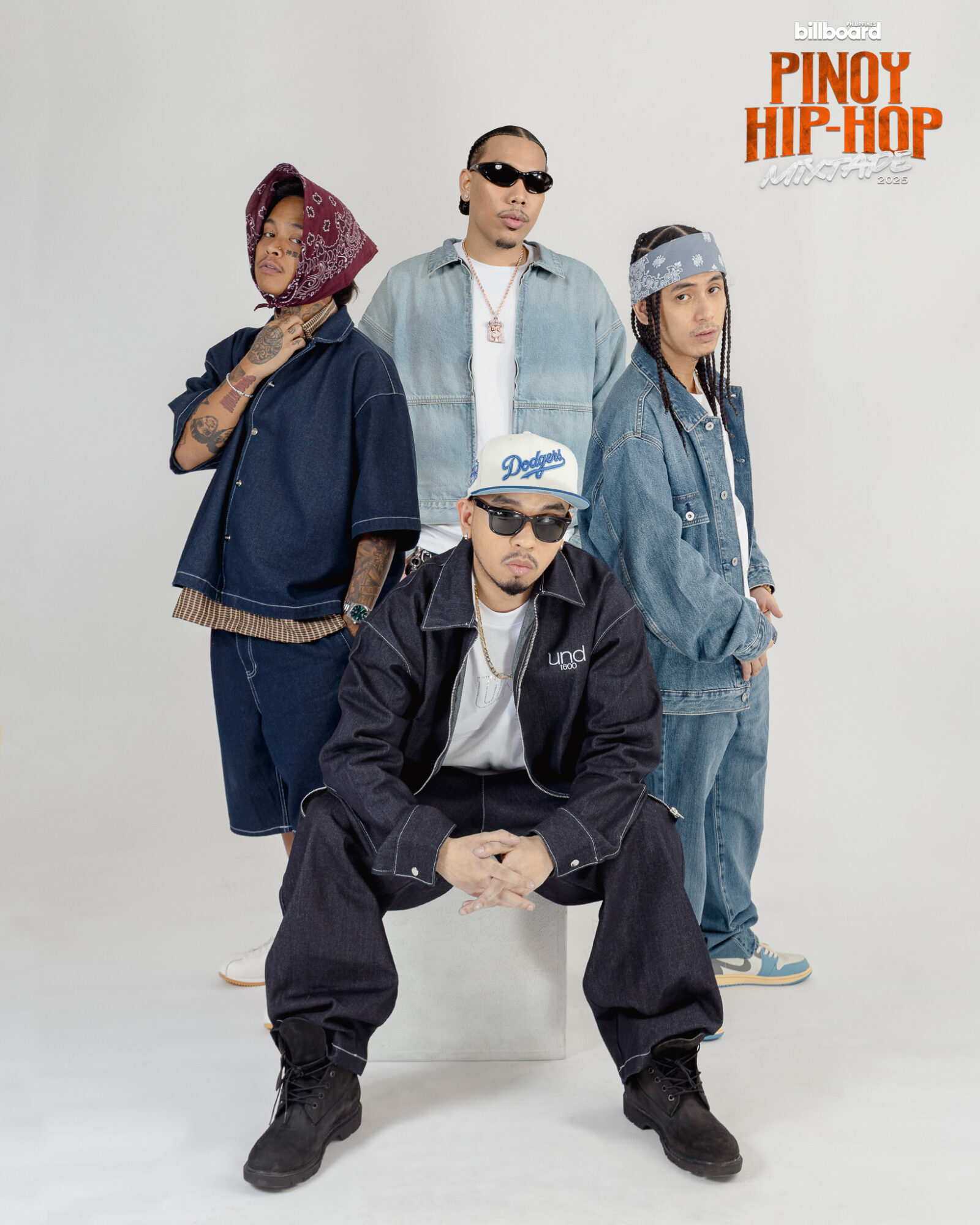
Photographed by Excel Panlaque and Mayks Go.
Still, whether it was through stating their name through battle rap or climbing through the algorithm of the Internet, the artists of the Billboard Philippines’ Pinoy Hip-Hop Mixtape 2025 each had differing mountains to climb to reach their level of success — a testament to how consumption influences the art and how the art molds itself around consumption.
From the Ring to the Stage
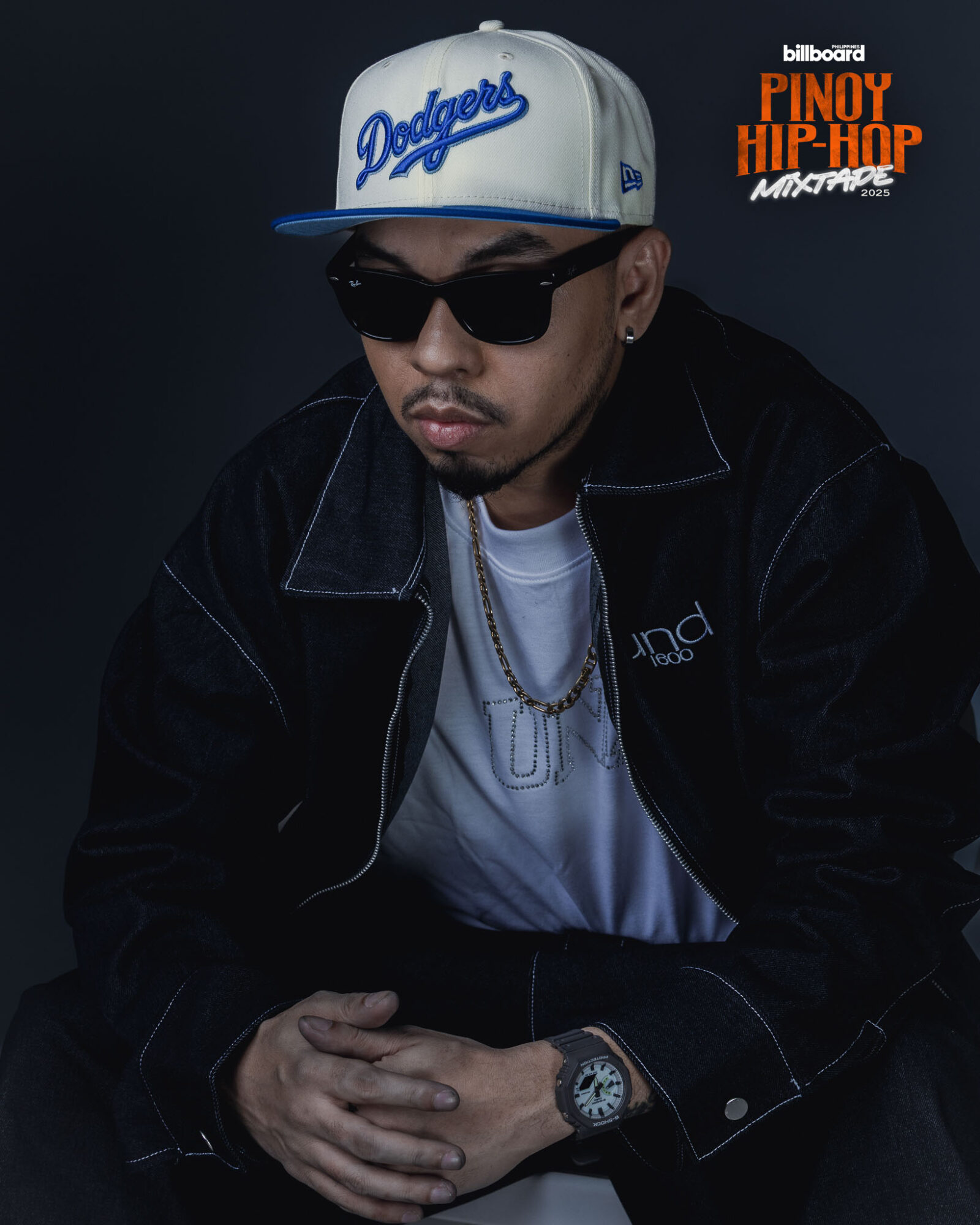
LOONIE: Photographed by Excel Panlaque
Fondly named by the public as “Kanang Kamay Ni Francis M” (The right hand man of Francis Magalona), Loonie had long been a part of the rap game before entering the realm of battle rap. In an exclusive interview with Billboard Philippines, he shared, “’Yung ibang (The other) artists, they work very hard to get their dream collabs or work with their favorite artists. At sixteen, I reached Francis M.” He further elaborates, “For me, parang early ko makuha yung dream ko, eh (I fulfilled my dream early). I thought that was the crowning glory — the peak of my career (was that) I met Francis M.”
However, when Magalona passed away, he’d been left to create a legacy of his own. Loonie recounts one of their final moments together, where Magalona instructed him, “Tuloy ang rebolusyon, anak (Continue the revolution, my son),” and describes, “that lit a fire up my A-S-S.” As such, he delved into battle rap with a renewed sense of determination — one built on fueling the culture and creating a legacy.
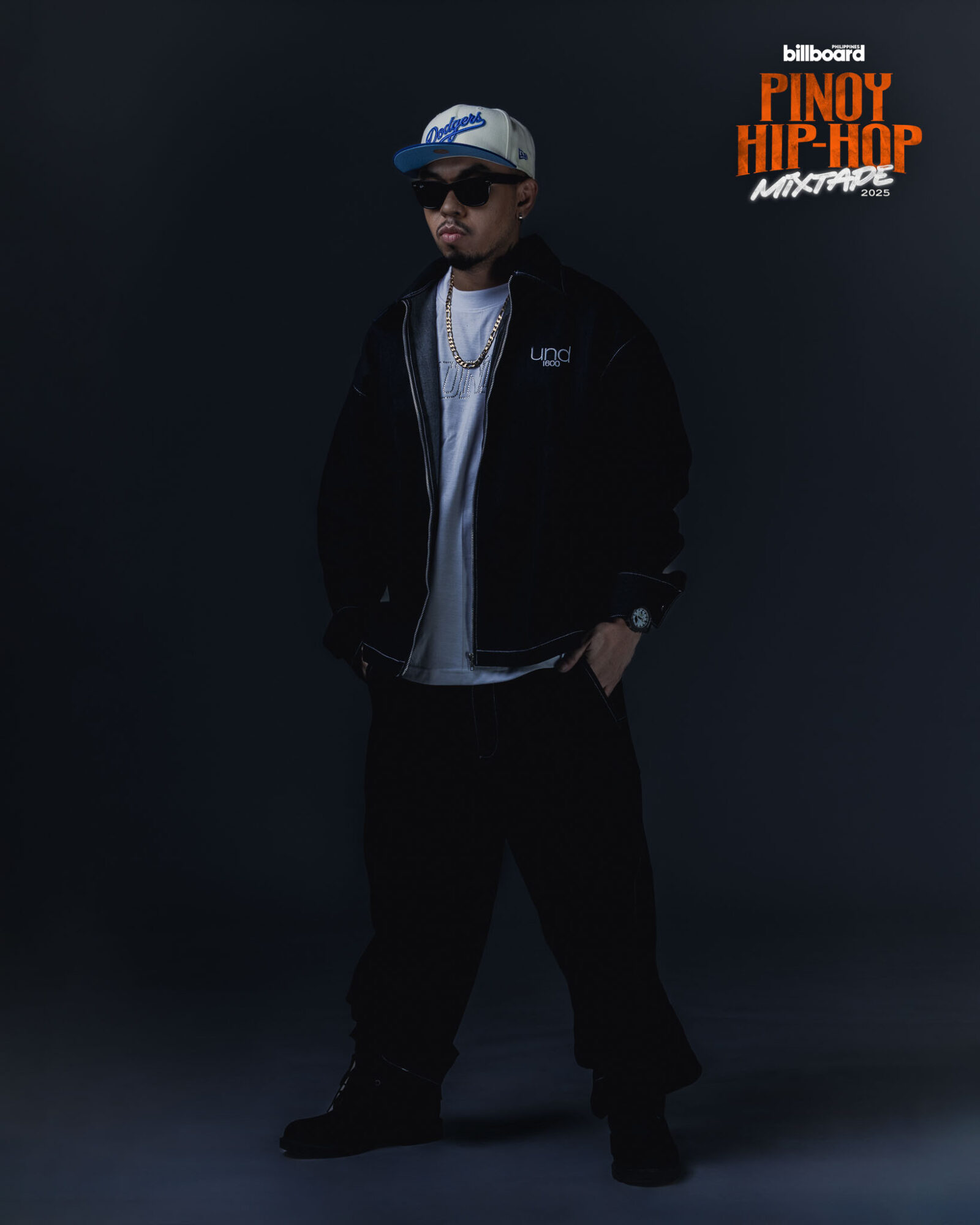
LOONIE: Photographed by Excel Panlaque
For Abra (and like many others), battle rap became the grounds on which he founded his artistry as a musician. “Sa FlipTop, it’s focused more on the lines, the bars, and the punch lines, so ma-put to the test ‘yung pagiging writer mo (so your skills as a writer are really put to the test).”
He continues, “So, it’s a big help when you transition to music; parang medyo nagiging (it somehow becomes) much easier for you to just come up with the punch lines and the bars.”
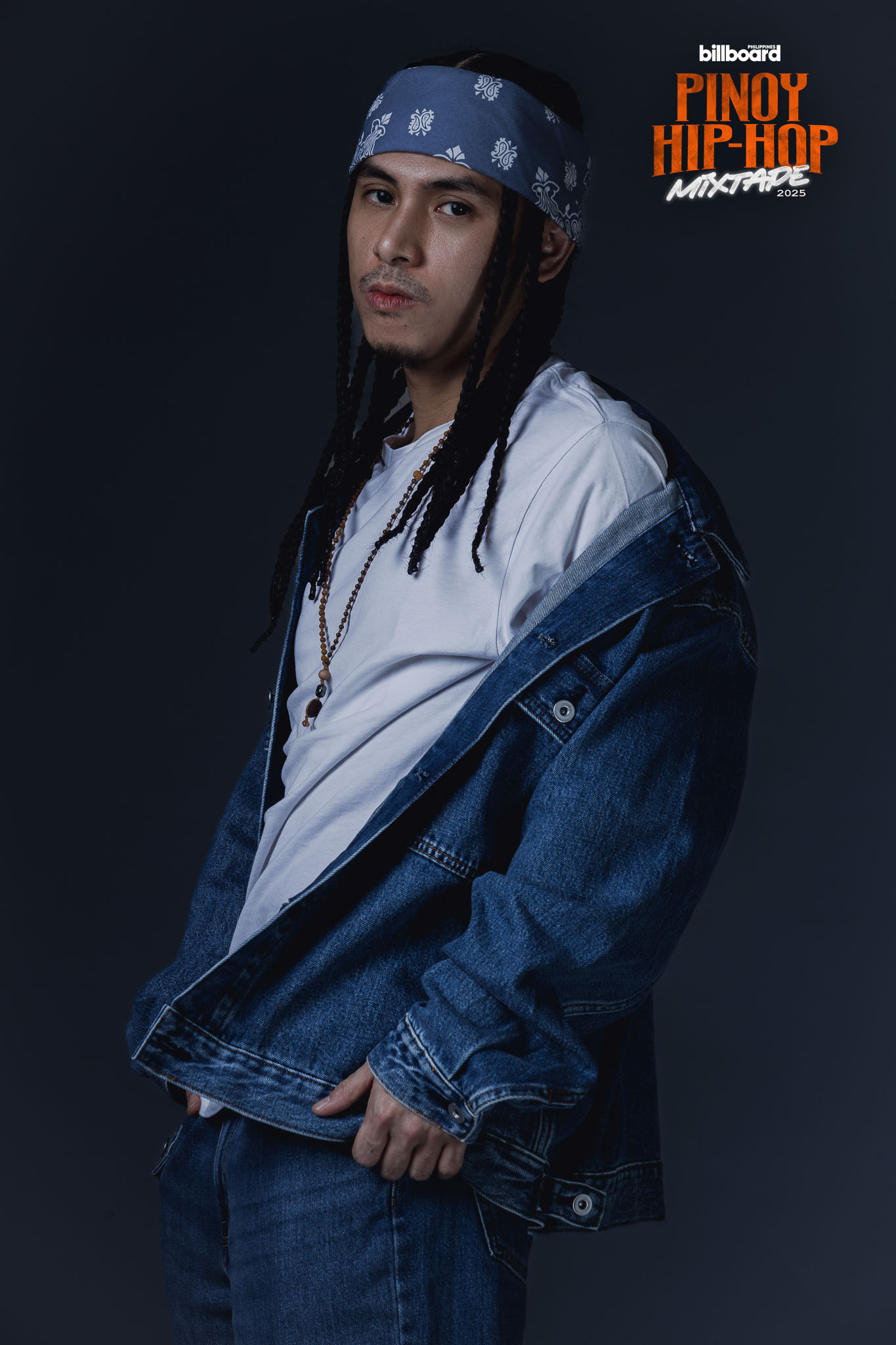
ABRA: Photographed by Excel Panlaque
As he slowly continues to unveil his music through release after release, writing fresh bars is no longer Abra’s biggest challenge — rather, the attention that social media brings becomes a new struggle. “Dati kasi parang (Back then), I felt like, ‘Yo, look at me!’ Now, when people are looking, parang (it’s like), ‘Can I still act like a wild boy?’ Should I?” He describes that with the new age, “Everyone has a clear camera and can put it up online na ganun kadali (that easily)” Still, in an era where striking a pose for the camera becomes instinctual, he tries to present himself as naturally as possible — “without the sugarcoating.”
He recognizes and emphasizes the power of the Internet in launching artists. Where battle rap was once a small gathering without cameras or grand venues, it has now grown into a nationwide phenomenon. “Ngayon ang saya kasi, wala pa sa major leagues, sobrang daming minor leagues and it’s a really big thing so kahit nasa probinsya ka, you just have to make your way through the battlegrounds and make it to FlipTop somehow.” (It’s great now because even before reaching the major leagues, there are so many minor leagues and it’s a really big thing, so even if you’re in the province, you just have to make your way through the battlegrounds to make it to FlipTop somehow.)
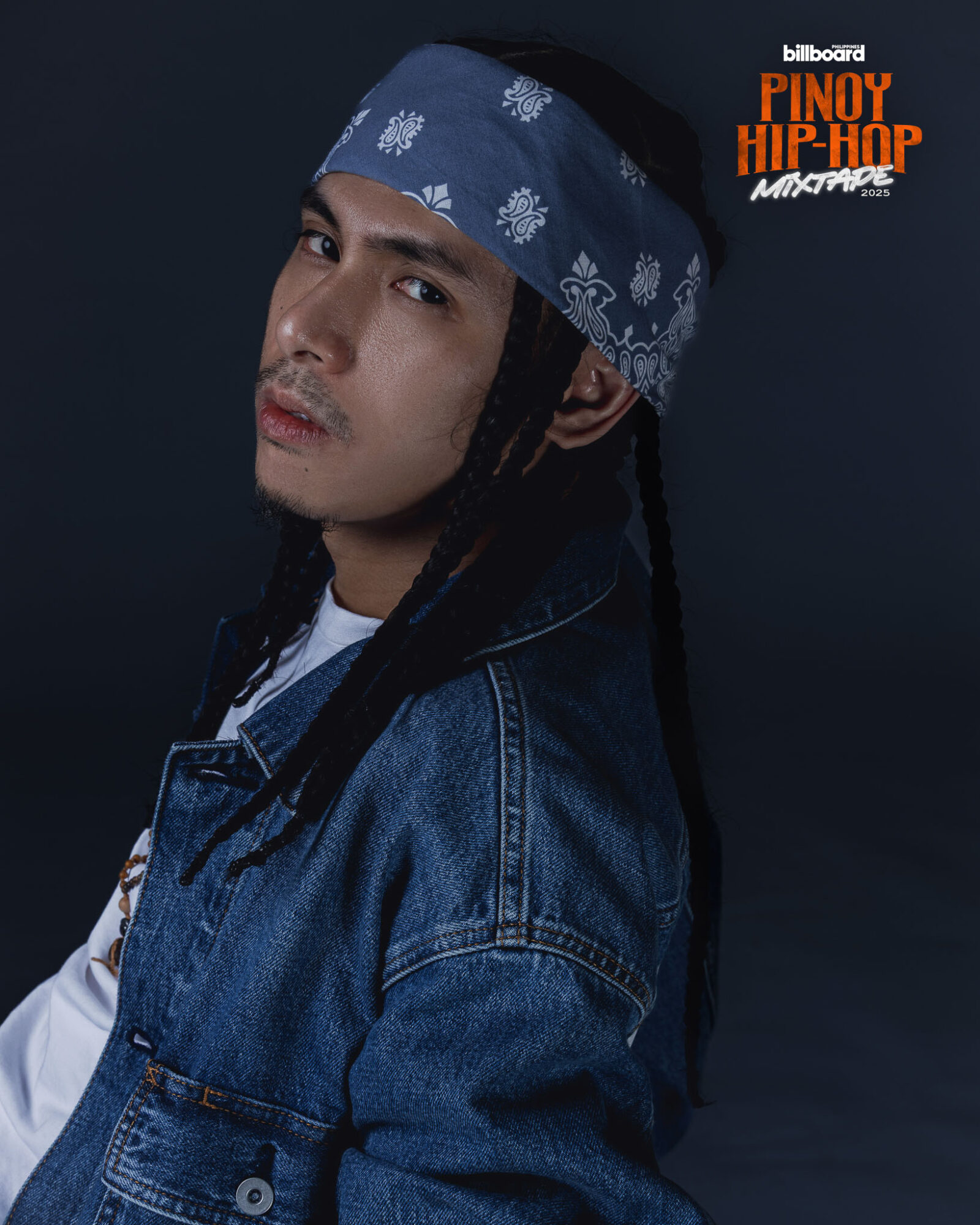
ABRA: Photographed by Excel Panlaque
From Soundcloud Dreams to Radio Waves
On the flipside, Al James climbed his way to fame largely through the internet. At its earlier stages, platforms like YouTube and Soundcloud were a major player in getting recognition as an underground MC of local hip-hop. With the 2017 hit single “Ngayon Gabi,” Al James was able to make his claim to fame, becoming not only a viral favorite but also making appearances on the radio — which, back then, was the equivalent of “breaking into the mainstream.”
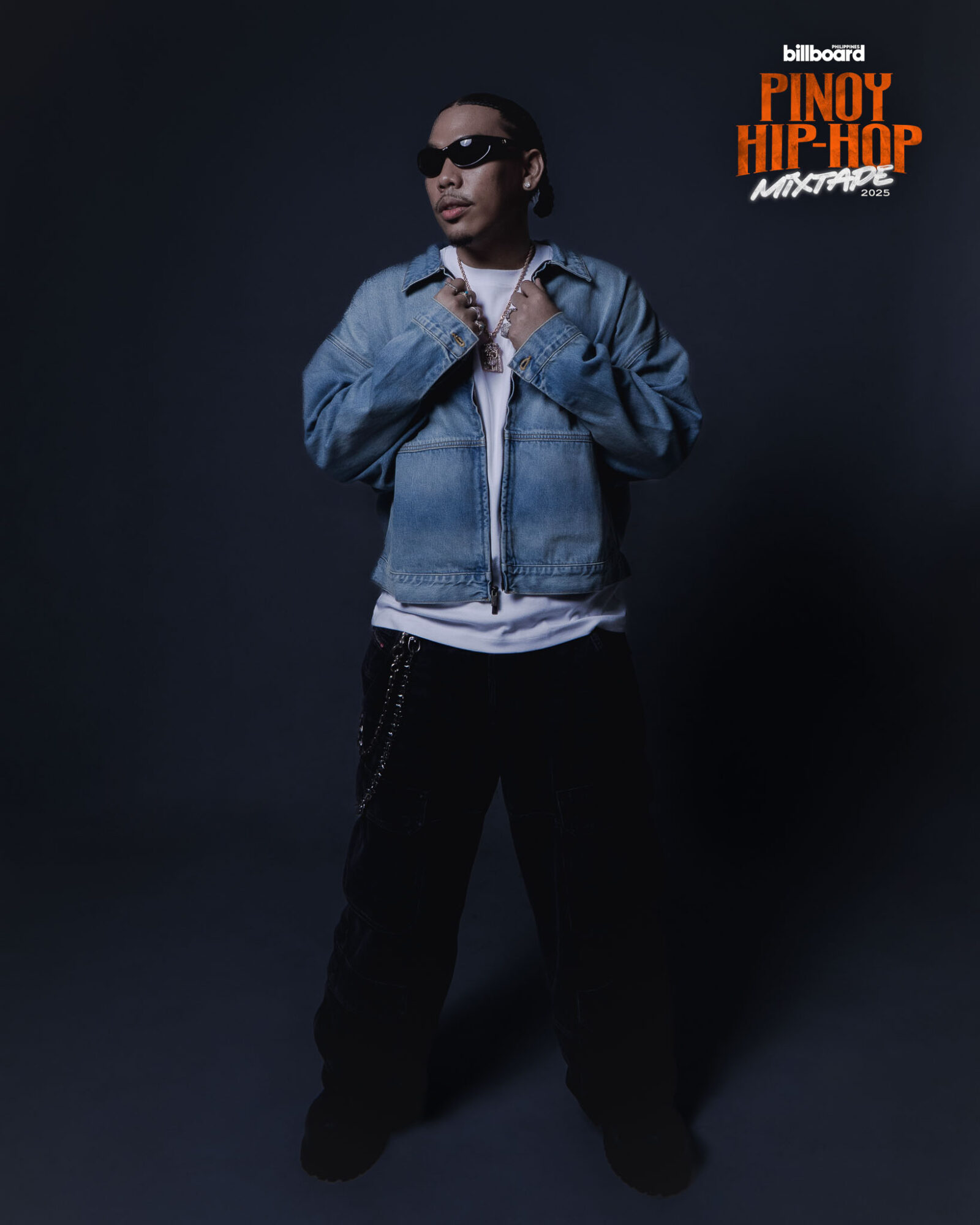
AL JAMES: Photographed by Mayks Go
“Nung time na ‘yun, yung hip-hop was very niche pa, underground. May mainstream, pero ‘yung community namin ‘yung nagpapasahan ng music.” (At that time, hip-hop was still very niche, underground. There was a mainstream, but our community was the kind that shared music with each other.) The hitmaker describes the earlier days of the hip-hop scene, “Tulong na rin ‘yung internet, and siguro ‘yung mga ginagawa naming mga events sa mga under-the-radar [venues] nasilip siya ng mga tao, ‘Uy anong nangyayari sa scene nila? May ganyan pala.’” (The internet helped too, and I guess our under-the-radar events caught people’s attention, like ‘Hey, what’s going on in their scene? I didn’t know that existed.’)
To rappers like Al James at the time, breaking into the mainstream without a major label was a major (if not impossible) feat. In his words, it was like a shot in the dark (“suntok sa buwan”). He elaborates, “Ang nangyari sa amin, independent talaga eh — from SoundCloud, we decided to upload sa YouTube para mas ma-showcase at mas maraming audience.” (What happened with us was we were really independent — from SoundCloud, we decided to upload on YouTube to better showcase our music and reach a bigger audience.)
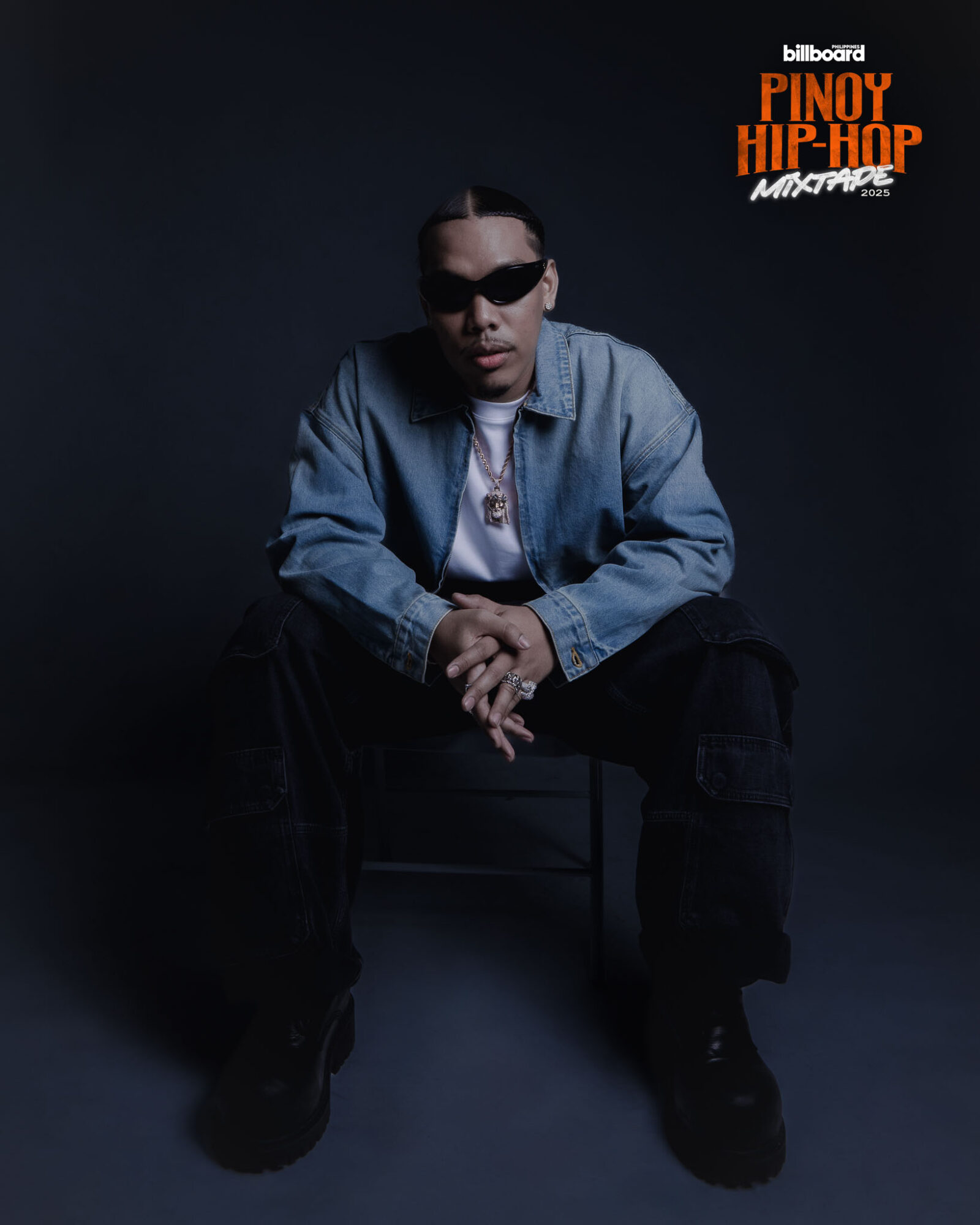
AL JAMES: Photographed by Mayks Go
Still, this holds no candle towards the power that the Internet holds nowadays over launching artists.
TikTok’s Reigning King
Can you recall the first time you encountered Hev Abi through his music online?
It’s no understatement that the rapper took the Internet by storm in the year of 2024, churning out hit after hit. When asked what his first reaction was to his music blowing up on TikTok seemingly overnight, he shares, “Well siyempre, nakakatuwa, kasi ‘di mo ma-imagine ganun kadaming tao ‘yung, kumbaga, ma-di-dig yung ginagawa mo.” (Of course, it’s amazing because you can’t imagine that so many people would dig what you’re doing.) He elaborates that he makes songs he himself wants to vibe to, and seeing people resonate with them makes him want to chase that feeling again and again.
Despite TikTok’s rapid and ever-shifting algorithm, Hev Abi isn’t fazed by the platform’s fast consumption style. “Pinaka lagi kong naging purpose hanggang ngayon at forever will be, ay gumawa ng kanta na hindi ko pa nagagawa dati.” (My purpose, always and forever, is to make a song I’ve never made before.) He continues, “In terms of social media, hindi siya na-apekto sa’kin sa paggawa ng music.” (In terms of social media, it doesn’t affect me in making music.)
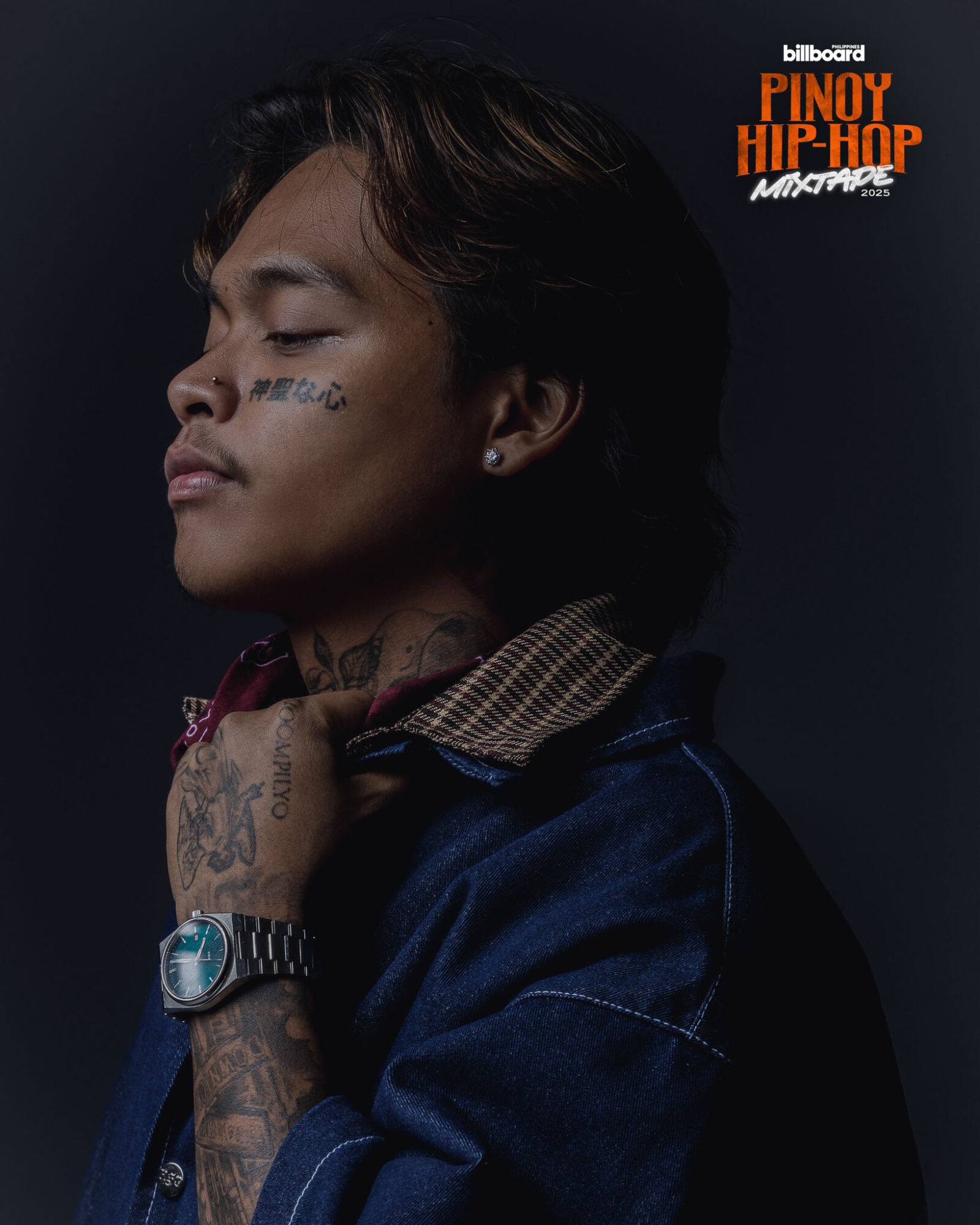
HEV ABI: Photographed by Excel Panlaque
Still, what grounds him beyond the numbers is seeing his fans in person, turning up for his shows. “Dun ko napansin na hindi lang kayo pumunta para manood ng show; pumupunta talaga kayo para mapanood ako para makita ako, para makita kung okay lang ako.” (That’s when I noticed that people didn’t just come to watch a show; they really come to see me, to check if I’m okay.) He describes how fans check on his well-being — something that continues to inspire him to create again and again.
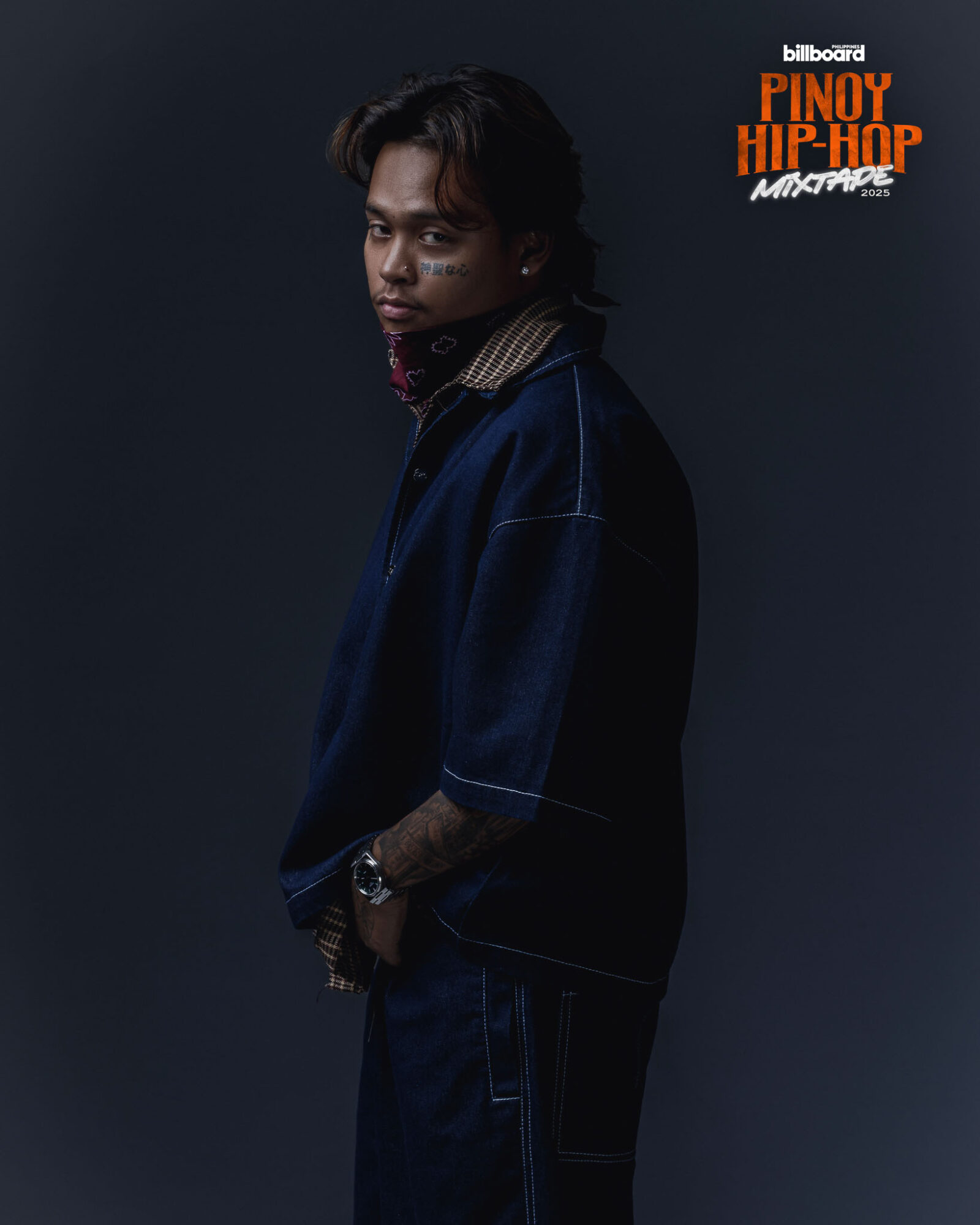
HEV ABI: Photographed by Excel Panlaque
The way we consume music today doesn’t just shape how we hear it — it’s a force that constantly expands what we’re able to experience. Whether it be through the songs we encounter on our ‘For You’ pages or anthems being steadily rapped in underground bars, hip-hop is a growing force that shapes the culture we see in Filipino music today.
Gone are the days of rigid gatekeepers; in many ways, making hip-hop accessible has always been part of its art, and now, that accessibility is what keeps it alive, evolving, and reaching further than ever before.
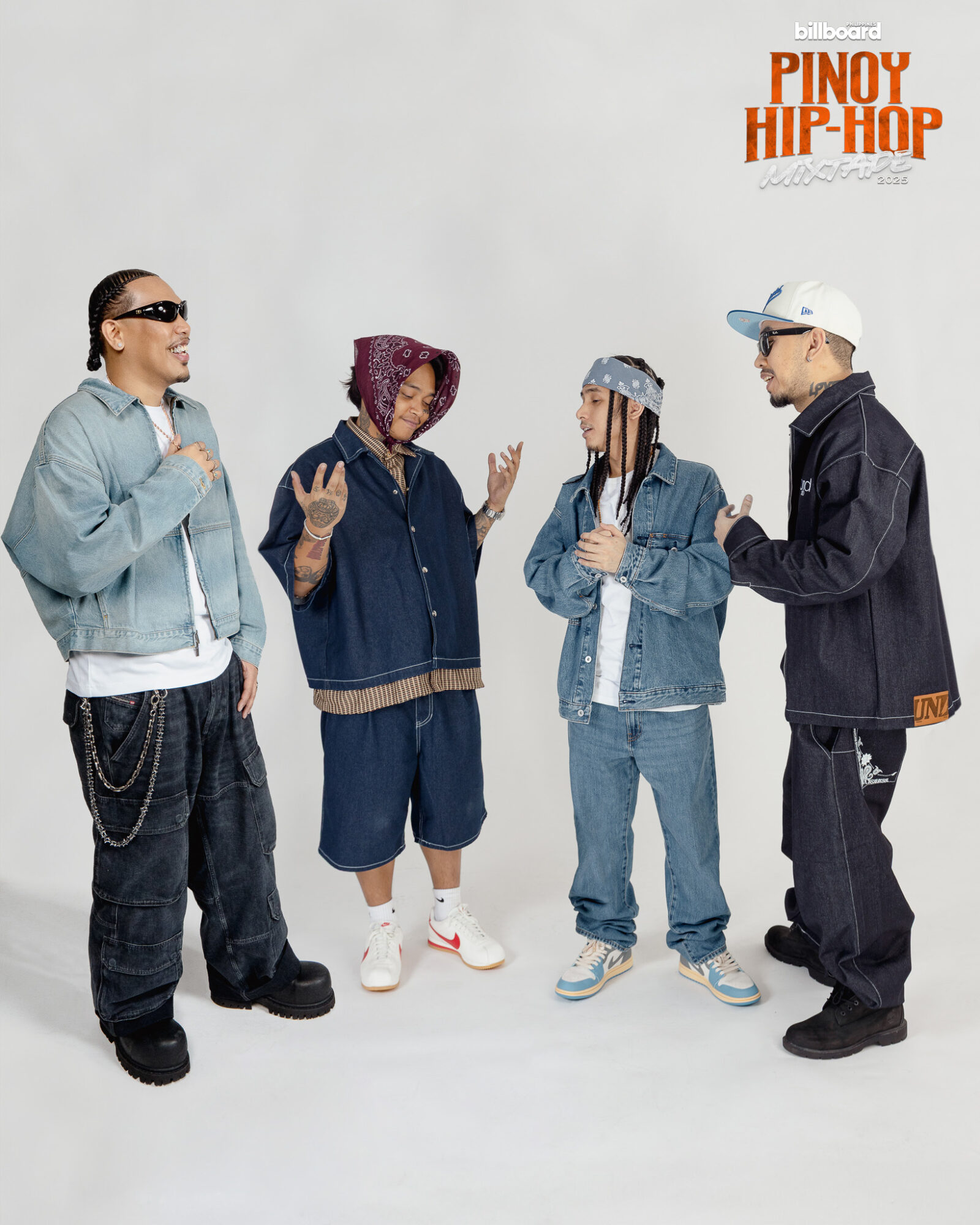
Photographed by Excel Panlaque and Mayks Go.
Photographed by Excel Panlaque and Mayks Go (Al James). Art Direction by Nicole Almero. Lights by Studio Simula (Al James). Produced by Mika Cruz. Story by Rome Saenz.