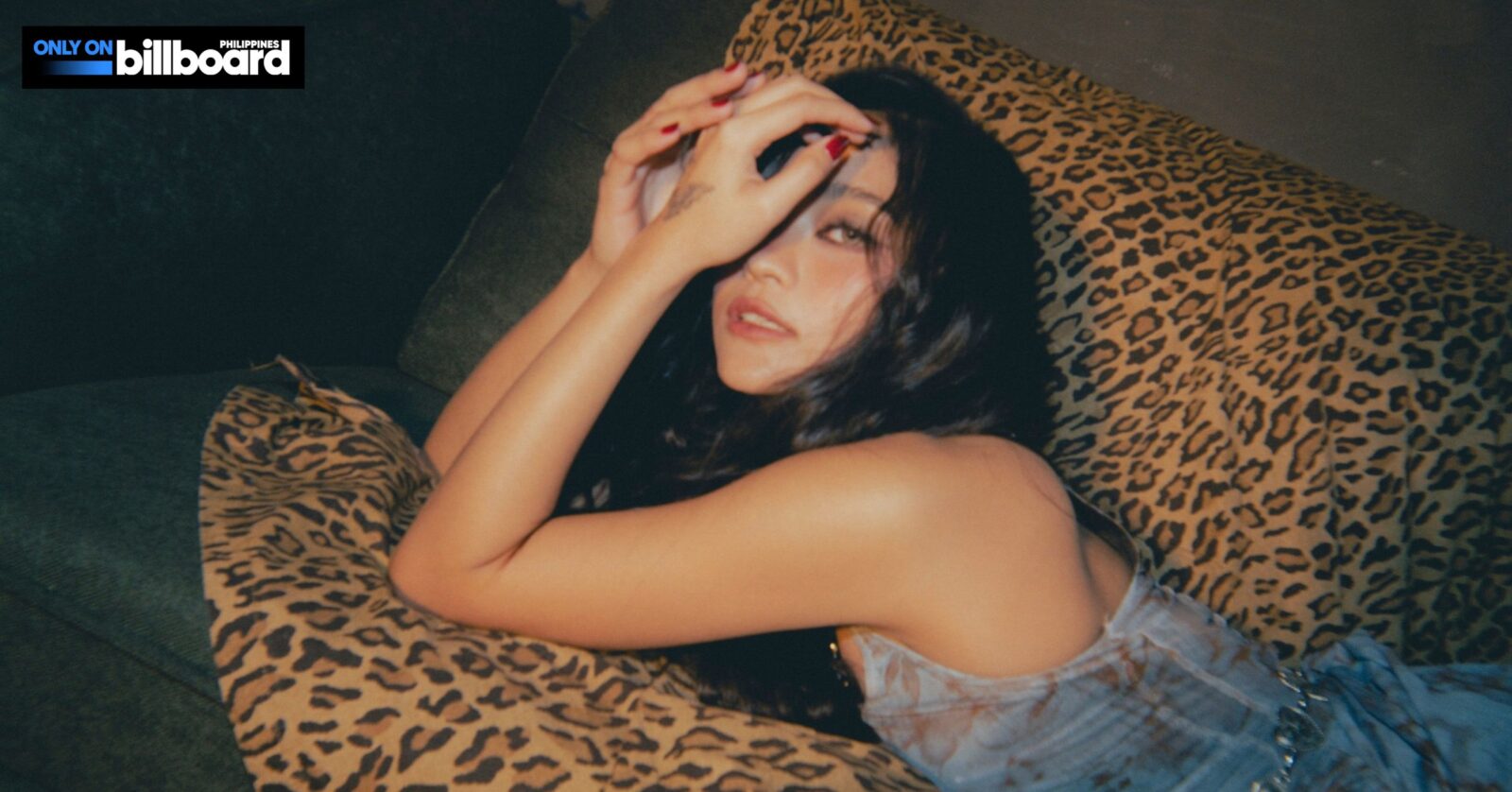
Mariah Deborah’s Viral Hit “Na Para Bang” Is The Yearning Anthem We Needed
The voice behind the chart-topping yearning anthem “Na Para Bang” unpacks her years of making music, finding her space in OPM, and building a connection with listeners through social media.




Courtesy of Mariah Deborah
Courtesy of Mariah Deborah
Sometimes, all it takes is one breakout hit for an OPMOPMShort for Original Pilipino Music, the body of songs created by Filipino artists, spanning genres from ballads and rock to hip-hop and pop. OPM expresses Filipino identity and heritage, andGo to OPM Glossary artist to create a song that becomes the soundtrack to so many Filipinos’ lives.
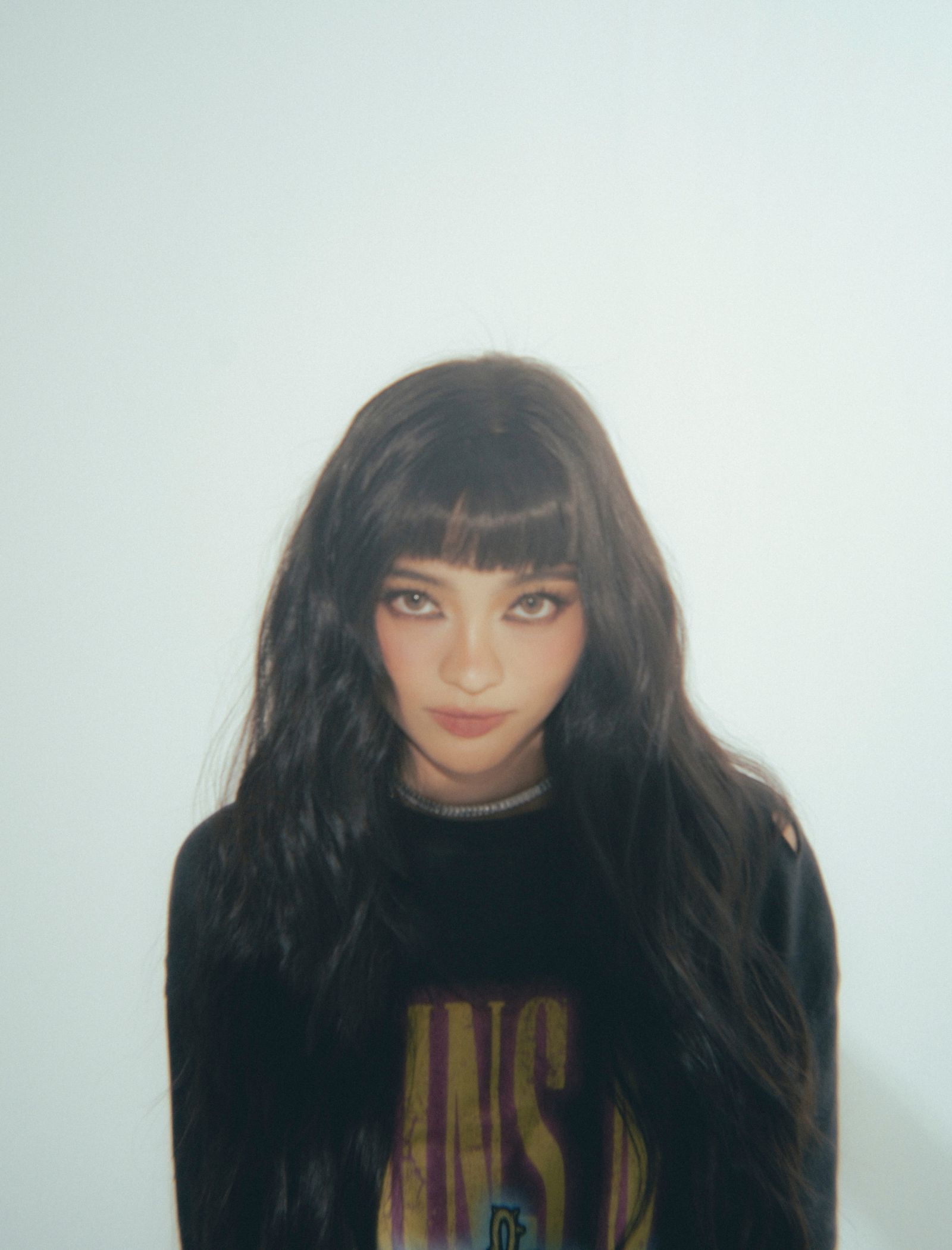
For Mariah Deborah, the voice behind the viral and chart-topping hit “Na Para Bang,” that moment has arrived. The highly relatable anthem has quickly found its way onto the playlists of yearners, making its mark on the local music scene.
Courtesy of Mariah Deborah
But long before “Na Para Bang” skyrocketed to virality, Mariah had already been writing and making music. Since the isolated days of the COVID-19 pandemic, she has continued to turn her experiences into songs and express herself through songwriting.
With the song’s growing presence across social media platforms, particularly TikTok, more people are slowly getting to know Mariah as an artist. Backed by years of releases and a growing presence in OPMOPMShort for Original Pilipino Music, the body of songs created by Filipino artists, spanning genres from ballads and rock to hip-hop and pop. OPM expresses Filipino identity and heritage, andGo to OPM Glossary, she is slowly carving out her own space in the scene.
One thing’s for certain: Billboard Philippines took notice. We talk to the rising OPMOPMShort for Original Pilipino Music, the body of songs created by Filipino artists, spanning genres from ballads and rock to hip-hop and pop. OPM expresses Filipino identity and heritage, andGo to OPM Glossary artist about her viral hit, her journey in releasing music — from her pandemic musings to her experiences in her twenties — and how making music in this day and age arms artists with social media platforms to capture everyone’s attention.
Billboard Philippines: Congratulations on your breakout hit, “Na Para Bang.” What was your initial reaction when you realized the song was gaining traction online?
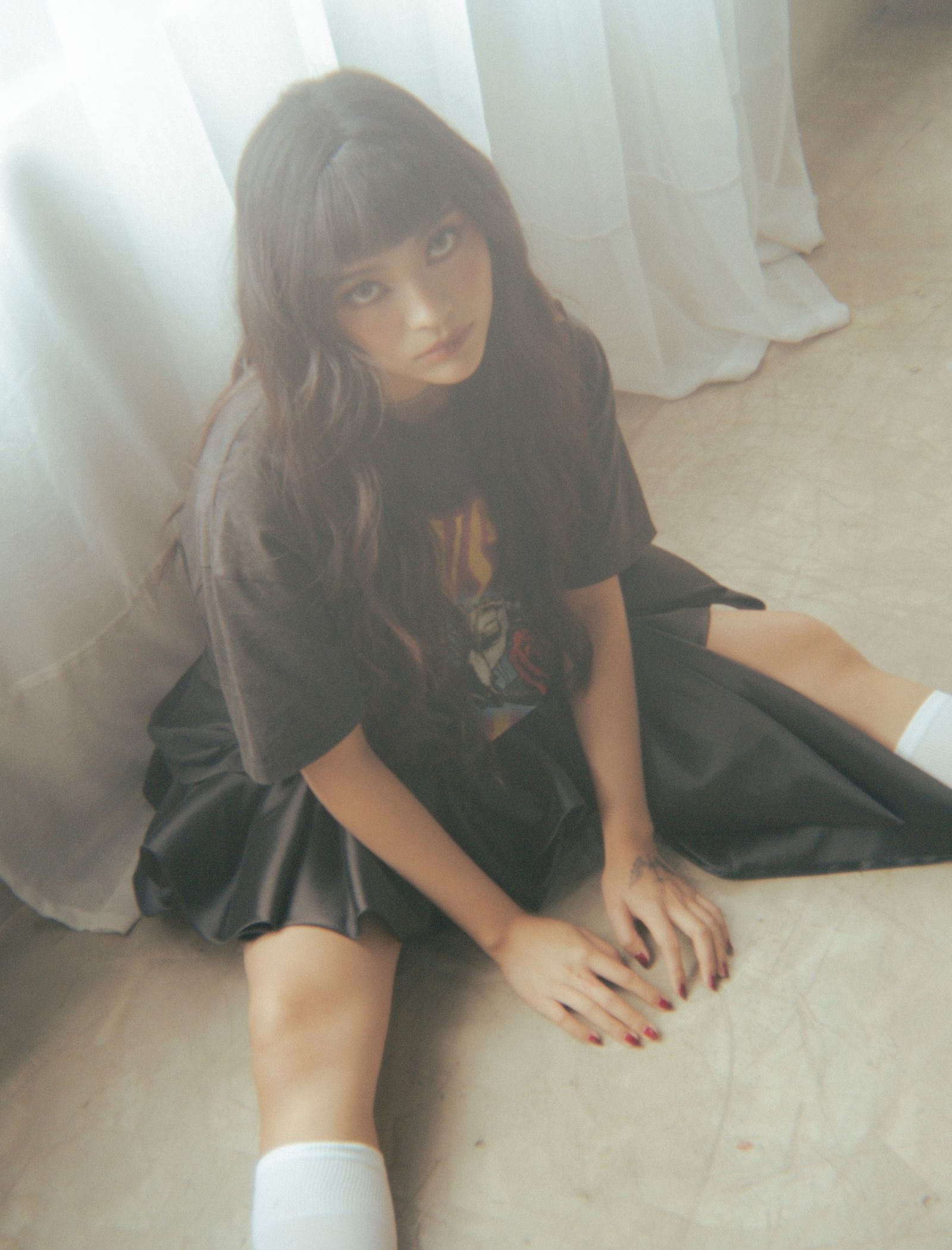
Mariah Deborah: To be completely honest, I was just still writing “Na Para Bang,” I already had a gut feeling that this single would do wonders [for] my career. I wrote it during the peak of the expression, “na para bang.” Everyone I knew was using it in their everyday conversations, so I thought it would be fun to turn this very familiar Filipino phrase into a song.
So when I released it last February, I genuinely expected it to have the potential to go viral. Not just because the title was catchy, but because I knew the lyrics were very relatable. Filipinos are such big yearners, and we also really value our friendships. The song is about having feelings for a friend and being scared that admitting those feelings might change the friendship, and I felt like that was an experience a lot of people could see themselves in.
Courtesy of Mariah Deborah
Did you expect this kind of reception when you first released the song?
When I first released it, it was well received by my existing listeners, and it also brought in new listeners. During the first few months, though, it didn’t quite reach the numbers I had imagined for it. Still, I never stopped believing in the song. I kept telling myself that maybe it just hadn’t found the right people yet. I also held on to the fact that some songs take time before they find their audience. For example, it took fitterkarma’s “Pag-ibig ay Kanibalismo II” around six months before it really blew up.
So when “Na Para Bang” finally started gaining traction online, I was so happy. My first thought was basically, “Yes, it’s about damn time.” And I’m not going to be the artist who says, “I never expected this to happen.” From the very beginning, I believed that “Na Para Bang” had what it takes to reach a mainstream audience. What I didn’t know was when that would happen.
I think that’s also why the reception has been so fulfilling for me. The song takes a very familiar experience and puts it into words that are simple and conversational. I think people hear themselves in it.
Courtesy of Mariah Deborah
The song reflects the confusing feelings of being stuck between staying friends with someone and wanting something more. Can you share what inspired you to write the song?
I’ve always been the kind of person who thought I would never date a friend. All of my manliligaws (suitors) before eventually became friends with me, but it was never the other way around. I think that says a lot about how sentimental I am and how much I value my friendships. I’ve always wanted my friendships to stay uncomplicated. Once someone becomes a friend, I really value that relationship for what it is.
So, for the longest time, I never imagined that I would reach a point where I’d develop feelings for one of my friends. Imagine my horror and frustration when I realized it was actually happening to me.
What made it even more complicated was that we were part of the same small friend group. It wasn’t just about the two of us anymore. I knew that whatever happened between us could potentially affect the dynamics of the entire group. There was this fear of, “If I say something and things don’t work out, will I lose not only this person but also the friendship we all have?”
And because I didn’t really know what to do with all of those feelings, I did what I do best. I wrote about it. Writing became the way I processed the confusion, the fear, and the frustration of wanting something more while also being terrified of losing what we already had. That eventually became “Na Para Bang.”
As humans, we can’t always control our emotions and feelings. Since the song is about falling for someone close to you, what advice would you give to people who truly relate to the song and are trying to move forward?
Oh no, I’m not great at giving advice. I also know kasi na every situation is different. But as an Aries, I did tell my feelings. Personally, I think there’s something so intimate about telling someone you like that they’re fancied, especially when you’re not asking for anything in return. There would be no “what ifs” sa part mo, and who knows, maybe they also feel the same way. In my case, the odds were in my favor, so it turned out pretty well.
Courtesy of Mariah Deborah
In 2020, you released your debut singleDebut SingleAn artist's first officially released song, introducing their sound, image, and voice to the public. A debut single often shapes first impressions, and its reception can determine early momentum, makingGo to Debut Single Glossary, “Dangerous Dance.” Who are some of the artists who have inspired the kind of music you want to make, and has that list changed over the years?
As a child, I always looked up to Taylor Swift. Beyond her catchy songs, I was especially drawn to her songwriting and the way her music creates a sense of connection among women. She really played a huge part in inspiring me to start writing songs at a very young age. In a way, she showed me that you can take something very personal and turn it into a song that makes other people feel seen.
As I grew older, my musical influences became much more diverse. I’ve always been very versatile when it comes to the music I listen to, and I think that naturally reflects in the kind of music I make. I love Olivia Rodrigo, UDD, and Erin LeCount, but I also listen to artists like Lady Gaga, Ariana Grande, and Doja Cat. I’ve always loved pop music, but I also enjoy exploring different sounds, which is probably why my own music has gone through different styles over the years.
Courtesy of Mariah Deborah
Would you say you’re making the kind of music you’ve always wanted to make?
I’d say I’m still in the process of finding and defining my sound, but at the same time, I do believe I’m making the kind of music I’ve always wanted to make. One of the most important things for me is that I get to write my own songs and have a say in how I want them to sound. I’m also really lucky to work with producers who value my ideas and allow me to be involved in the creative process. I get to bring my own perspective while also learning from the people I collaborate with (shoutout to Kuya Shad, Kuya Ken, and Kuya Abner!)
In 2023, you released your debut album, i wanna eat your intestines. Can you share your experience of releasing a full-length project compared with releasing a single?
I released i wanna eat your intestines for a lot of reasons. I started making the album in 2022, when I was really in the trenches. A lot was happening in my personal life, and I was writing constantly. It was also the second year of the pandemic. Even as an introvert who genuinely loves staying indoors, I was craving some kind of human connection.
At the same time, I started realizing that if I wanted to put my music out there, I couldn’t just sit around waiting for a producerProducerThe person who guides the creative and technical process of making a recording, shaping its sound, arrangement, and overall quality. Producers can write, compose, engineer, and direct performances, and aGo to Producer Glossary or a record label to discover me. I remember thinking, “What if matagalan pa pala ’tong pandemic? (What if the pandemic lasts longer?) Then I’m just wasting my time.” So I decided to take advantage of the time I had and start producing and recording the songs myself. I wasn’t waiting for someone else to give me permission to create. I was just proactively making something.
Looking back, I honestly don’t know how I managed to do all of it. I remember creating that album like it was life or death. I had a schedule: I would attend my online classes in the morning, produce one track in the afternoon, and record vocals for another track in the evening.
It was difficult because I already had a very specific idea of how I wanted my songs to sound, but I didn’t necessarily have the technical skills to make that vision happen. I wasn’t confident playing instruments, and I didn’t know anything about music theory. All I really had was my taste and a story to tell.
Courtesy of Mariah Deborah
What did that experience teach you about the creative process of making music?
But that’s also what made making the album so much fun. Because it was a full-length project, I could be incredibly personal and sentimental with it. I could make creative choices that might seem small but were meaningful to me. I remember using a voice memo as a sound effect (“good girl”) in “are we okay?” I screamed someone’s name in “carousel” and added so many vocal effects that it became part of the background. I arranged the tracks so that, when listened to from beginning to end, they told a story chronologically. I even released each single on dates that held personal meaning for me.
I also got to collaborate with my friends, which made the whole experience even more special. Enzo Caday co-produced “carousel” with me, Shan Genove made the cover art for both “carousel” and “hawlang ginto,” and Steven De Vera Reyes took the cover photo for i wanna eat your intestines.
I think the biggest thing I learned from making that album was to trust my creative instincts and, more importantly, to just keep creating. The album didn’t get a lot of attention when it came out, but I was — and still am — so fulfilled that I made it. I got to tell a story exactly the way I wanted to tell it, experiment with my creativity, and make something that was completely mine.
And even if it didn’t reach a huge audience at the time, there were still people who found certain songs from the album and really connected with them. That taught me that you don’t always create something knowing exactly how it will be received. Sometimes, you just have to make the thing that you feel compelled to make and trust that it will eventually find the people it’s meant for.
Courtesy of Mariah Deborah
You’ve released a series of singles over the past few years, with “Na Para Bang” becoming a standout release in your journey. Having been making music for more than six years, how would you reflect on your journey as an artist so far?
Well, if we’re going to count what’s happening with “Na Para Bang” now, of course, I’m so happy and fulfilled. It feels like I’m finally reaping the seeds that I’ve been planting for such a long time. Kasi, it really wasn’t the easiest journey.
I’ve been releasing my original music since 2020. With every single release, I would always hope, “Maybe this is the one that’s going to be a hit,” and then it wouldn’t be. The same thing happened with my debut album.
Just to give you some context, “Na Para Bang” is actually the 20th song I’ve released throughout my entire journey. So there have been a lot of mental battles along the way, especially the fear of “I hope people don’t make fun of me for trying.” Every time I release something, I have to promote it. I have to put myself out there and ask people to listen. And if it flops, it’s going to flop publicly. You can’t really hide from that.
There’s also the pressure that comes with dedicating such a huge part of my life to taking a risk on music. I’ve always known that I don’t see myself working a 9-to-5 or in a corporation. I’ve always felt that my place is here, making OPMOPMShort for Original Pilipino Music, the body of songs created by Filipino artists, spanning genres from ballads and rock to hip-hop and pop. OPM expresses Filipino identity and heritage, andGo to OPM Glossary. But choosing this path also means carrying the pressure of being able to sustain myself and, eventually, my family financially.
And because I’m an independent artist, every release is also a financial risk. I have to take money out of my own savings just to put the music out there and give it a chance. So, seeing “Na Para Bang” receive this much recognition is really fulfilling. More than anything, it gave me hope. It made me feel like maybe I really can build a career out of this. Making music is the only thing I’ve ever wanted to do, so to finally see people connecting with something I created makes all the years of trying, failing, and trying again feel worth it.
Courtesy of Mariah Deborah
Looking ahead, what can your fans and listeners expect from you and your music?
I’ve been actively promoting my music on TikTok since January 2026, and over the past few months, a lot of my “debotos” (devotees) have been asking when they’ll finally get to see me perform live. I guess I can finally say that it’s going to happen!
Thank God, I’ve been getting a lot of inquiries for live performances lately, so my listeners can expect that I won’t just be singing to them through their screens anymore. I’m really excited to finally meet the people who have been supporting my music online and hopefully create that connection in person.
As for new music, I can’t say exactly when my next release will be. I want to be more intentional with my releases moving forward and make sure that every song I put out is something I genuinely want to say and share. But I’ve also been feeling very inspired lately. I have so many ideas in my head and so many things I want to write about, so I’m excited to see where that takes me creatively.
Frequently Asked Questions
“Na Para Bang” is an OPM single by Mariah Deborah about developing feelings for a close friend and fearing that admitting them could change the friendship. She wrote it after falling for someone in her own friend group, titling it with a popular Filipino phrase.
Mariah Deborah released “Na Para Bang” in February, and it took time to reach the numbers she expected. It later gained traction online, especially on TikTok, where she has actively promoted her music since January 2026, and it is now a viral hit.
Mariah Deborah is an independent OPM singer-songwriter who has released original music since her 2020 debut single “Dangerous Dance.” She followed with her 2023 debut album, i wanna eat your intestines, and “Na Para Bang” is the 20th song she has released.
Mariah Deborah names Taylor Swift as her earliest influence, mainly for songwriting, and also cites Olivia Rodrigo, UDD, and Erin LeCount. She listens widely to Lady Gaga, Ariana Grande, and Doja Cat, which she says explains why her music has moved through different styles.
Mariah Deborah says live performances are coming after listeners and inquiries asked for shows. She has not given a date for her next release, saying she wants to be more intentional with future songs while feeling inspired by many new ideas to write about.