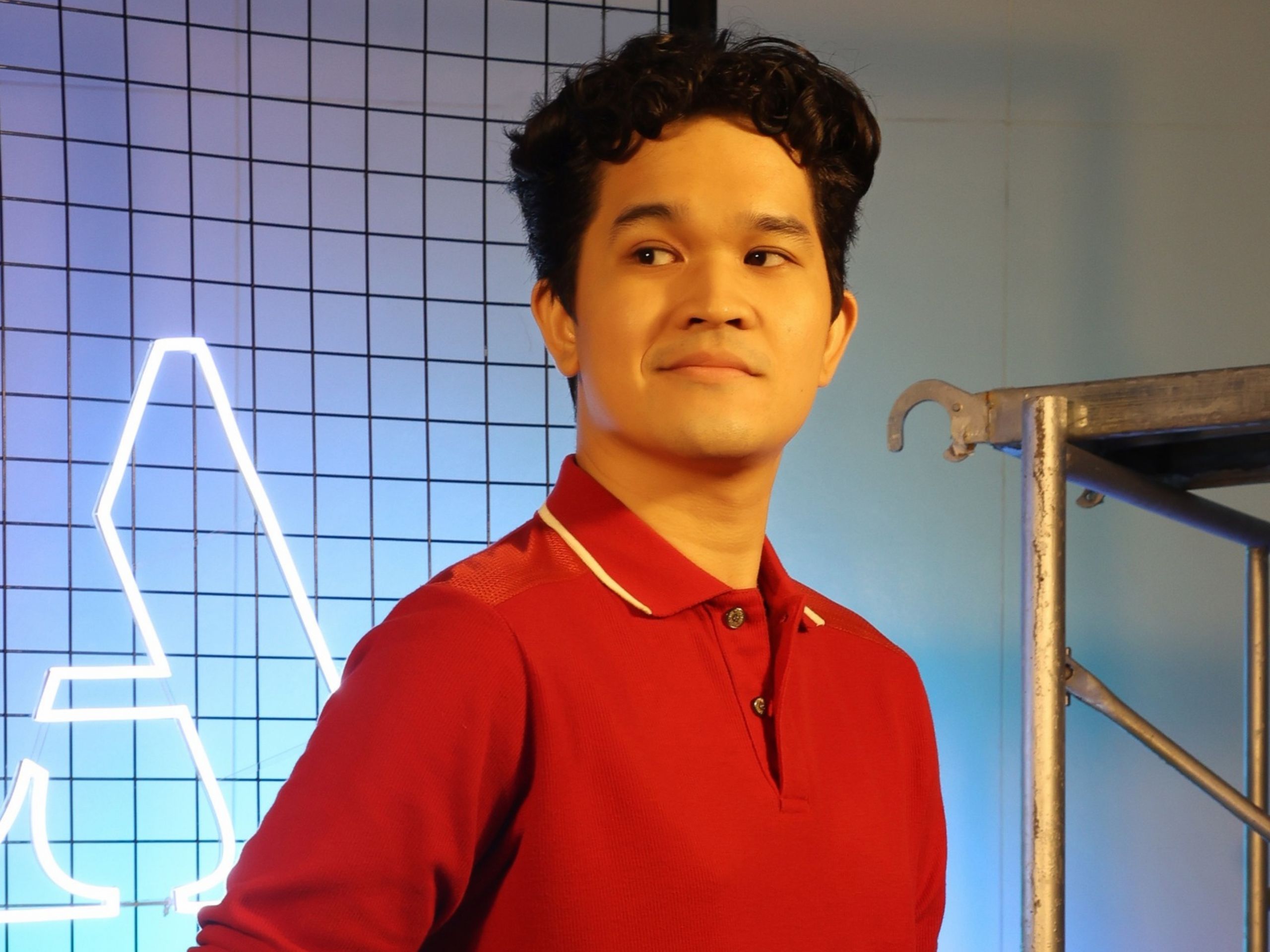
Shadiel Chan: Anatomy Of A Hitmaker
“It’s not about overhauling your work production, making something super, super crazy unique […] sometimes it’s just the honesty of the track, how the artist wrote it, and people will relate to it,” Chan shares.


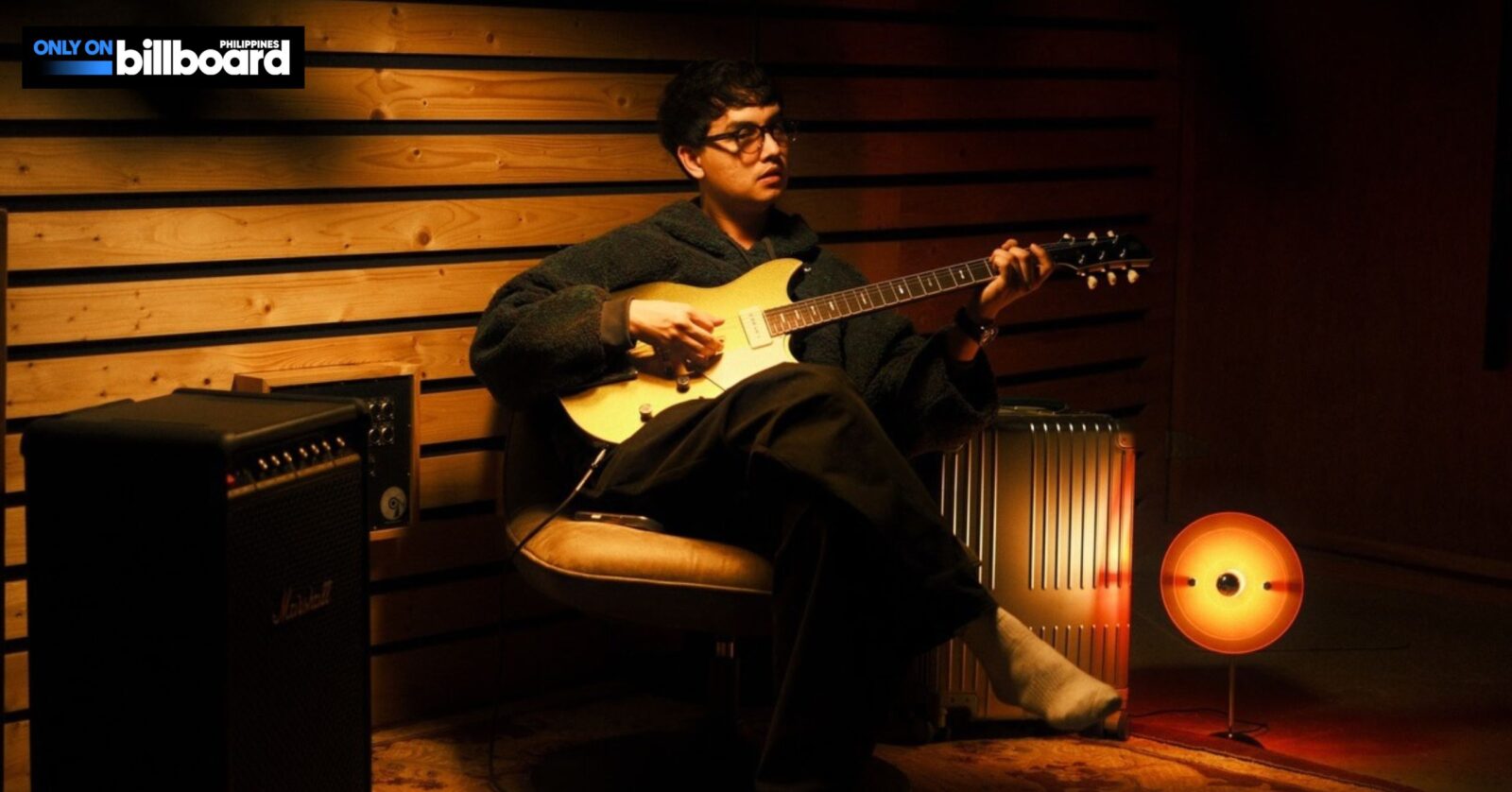
SHADIEL CHAN: Photographed by Abner Badua
SHADIEL CHAN: Photographed by Abner Badua
As a certified hitmaker behind some of today’s biggest OPMOPMShort for Original Pilipino Music, the body of songs created by Filipino artists, spanning genres from ballads and rock to hip-hop and pop. OPM expresses Filipino identity and heritage, andGo to OPM Glossary hits, Shadiel Chan has quietly made his mark on the local music scene.
Collecting chart-toppers like Thanos collecting the Infinity Stones, the Baguio-based producerProducerThe person who guides the creative and technical process of making a recording, shaping its sound, arrangement, and overall quality. Producers can write, compose, engineer, and direct performances, and aGo to Producer Glossary and CEO of Nine Degrees North has helped bring some of the biggest songs of recent years to life.
These include, of course, 2025’s undisputed biggest song: Cup of Joe’s “Multo,” SunKissed Lola’s “Pasilyo,” and, most recently, Mariah Deborah’s “Na Para Bang” — which topped the Billboard Philippines charts.
But for him, it’s not about chasing one hit after another. At the heart of it all is authenticity, sincerity, and nurturing a good relationship between the artist, the producer, and the team of audio engineers working together to create a song that resonates deeply with listeners.
As OPMOPMShort for Original Pilipino Music, the body of songs created by Filipino artists, spanning genres from ballads and rock to hip-hop and pop. OPM expresses Filipino identity and heritage, andGo to OPM Glossary continues to evolve, Chan seems to be part of the zeitgeist, having lent his hand and genius to songs that capture what many Filipinos are listening to.
Billboard Philippines takes a closer look inside the mind of the hitmaker, exploring the inner workings of producing modern OPMOPMShort for Original Pilipino Music, the body of songs created by Filipino artists, spanning genres from ballads and rock to hip-hop and pop. OPM expresses Filipino identity and heritage, andGo to OPM Glossary hits, collaborating with some of today’s biggest artists, and what excites him most about the local music scene.
Billboard Philippines: You’ve produced everything from chart-topping hits to fan favorites. Is there a particular process or formula you follow when producing a song that connects with listeners?
Shadiel Chan: Well, I would say it’s been more collaborative. As time progressed, I’ve worked with more people, and I’ve learned that things go better and smoother when you’re open to ideas, other people’s ideas.
Actually, may process siya (there is a process). Usually, before I start working on a song with an artist, I ask for a demo to at least hear where the song is at. And then I ask the artist ano ‘yung vision niya, if may certain pegs ba siya.
So, depende kasi yan sa (It depends on the) artist. May mga (There are) artists who know what they want. Meron naman yung mga (There are also) artists who just entrust you with the song. From there, I really like working with the artist inside the room na lahat kami magkakasama (when we’re all together).
But at least kung may mga certain things na gusto ‘yung artist or ayaw, right there, nasasabi niya, na-express ng artist ‘yung emotion or the song or certain things they want to add or remove. (But at least, if there are certain things an artist likes or dislikes, right there, they can tell and express the emotion or song or certain things they want to add or remove.)
I’m not really a fan kasi masyado of pag ‘yung (of when an) artist is away. Tapos parang magse-send-an na lang kami (And we’re only connecting) online. Parang ang hirap kasi nung (It feels like it’s a hard) connection. So, for me, important ‘yung connection between artist and producerProducerThe person who guides the creative and technical process of making a recording, shaping its sound, arrangement, and overall quality. Producers can write, compose, engineer, and direct performances, and aGo to Producer Glossary and those people collaborating on the song. So, from there, we come into the studio, and then we build na layer upon layer hanggang matapos siya (until we finish it). Usually, it takes around two days to finish a song.
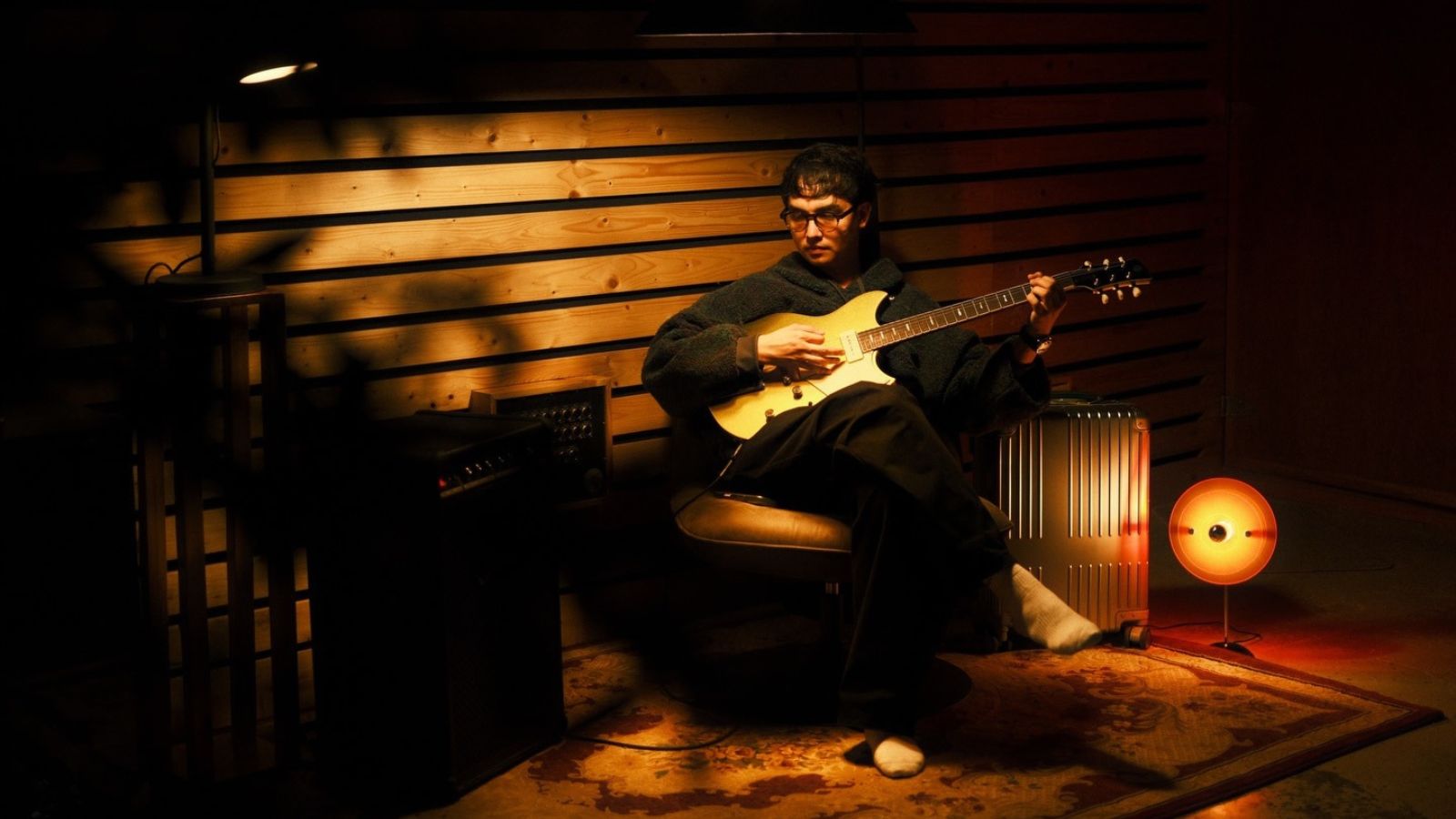
Photographed by Abner Badua
What do you enjoy most about collaborating with artists, and what do you think makes a creative partnership work?
What makes it work talaga is the communication. It’s hard pag we’re doing things, for example, in the studio, we’re working on the song. Tapos deep inside pala yung artist hindi happy sa nangyayari (And deep inside, the artist isn’t really happy).
Tapos later on, a few days later, pag tapos na ‘yung song, malalaman na lang na parang, “Oh, hindi pala siya happy.” (And later on, a few days later, when the song is finished, we only find out that, “Oh, they aren’t happy.”)
I think it’s really important na open ‘yung communication, may good understanding, walang (no) walls, parang nahihiya (no shame). Kailangan may (There needs to be a) freedom of expression to be able to bring out the best in the song.
As a producer, how do you balance bringing your own creative vision to a track with letting the artists do their thing?
As a producer, parang when an artist comes to me, usually kailangan medyo may idea na rin siya [they already have an idea of] who I am as a producer, ‘yung taste ko, the certain things that I would probably do. So I would usually recommend rin a way that I would go.
Pero, it totally depends rin on the artist if they would say yes or no to that. Kasi at the end of the day, ‘yung pinaka-importante pa rin is kung ano yung gusto ng artist. Wala talaga akong magagawa doon. (At the end of the day, what matters most is what the artist wants. I really have no say in that.)
Pero at the same time, may balance na the artist should know na I’m a producer who does things this way. For example, I make pop, folk, indie, rock. So they come to me, they know na these are my strengths, and the song would probably go some sort of direction na ganito, na an artist wouldn’t come to me expecting me to make, for example, a heavy metal track.
As a producerProducerThe person who guides the creative and technical process of making a recording, shaping its sound, arrangement, and overall quality. Producers can write, compose, engineer, and direct performances, and aGo to Producer Glossary, importante pa rin yung thoughts ng artist and sila pa rin yung masusunod in the end. Kasi kailan sila yung maging happy (As a producer, what matters is what the artist’s thoughts are, and they are the ones with the final say in the end. Because they should be the ones who are happy.)
How do you navigate creative blocks, burnout, etc.?
Actually, yes. I’ve experienced that quite a lot, especially during the times na sobrang dami ng (when there are a lot of) projects na sunod-sunod and every day na lang nagpo-prod (there’s a production). It’s really great to have a core team. I don’t know about other producers. I’m sure other producers do everything on their own.
For me, I really like working with other people so that I have a team. For example, ‘yung sa song ni Mariah Deborah, ‘yung “Na Para Bang” — it wasn’t just me on the track. It was me, Ken Jezer Umahon, at si Abner Badua […] I have these people who I trust who bounce ideas with me.
And then with that, sila na mismo yung nabibring nila ng (they themselves will bring the) inspiration sa track. So kung saan ako nagla-lack, doon naman sila sasalo sa akin (So where I lack, that’s where they can help me). So yun yung important for me. It’s really tiring to do everything on your own. At least may other people who support me.
That’s the main thing about all the songs I ever produced, especially yung mga hits. May mastering engineer ako, may people who will do the recording with me. The main thing that I really focus on is the arrangement, sa production siyempre, saka sa mixing.
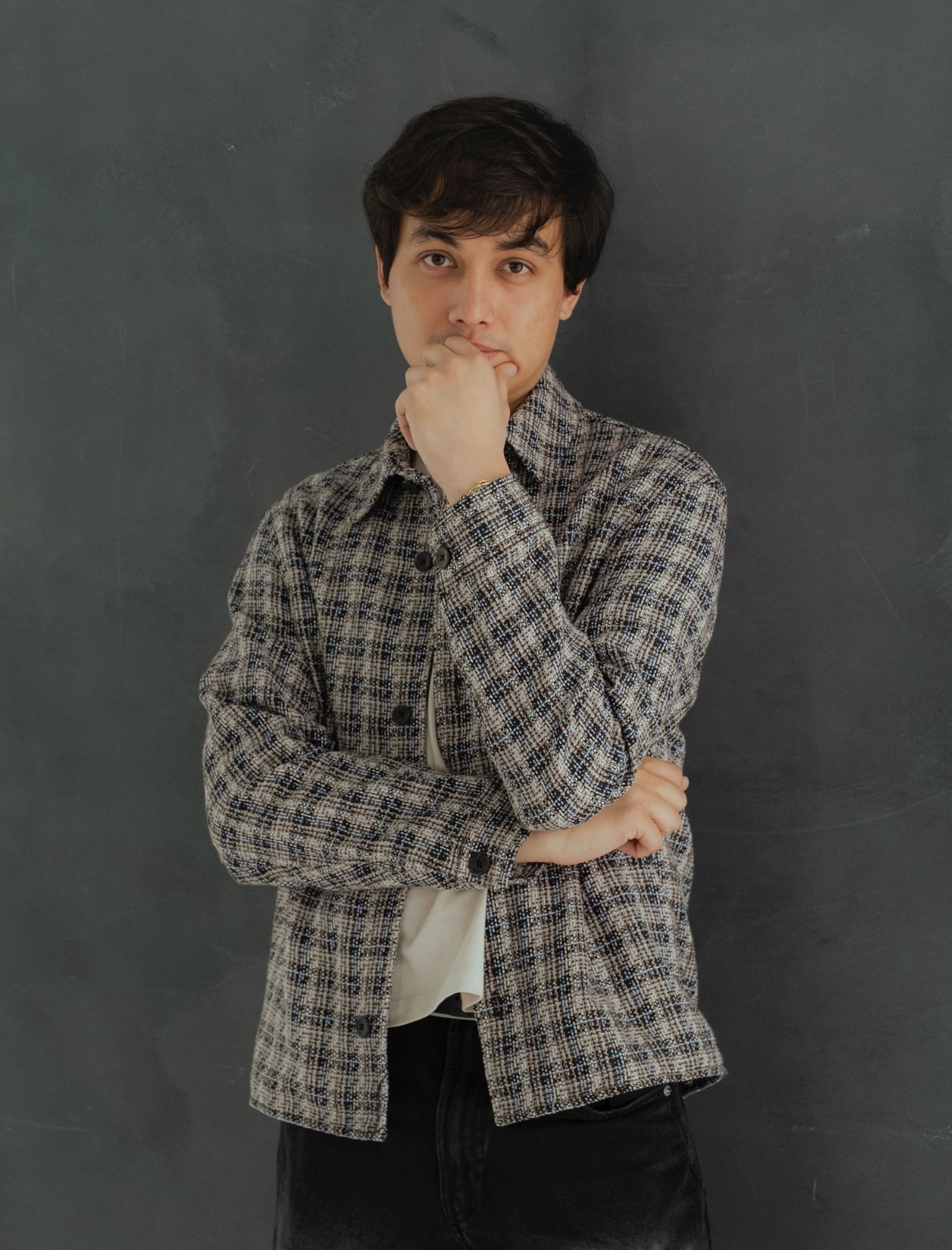
Photographed by Shaira Luna
You’ve worked with artists like Cup of Joe, Maki, Angela Ken, Over October, Dilaw, and Mariah Deborah. How do you adapt your approach to suit each artist’s sound, personality, and creative vision?
I think the beauty of that is to always listen to the artist first: what are their strengths, what can they bring? For example, in Over October, we have a guitarist, si Lua, who would play differently from Cup of Joe, si Gab. It’s very different. So you bring their skills, and you add that into the music, kung ano man ‘yung strengths nila, tapos magmi-mix na ‘yan. It’s not always going to sound the same.
Is there a particular collaboration that challenged you creatively or taught you something unexpected about your work?
Actually, speaking about ‘yung Angela Ken, Over October, kasi when they brought in “Moved On Last,” it was already produced for Angela Ken. So may version na si Angela Ken. The goal was to create a song that was Angela Ken, tapos mixed pa with Over October, so ‘yun. That collaboration really challenged me to see kung ano kaya ang magfi-fit (what would fit) for both of them. Para may konting vibe pa rin ni (There’s a bit of vibe of) Angela, tapos may vibe pa rin ng Over October. Parang ‘yung track naging medyo indie-pop, rock.
Of the songs you’ve produced, is there one that holds a special place in your heart?
Siguro ‘yung pinaka the most notable song that really changed my life and told me, “Okay this is my direction. I can actually be a music producer,” would be ‘yung song ni Keiko Necesario, ‘yung “Away from the Current.” If you check that out. I think that was way back in 2015, 2016.
When that song came out, people appreciated it, and I was like, “Oh, okay. Ganun pala maging (That’s how it feels to be a) music producerProducerThe person who guides the creative and technical process of making a recording, shaping its sound, arrangement, and overall quality. Producers can write, compose, engineer, and direct performances, and aGo to Producer Glossary. I could actually do this with actual artists. Hindi lang for fun. May papuntahan pala ang career path na ‘to.” I think that opened lots of doors for me to work with other artists.
Were there moments when you reached out to an artist for a collaboration?
Actually, for most of my career, I would be the one who would always try to reach out to the artists.
In recent years lang, let’s say in the last two years, medyo nagka-cut back kasi ako sa working (I usually cut back from working) on too much productions. Kaya parang ma-balance na rin ‘yung (So there’s a balance with the) drive to produce. Ngayon, mostly sila na ang lumalapit (Now, mostly they are the ones who reach out).
For example, kung mag-send sila ng (when they send their) demo, kung feel ko ba na (when I feel that) I’m most suitable to work on the track or if I feel na maybe someone else would be able to do it better. I think it’s important na all of us are on the same page, and I’m sure na I can bring something to the table. Kaya hindi siya pilit (That’s why it doesn’t feel forced).

Photographed by Shaira Luna
Are there moments when you’re working on the track, and you feel that it isn’t working in a certain direction you wanted?
Yes. May mga ganun naman na feelings sometimes. Pero at the end of the day, whenever I work with an artist and that happens, we just take a break or call it for the day, and work again, the next day. And usually, just the break helps us rediscover the track and bring it to life.
So wala namang time na biglang (There hasn’t been an instance when), at the end of the project, parang hindi nag-work (it didn’t work) out. Parang, “Ang pangit (It’s ugly),” or you feel like, “Ah, sana hindi na lang natin ito ginawa.” (We shouldn’t have done this). Hindi, hindi, walang ganun (No, no, there isn’t anything like that).
So far, everything naman, in the end, has been happy. At saka happy naman ‘yung artist. There’s always a way to make something beautiful and make something that you can be proud of with the work of art.
Was there a song that was vastly different when it was released from when you first started working on it?
Ang ganda nung song ni Angela Ken, “tayo lang.” From [the] demo to how it turned out in the track, it’s just a whole different world. Kasi nung kinakanta ni Angela yun sa (When Angela sang in the) demo, it was just actually, halos acapella lang siya eh (mostly acapella). Parang hirap i-imagine talaga (It’s hard to imagine) how the song would come about. I don’t know; there’s a certain magic to it na you were able to build a sound that’s not usual rin to the way that I usually produce the music.
Can you tell early on when a song has the potential to become a hit, or does that only become clear once it reaches listeners?
Actually, well, yeah. Sa start, like okay, dun ka usually na-inspire, eh (that’s where you feel inspired), when you hear the song, when you hear the hook, the chorus, or the melody, or anything.
Yeah, it would be like, dun nagsa-spark ‘yung inspiration to actually start the song and yung ideas to come in. May times rin na parang pagkarinig mo ng song (once you listen to a song), parang, “Ano ba ‘to?” Hindi ko alam kung anong gagawin ko dito, hindi ko talaga alam (“What is this?” I don’t know what to do with this, I really don’t). And then, in the process, mag-change siya (it will change). Tapos “Uy, ang ganda pala ng kanta (“Uy, this song is actually pretty good”).
Pero truth is, there are so many songs that I feel like would be hits and nothing came of it.
How was it with “Multo”?
Let’s compare ‘yung “Na Para Bang” and “Multo” siguro. Yung “Multo,” siguro ‘yun ‘yung pinaka first gut feeling ko na song ever na sabi ko (I think it’s the first song I had a gut feeling about that made me say), “I think this really deserves to be number one.” Because I really loved the way it was written or put together. Yung “Na Para Bang,” it was really good. Like, we loved the whole track.
When we did “Multo,” we did something totally different, a different approach. ‘Yung “Na Para Bang” kasi, it felt smooth lang. When we worked on it, it was very smooth. It just flowed. We enjoyed the process. Pero we didn’t really expect that, you know, “Okay, this is going to be something.” Like we did something crazy different from the usual thing that we do.
So sometimes talaga, it’s not about overhauling your work production, making something super, super crazy unique that the world will feel like, “Wow, this is new. It’s gonna be a hit.”
Sometimes it’s just the honesty of the track, how the artist wrote it, and people will relate to it. And how you just translate that sa music. And you don’t have to do something totally amazing. Basta parang make something out of this world to impress people’s hearts.
“Na Para Bang” has resonated deeply with listeners. Were you like surprised with how far it has come, especially months after it was first released?
It’s something to be really proud of na may independent artist who can make it to the top without a whole major label supporting them in the back. That’s just really cool. At tsaka I think yung story rin ni Mariah behind how [the song] even blew up. ‘Di ba ang dami rin nangyari sa kanya (A lot of things happened to her), with the whole AI thing. Ang dami rin nangyari (A lot has happened) behind the scenes for her to push it up there. So yeah, deserve talaga.
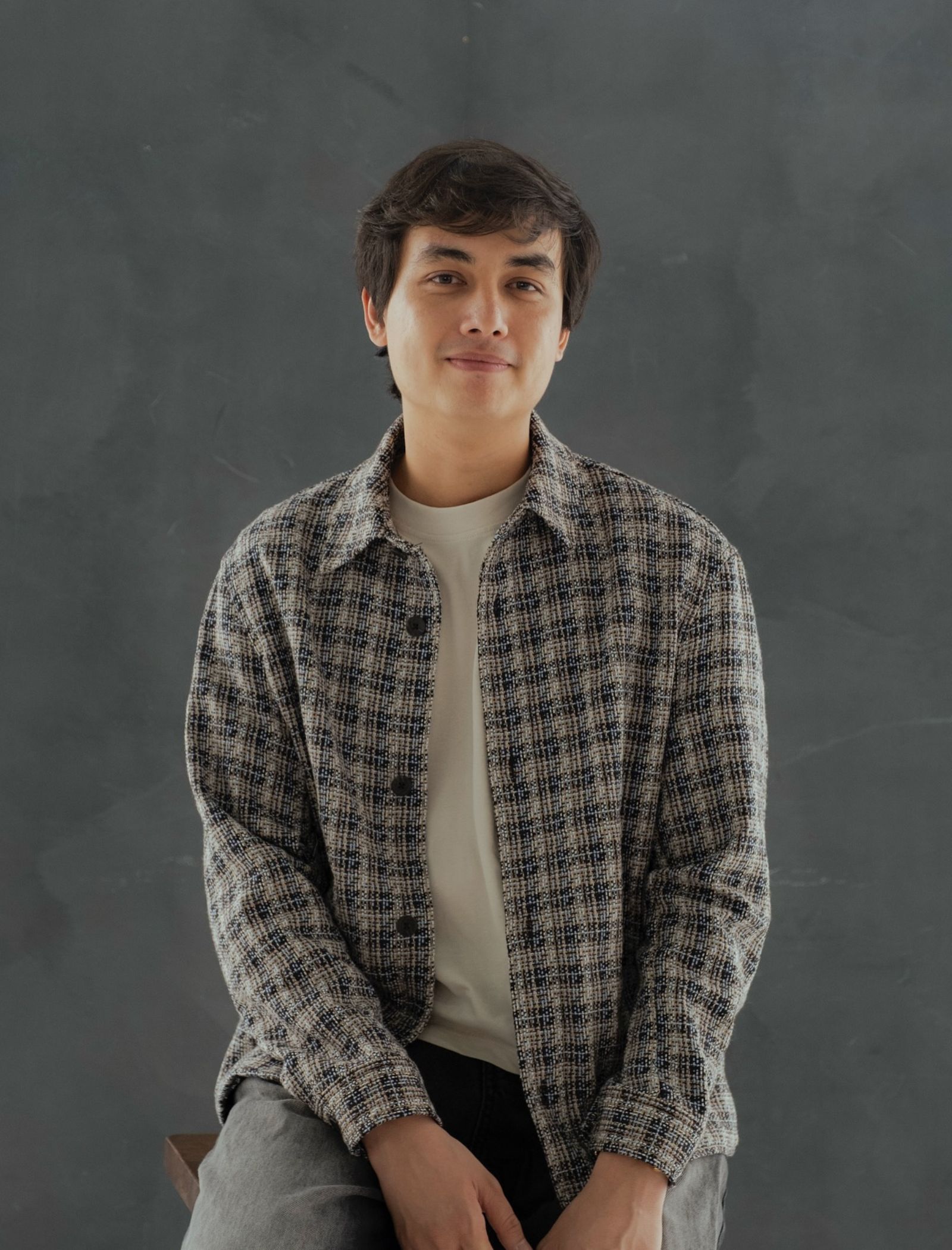
Photographed by Shaira Luna
What are your thoughts on AI?
For me, it’s a tool talaga. It’s very different if you use it and say that, okay, you use it. You just type a prompt and use that whole thing. Versus, like, okay, I know some producers, siguro wala silang (maybe they have no) idea. They’d use AI to get a certain inspiration from it. Pero, you don’t take the whole thing. Parang hihimay ka lang ng (You just get) ideas. It’s just like another person that you’re collaborating with. Kasi iba talaga pagka-walang (It really is different without a) human touch. It doesn’t feel authentic.
With OPM continuing to reach new audiences and evolve across genres and platforms, what excites you most about where the scene is today?
Well, I’m really glad that more and more artists are being recognized, internationally and here. And especially women in OPMOPMShort for Original Pilipino Music, the body of songs created by Filipino artists, spanning genres from ballads and rock to hip-hop and pop. OPM expresses Filipino identity and heritage, andGo to OPM Glossary. It’s really exciting. And it’s really great that we’re all thriving and we’re all able to survive and thrive. Kahit na ‘yung times ngayon ang hirap, ‘di ba, with the crisis and everything. Pero with the support of these people listening to our own music, nag-thrive yung local scene natin ng OPM. Tsaka na-recognize pa (And it gets recognized) abroad.
What are your thoughts when people refer to you as a hitmaker?
I still feel it’s so unbelievable. I just feel like it’s really cool. I just think that people just like the same taste in music as I do. It’s great. I really never thought that any of these things could happen. Kasi, there are so many other producers out there who are just as good or even better. I guess it’s just really a blessing. It’s luck. I don’t know what it is. Pero thankful naman ako and I’m happy to be able to help artists in achieving their goals and sa kanilang careers.
For my last question, is there a feeling or pressure after having a song that went Number One and following it up?
Actually, to be honest, akala ko ‘yung (I thought) “Multo” would be the last one. Sabi ko, “After ‘yung ‘Multo,’ siguro wala na ‘to. Tapos na, dami na ‘yung producers around.” Pero di ko alam, bigla ‘to nangyari (I said, “After ‘Multo,’ I feel like this is it. There are other producers around.’ But I don’t know; it just happened).
I’ll just keep creating. Doesn’t matter kung mag-top one or what. Pero sana, meron pa rin naman (But I hope there are still more). Ngayon, I don’t really feel the pressure as much as I did before. I think naman, I was able to do good work with good artists. And I’m happy with where I am now.
Frequently Asked Questions
Shadiel Chan has produced Cup of Joe’s “Multo,” SunKissed Lola’s “Pasilyo,” and Mariah Deborah’s “Na Para Bang,” which topped the Billboard Philippines Hot 100.
Chan is a Baguio-based producer and CEO of Nine Degrees North, known for producing chart-topping OPM hits while prioritizing authenticity and collaborative artist relationships.
Chan starts with a demo and the artist’s creative vision, then builds the track collaboratively in-studio, layer by layer, typically finishing a song in about two days.
Chan sees AI as a tool for sparking inspiration rather than a replacement for human input, saying music without a human touch doesn’t feel authentic.
Chan cites Keiko Necesario’s “Away from the Current,” released around 2015–2016, as the song that confirmed music production as his career direction.