




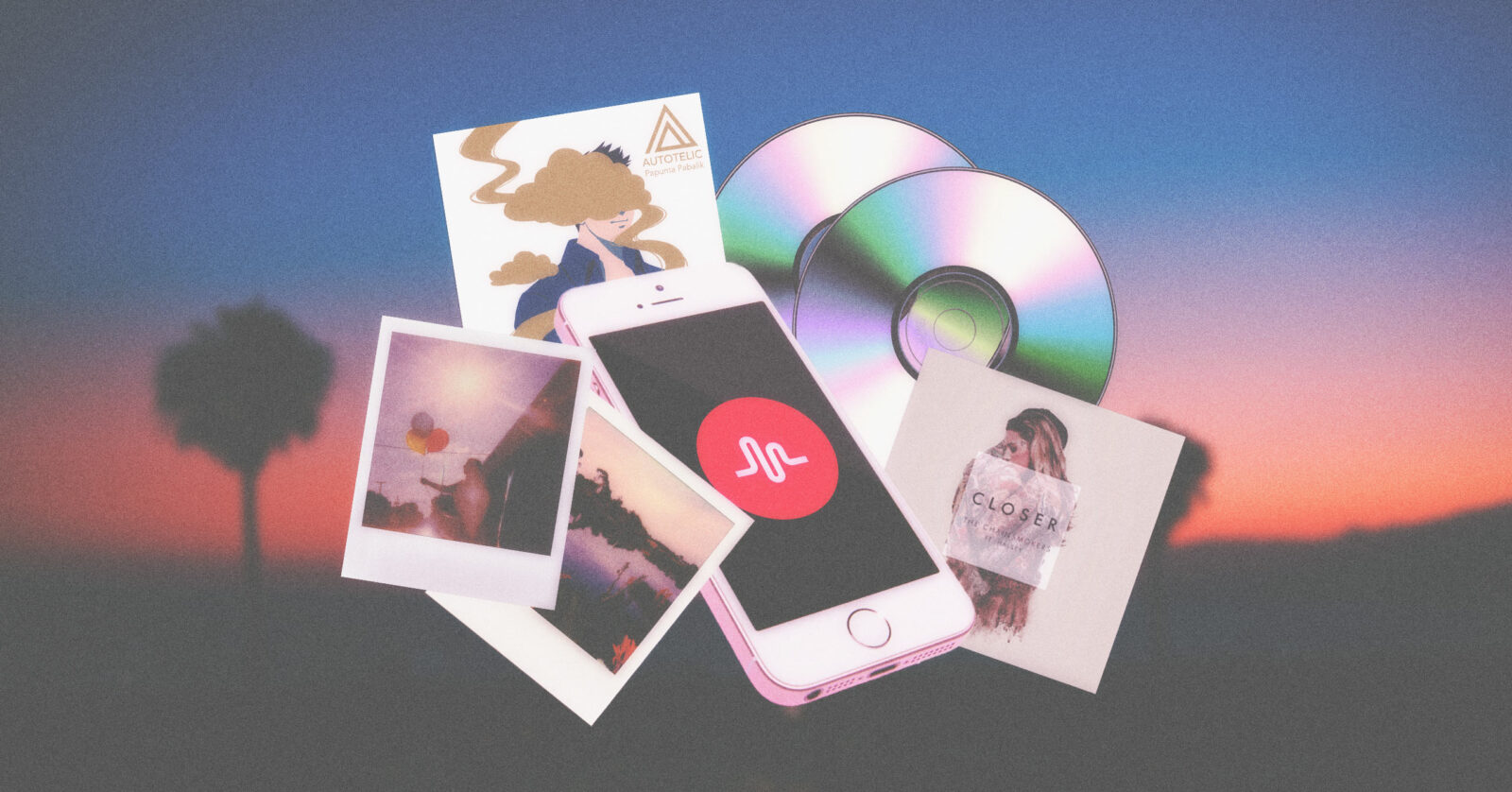
2016 was a decade ago, and we honestly couldn’t believe it. As the latter half of the 2010s kicked in, it became a time of beginnings, endings, and everything in between — particularly in how we experienced music and the culture surrounding it.
Nostalgia packs a punch as we look back and remember 2016 as the standout year of the decade. With shifting social media trends and an ever-evolving pop culture landscape, the way we discovered, shared, and connected through music marked a significant precursor to how we engage with it today.
As nostalgia takes us back a decade, Billboard Philippines revisits 2016 and the music and cultural trends that defined the year — from the rise of indie OPM and hugot music capturing the Filipino zeitgeist to the plethora of song covers uploaded on YouTube by aspiring Filipino artists.
The last days of CD/DVD stores
Before streaming platforms fully took over the way we purchase and consume music, there were mall-wide CD/DVD stores like Astroplus, Astrovision, and Odyssey that used to be safe havens for fans and collectors. Although CD shops continue to survive to this day, with small stores opening their doors for physical media consumption, we can’t deny that back then, we used to be a country. It was around 2016 that these stores slowly faded away from existence.
Whether you’re eagerly preparing to buy the album from your favorite artist that you’ve been saving your lunch money for, or simply spending time window-shopping and flipping through the racks to see what’s new or on sale, the magic lies in holding something tangible that elevates every visit.
Before TikTok, there was Musical.ly
TikTok is king when it comes to social media platforms that have dominated our screens. However, there was one little app called Musical.ly that allowed users to create their own lip-syncing music videos, ranging from 15 seconds to one minute, and choose whichever sound they would like. Think of the lip-sync videos we see on TikTok, but perhaps being full-on, unafraid to commit to the bit. The app allowed users to be as creative and not boring as possible with the so-called music videos. 2016 also planted the seeds for the last days of Vine, the short-form video app that gave us iconic trends and launched known comedians and influencers still active today.
In 2018, Musical.ly merged with TikTok and marked the end of this creative and quirky platform. Though we can see it as cringe, looking back, we could say our perspective on “cringe” changes, and we’d probably say the same for the TikTok videos we have now once 2036 rolls around.
YouTube song cover domination
Although song covers were already a thing in 2016, it was during this time that this genre on YouTube skyrocketed in popularity. We saw aspiring artists showcase their talent by uploading performances for the world to see. Cover artists gave new life to both international and OPM songs. As Filipinos would leave no seat at the table when it comes to taking over the microphone, belting out song covers became the first step in kickstarting one’s music career, whether amateur or professional. These interpretations ranged from faithful renditions close to the originals to total reimaginings that added an entirely new spin to iconic tracks.
The rise of indie OPM
We can trace this period as the rise of modern indie OPM, fueled by the gradual shift to streaming, platforms like the Wish Bus, and the growth of Spotify in the Philippines. These developments allowed small, independent artists to slowly pierce through the mainstream music scene and be discovered. The culture shifted from being strictly tied to a record label for music releases, as the internet gave budding artists and songwriters various platforms to showcase their artistry and to create and release music. Notable acts that emerged during this period include Reese Lansangan, Autotelic, Clara Benin, BP Valenzuela, Ourselves the Elves, and IV OF SPADES.
This period marked a shift in the music landscape, tapping into the growing potential of modern OPM and challenging the idea that it existed solely as a space for covers of popular international ballads. It allowed OPM to carve out a distinct identity that celebrated creativity and, over time, helped Filipino music slowly make its mark on the global stage.
When FM radio solely reigned supreme
FM radios are still alive and well, thankfully. It remains one of the go-tos for people who want to listen to the news or music in the car or on public transportation. However, undoubtedly, the culture of tuning in to listen to countdowns, requesting new songs to be played on the airwaves, and just having it on in the background while one studies, reads, or just chills has never been the same.
We’d be lying if we said we didn’t want the convenience of listening to new music as soon as an artist drops it on streaming services. But the collective experience remains a lost art — of being stuck in traffic on the way home, having a good meal at a restaurant, or just chilling at home — with the radio on and the week’s latest music waiting to be listened to for the first time by many. We can also give our flowers to radio jocks who introduce these songs to listeners.
Hugot music explodes into popularity
The OPM would not be complete without the hugot-heavy songs that have come to define a generation of Filipino music listeners and fans. At a time when the idea of “yearning” became deeply embedded in popular culture, hugot music surged in popularity, giving artists and songwriters a powerful avenue for expression and storytelling. Through gut-wrenching lyrics and heartbreaking melodies, these songs captured the complexities of love and longing that have always, without a doubt, resonated and connected deeply with Filipinos. We could say the hugot genre of OPM never left, as today, the current generation of OPM artists and bands continues to bring something new to the table.