
Parokya Ni Edgar, Flow G, and Skusta Clee Deliver A Headstrong Finale At The FMA 2026
Presented by Clear Men, the FMA 2026 finale moved from contemporary hip-hop to Filipino rock before bringing three generations of OPM together for one final performance.


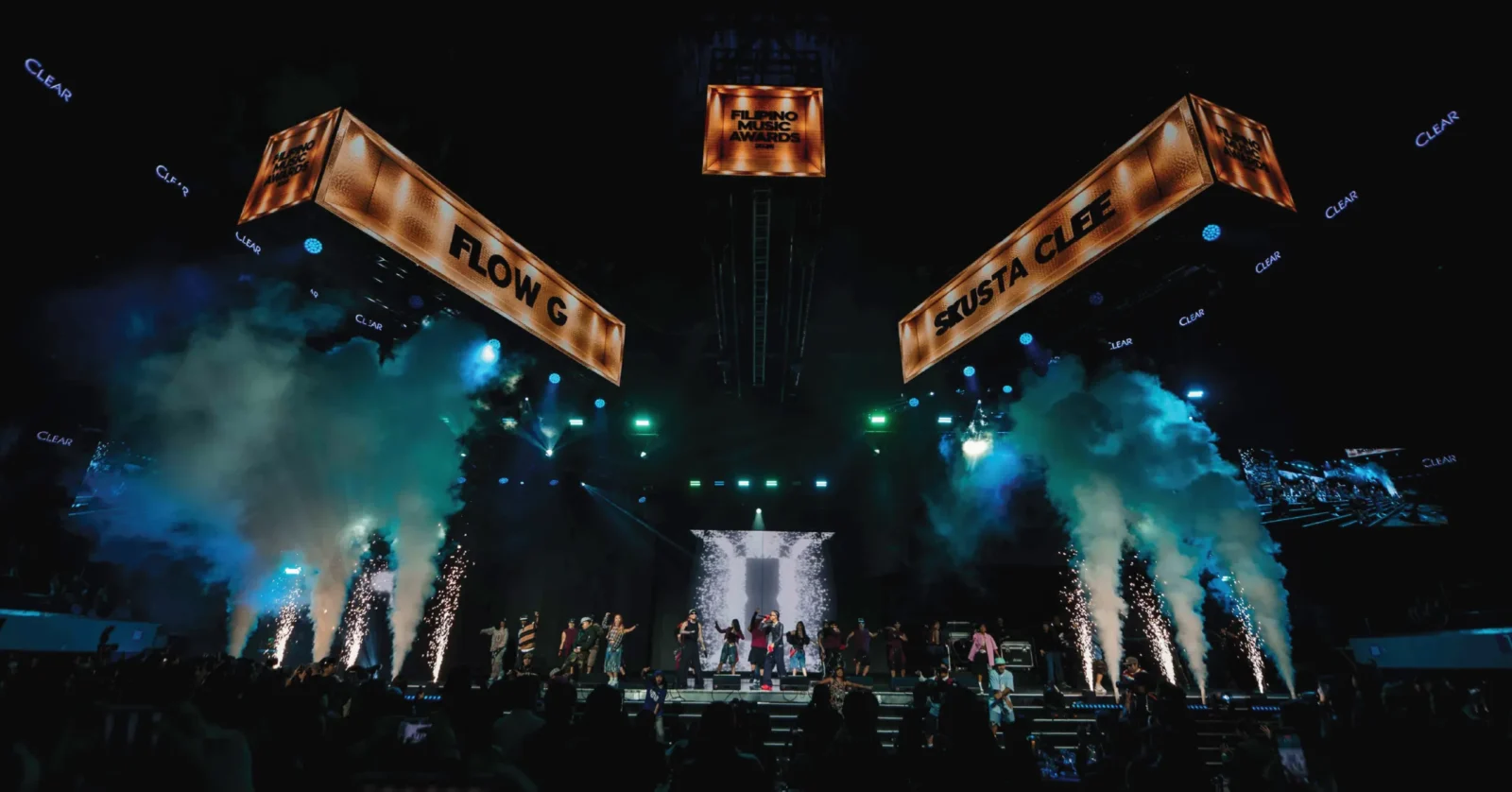
OPMOPMShort for Original Pilipino Music, the body of songs created by Filipino artists, spanning genres from ballads and rock to hip-hop and pop. OPM expresses Filipino identity and heritage, andGo to OPM Glossary does not move in a straight line. As sounds change and artists evolve, the songs that define one generation eventually find their way into another. At the Filipino Music Awards 2026, that progression played out on one stage.
Held at the SM Mall of Asia Arena on October 6, the second edition of the FMA closed with Skusta Clee, Flow G, and Parokya Ni Edgar, bringing contemporary hip-hopHip-HopA cultural movement and music genre that began in the Bronx in the 1970s, built on rapping, DJing, beatmaking, and sampling. Hip-hop has a strong Filipino scene, with artists writingGo to Hip-Hop Glossary and Filipino rock into the same performance before ending with a song that has already become part of OPM history.
Presented by Clear Men, the finale began with the current generation and worked its way through the decades, culminating in a rendition of “Bagsakan” that connected the present to one of Filipino hip-hopHip-HopA cultural movement and music genre that began in the Bronx in the 1970s, built on rapping, DJing, beatmaking, and sampling. Hip-hop has a strong Filipino scene, with artists writingGo to Hip-Hop Glossary’s most enduring collaborations.
A Confident Close Across Generations
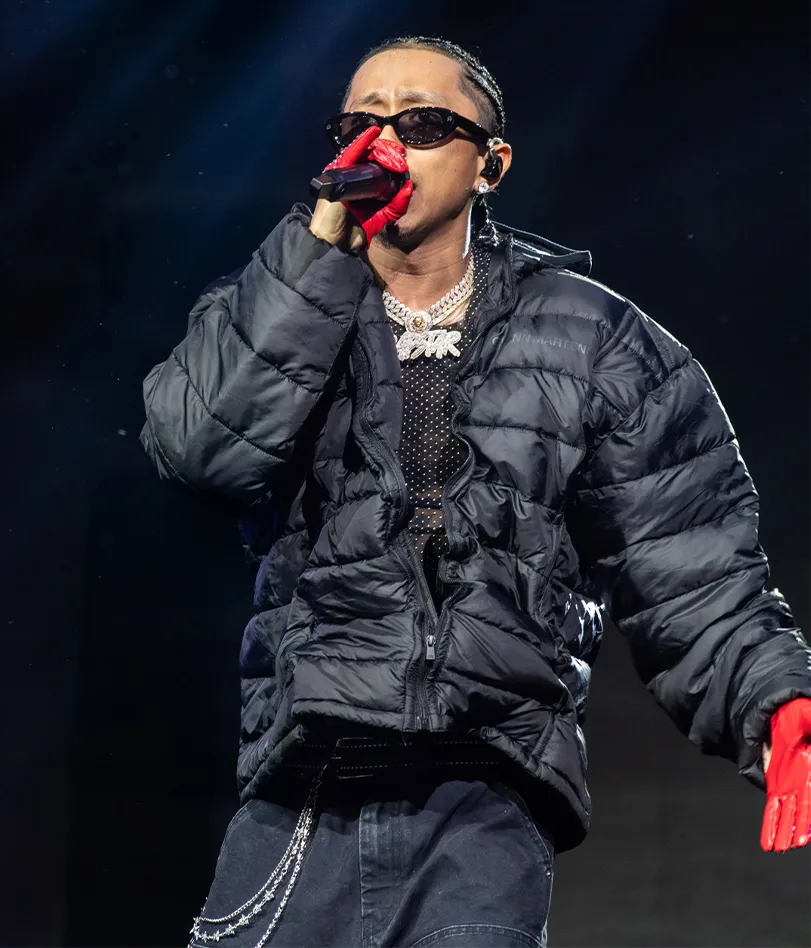
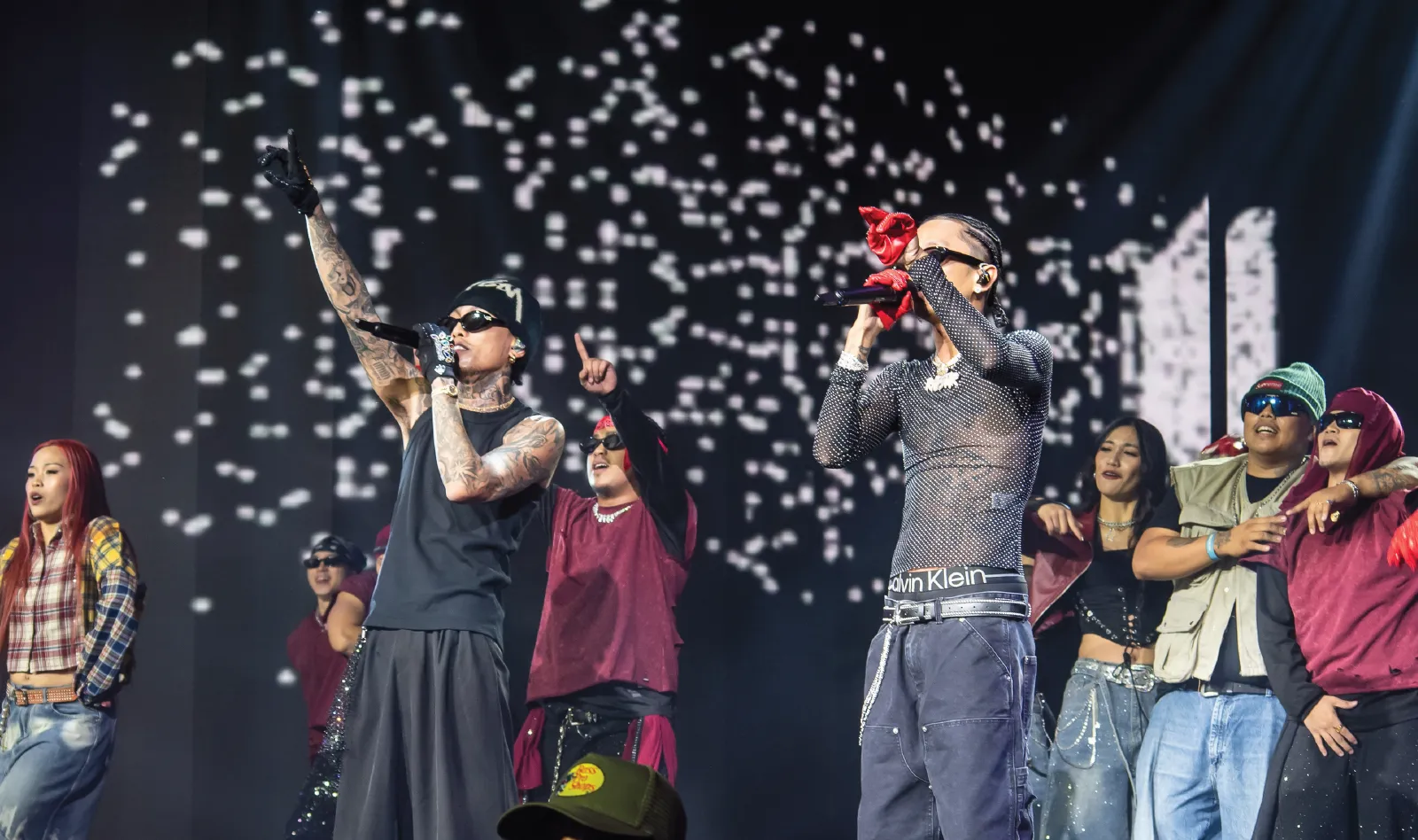
Skusta Clee opened the finale with “Lason,” setting the tone with a track rooted in the sound of today’s Filipino hip-hopHip-HopA cultural movement and music genre that began in the Bronx in the 1970s, built on rapping, DJing, beatmaking, and sampling. Hip-hop has a strong Filipino scene, with artists writingGo to Hip-Hop Glossary. Flow G followed with “FeedxCortez,” before the two reunited for “Since Day One.”
By then, the song had already taken two awards that night. “Since Day One” was named Song of the Year and Hip-HopHip-HopA cultural movement and music genre that began in the Bronx in the 1970s, built on rapping, DJing, beatmaking, and sampling. Hip-hop has a strong Filipino scene, with artists writingGo to Hip-Hop Glossary Song of the Year, adding another layer to its appearance in the final set. It had also reached No. 1 on the Billboard Philippines Hot 100, making its place in the FMA finale feel more like another winning lap for one of the year’s defining OPM tracks.
The energy shifted as Parokya Ni Edgar took the stage with “Inuman Na,” followed by “Halaga.” Kamikazee vocalist Jay Contreras also appeared during the performance, adding another familiar voice to a set that was already bringing together different corners of Filipino rock.
A Song Passed Down
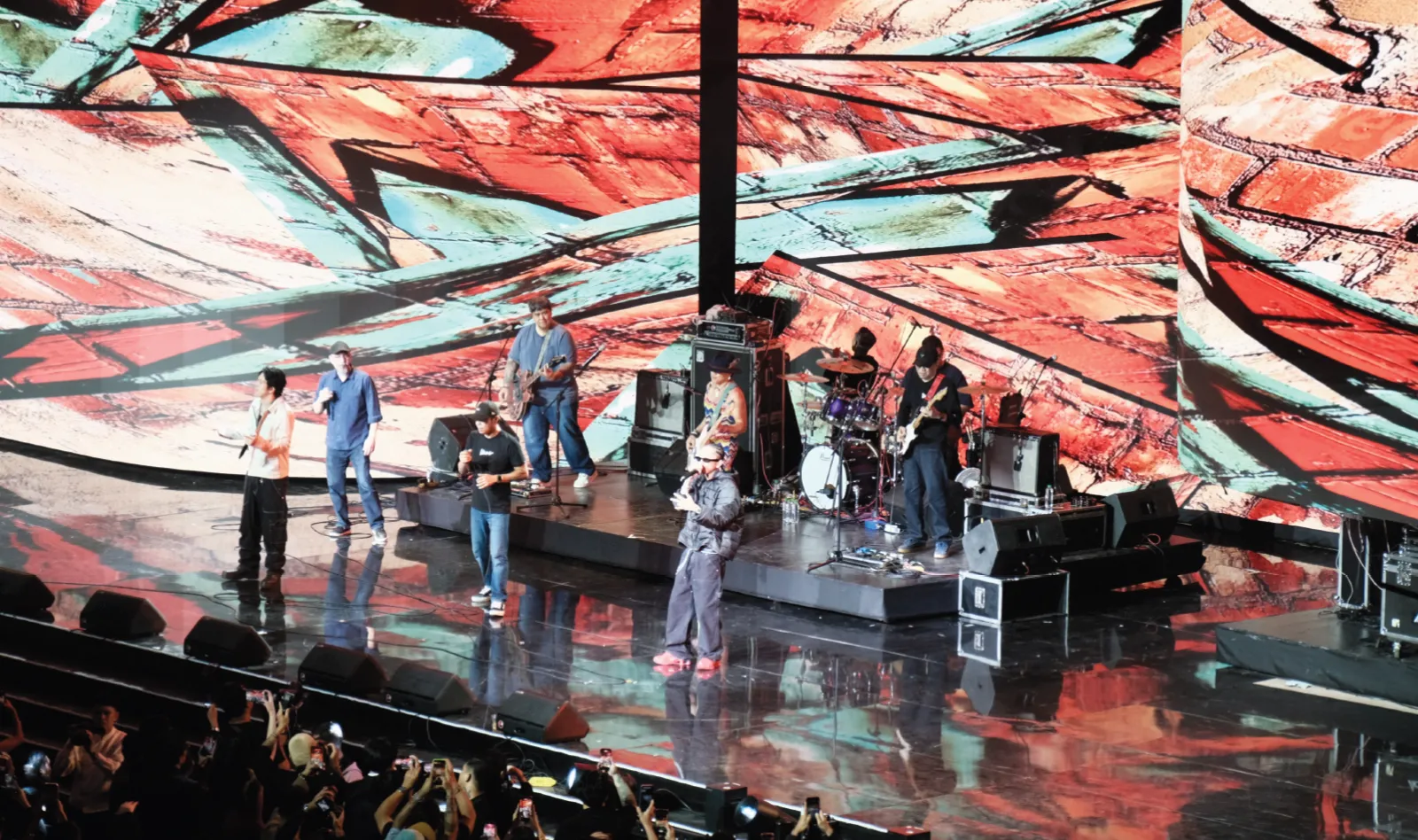
The finale reached its biggest moment with “Bagsakan,” as Parokya Ni Edgar, Flow G, and Elmo Magalona came together for the 2005 collaboration originally performed by Parokya Ni Edgar, Francis M, and Gloc-9. Flow G took on Gloc-9’s verses, while Elmo stepped into the role first performed by his late father, Francis M.
Decades after “Bagsakan” first brought Filipino rock and hip-hopHip-HopA cultural movement and music genre that began in the Bronx in the 1970s, built on rapping, DJing, beatmaking, and sampling. Hip-hop has a strong Filipino scene, with artists writingGo to Hip-Hop Glossary together, the song returned to the stage with artists from different generations. Elmo’s performance came just hours after Francis M was honored with the Tribute Award at the FMA 2026, giving the rendition another connection to the artist whose contribution helped make the original collaboration part of Filipino music history.
The three artists brought different musical identities to the performance without pulling the song away from what made it resonate. Flow G placed his own delivery within a track rooted in Filipino hip-hopHip-HopA cultural movement and music genre that began in the Bronx in the 1970s, built on rapping, DJing, beatmaking, and sampling. Hip-hop has a strong Filipino scene, with artists writingGo to Hip-Hop Glossary, Elmo carried forward a part of his father’s legacy, and Parokya Ni Edgar returned to a collaboration that sits at the intersection of the rock and hip-hop scenes they helped shape.
Made for the Main Stage
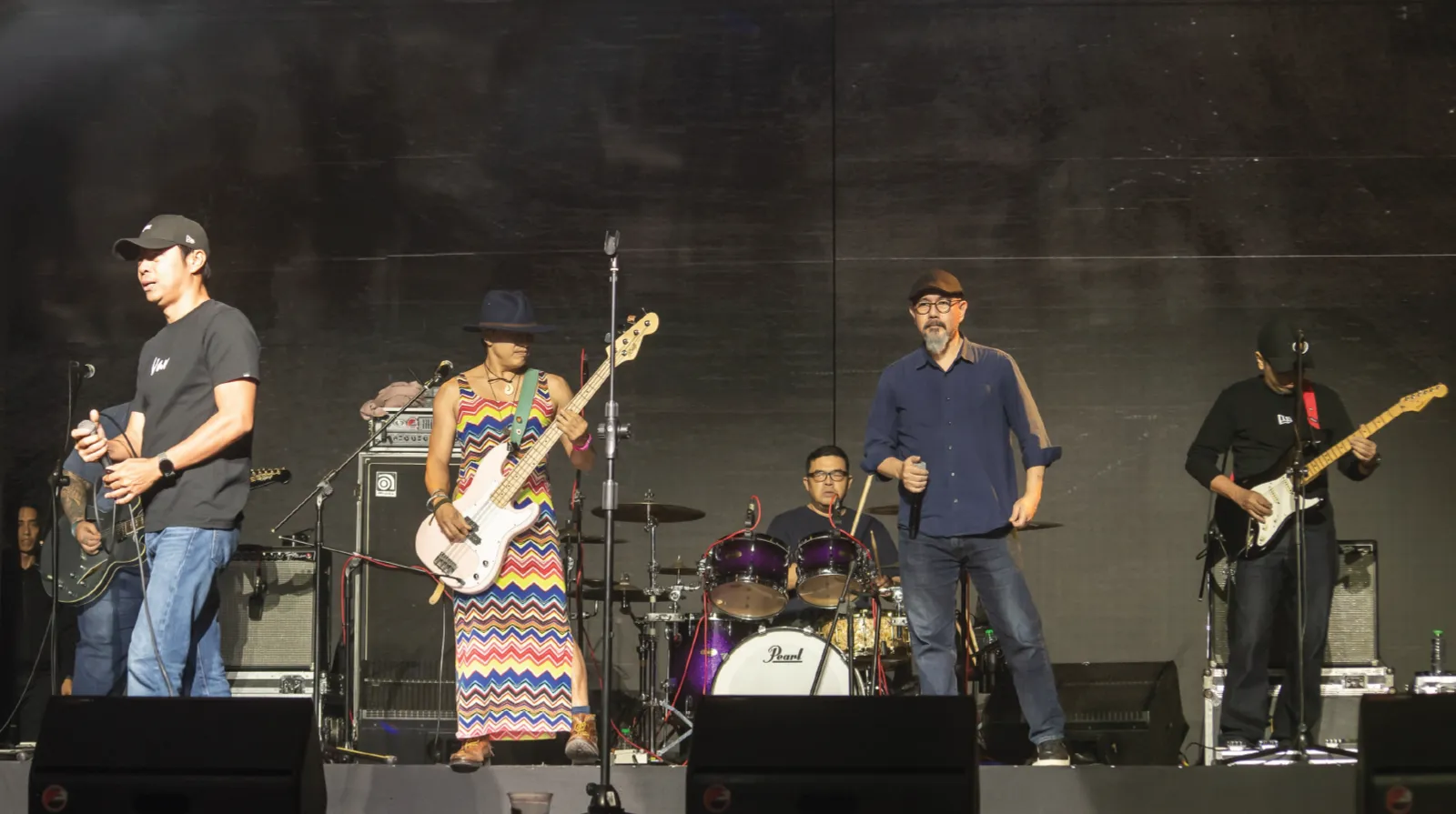
The biggest stages call for artists who can stay sharp when every eye is on them. Clear Men brought that same standard to the FMA 2026 finale, standing behind artists as they took on a demanding closing set and gave the audience a performance worth staying for.
From the first beat to the final line, the night belonged to artists who commanded the stage and made every moment count. Clear Men was there for that level of performance, where preparation meets pressure and artists step into the spotlight ready to own it.
Discover more from the Filipino Music Awards 2026 and the artists shaping the next chapter of OPMOPMShort for Original Pilipino Music, the body of songs created by Filipino artists, spanning genres from ballads and rock to hip-hop and pop. OPM expresses Filipino identity and heritage, andGo to OPM Glossary.