
Masayoshi Fujita On Finding His Way Into Something Bigger With ‘Forest Of Tranquility’
In this exclusive interview with Billboard Philippines, the Japanese composer shares some of the insights he had while working on his upcoming album, Forest of Tranquility.


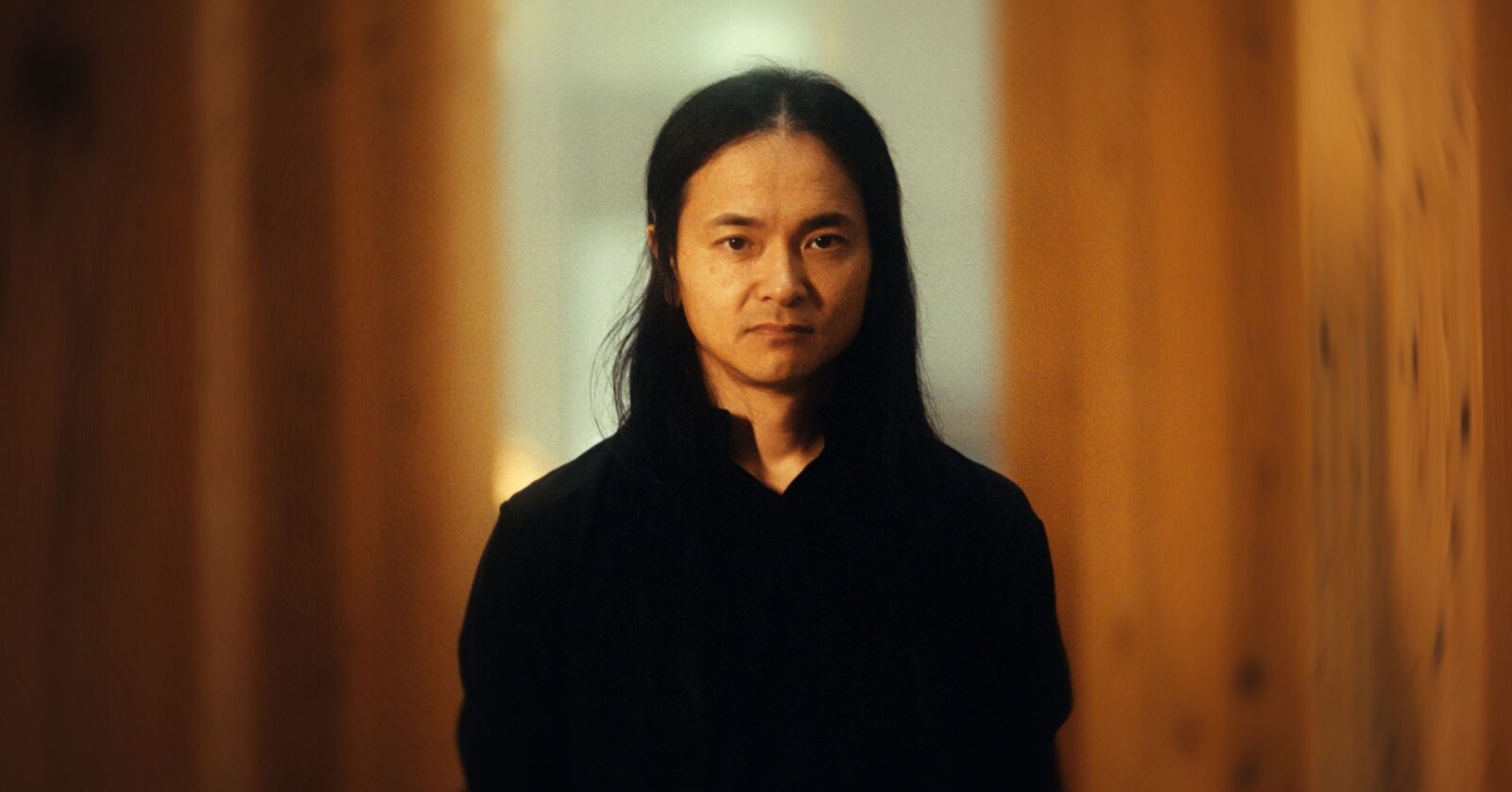
Courtesy of Copacetic PR
Courtesy of Copacetic PR
Since releasing his first solo album, Stories, in 2013 under his real name, Masayoshi Fujita has been creating unique compositions that often blur the line between music and ordinary sound. This impulse only goes further with his upcoming album, Forest of Tranquility, set for release under Erased Tapes on November 13, 2026.
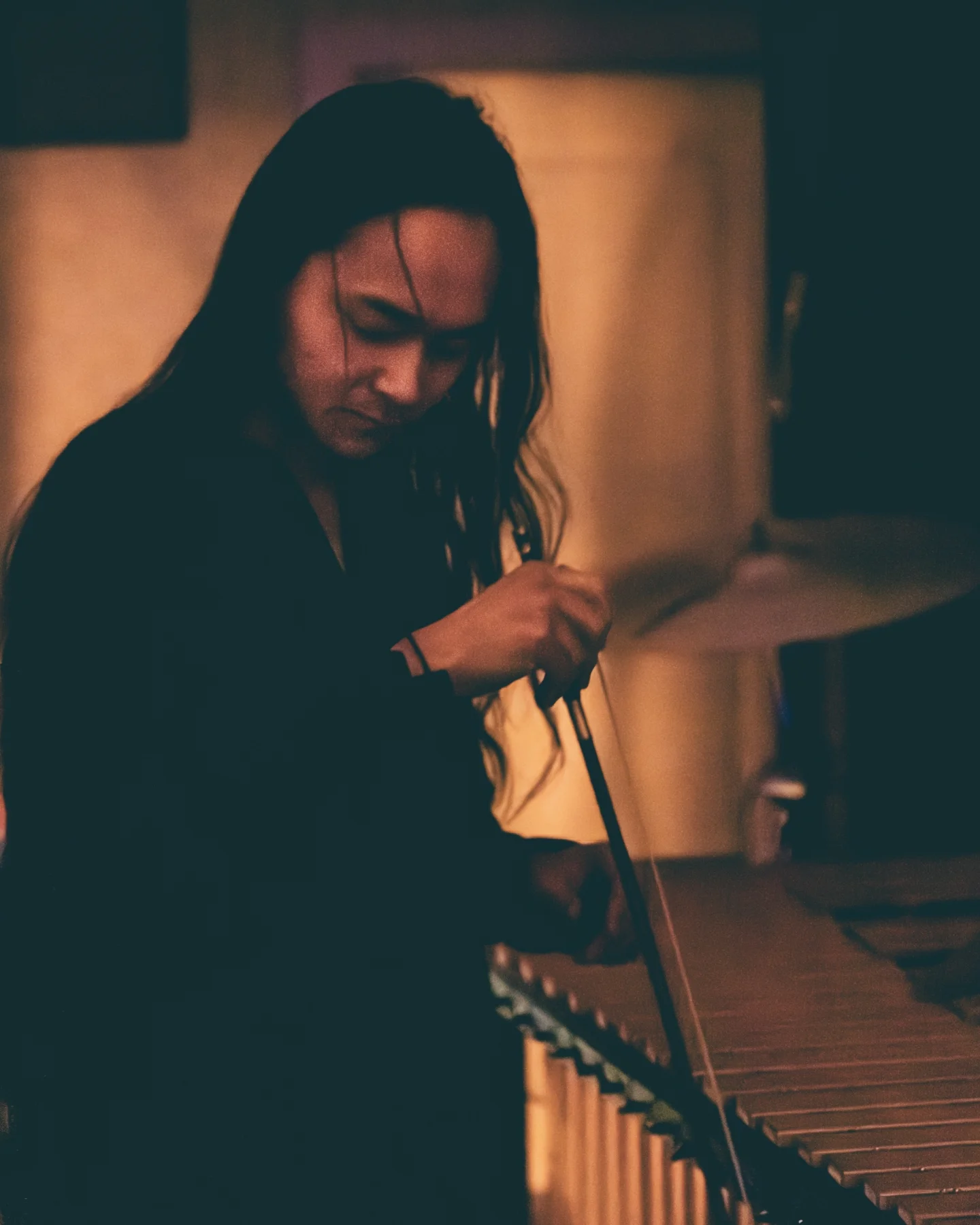
Photographed by Peter Gründhammer
Fujita’s oeuvre falls under what is known as “ambient music,” a genre that shifts focus away from melody, harmony, and rhythm and instead focuses on creating atmospheric soundscapes. With Forest of Tranquility, Fujita embraces characteristics of kankyō ongaku (roughly translated as “ambient environmental music”), a movement of Japanese music pioneered by artists like Hiroshi Yoshimura, Midori Takada, and Haruomi Hosono after the popular reception of composers like John Cage and Brian Eno in the country.
Like ambient music composers before him, Fujita makes music that evokes listeners’ sensations in a way that catchy tunes and infectious rhythms don’t. In Forest of Tranquility, he specifically creates this sense of walking through nature and getting lost in the wilderness.
“A big part of the intention behind my music is to evoke an image in the listener,” the composer stated. “And for this album, I also want listeners to have their own image — a visual image through the music.”
To emulate the aural experience of nature, experimenting with sound production becomes essential. Fortunately, Fujita, a vibraphonist and marimba player, is always on the lookout for newer ways of playing his instruments, even going so far as to prepare his vibraphone with things like metal or pieces of foil in order to expand the instrument’s spectrum of sound. This has always been an instinct for Fujita, who values artistic freedom.
“I’m just following my interest and what I’m drawn to,” he said. “I believe people share the same interest as I do, so I’d be glad if people felt the same feelings I have when I make music and when I listen to music, which is not just to calm down or relax. I feel something really big, on a large scale behind nature, maybe the universe. And so it would be nice if people could feel something there beyond nature.”
With the release of the album’s first single, “Portal to the Universe,” the Japanese artist also shows that experimentation is not necessarily about having unlimited possibilities, but also about making do with the resources provided. A bespoke work, the single was commissioned to accompany Expo 2025’s living nature installation showcasing over a thousand rescued trees.
Throughout the track, Fujita creates a sound that evokes nature and tunes out the outside noise. He achieves this effect with a variety of instruments accompanying recordings of birds and frogs.
In many ways, the project coincided with his style of music — “it was really synchronized with my own interest” — yet the requirements for the commissioned work also gave the composer new challenges.
“It was a little bit different than the approach I usually have when I make my own music,” he shared.
One of the work’s requirements was to promote a sense of internationality, something the composer achieved by working with two other musicians: composer and multi-instrumentalist Hayk Karoyi and Swedish composer Mattias Hållsten, who were both featured in the track, playing the Armenian duduk and Japanese shō, respectively.
For Fujita, it was this demand for internationality that led him to work outside his comfort zone, giving him a sense of a much larger world.
“This was the next step from my previous album, Migratory. There, I was more focused on ambient music and a mixture of culture – Asian culture especially.” The composer said. “As I was making music for the Expo, I came to have this idea of feeling something bigger in scale. I kind of feel the universe beyond nature. So the first single’s title, ‘Portal to Universe,’ reflects those thoughts.”
“I was always attracted to nature and forests, but I wondered why I was so drawn to it.” He elaborated. “And I thought maybe I felt something bigger, beyond nature.”
Ultimately, Fujita, in this current chapter of his life, sees music as an experience that brings listeners to a transcendental state. Yet, harking back to ambient music’s intentions, it is not an experience meant to be chased, but one that you allow yourself to be drawn into.
“It’s not something that you try to understand — you should feel it,” he shared, describing his music. “There are many more academic examples of music in this field — contemporary experimental music like John Cage or Xenakis. My music is more to just listen to, just to feel or to imagine along with, but not to understand.”
Forest of Tranquility can now be pre-saved on multiple platforms ahead of its November release.
Frequently Asked Questions
Masayoshi Fujita’s Forest of Tranquility is set for release on November 13, 2026, via Erased Tapes. The album follows his 2024 release Migratory and continues his exploration of ambient composition rooted in Japanese kankyō ongaku and the sounds of the natural world.
Kankyō ongaku, or “ambient environmental music,” is a Japanese movement pioneered by Hiroshi Yoshimura, Midori Takada, and Haruomi Hosono following the reception of John Cage and Brian Eno in Japan. Fujita embraces its atmospheric, soundscape-driven approach throughout Forest of Tranquility.
Fujita, a vibraphonist and marimba player, prepares his vibraphone using materials like metal objects and pieces of foil to expand the instrument’s sound spectrum. This experimentation reflects his broader interest in artistic freedom and unconventional sound production techniques.
“Portal to the Universe” is Forest of Tranquility’s lead single, commissioned to accompany Expo 2025’s living nature installation featuring over a thousand rescued trees. It features Hayk Karoyi on Armenian duduk and Mattias Hållsten on Japanese shō, reflecting the commission’s internationality requirement.
Fujita describes Migratory as focused on ambient music and Asian cultural mixture, while Forest of Tranquility expands toward a sense of scale “beyond nature” — an idea shaped by his Expo 2025 commission and collaborations with international musicians Hayk Karoyi and Mattias Hållsten.