‘Film Concert Legends: The Scores Of John Williams & Hans Zimmer’ Defines What Absolute Cinema and Music Can Be — Review
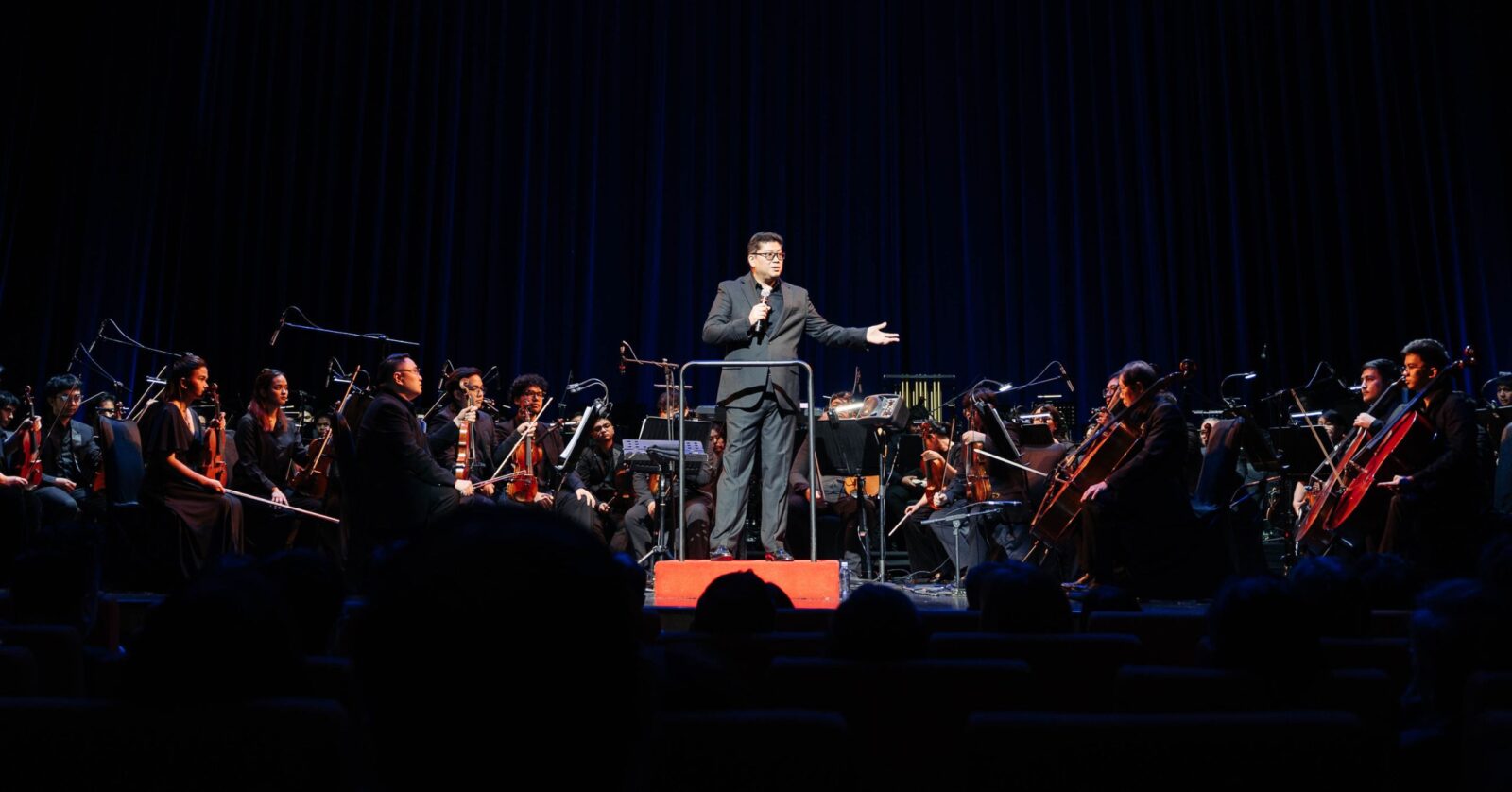
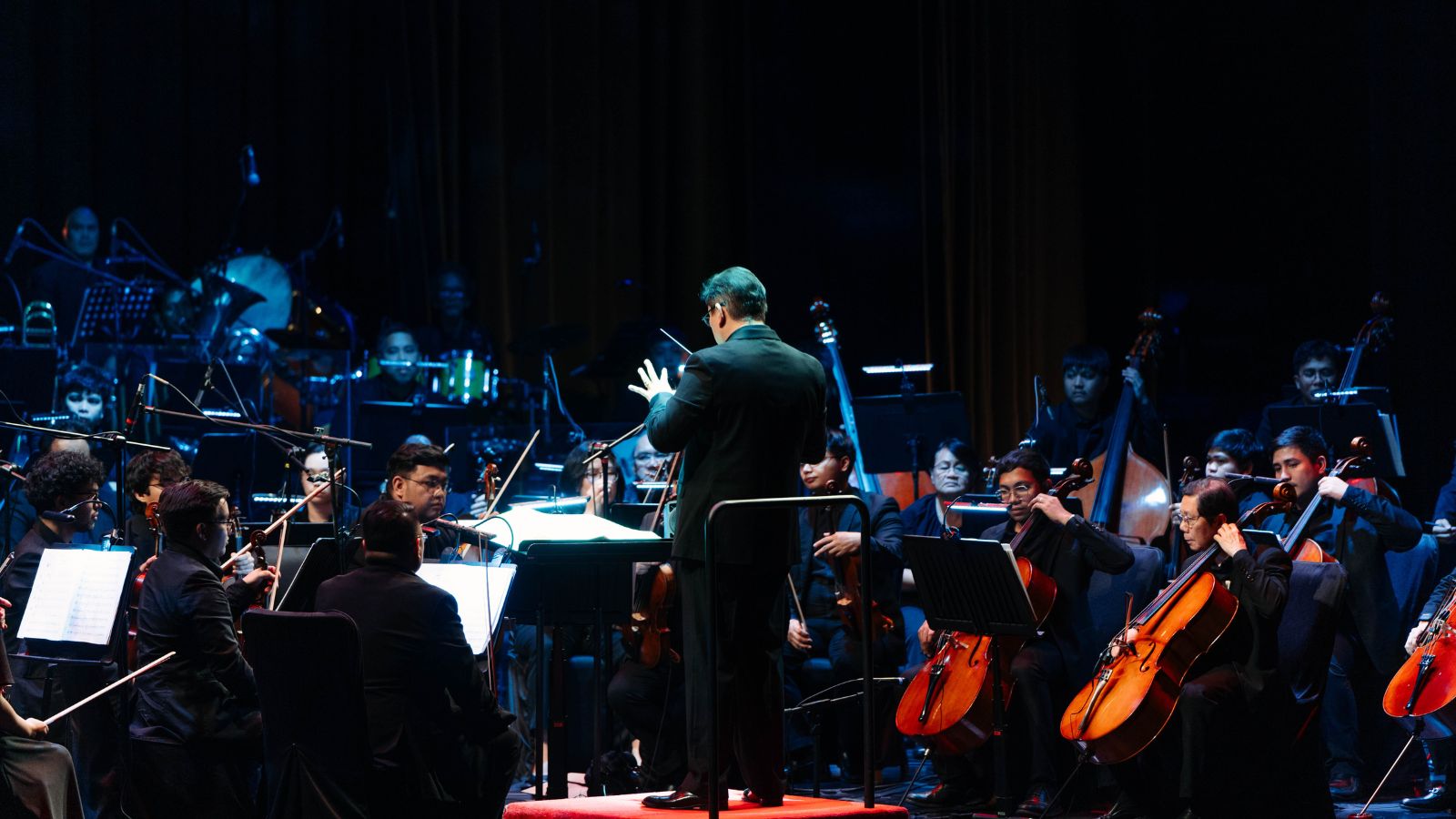
Maestro Gerard Salonga and the Filharmonika Orchestra masterfully transported audiences to the magnificent worlds of blockbuster films and cinematic masterpieces through the legendary scores of two celebrated composers.




Courtesy of Jarod Arevalo & Dot Digital Philippines
Courtesy of Jarod Arevalo & Dot Digital Philippines
If there were a concert featuring legends who captured audiences, took their breath away, and defined a generation through music that shaped childhoods and transformed the cinematic landscape forever, it would be nothing short of cinematic.
That’s exactly how I felt experiencing the Filharmonika Orchestra under Gerard Salonga. The cinephile in me was in full swing as they masterfully brought the magnificent scores of film legends John Williams and Hans Zimmer to life at the Theatre at Solaire.
GERARD SALONGA: Courtesy of Jarod Arevalo & Dot Digital Philippines
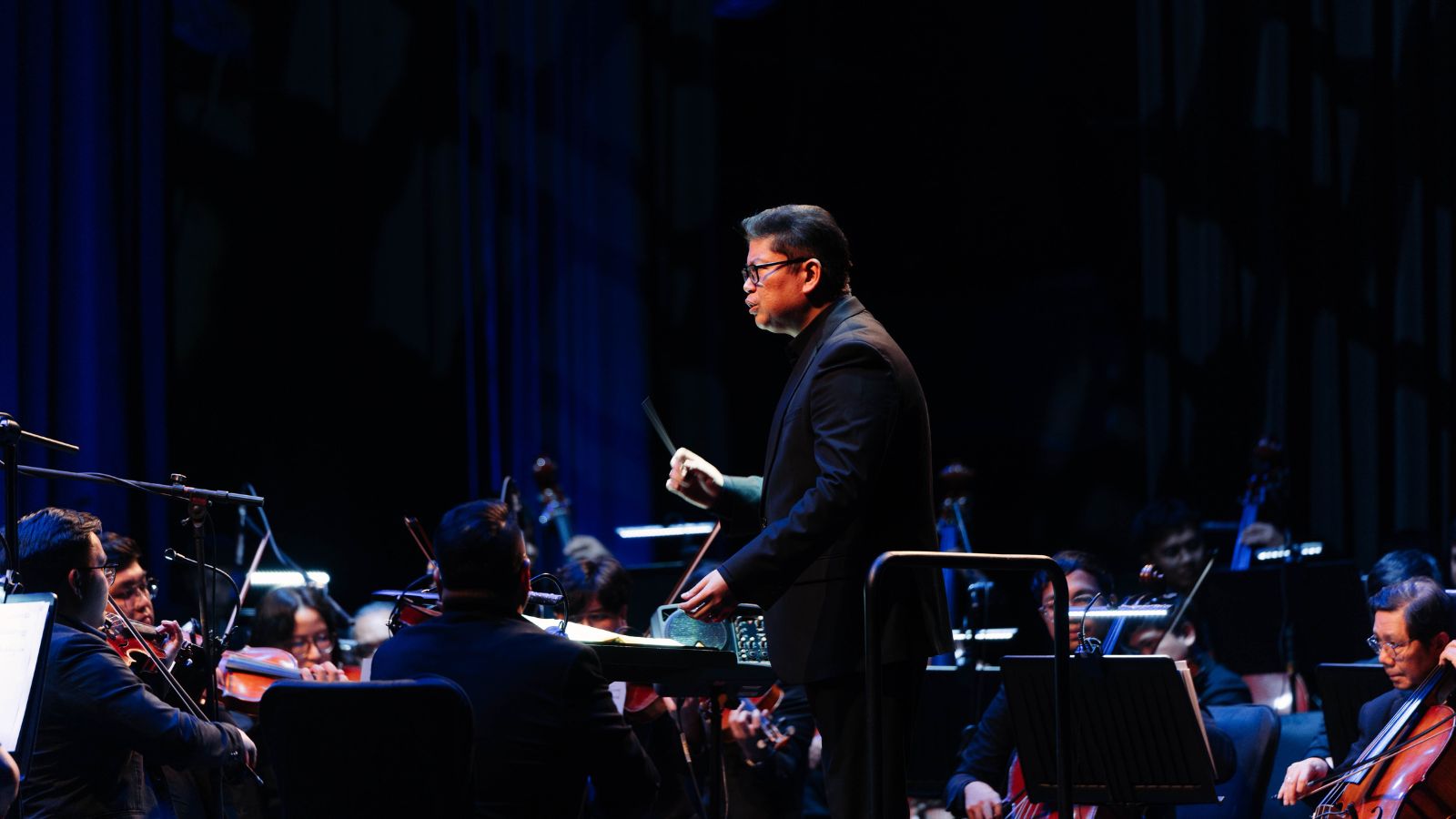
Heading into the concert, I expected to be transported to the many worlds once captured on screen. Ironically, there was no screen throughout the performance. As Salonga explained, the orchestra has often performed on the same stage with the visuals of films like Star Wars and Harry Potter accompanying their music. Yet he couldn’t have said it better when he thanked the audience for coming simply to experience these timeless scores and themes — proving that the music alone, even without visuals, is more than enough.
The first act of the program featured a selection of Williams’ pieces, kicking off with the “Raiders March” from Indiana Jones. The sense of adventure tied to one of Harrison Ford’s most iconic roles immediately shifted the atmosphere inside the theater. Salonga explained that the program highlighted Williams and his brilliant collaboration with another cinematic legend, Steven Spielberg. I gravitated toward many of Spielberg’s blockbusters growing up, and there’s no doubt that his films continue to capture what it truly means to be transported into different worlds through cinema.
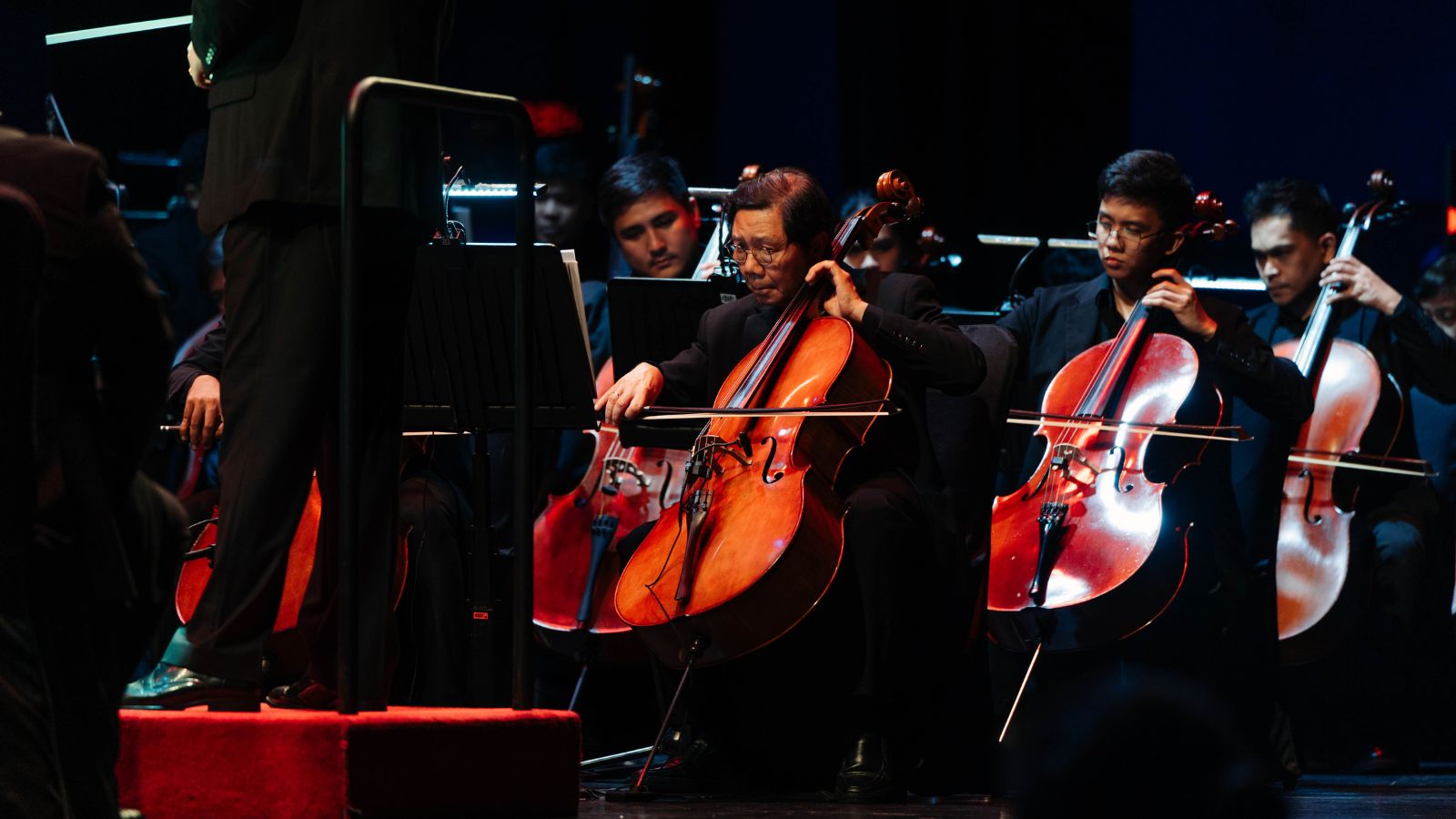
From there, the program moved into a score recognizable by just two notes. As Salonga and the Filharmonika performed the suite from Jaws, often cited as the first-ever summer blockbuster, it felt as though the shark itself was in the room with us. Even without visuals on screen, the music alone was enough to evoke the tension and suspense vividly remembered by audiences who experienced this timeless film when it first premiered in 1975.
Courtesy of Jarod Arevalo & Dot Digital Philippines
Another Spielberg classic — this time in the realm of science fiction — the suite from Close Encounters of the Third Kind may not be the first score that comes to mind when thinking of Williams. However, having seen the film only once or twice many years ago, my thoughts immediately returned to Richard Dreyfuss, the film’s lead. Salonga’s interaction with the audience between sections of the performance helped provide valuable context and narrative before each performance.
The ’90s made a strong comeback as Salonga and the Filharmonika revisited Williams’ scores from Spielberg’s films of the decade. “The Flight to Neverland” from HookHookThe catchy musical or lyrical phrase in a song designed to grab the listener's attention and stay in their memory. A strong hook defines a hit, and songwriters spend effortGo to Hook Glossary followed, reminding the audience of Robin Williams’ brilliance as a performer and his ability to capture childlike wonder, just as he did as Peter Pan in Spielberg’s 1991 classic.
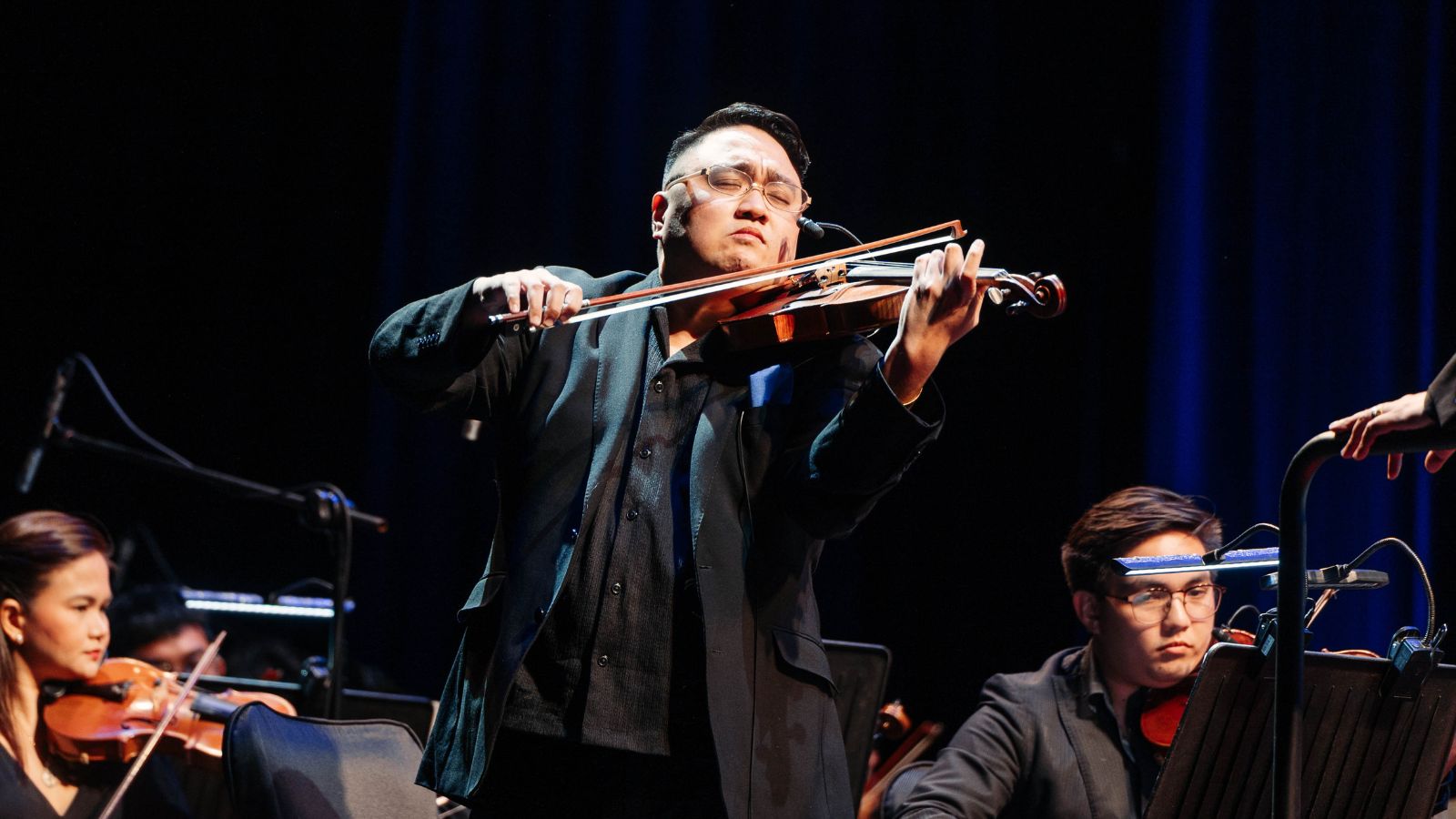
DIOMEDES SARAZA JR.: Courtesy of Jarod Arevalo & Dot Digital Philippines
1993 may have been Spielberg’s most remarkable year. The release of two masterful films — each contributing to a very different kind of cinema, from powerful historical storytelling to the magic of make-believe — brought us the main theme from Schindler’s List and the iconic theme from Jurassic Park. Though part of the orchestra, celebrated concert violinist Diomedes Saraza Jr. stepped into the spotlight for the Schindler’s List theme.
A wonderful back-to-back, I, myself, had a fanboy moment as someone who loves the original Jurassic Park. Even without visuals, the power of imagination was amplified, as I imagined scenes from the film — from the characters’ first encounter with the Brachiosaurus and the T. Rex to the sweeping landscape of the park itself.
To close the set of Williams’ scores, “Adventures on Earth” from E.T.: The Extra-Terrestrial was nothing short of spectacular. Salonga explained that Williams and Spielberg had some trouble finalizing the piece during the recording sessions with and without the visuals. In the end, Spielberg let Williams and the Hollywood Studio Symphony play their magic, then adjusted the scene in the editing room to create the perfect marriage between music and film for the iconic moment.
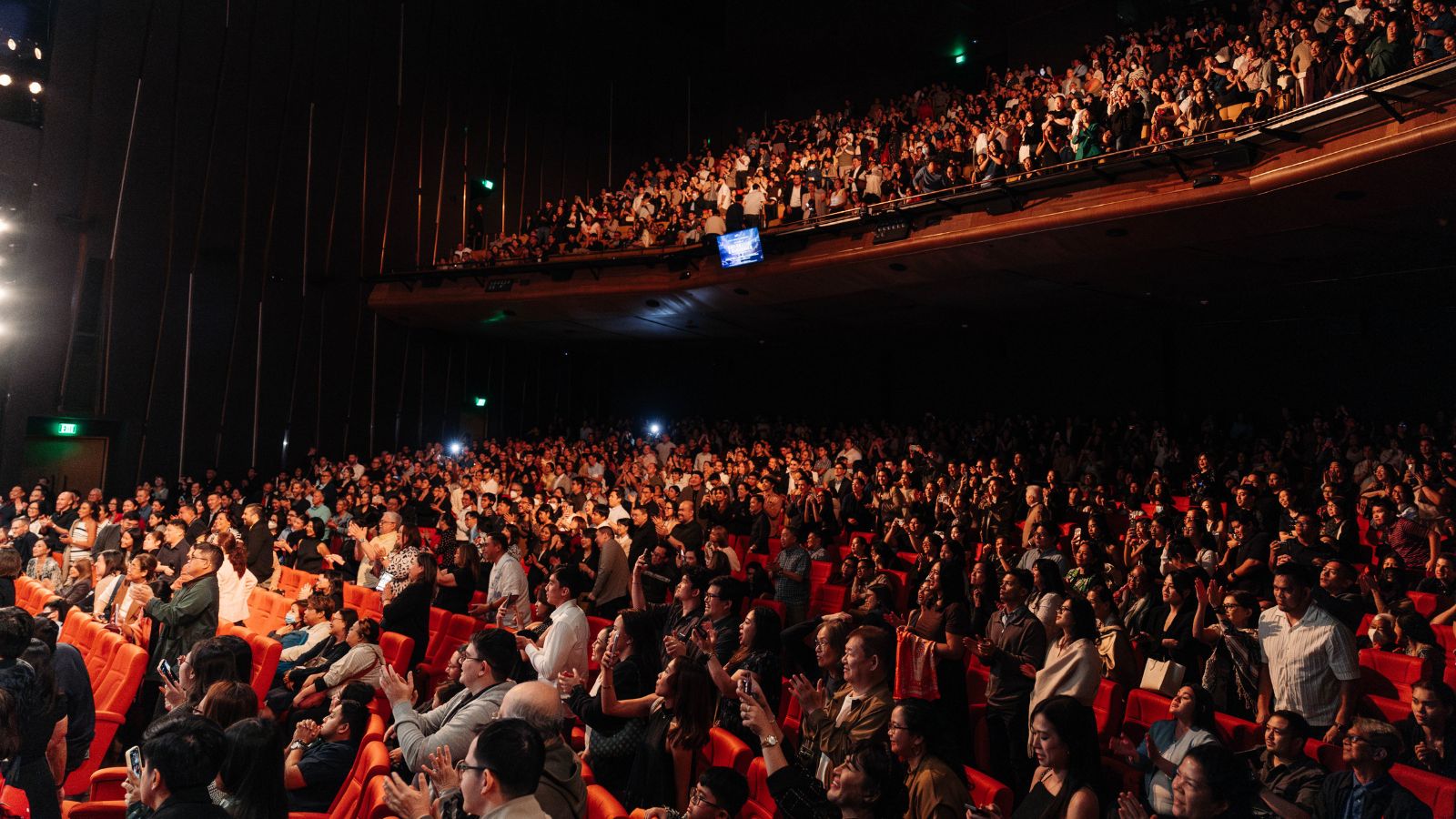
Courtesy of Jarod Arevalo & Dot Digital Philippines
From one legend to another, Salonga and the Filharmonika returned for the second and final act of the program, immediately taking us soaring through the skies. Zimmer brought his own flair to the iconic Top Gun anthem for its legacy sequel, Top Gun: Maverick. The 2022 Tom Cruise–starring blockbuster was already an impressive feat of cinematic and technical achievement, and Zimmer added the perfect finishing touch with a modernized anthem that captured its thrilling spirit.
“Paul’s Dream” from Dune, which earned Zimmer his second Academy Award, followed next. The orchestra captivated the audience with its simple yet sweeping arrangement, transporting us back to Denis Villeneuve’s stunning adaptation. One of only two pieces in the program to featureFeatureA collaboration in which one artist appears on another's track, usually credited with the abbreviation feat. Features quickly introduce performers to each other's audiences, and a well-chosen guest can liftGo to Feature Glossary vocals, legendary vocalist Bituin Escalante took the stage to provide the vocals for the latter section of the film’s theme. Her rendition, along with the orchestra, sounded like the original, as if they brought desert dunes of Arrakis to the theater.
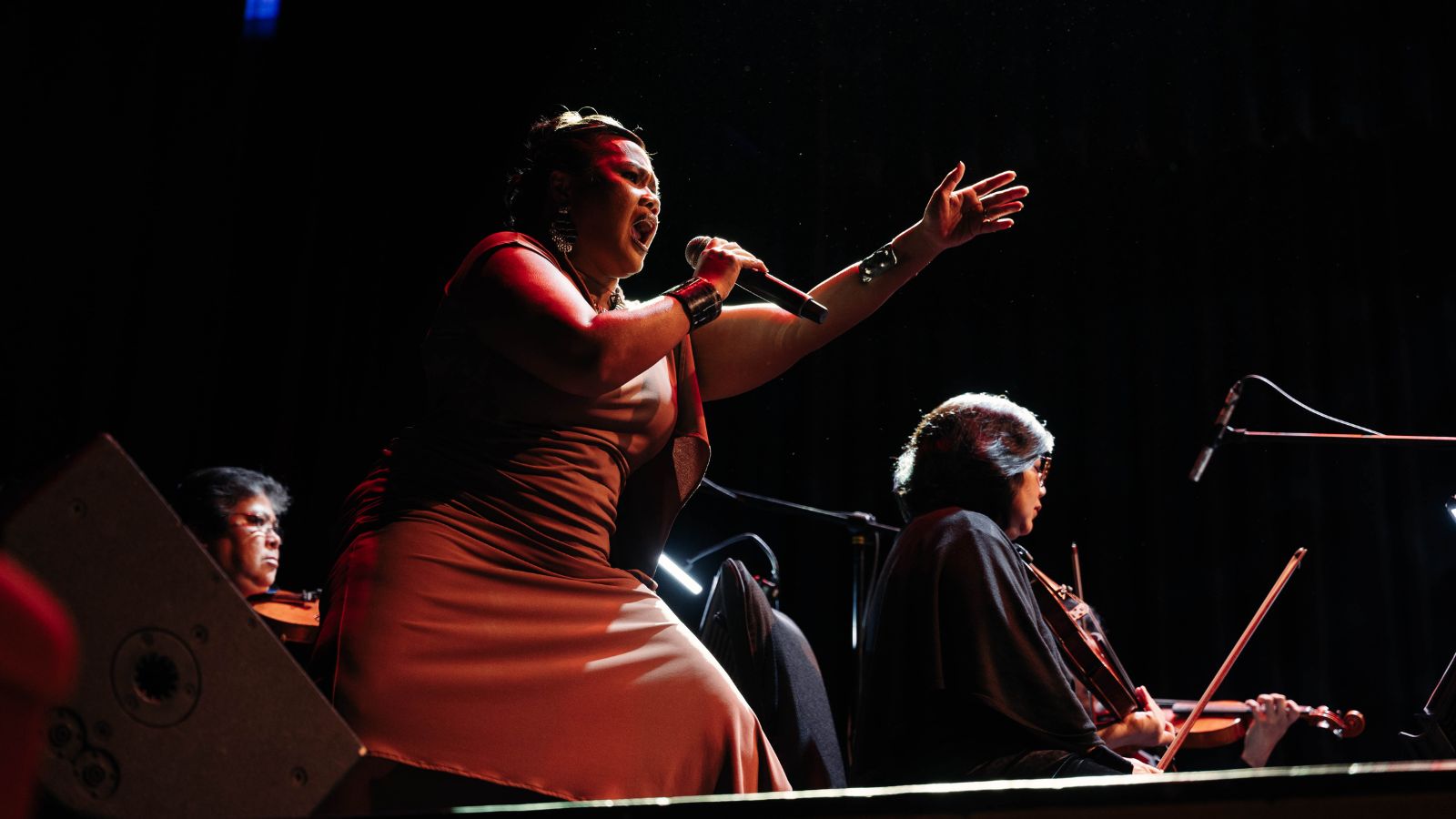
BITUIN ESCALANTE: Courtesy of Jarod Arevalo & Dot Digital Philippines
Just like the Williams–Spielberg collaboration was a match made in heaven, Zimmer found his perfect collaborator in Christopher Nolan. All I could hear in my head was “Murph!” as the orchestra performed the suite from Interstellar. It captured the heartfelt emotions of Nolan’s seminal sci-fi masterpiece — the love, loss, and journey through time and space.
A DC Comics fan at heart, the one theme I was most excited to hear was the suite from The Dark Knight, which Zimmer co-composed with fellow score legend James Newton Howard for Nolan’s sequel to Batman Begins. The performance felt complete, and Salonga even explained how the suite perfectly captures both the dual identities and inner struggles of Bruce Wayne and Batman. What I’ve always loved about The Dark Knight trilogy is Zimmer’s score, which seamlessly brings the world of comic books and superheroes into a grounded, modern cinematic landscape.
From Gotham to the high seas, the suite from Pirates of the Caribbean: The Curse of the Black Pearl was an epic experience. Although Zimmer wasn’t credited as the composer for the first film, his apprentice and fellow German composer Klaus Badelt was — but Zimmer’s signature style and influence were greatly heard and felt through the symphonic suite.
Escalante returned to the stage to provide the vocals for the Gladiator suite, from Ridley Scott’s acclaimed epic adventure. While I may not be the biggest fan of the film itself, I can’t deny that Zimmer’s accompanying score remains one of cinema’s most celebrated and powerful works.
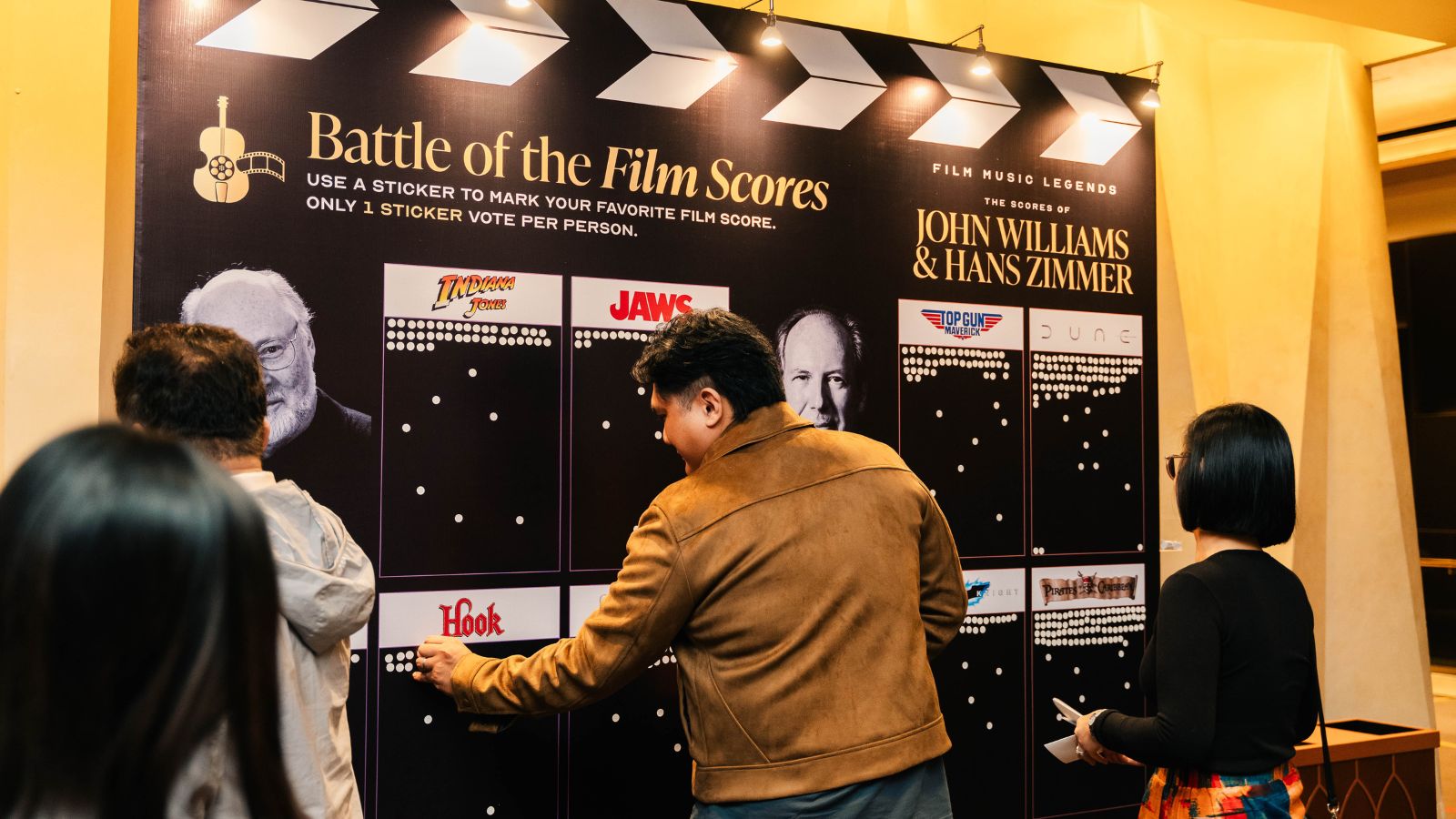
Courtesy of Jarod Arevalo & Dot Digital Philippines
Capping off the second and final act, the orchestra performed Zimmer’s score for Disney’s The Lion King, which earned him his first Oscar. It was a fitting conclusion to the concert, as the suite beautifully wove together all the iconic themes and motifs from the film. It was a full circle (of life, wink), leaving the audience in awe and filled with nostalgia, as the grandeur of cinema came alive through the music.
The night didn’t end there; we were treated to an encore — or perhaps two. At first, I worried the evening wouldn’t feel as complete as I had hoped. There were still iconic scores I had been expecting, and I felt a bit disappointed that they weren’t included in the official program.
Williams and Zimmer never officially collaborated, yet these two maestros share something remarkable in common: creating magnificent music for one of the greatest superheroes of all time — Superman. Salonga and the Filharmonika ensured the audience left on a high note, starting with the iconic Superman March by Williams. Just as the 1978 film made audiences believe a man could fly, its timeless theme made everyone in the theater believe that music itself can inspire hope and remind us that Superman embodies the essence of a true hero. Growing up, the theme held a special place in my heart — and the performance did not disappoint.
Courtesy of Jarod Arevalo & Dot Digital Philippines
As I grew older and immersed myself more deeply in comic books, it was Zack Snyder’s 2013 reimagining of Superman in Man of Steel that made me fall in love with the character all over again. Though Snyder’s interpretation met mixed reception, Zimmer’s score still holds up as a powerful and fitting musical embodiment of this version of the character. The Man of Steel suite has slight nods to Williams’ original themes, while also embracing its own with the sheer scope of Zimmer’s vision. Salonga shared that Zimmer gathered a dozen top-tier Los Angeles drummers, including producer Pharrell Williams, to echo the scale and scope of Superman’s world. Undoubtedly, after experiencing a night of extraordinary film music, the encore was a true gift — one I can’t thank Salonga and the Filharmonika enough for.