
Men I Trust On Finding Clarity In Contrast With ‘Equus Asinus’ And ‘Equus Caballus’
In this interview with Billboard Philippines, the Canadian indie trio talk about their evolution over the years, and how those changes affected the process of bringing their latest records to fruition –– both from a technical and emotional standpoint.





There lies a distinct, and equally special place in the global music circuit where Men I Trust are a household name.
For those familiar (or perhaps well attuned and acquainted) with the indie, dream pop, and alternative sort of soundscapes, this French-Canadian trio of musicians comprised of Emmanuelle Proulx (lead vocalist, guitarist), Jessy Caron (guitarist and bassist), and Dragos Chiriac (keyboardist) have become legends in their own right –– weaving hypnotic melodies, ambient jazz, and ethereal elements to craft music that is simultaneously future-forward and honors the past.
With 12 years notched under their belts, the band has quietly influenced many of their peers with now-classic records like Headroom, Oncle Jazz, and the Untourable Album. But amidst such notable releases, what separates Men I Trust from the churn of internet-era indie isn’t just aesthetic consistency, but an almost radical sort of patience. Their rise has never hinged on a viral inflection point or a dramatic reinvention; but instead, it’s been defined by accumulation — of songs, of shared memories, of trust built long before algorithms dictated discovery.
Despite their understated yet impactful presence, Men I Trust have cultivated a global audience that feels deeply personal rather than passively massive. Their songs soundtrack late-night drives, solitary moments, and intimate gatherings (especially for some of the coolest people you’d know) — mostly experiences that thrive on repetition and familiarity. Perhaps that’s why their fanbase spans continents without diluting the band’s identity, because here’s no disconnect between the Montreal trio trading demos through Dropbox and the packed rooms singing every word back to them. That level of intimacy scales, somehow, without breaking.
In a way, that same emotional throughline courses through Equus Asinus and Equus Caballus, their latest records that reflect a band more willing than ever to sit with vulnerability. Conceptualized during a time of personal upheaval, these albums don’t dramatize uncertainty but they metabolize it –– utilizing groove-heavy basslines coexist with distortion and weight to evoke warmth that lives alongside abrasion. The result is undeniably Men I Trust at their most human, somewhat unafraid to let tension exist without resolution.
As they return to stages around the world, including a long-awaited stop in Manila, the band sit down for a quick (yet insightful) chat with Billboard Philippines to talk about their evolution over the years, and how those changes affected the process of bringing their latest records to fruition –– both from a technical and emotional standpoint.
Billboard Philippines: Looking back to forming the band in high school, what elements of those early years still shape who you are creatively today — and what feels like it has completely transformed after all these years?
Emmanuelle Proulx: Jessy (Caron) and Dragos (Chiriac) started sharing music long before the band existed, back in high school, when discovering new tracks meant sending links over MSN or Myspace. They were exchanging everything from hip-hop to metal—sometimes seriously, sometimes just for fun—but that back-and-forth became the foundation of how we communicate musically. That dynamic never really changed. We still work individually, build song ideas on our own, and then share drafts with each other before deciding which ones to develop further together.
Knowing each other for so long has made the process feel very fluid and instinctive. There’s a deep level of trust and understanding, both musically and personally. A lot of that comes from shared memories—late-night drives, stories about where we grew up, people we knew, old tours, and jokes that have been running for decades. Even after all this time, those shared moments continue to feed into the way we make music together.
That’s amazing. Yet when you survey your evolution over the past decade, what do you see as the biggest turning points that redefined your sound or artistic priorities?
It’s an interesting question, because a lot of people ask whether there was a turning point for the band, either in terms of our career or our creative identity. There’s a natural curiosity about what the one defining moment might be that makes a band what it is. For us, though, we honestly feel there wasn’t one. Everything has been slow and steady. There was no major turning point in our career or in the way our sound evolved — just a constant evolution.
Of course, we’ve had songs that found a lot of success, like “Show Me How”, but that never defined how we see our sound, our priorities, or who we are as a band. We’ve just kept doing what we do, and it seems like our fans are there for it! We feel very lucky
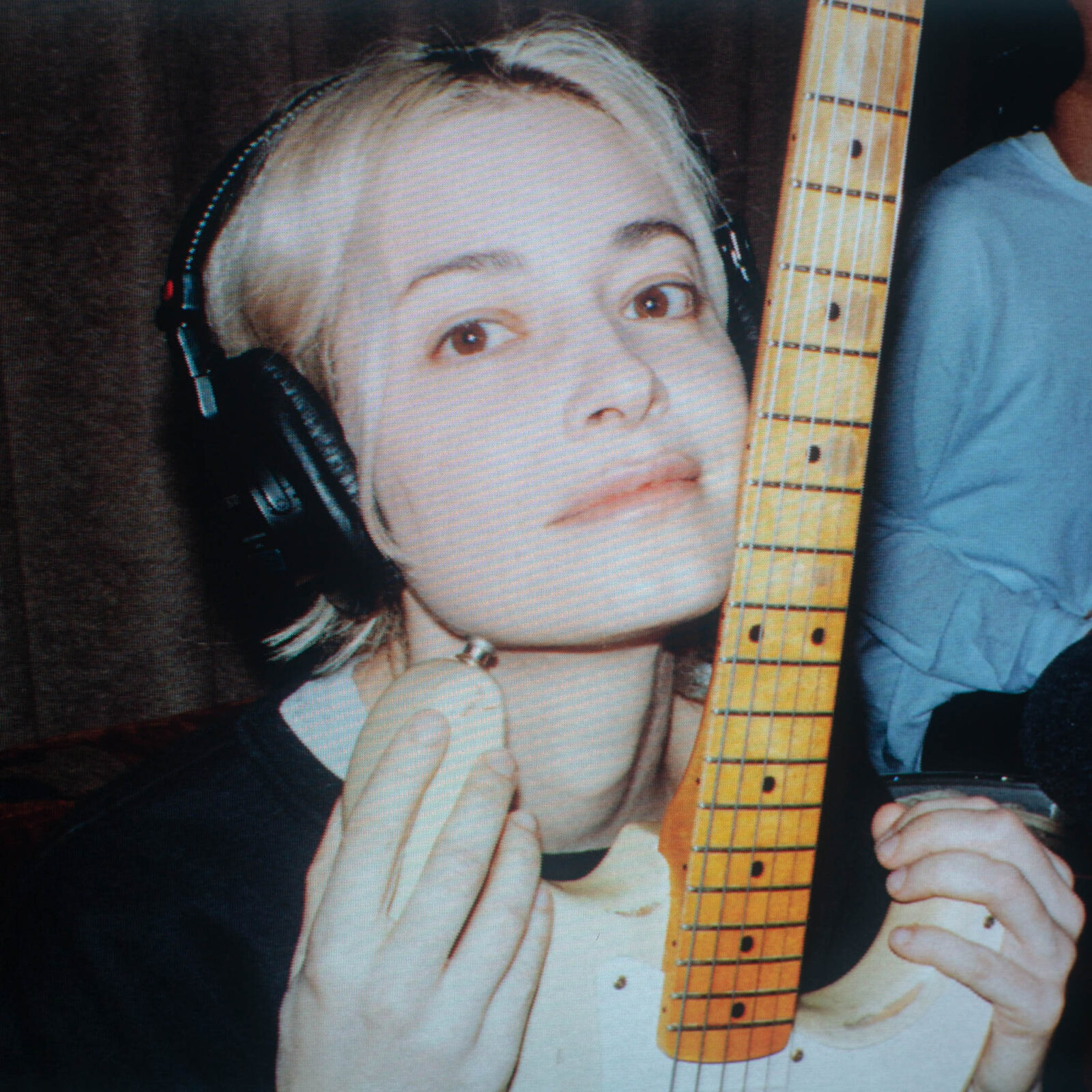
As it stands, your music occupies a space between dream-pop, groove-driven indie, and electronic minimalism. When did you feel your signature sound solidify, and when did you realize it also needed to evolve?
Hmmm. It’s hard for us to answer those questions because we’re too close to it to analyze it that way. We have one thing in mind: make good songs and release better music than what we did in the past.
It always ends up sounding like a Men I Trust song because we are the same three individuals, and the way we work has remained the same: we work individually on each song, never at the same time. This way, we really get the best of each other’s vision for the song. Even when we move toward new ideas, the way we make music hasn’t shifted. That shared process ends up being the thread that ties everything back to our sound.
How has your approach to arrangement and production — especially the balance between analog warmth and digital clarity—shifted from your earliest releases to now?
In some ways, our approach has stayed the same, though each album has a different colour. We always aimed for both warmth and clarity, though the balance was always determined more by the style we wanted to give a song and the way they were arranged in the composition stage. The sonic quality of some releases was also determined by the audio setup we had at the time of the recording.
We do have some warm analog gear like preamps, synths, pedals, and microphones for recording drums, guitars, pianos and vocals. But we try to keep everything super light and we do not shy away from working mostly in our big Dropbox folder for the bulk of our song recording and mixing/mastering process.
We usually try to capture instruments as we want them at the source, and then use some light compression and wide-band EQs (typically the standard Ableton ones). We achieve depth by using digital reverbs and by keeping lower levels on some tracks. We achieve width by making sure that every sonic element has its distinct place in the mix. Typically, the latter is affected a lot by our arrangement choices (instrument register and timing, so that they each have their distinct times and ranges). When all the instruments in a mix have their distinct ranges, levels, and timing, width and depth come naturally. We always mixed and mastered at the same time, so it’s always easier to adjust anything at the source instead of altering the broad mix of a song.
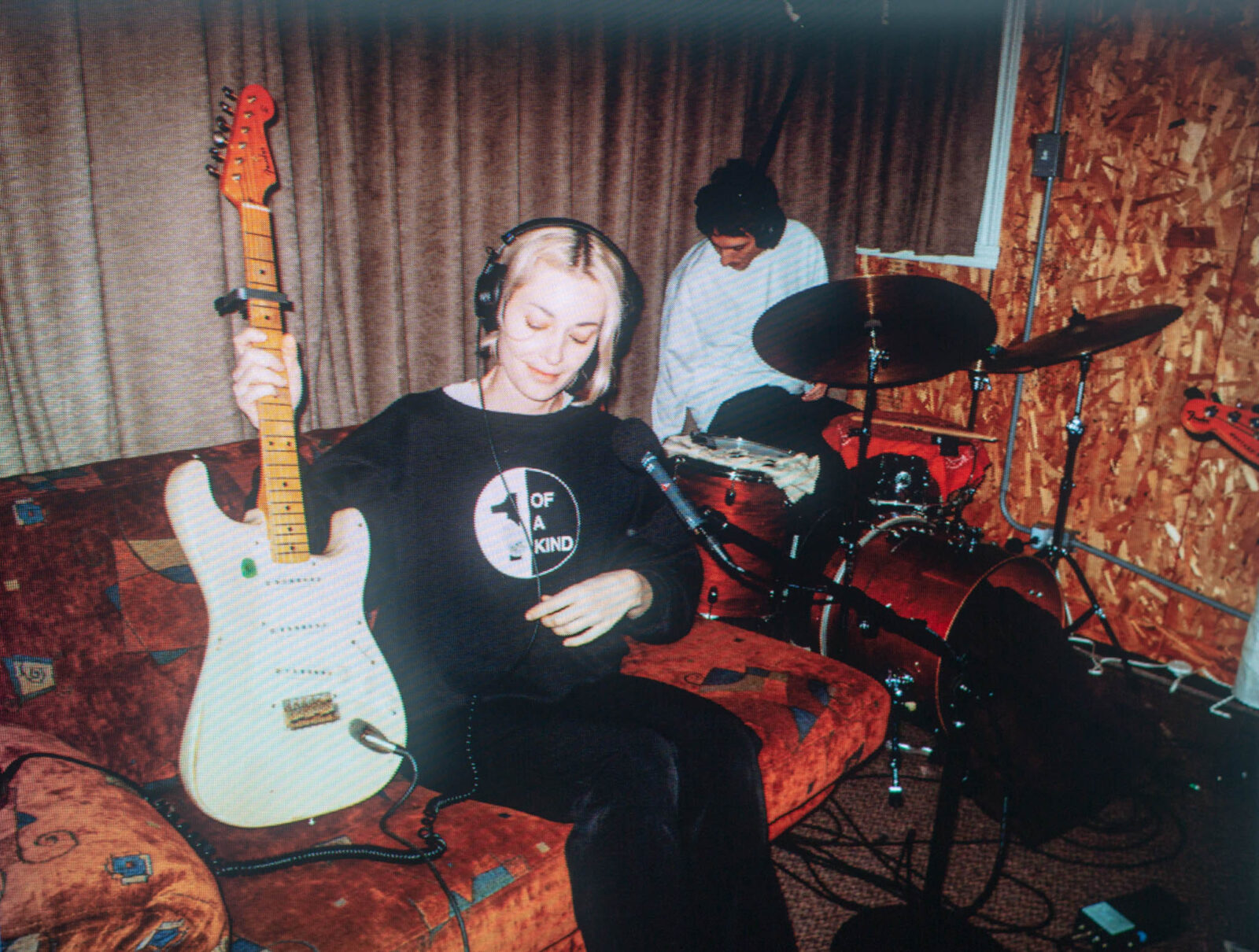
Not only is that quite fascinating, but it’s also very evident with your latest records, Equus Asinus and Equus Caballus, both of which arrived as companion works earlier last year. What kind of emotional or conceptual dialogue do you feel the two albums are having with each other?
We write whenever we have time at home, so we have accumulated a lot of drafts we loved. When it felt like the right moment, we spent a few focused months finishing our favourites and creating new ones. To our surprise, two sharply contrasting moods emerged, and that contrast came out of each of us independently, without us ever talking about it.
We didn’t want to plan or discuss it beforehand, so we wouldn’t influence each other and could keep the process completely free. We had a fair number of songs we loved, and rather than cutting them down to one album, making two felt like the most natural choice.
How do these two records reflect who you guys were creatively and personally during the periods you made them, and what surprised you about the process?
That period was one of extreme personal change for most of us. Those changes turned out to be a positive force creatively. There was a lot of uncertainty in our personal lives, which made it a very fertile environment for songwriting. We usually write in a more peaceful state, but this time the songwriting itself became a source of peace we weren’t necessarily finding outside of our writing. The Equus LPs are definitely our most personal and vulnerable work to date. What’s interesting is that even though one album leans more toward upbeat tempos and a different energy sonically, both records are actually coming from the same emotional place.
Particularly with Equus Caballus, it leans heavily into your hallmark groove –– especially with the melodic bass lines, warm synths, and airy vocals. What drew you to amplify that rhythmic and textural interplay across nearly the entire album?
Yes! With Equus Caballus, we really leaned into groove, heavier beats, and a more pop-oriented feel throughout the whole album. That direction wasn’t something we forced — it came naturally simply because we had enough songs that lived in that space. Having two albums allowed each mood to exist fully on its own, and that separation actually created a stronger internal cohesion within each record.
We didn’t try to write new songs to fit a specific concept; we just put together the strongest material we had. Our priority is always to let the songs be what they are. The idea of having two albums came as a bit of a surprise, but it was a five-minute discussion because it was so obvious. It’s what we needed.
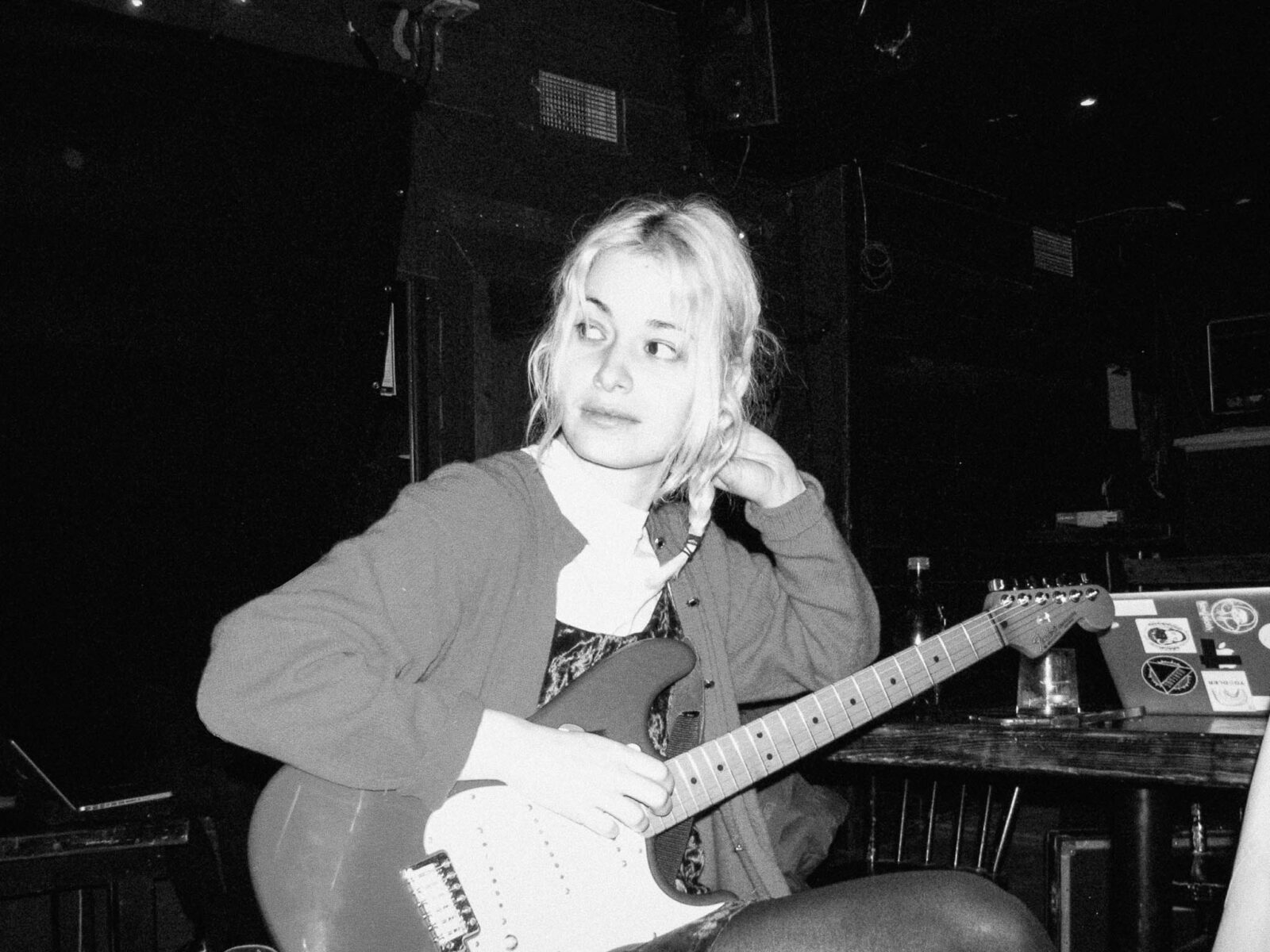
As what fans like myself have noted, the grungier, more distorted textures at the end ofEquus Caballus mark new territory for you. What sparked your interest in exploring this heavier, rawer sonic space?
For us, ’90s kids, it’s a return to a sound that shaped our youth — something that never really left us because those years were so formative. That kind of music still resonates with us. The more guitar-driven direction on the heavier tracks might also come from playing a lot of shows, which has naturally influenced how we approach our time in the studio. Our move toward quicker tempos is also influenced by the energy we feel on stage and the way we feed off that intensity live. That energy is something we really crave.
And what do those grittier sounds suggest about where Men I Trust might be headed sonically in the next few years?
That we don’t know! We don’t plan too far ahead and try to take things as they come to us in the time and place, especially when we are creating.
Given that you’re set to return to the Philippines for the ‘Equus Tour’ this February, what can we expect from how these albums are going to be adapted in the live setting –– as well as how it’ll be revisiting your early discography in a new setting?
People can expect us to play a lot of songs from Equus Caballus, since we really wanted to take those songs on the road. We’re also bringing back some of our favourite songs from earlier records. We really feel it’s the biggest and strongest set we’ve ever put together, and honestly, we think people are just going to have a really good time. We’re excited! People in the Philippines are always so welcoming—it’s nice to be back.
Finally, after more than a decade of collaboration, evolution, and touring, what questions — and not answers — are driving your creative direction as you look toward your next phase as a band?
We have a lot of questions about the future — about music, streaming, how people will consume music, and what place real, human artists will have in the world. Playing live has become especially important to us. Human connection matters more than ever. Seeing music act as a catalyst for that connection is incredibly meaningful to us. We don’t know what the future holds, but being able to tour, gather with people, and share those moments around music is a major source of motivation and joy for us.
As we anticipate Men I Trust’s upcoming show in Manila, revisit their latest album, Equus Caballus, in its entirety below: