
Deej Fabian On The Modern-Day EDM Scene: “Everyone’s a DJ, and that’s a good and a bad thing.”
As a curator, photographer/videographer, and DJ, Deej Fabian lent his insight to Billboard Philippines on the modern-day Manila EDM scene, and how it reflects our culture on a broader scale.




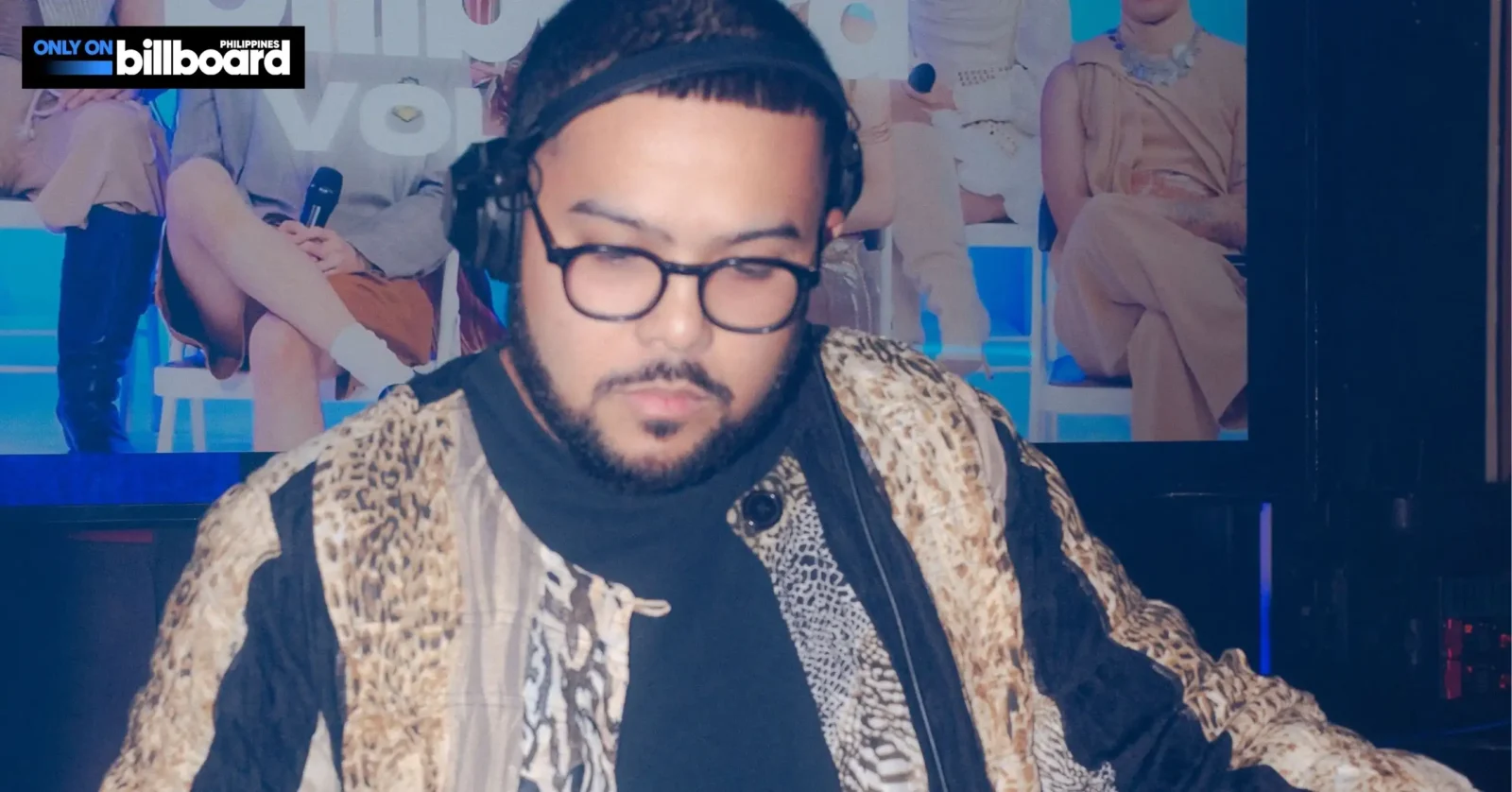
Photographed by Easel Manes
Photographed by Easel Manes
Being a DJ in the age of social media has become a phenomenon of its own. DJ sets are recorded and spread on the Internet to capture short glimpses of big moments on a night out. However, as these snippets become what we perceive as DJing in the modern age, what happens to the hour-long sets that people witness in real time?
This is a question that Deej Fabian (also known by his DJ tag, ‘someguy’) tackles in his exclusive interview with Billboard Philippines. During his set at the Billboard Philippines’ Off The Charts Party 2025 which celebrated some of the biggest hitmakers in the local soundscape to date, Fabian took chart-topping hits and spun these anthems into something fresh and purely danceable.
As a curator, photographer/videographer, and DJ, the creative lent his insight to Billboard Philippines on the modern-day Manila EDM scene, and how this reflects our culture on a broader scale.
Billboard Philippines: On behalf of Billboard Philippines, I’d like to thank you for spinning for us at the Off the Charts Party 2025. You spun for the hottest acts in the nation today. What was it like to curate the perfect kind of mix for such a unique and electric energy?
Deej Fabian: Honestly, it was quite the challenge. It was a very interesting assignment for one. Given that, you know, the assignment kind of was like to be able to still make the party vibe, but still integrate a lot of the chart-toppers. Given that, we have very varied and widespread musicians and genres that kind of encompass the whole year’s chart toppers list. But of course, it was interesting to kind of like review a lot of the music and, you know, scour the internet, especially for remixes that would still get the party bump in but still involve the artists, especially the ones who were there.
It was nice to actually dig deep enough to find a lot of these bedroom DJs off SoundCloud that had very interesting takes on different genres to match with the existing music. Even having bigger international DJs, slash producers all the way from Vienna or like somewhere in Europe that are mixed-race, half-Filipino — a lot of them also have these quirky, interesting takes also.
On that note, as you’ve mentioned, you incorporated many of these artists’ greatest hits and chart-toppers into your mix for that night. Were there any specific moments or reactions in the night that you felt especially proud of?
There was just one remix I played for with a Cup of Joe track, but it had like a more bumpy R&B soul remix into it, which was something that kind of caught a few people off-guard. I was like, “Oh, pwede pala ‘yun.” (Oh, I can do that.) A few of them came up to the booth and just, you know, just really danced out and vibed out. Interspersing it with current hits, some personal favorites that I play on the regular or some deeper cuts that I actually don’t get to play in bars. Some of them really meshed well with some of the music that I found for the night, specifically.
With that in mind, DJing is much more than choosing songs on a playlist. For many, it can be a form of storytelling. How did this kind of energy of storytelling play into your set at the Charts Party?
I grew up in the early days of clubbing and the whole, I mean, I started not as a DJ, [but] as a photographer for a few clubs, back maybe a decade ago. I was already immersed in a lot of the nightlife scene, and I really took to heart a lot of the things that I learned from back then that a night out should have a flow. It should have ebbs and flows from start to finish. You’ve got to get people from whatever mood that they have to start, and try to bring them to that point where you can actually play high-energy stuff, just so that it doesn’t feel jarring. You still kind of want to pull them in and yield the crowd in.
There’s always kind of like an opening, to prime time, to closing type of situation, just to kind of make everything feel natural in a way. Putting that into the set for the party that I did with you guys, a lot of that factored in. I really had to look at the people and see where they’re at especially coming off of a program and people were already in a drinking mood, and people were already in a dancing mood, and that made it a lot easier for me to bring them to where I wanted to go, because especially these days like the trend of nightlife has kind of shifted
A lot of it is based on TikTok transitions and what we see online, very short clips of high-energy, big reactions, and I didn’t think that that was the case for the party because that’s more of a performance, and I’m not the performer in the show – I’m more of a conduit to get everyone to have a good time, and there’s always a time and place for everything.
So, I wanted to steer the night in a way that there’s proper flow rather than just shock and awe, and that kind of draws to the idea that there’s always going to be the right place and right time for certain music, certain energy, certain moves. I think that’s most of the job of the DJ, which is to actually recognize that timing, rather than to just show out and be the main character for the whole night.
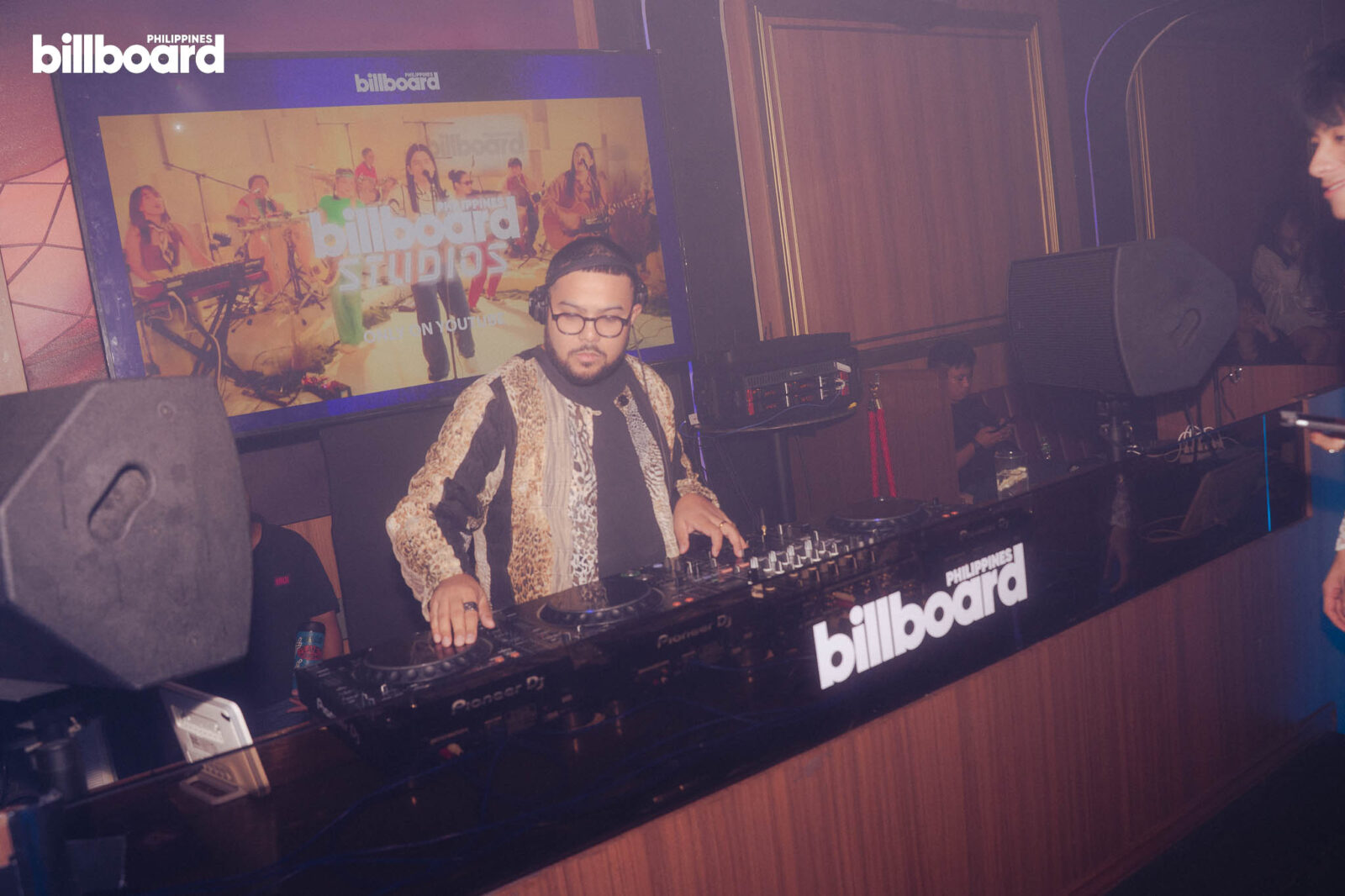
Photographed by Easel Manes
When you routinely play multiple sets in one week, how do you kind of enforce this energy of really checking the vibes and the flows of their energy in a room?
Well, especially if there are multiple sets in a week, if I have free rein on the music direction, my mentality is that I don’t want to play the same set through the week. If possible, I don’t play the same track twice that week just to keep everything fresh. To me, DJing in this kind of manner, that we see a lot of people — you’re on the floor level of a lot of these bars and clubs, rather than being in a central, pulpit-like stage — you want to feel that you want to connect better. I think the whole idea of doing that is very empathetic to what the people want, and it’s a matter of recognizing what they want, but also enforcing the idea that you also want to give them something new.
You want to somehow educate, you want to bring something that they’re maybe not so familiar with, rather than just feeding them what they hear on the daily, on social media. Going week in, week out, it’s just a matter of keeping fresh and recognizing that, for example, this group in front of me, they’re not yet at that level, so we try to get them to that level. But I think if a DJ is able to recognize a lot of these factors and manage to pull off a set that everyone’s going to enjoy, then people are going to come up to you to say that they enjoyed, and that’s already a win.
You mentioned earlier that when you started, you weren’t a DJ yet you were a photographer, so which local DJs or collectives shaped the way you approach your craft, and who pushed you the most?
Initially, I was a photographer, and I was already involved in a lot of small subcultures back then, as I was mostly just a witness. I liked attending to support a lot of these streetwear launches back then in Cubao Expo, going through these nights in B-side, supporting a lot of the guys from the Black Market scene. I actually worked in Black Market at the literal infancy of the club, as one of their initial promoters. So, I really wanted to absorb a lot of these things, and I took in a lot of the music that you would listen to during those events, or even just off-times with the artists and friends while hanging out with them.
I never really wanted to become a DJ. I never wanted to become a DJ at that point because I was just happy to be there and promote and actually just manage my artists and be backstage, until the point they were like, “You know, you should start with DJing because you’re already here, you’re already backstage, or already working with a lot of these people. You have a good sense of what sounds good and what doesn’t.” Basically, I just got thrown into the pit, they told me, “Hey, we’re going to book you to DJ. I was like, “I don’t know how to DJ.” And they’re like, “No, we’re literally going to teach you as you go.”
It was horrible, and it was tough. It was a mess, but I understood bits of it so that I actually genuinely got curious. I basically had a lot of opportunities to actually just hone my craft and develop my taste, and just impart a lot of crossing boundaries between what I know from the mainstream and what I know from the subcultures and underground scenes that I’ve already been embedded in and involved in.
I’ve always loved small spaces more than anything. Especially small collectives because those are the places and communities that we can actually really connect with people, and I think those are the places and groups that really shaped my current trajectory and career.
With that, this is just a personal curiosity of mine, but where did you develop the DJ tag someguy, and is there any kind of particular meaning behind it?
Yeah, I mean, it stems from that idea that I didn’t want to DJ. I just wanted to be “some guy,” and I had this literally the first idea of it when they asked me if I wanted a DJ name on a poster. I was like, “Just put ‘some guy’ because I don’t want to be famous, I don’t want to be a superstar.” I don’t have the ego to want to be that kind of flashy, big stage DJ. I’m happy being a well-respected curator and selector; I’m happy to know my lane.
The name it kind of has a little bit of mysteriousness to it, but at the root of it all, I think the name kind of is just a signifier of how I don’t want it to be an ego game.
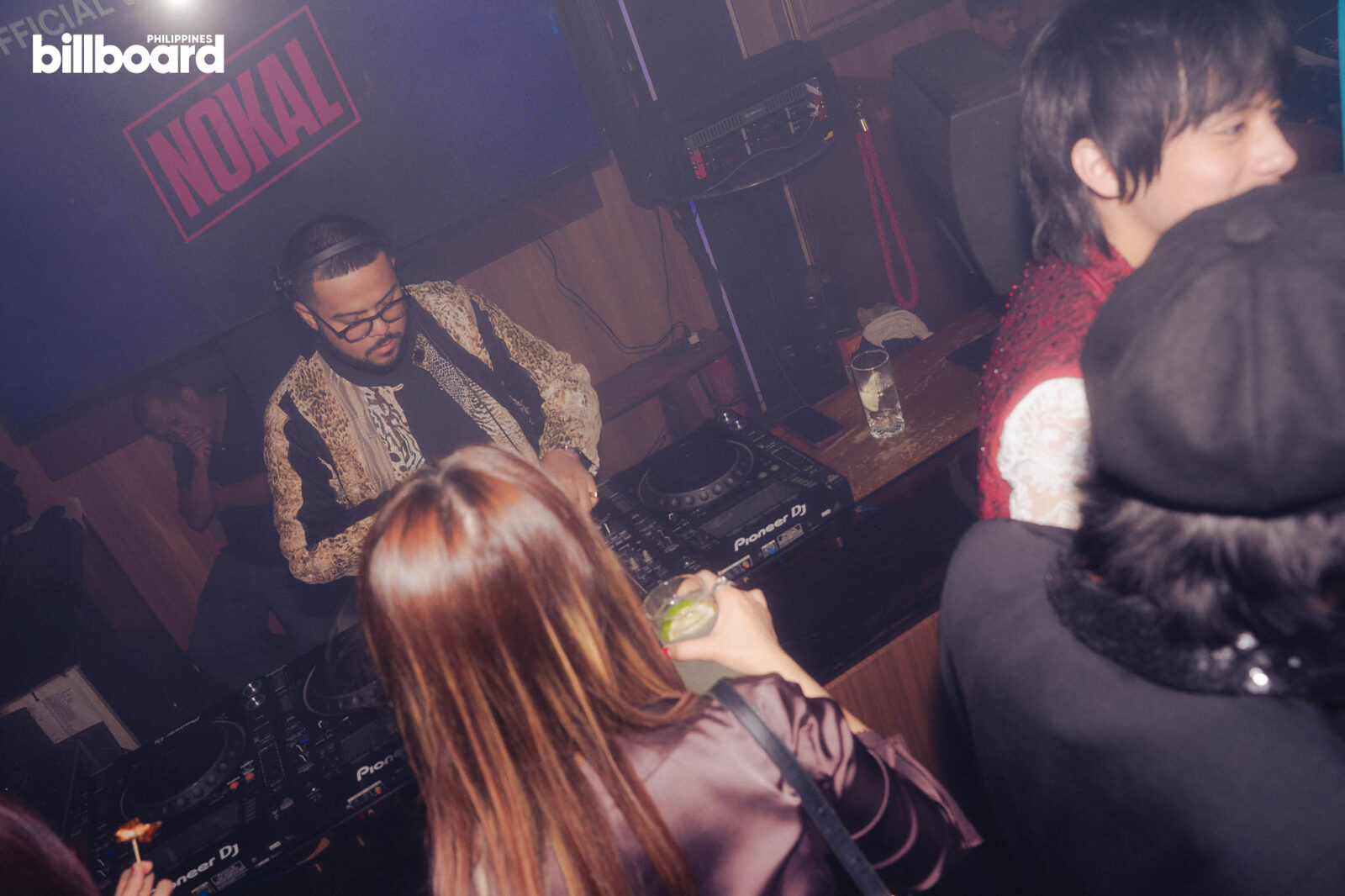
Photographed by Easel Manes
You’ve been witness to the growth of the nightlife and EDM scene in the Philippines. Are there any underground movements that we have to keep our eyes out for? Are there any particular collectives and sound pockets that are currently keeping the sound alive?
I feel like the sound of Manila in nightlife these days is really alive. It’s energetic. It has a lot of new talents, a lot of movers that are really making big moves. Personally, I enjoy going regionally to play, so I think a few years ago, it started becoming a thing to kind of explore the sounds of different regions and bring them back, or at least impart what we have to offer to other regions. It’s so rich to see the connections between Manila, Singapore, Bangkok, Vietnam, and the like.
Even with the guys that host a lot of these European SoundCloud guys like the Planet Workshop guys, After the Noon, especially Sky, Arthur (Tan), and the Orange Juice Asia people. They’re doing a lot to put that bridge between us and the world, kind of like putting a spotlight on our talents, and with the movements that these guys have been making, it’s really nice to see a lot of them giving their all to put some shine on Manila.
But even in the smaller sense of just Manila, and not even Manila, just the Philippines itself, there are small pockets of interesting movements like these guys from Los Baños, they have like a small collective that is doing shows out there, and they’re coming to Manila to do shows, and to La Union. The whole regionality, even just within the country, is getting rich. It’s a very interesting time to be a DJ because everyone’s a DJ, and it’s both a good and a bad thing.
There’s going to be a lot of similarities between all the new DJs and even the old DJs because everyone’s trying to follow a certain path or they’re leaning towards what they hear. But at the end of it all, the technical skill is super easy, but it will really show the people who stand out in a bigger light, because these guys who stand out put in the work. They’re going to be the ones that will have the longevity and the opportunities given to them in the long run because the pool may be wide, but the people who actually put in the work and the actual taste-makers will really rise to the top.
The EDM that you will hear at the nightclub is a mirror of what everyone from that region is usually listening to. With that in mind, can you explain what that kind of sound is for Manila?
At the moment, I think there are two mainstream movements of nightlife music… maybe three. One would be the easiest, [the] radio play ones. So, these are the top hits on the radio, whatever the top 40 is of stuff you’d hear on TikTok. Those are the ones that you’ll hear in the big clubs; those are the ones that you’ll hear in bottle service spots. It’s meant to serve a wide range of people, serve a lot of people who just want to go out, have a good time, party, and listen to something familiar.
I think the second one is that’s taking over the local club scene is a lot of amapiano, baile funk, and a lot of afrobeats, and all of those mesh together. That has been the general sound for the past 3 to 4 years, and with that kind of sound, we see this high energy but very distinctive country-or region-based sound that I think would be akin to also what we have as budots. I see especially regionally, every time I go to clubs in regional countries nearby like Singapore, Bangkok, or Vietnam, everyone has that kind of special spice to their sound.
I feel like people love hearing that kind of individuality in the music, and they put it all together because they’re all kinds of showing some flavor of whatever country that track or that remixes from. Even my friends from Singapore, who’re a Filipino collective that runs parties there, called Secret Pals, I do a lot of parties with them. Whenever it’s like a high-energy event, I find it very interesting to hear budots in their flavor in the way that they play it, because they take a lot of pride in it being away from the Philippines, and in a way, that’s something that really is very special on its own. That whole flavorful regional aspect of genres that are meshing together alongside baile funk, afro, and whatnot. So, that’s number two.
The other is all of these subculture niches that kind of stay in their own lane; that’s not necessarily for everyone. Emo Night has its own thing, UNKNWN has their own thing, the guys from SMUTT, Elephant (Party), Waarphole, and all of those other parties led by the LGBTQ communities have their own music. Those are the ones, you know, it’s not for everyone, but those who are embedded and involved in that community, they will support, and they will keep that energy alive for that whole community.
Many in the nightlife or EDM scene can attest that being a creative in this industry involves wearing many hats. What are some of the most valuable things you’ve learned as a creative in the nightlife industry that you feel like you wouldn’t be able to pick up elsewhere?
What I’ve learned about wearing many hats and also through time is that sometimes it’s… I mean personally, I learned this the hard way, that sometimes, you just want to do everything on your own. You want to be the one-stop shop, you want to know how to do this, this, and this, and be great at it. But the hard part is actually just really getting burnt out. Especially in this day and age, where literally everything that you do kind of requires some form of content creation now. Literally, you know, being a DJ, owning a restaurant, owning a business, even selling a house now requires content creation.
I am lucky enough that I started in the industries that brought about content creation. I used to work in production. I used to take photos professionally and whatnot. I’m happy enough that I have the assets to do that on my own. But I feel like a lot of the guys now are dealing with a lot of overload of creative requirements, wants, and needs. I feel like sometimes, it’s just easier to let go of a few things and just collaborate with other people rather than doing it all on your own. There are other people who might be better than you at these things, and it’s okay to concede to the idea that you need other people to work with.
But in a way, [you need to] always grow and further your craft by constantly absorbing, witnessing, and enjoying the things you enjoy, rather than putting yourself in situations that you think would benefit you. But that necessarily doesn’t make you happy. Sometimes you put yourself into situations that you think are beneficial to you, but in the end, in the long run, it’s not something you’re really into. That also goes with the music. You could DJ and play music that everyone loves, but you don’t enjoy. So at the end of it all, it kind of just takes a bit of soul out of you. Sometimes, you just have to recognize that there are some things that aren’t for you, and that’s totally fine. I guess, besides that, I think also one of the biggest things that I learned through time is like, wearing many different hats doesn’t mean that you’re that guy already.
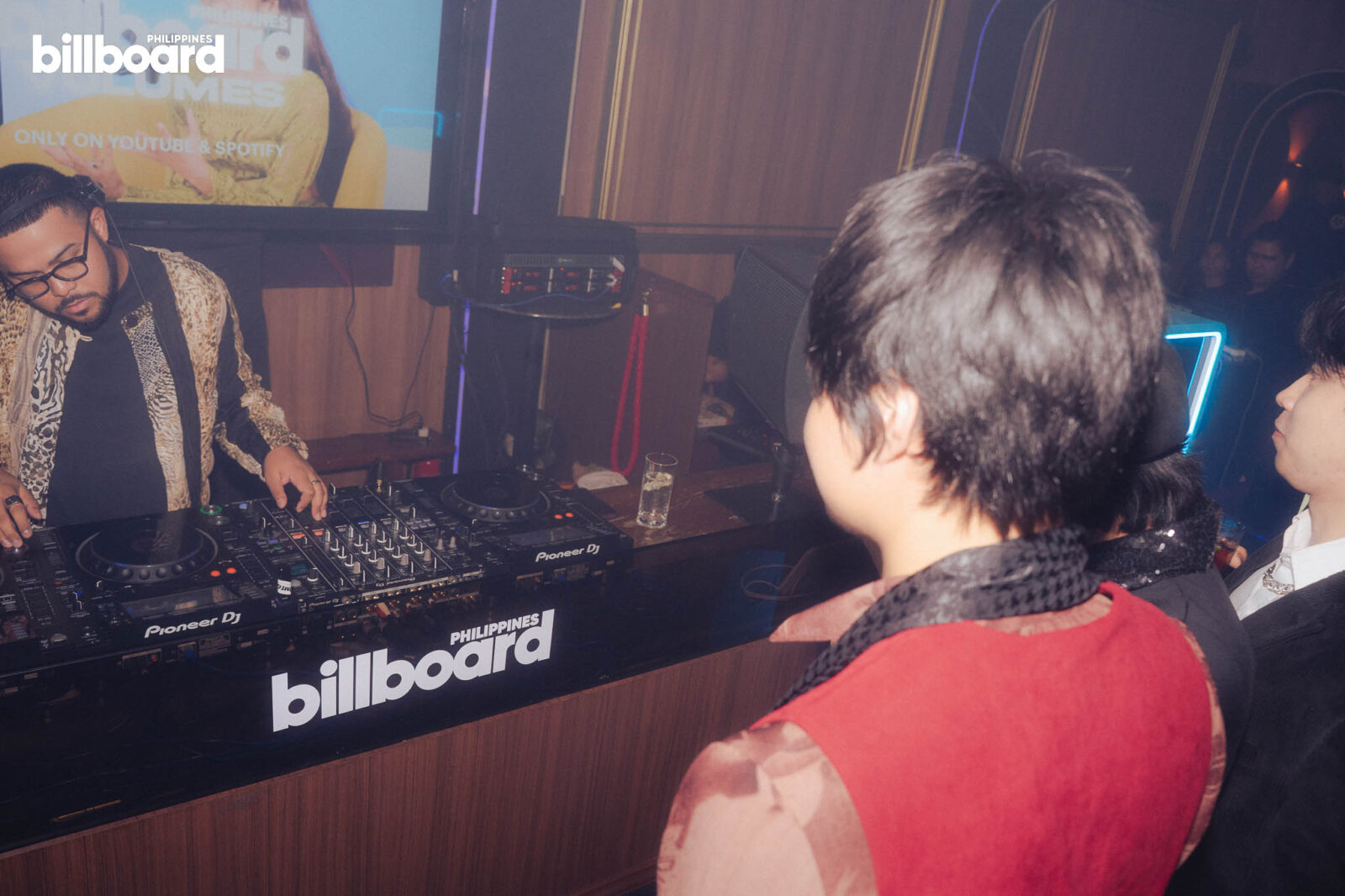
Photographed by Easel Manes
Do you think the role and expectations of DJs in the Philippines have shifted over the past few years? And how is it different now compared to when you first started?
Oh, it definitely shifted. Man, I think it’s a global phenomenon now, how DJing has been viewed. I grew up watching very technically skilled DJs. A lot of them, I respect also on the musicality level because they love music. You see it in their sets. It doesn’t all have to be bangers all the time. They know the ebbs and flows of how to draw in a crowd and get that wow factor without having to be all flashy — but they do know how to do some flashy stuff.
Growing up seeing all of these guys from back then, and then the shift towards now, where there’s so much access to content for 15 seconds to 30 seconds of fame. It’s so easy to get drawn in and be impressed. But it’s a whole other level to sustain that impressiveness live and direct when you’re in front of them. I feel like the view of these two DJing eras is so different, because now, you can see it on a video. Back then, it was literally like you had to be there. You had to be right in the thick of it. If you want to feel the awe of the whole set, you want to be in front and watching. I do miss that.
And that’s why it’s so hard to be impressed nowadays, because it’s so accessible. We’re bombarded with all of these routines and everything. There are always these memes on the internet that I like. What if we do a reverse Boiler Room? We just put one scared party goer in the middle and a billion DJs around them. It’s symptomatic of this trend of glorifying the DJ as the star of the show that you go to a club to watch the DJ. I feel like, in some cases, that is great for very specific events that have performance DJs that you’re highlighting, sure. But I feel like the essence of actually going out is being lost on that.
The essence of actually being on the dance floor with your friends or whoever you just met with and enjoyed the track with, is getting lost because we’re all expecting to just watch a DJ. But it’s not about that. It’s about the connections that you make on the floor with your friends and with the music. People don’t dance anymore. That’s what makes me sad. As a DJ, you feed off of a crowd, and that’s what gives you that power to bring it to another level is when you see people throwing the energy, and it’s just a loop of energy going back and forth. To me, those are the golden experiences of DJs. It’s not about the people behind the booth reacting to your music. It’s not about the person on video behind you reacting. It’s about the people in front of you who are moving and dancing.
So there is definitely a shift. A shift that I may not personally like, but I do hope that it stabilizes at some point and goes back to the people. That’s what clubs, raves, and parties were made for. It’s not about watching one person; it’s about everyone in the room. It’s a room of warm bodies. It’s a room of energy. It’s a room full of emotion of what the music is bringing you to. I want to go back to that amazement of being in a room, being amazed by a person in front of you, but also moving, just moving to the music.
I feel like once we get back to that kind of energy, then all is going to be perfect again – maybe not perfect, but it’s going to be fun. I think we’re in that infancy of the internet age that we’re just seeking out reactions and all of these 15-30 second moments. At the end of it all, it’s a whole night. If you want to be at the place, you want to enjoy the energy of that place.
I’ve really noticed that shift within maybe even just the past year, where there’s a camera at every club. Sometimes it’ll be the whole reason why I would leave, because I don’t want to be recorded while I’m dancing, and that’s why people don’t dance, because they don’t want to be recorded dancing.
100%. That’s when I started being like, “Let’s record this set and lalalala,” Why? For what reason? Why are we recording this set? There’s a time and place for it. If it’s a special event or whatnot, sure. But if that becomes the point, it kind of feels manufactured now. It feels like even the reactions are manufactured. Even the people behind the booth are manufactured, and it feels so sad to see very disingenuous reactions and movements around it.
I feel like that’s where people are getting lost. People are seeking that kind of screen time. But the thing is, for people like you and me, I don’t want to be in a TikTok edit zooming into my face while I’m dancing and having the time of my life. I don’t want to get policed for having fun. That’s why I feel like there are some places and clubs that still have that magic all over the world; it’s because they don’t do that. If you really think about it, that’s the reason why a lot of these Berlin clubs are still as fun as they are.
That whole idea of being lost in the music, not having a care in the worl,d can’t be done when literally someone is pointing a camera at you, and you feel this Big Brother feeling of, “I’m supposed to be having fun, but why do I feel like I’m being judged? Why can’t I let loose?” I don’t have to be drunk or anything, but I don’t want to have people judging me over my goofy dance moves.
I feel like this obsessiveness with mainstream culture of being seen and becoming the main character may it be the DJ or if it’s the person behind the DJ or that friend who just reacts to every track, or the person who just wants to be literally in front of the booth but not dancing it’s like for me that kind of feels that feels like a sad part and symptom of where social media’s brought nightlife to. That’s why I think, at the end of it all, people can’t dance if people aren’t given a space to dance.
Even a lot of these underground parties and raves that we have now, I respect them so much for having a no-camera policy. They have a no-camera policy because you’re there to be immersed, you’re there to be a part of this event, and share their room with everyone, rather than being the subject of something. In a way, that to me is still magical. There’s always going to be a time and place for everything, with cameras, videos, and photos. Sometimes you just don’t need it; you just have to be there.
There’s still a lot of respect for DJs who still read the crowd, and I feel like that is one of the most lost skill sets for DJs, because now DJs are fixated on looking at their equipment that they don’t see that there are people in front of them. They’re focused on the routine of pushing buttons A, B, and C, and they’re not seeing that maybe the other people aren’t enjoying. Sometimes, you just want to tell the DJ, “Hey, look up look at the crowd! Do you see the room as we see it?”
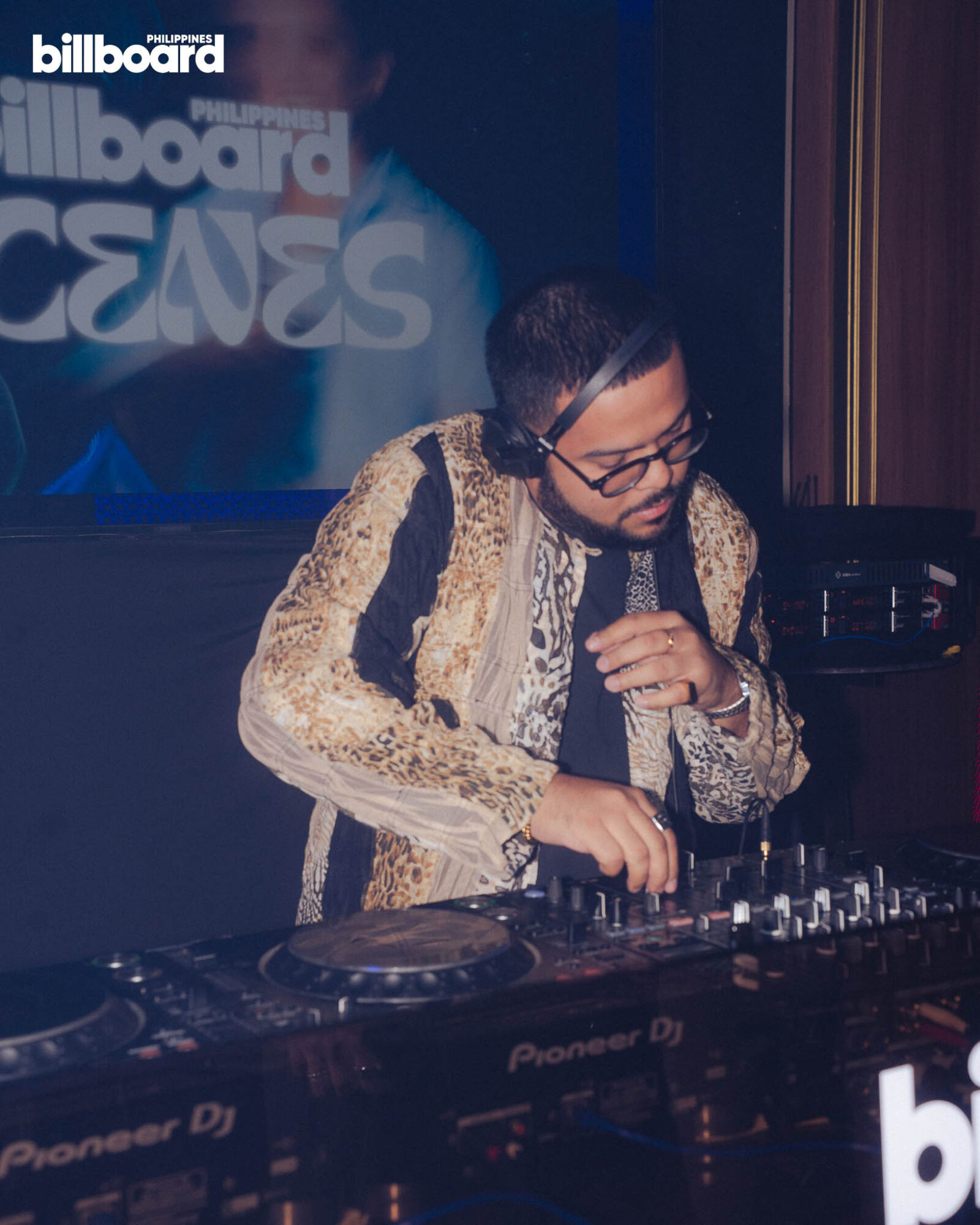
Photographed by Easel Manes
*This interview has been edited and shortened for clarity.