
‘Wicked: For Good’ Is A Spellbinding Sequel That Surpasses The Original Musical – Review
Come for the music and stay for the (many) tears in this wondrous adaptation that improves upon the musical’s shortcomings.




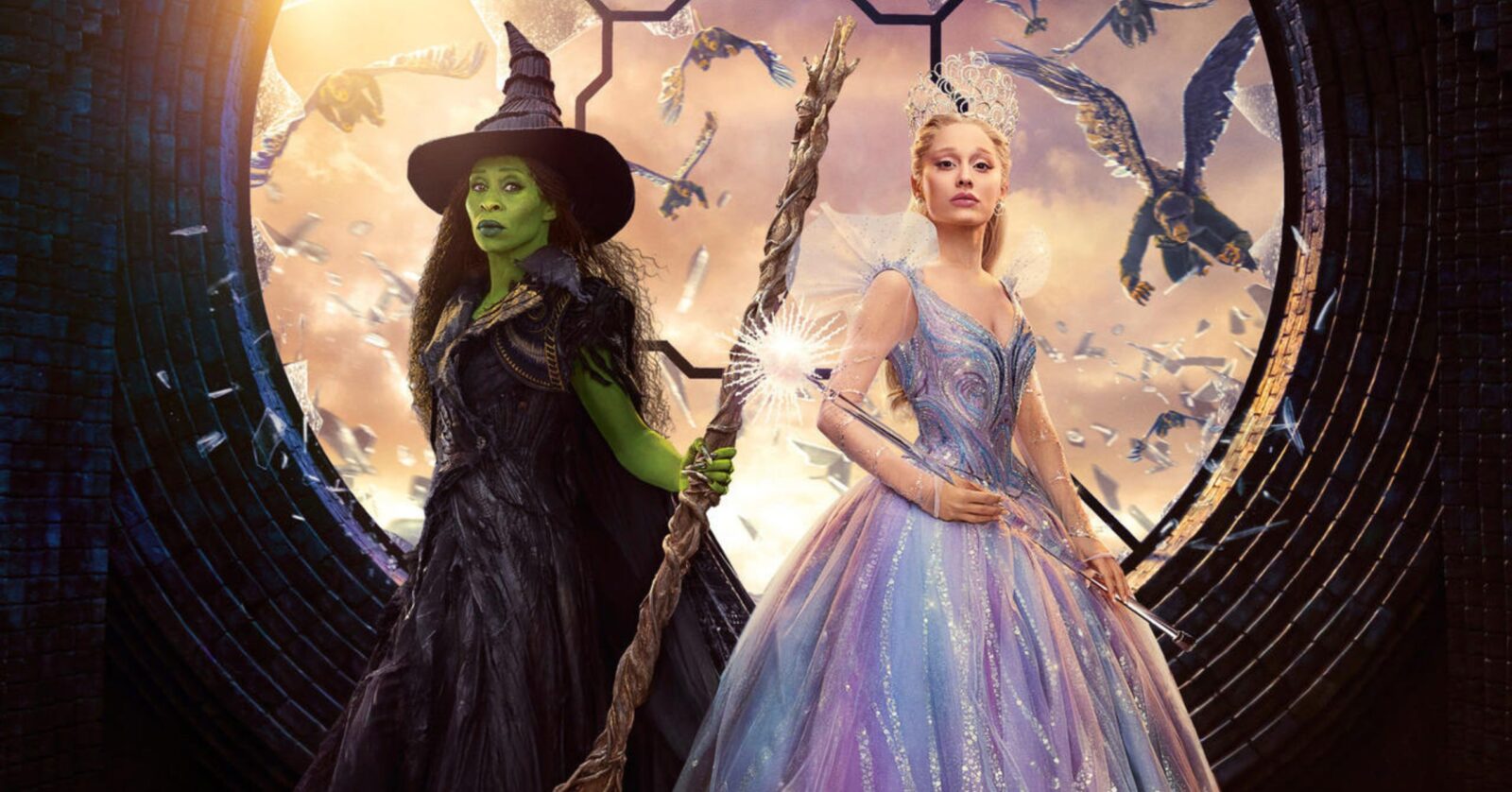
Courtesy of Universal Pictures.
Courtesy of Universal Pictures.
Why must Wicked be split into two films?
This is a question that was posed by several viewers well after the final act of last year’s Wicked, which saw the nearly three-hour musical film ending on a cathartic and empowering note with Cynthia Erivo’s astounding rendition of “Defying Gravity.”
It’s even become a misconception of sorts that the tale of Elphaba, the Wicked Witch of the East, and Glinda the Good ends there, because to those unfamiliar (or just not a fan of) with the original stage adaptation of the beloved story, the second act never really lives up to the same highs as its first act, as with several musicals.
While there is undoubtedly a whole lot to love about the source material, it’s no surprise that many have often overlooked and even criticized the manner in which the stage rendition of Wicked resolves its expansive narrative. Yet fortunately for Jon M. Chu’s take on that part of the story with Wicked: For Good, it undeniably surpasses it by a mile.
You see, Wicked: For Good is one of those rare musical adaptations that not only fixes the errors of its predecessor (with credit to this sequel’s much more vibrant hues and color-grading), but it improves upon the musical’s many shortcomings. The storytelling feels richer, focused, and direct with its not-so-subtle political messaging, while its somber (if more serious) tone gives the talented ensemble of performers more room and emotions to work with, further adding depth to their portrayal of these beloved characters.
Courtesy of Universal Pictures.
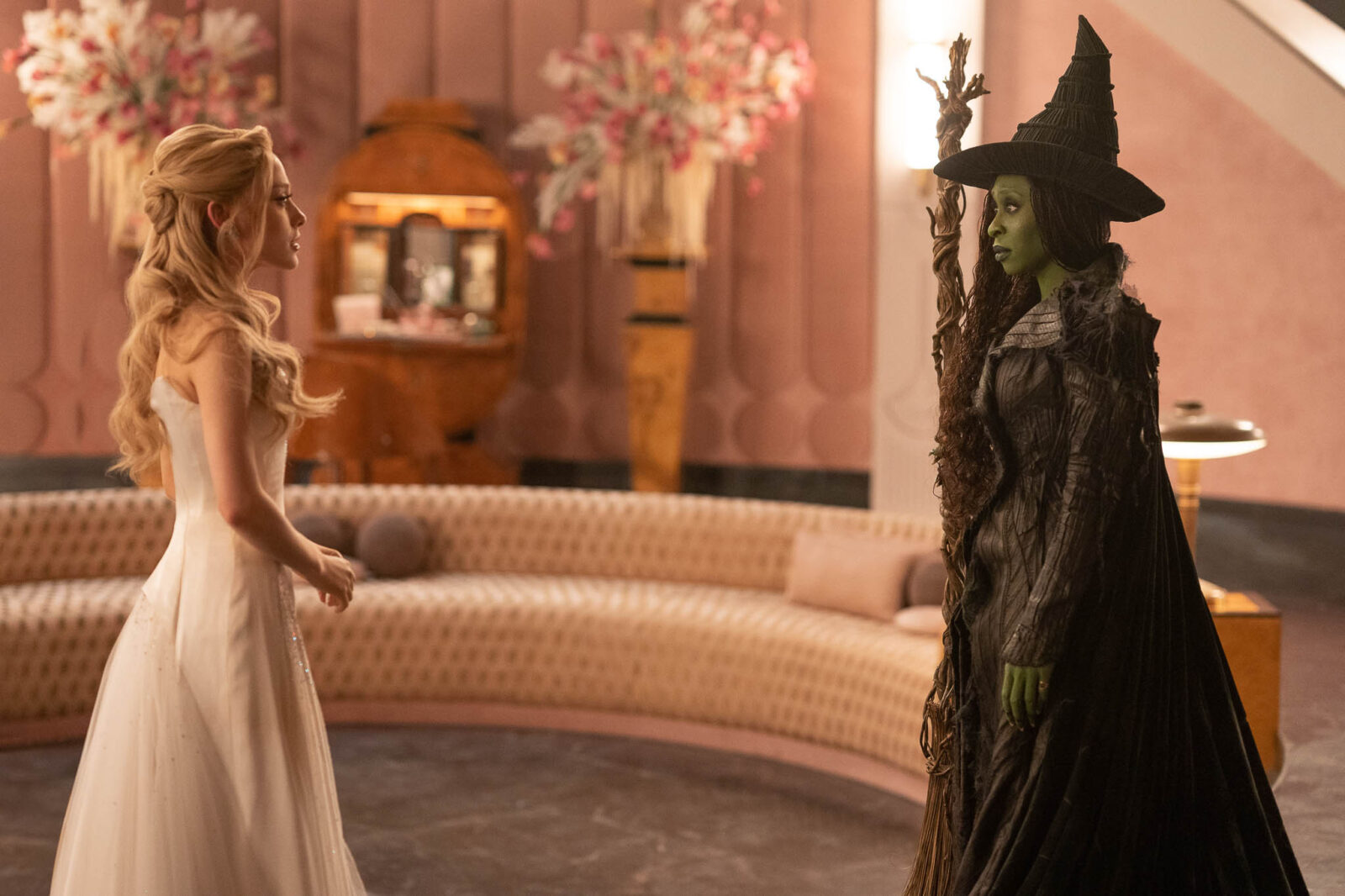
In the original musical, it felt as if audiences were asked to follow along its story and that of The Wizard of Oz just to reach its climactic resolution. However, For Good incorporates intentionality and seeds of character development to expand upon the lore of all the characters we’ve met before, most especially with its focus on Ariana Grande’s performance as Glinda.
By following (most of) Glinda’s perspective of the story, we witness how the rise of the Wizard’s oppressive regime mirrors the current sociopolitical climate of the world — yet the heaviness of such themes doesn’t overshadow the more magical and fantastical elements of the film. Chu’s direction for this installment nails an impressive balance that doesn’t let its comedic, musical, or dramatic tones veer (too) far off from what this film wants to say.
Like the first film, Erivo’s leading performance is very much still the beating heart of the storyline — with her breathtaking performance of “No Good Deed” encapsulating her struggles within the story. Weaving vulnerability with angst and frustration, it’s an impressive continuation of her arc from the first installment, though now inclusive of her steely determination to do what’s right.
Yet in a surprising moment of openness, Erivo brings one of the film’s original songs, “No Place Like Home,” to life with a tenderness that feels like a rallying cry of awareness — one that aims to bring light to the harsh realities of what’s going on in several situations across the world. Still, that doesn’t mean the lighter nature of Erivo’s work or portrayal of Elphaba is lost, as numbers like “As Long As You’re Mine” gives us an ever so slightly comedic and flirtatious look at the character, which in itself is a stark contrast to what we’d expect from her in this film.
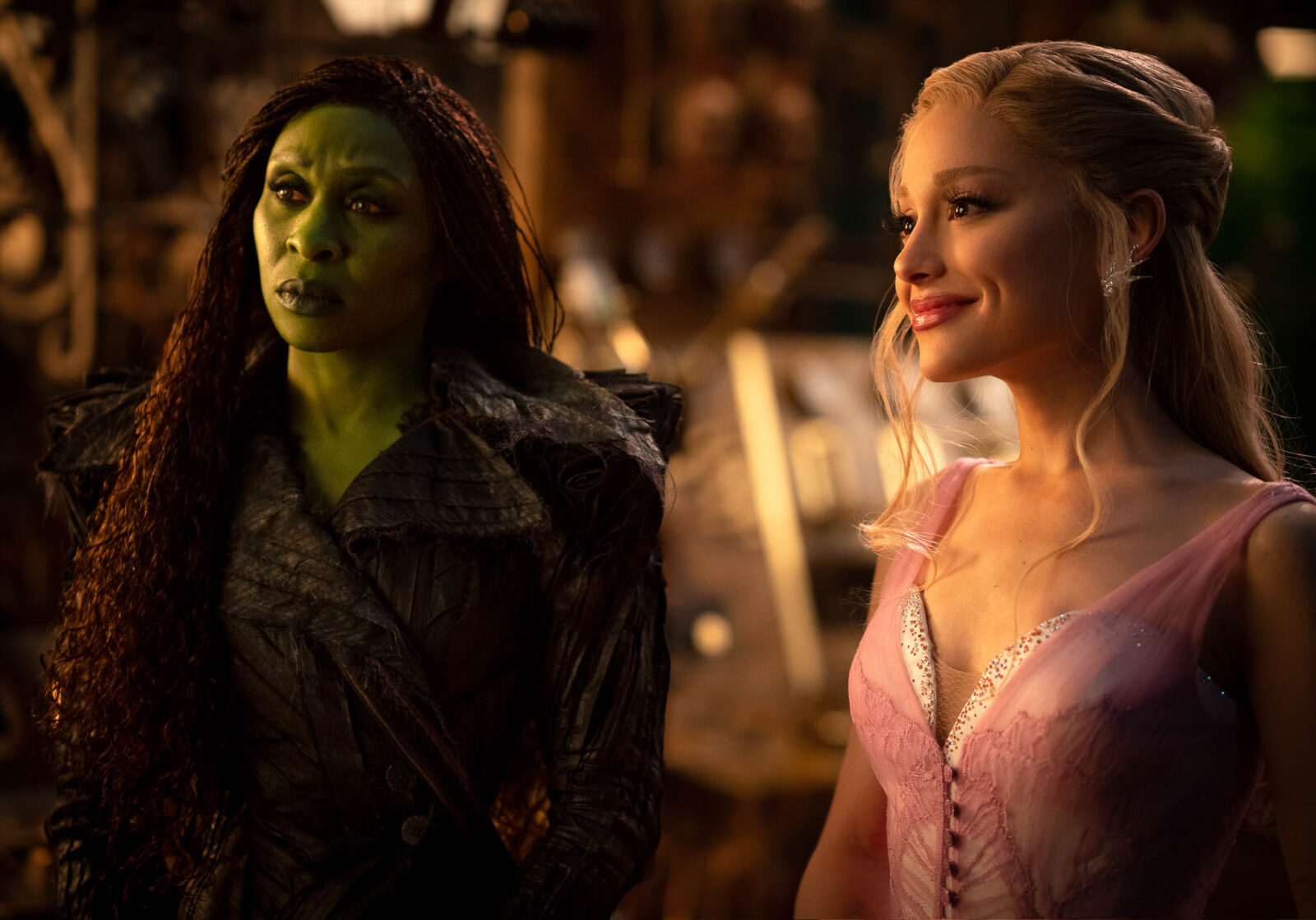
But what For Good does differently this time around is by delving deeper into Grande’s Glinda, unpacking her conflicting emotions, backstory, and evolution as someone who transforms her from the bubbly, if ditzy, queen bee that the entirety of Oz has come to love, into a fierce and empowered leader who sacrifices her life of privilege to do what’s right.
Courtesy of Universal Pictures.
Here, Grande’s acting chops have never been better than ever, but her defining moment in the film comes from her performance of the original track, “The Girl in the Bubble,” which serves as the very thesis statement of her character’s arc over the course of this sequel. In numbers like this, there’s a delicate balance between conveying the heartbreaking aspects of the song versus the subtle, yet resolute, display of autonomy –– a feat that is executed with poise, perfection, and finesse by the pop superstar.
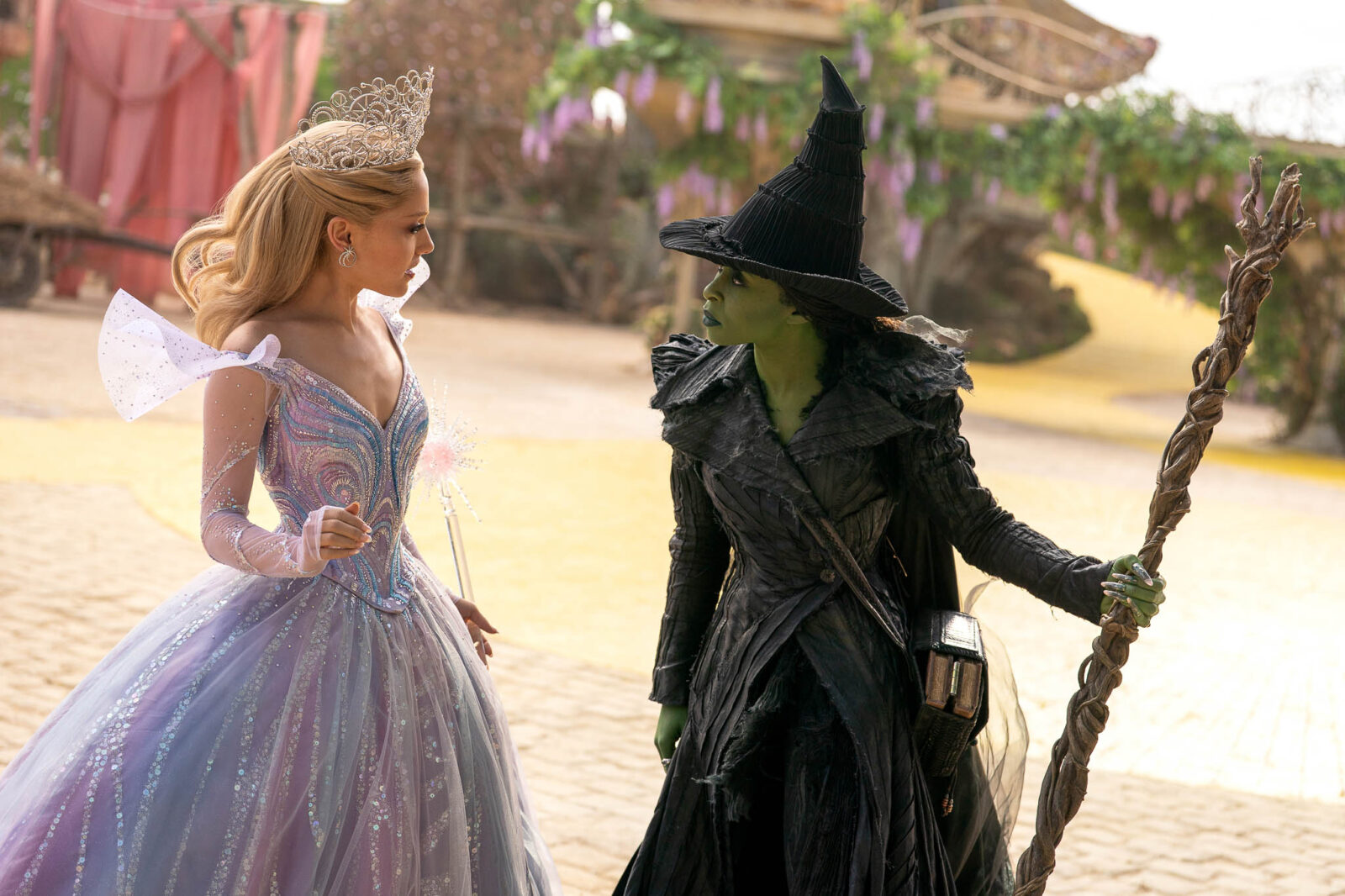
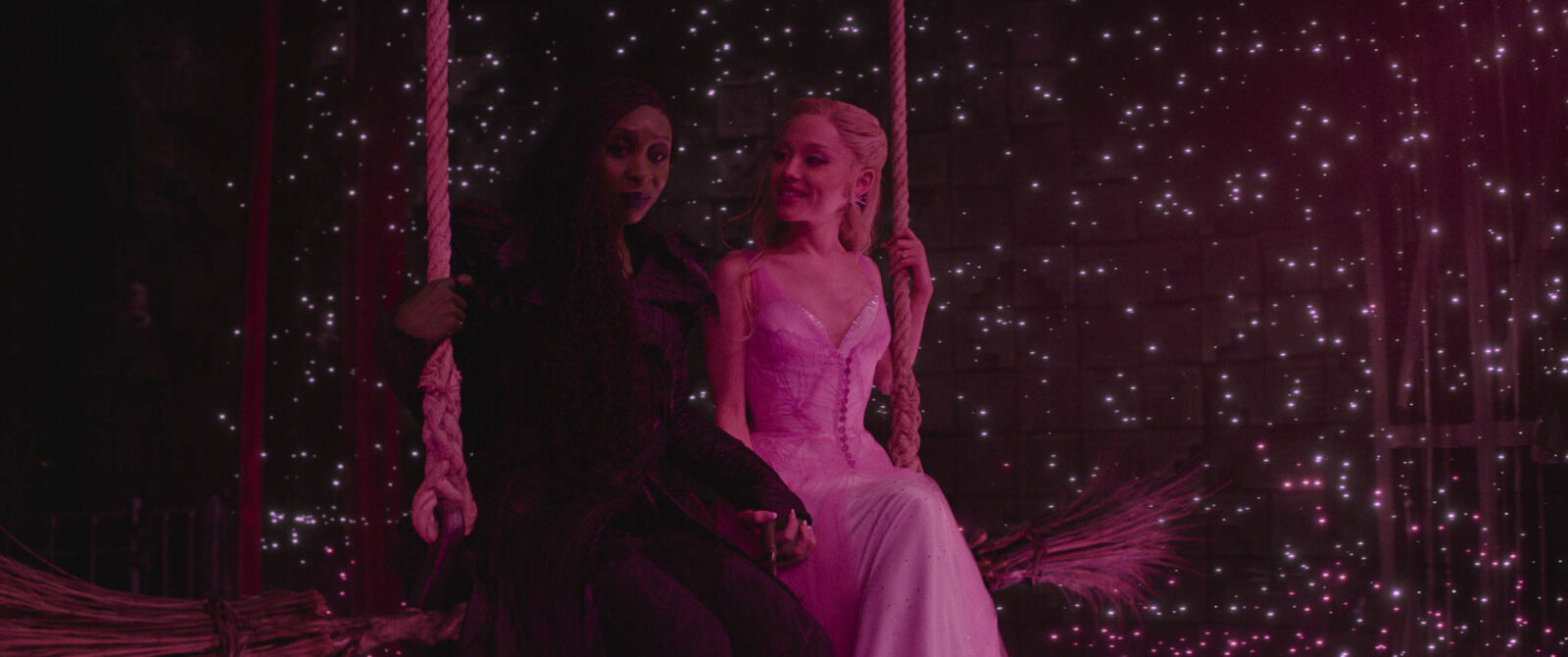
Yet just like the first film, Erivo and Grande’s scenes together are a magical pairing whose chemistry is unmatched. Their completely opposite — yet deeply complementary — interpretations of Elphaba and Glinda enrich every shared moment: Erivo’s grounded intensity and emotional rawness play beautifully against Grande’s buoyant charm and quietly growing resolve. Seeing this contrast unfold not only reinforces the inherent duality at the heart of their characters but also highlights how their differences strengthen their bond rather than divide it.
Wondrous sequences like “Wonderful” showcase the shared joys of their dynamic, while emotional moments — especially the film’s climactic and deeply affecting “For Good” — prove how the power of their performances transcends the screen. Together, they elevate the relationship into something profoundly moving –– allowing the depth of their connection to leap directly into the hearts of viewers worldwide.
Courtesy of Universal Pictures.
On the technical front, Chu’s helm behind the camera showcases more ambition and growth in comparison to what we saw from the film’s predecessor. While he’s already proven himself to be a master in translating larger-than-life musical numbers with intricate choreography, his work on the sequel demonstrates more innovative filmmaking techniques involving mirrors and other external forces that add a breath of fresh air to the straightforward execution of the first film. For even with bits of Spielberg’s influence sprinkled here and there, Chu makes this installment stand out with his distinct visual signature, further solidifying his status as one of the most promising filmmakers for musicals within the industry.
And so, returning to the question posed at the very beginning — Why must Wicked have been split into two films? — Wicked: For Good offers the most definitive, persuasive answer imaginable. By expanding the emotional and narrative terrain of Act II, the film demonstrates exactly why this story needed room to unfold at its own pace. In giving both its world and its characters the space to evolve, it not only clarifies long-standing gaps in the source material but elevates the entire tale beyond what the stage musical ever had the capacity to achieve.
Crucially, For Good achieves the rare feat of honoring what fans have loved for decades while also welcoming newcomers into a more complete, resonant, and intentional version of the Oz mythos. The added depth, emotional clarity, and narrative purpose make this film as satisfying for longtime devotees as it is revelatory for those experiencing the full story for the first time, which in turn further justifies the adaptation’s two-film structure.
Taken together, Wicked and Wicked: For Good now form a sweeping, fully realized musical epic — one that stands confidently among the greatest screen musical adaptations ever created. With its bold storytelling, towering performances, and visionary direction, this two-part saga is undeniably greater than the original musical itself and rightfully earns a place beside Chicago, All That Jazz, and Singin’ in the Rain as one of the most beloved and enduring entries that this genre of film has to offer.
Courtesy of Universal Pictures.
Watch the full trailer of Wicked: For Good below: