
Greyson Chance Isn’t Afraid To Be Defined By The Past Any Longer
“For the first time – I think – ever in my career, I’m very excited and refreshed to be defined by my past. I’m finally okay with it,” Chance tells Billboard Philippines, looking back on the past fifteen years of his career.




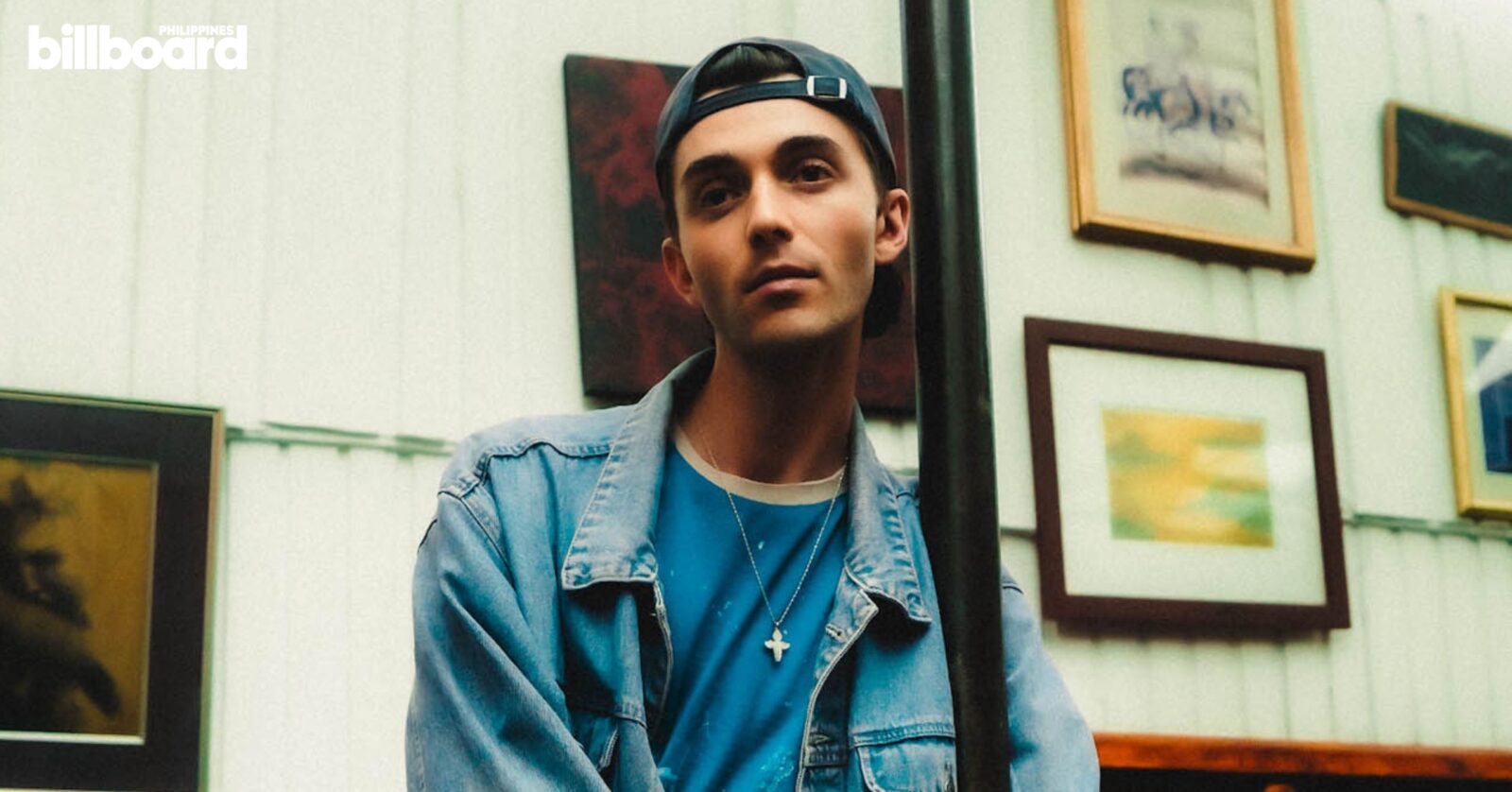
Photographed by Mayks Go.
Photographed by Mayks Go.
Fifteen years ago, Greyson Chance found global superstardom with his viral cover of Lady Gaga’s “Paparazzi.”
As we all know, that singular viral video turned him into an overnight sensation, capturing millions of hearts across the internet, and launching a whirlwind career that would see him signed, touring, and performing on some of the world’s biggest stages — all before he was even a teenager. But as Chance would come to learn soon after, fame that arrives so quickly also comes with it an equally complex weight.
Fast forward to 2025, and the Greyson Chance of today is no longer the same wide-eyed preteen who went viral — yet, in many ways, he’s come full circle. Having navigated the rollercoaster journey of early fame, label contracts, artistic reinvention, and the pressures of a constantly evolving music industry, Chance now stands as a fully independent artist, one with his own sense of agency, perspective, and a hard-won sense of self.
These days, the boy who once went viral for his voice is now using that same voice (both literal and figurative) to tell his truth, exploring vulnerability, resilience, and self-acceptance in his work. Even his recent projects and string of singles showcase not only his musical maturity but also a groundedness that speaks to years of learning, reflection, and reinvention.
His latest chapter arrives after a year marked by both challenge and triumph: having recovered from a serious health scare at the start of the year, releasing two deeply personal new singles, and closing out a world tourWorld TourA series of concerts held across multiple countries and continents, usually to support a new album or career milestone. World tours demonstrate an artist's international reach, and Philippine stops haveGo to World Tour Glossary that brings him, once again, to Manila — a place which he tells me holds a special piece of his heart.
As I sit down with Chance, we find ourselves conversing lightly, making jokes under the sun-drenched patio of Annex House, nestled deep within Makati’s Poblacion area. While he pokes fun at his own fanbase calling him the latest “Unc” on TikTok (the latest Gen Z slang humorously used to describe someone older or out of touch with current trends), he also speaks with a reflective ease as he looks back on his career, his words measured but still full of warmth and sincerity.
In our conversation, he looks back on the past fifteen years with a sense of gratitude and not regret, embracing the mistakes, the milestones, and the lessons that shaped his art. As he discusses his forthcoming album slated for 2026, Chance opens up to Billboard Philippines about finding strength in vulnerability, reclaiming his story, and creating music that tells the truth about what it really means to be an artist — whether it’s all about the triumphs, the turbulence, and everything that stands in between.
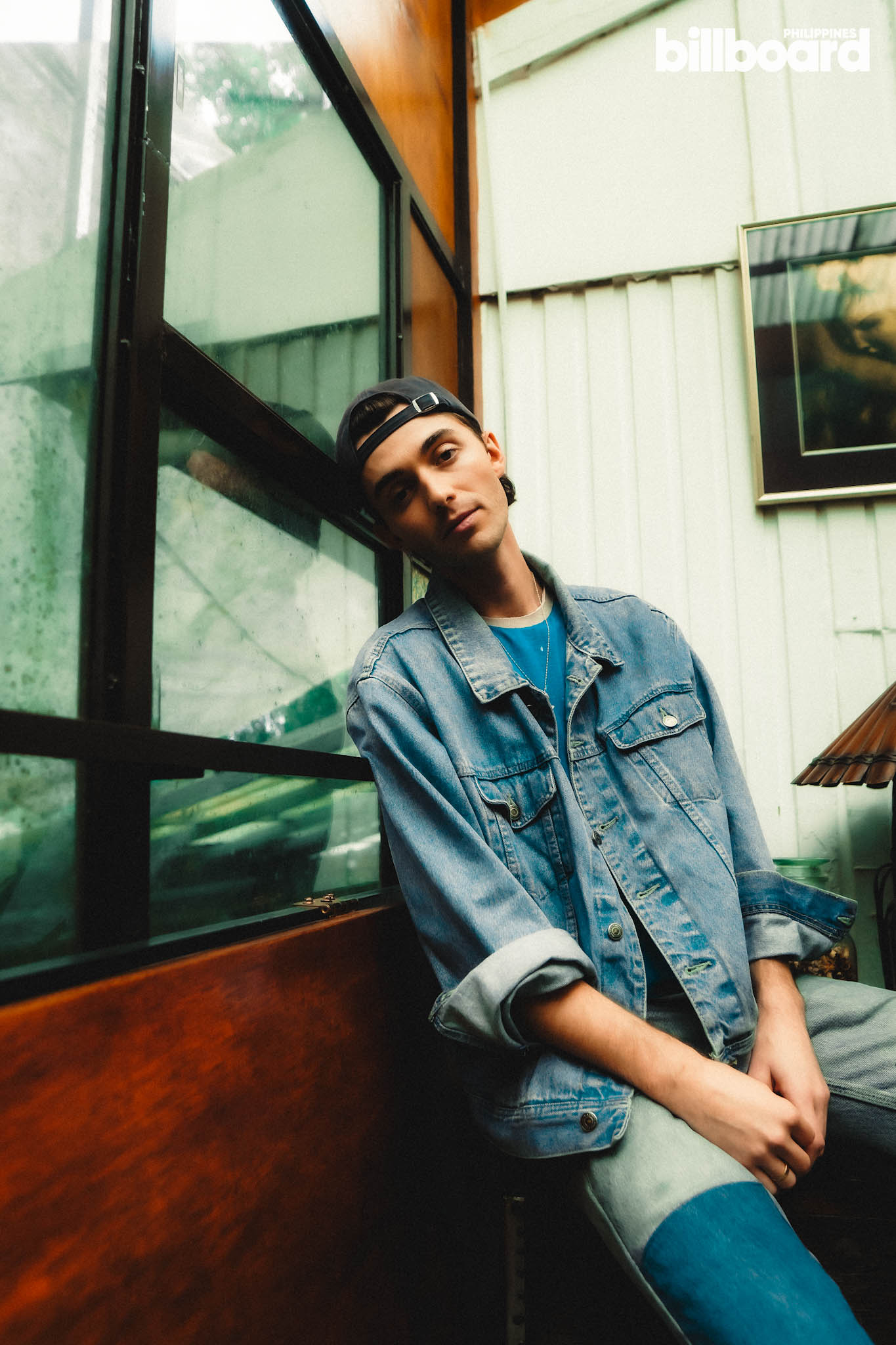
Photographed by Mayks Go
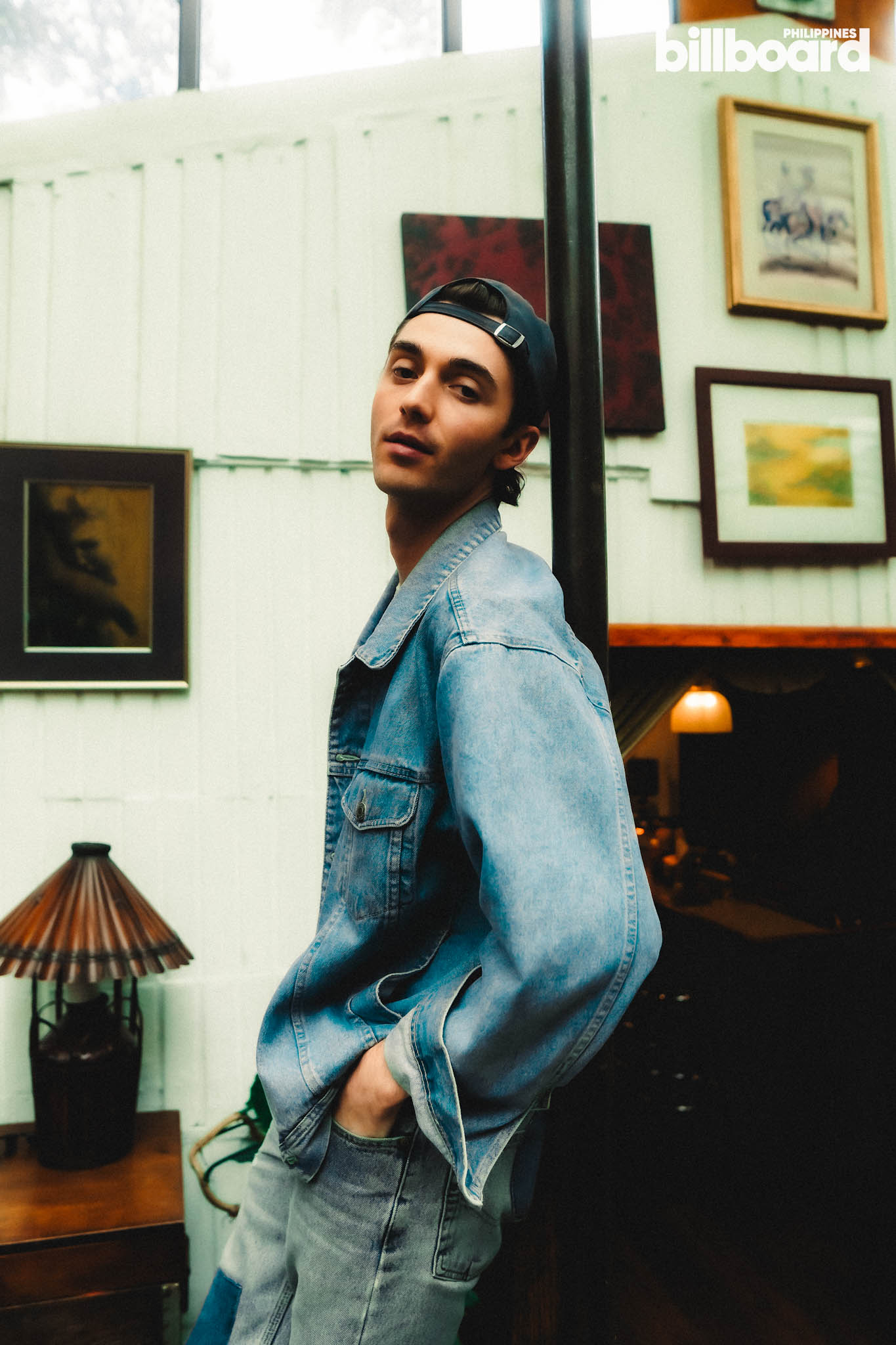
Photographed by Mayks Go
Billboard Philippines: First off, Greyson, what a pleasure to be in your company today. How are you feeling today — especially being back here in the Philippines?
Greyson Chance: I feel very excited today, because it’s a release day [for me]. So I just put out two new songs today, which is rather exciting. And honestly, it’s a bit surreal to be back here. I started the year with a pretty severe health crisis, where I was in the hospital for a few weeks, and I really was unsure of whether or not I was going to be able to tour, even if I was going to be able to still sing.
But to be here now, finishing out this tour in a part of the world that means so much to me — it just feels very special. I think these next two nights in Manila are going to be really emotional as well, and it’s going to be something that I’ll remember for a long time.
We’re so excited to have you here in the Philippines, and it’s such a full circle moment, too — because performing two nights here in Manila is kind of crazy, as people are just so excited to reconnect with you. But as it is, you’ve released a strong run of singles this year, such as “Flip The Record” and “Summertime ‘25,” including these two new ones from today. So what do all of these songs represent about where your creative headspace is at in 2025?
So I’m fully independent now as an artist, and I’ve been signed throughout the years to many different labels, and I have gone through a lot in the industry. But to be at this moment now, where I’m able to put out my music independently, it feels like a triumph, and it feels like an important thing.
This next chapter for me is in this next album I’m working on, which is scheduled to come out in 2026. The music just feels powerful to me, and it also feels very honest. I think this album is a reflection of what it means to be an artist and everything that goes on behind the scenes — from dealing with the constant rejection, whether you’re relevant or not, or even aging as an artist.
To just capture all of that difficulty that kind of happens behind the scenes, I don’t think I had enough confidence to really talk about that and put it in the music up until this moment. So I think it’s going to be a very powerful album. At least it feels like that to me right now (laughs), and so this next chapter is about portraying me as strong and resilient, and that’s how I feel right now.
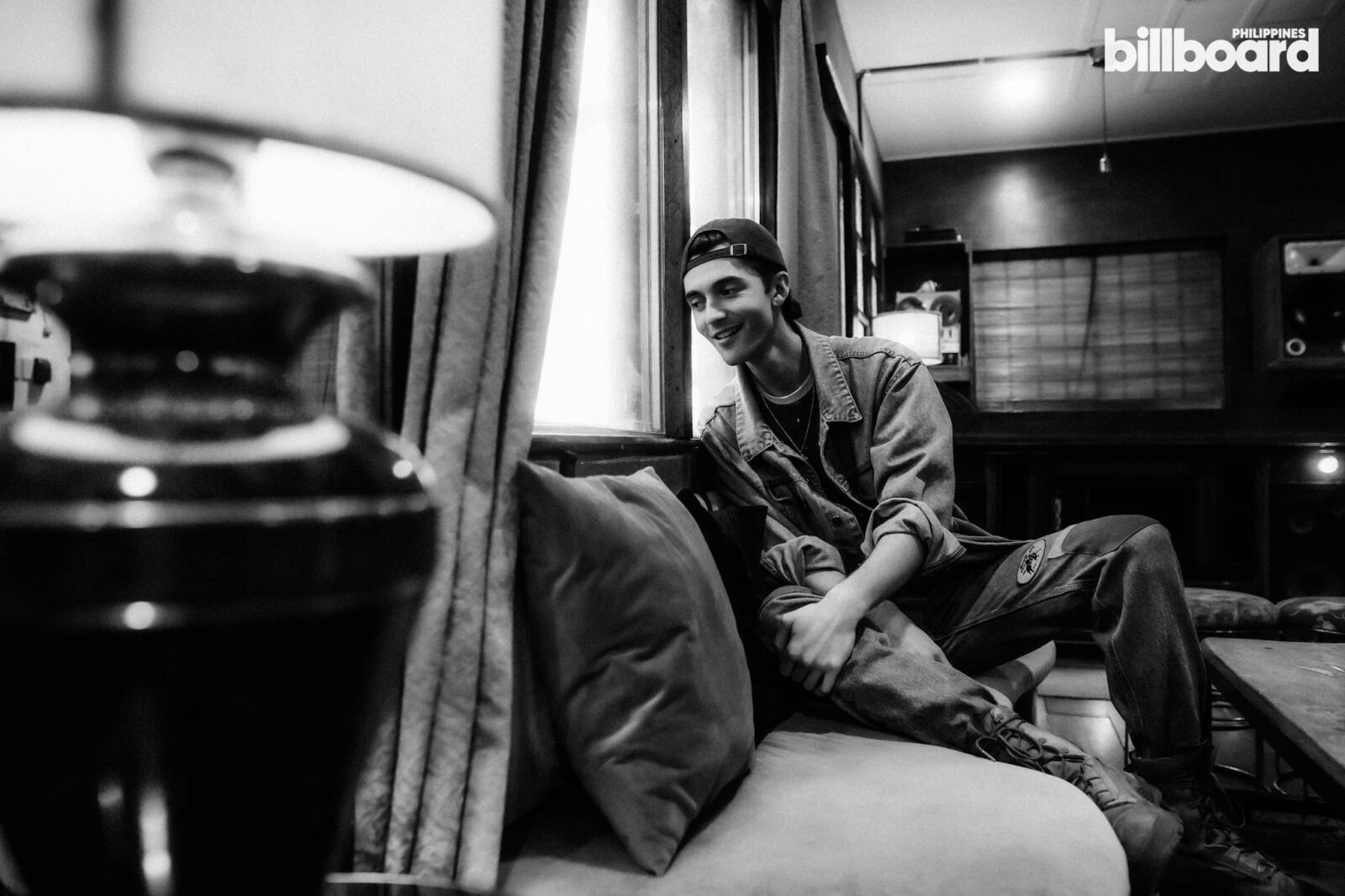
Photographed by Mayks Go
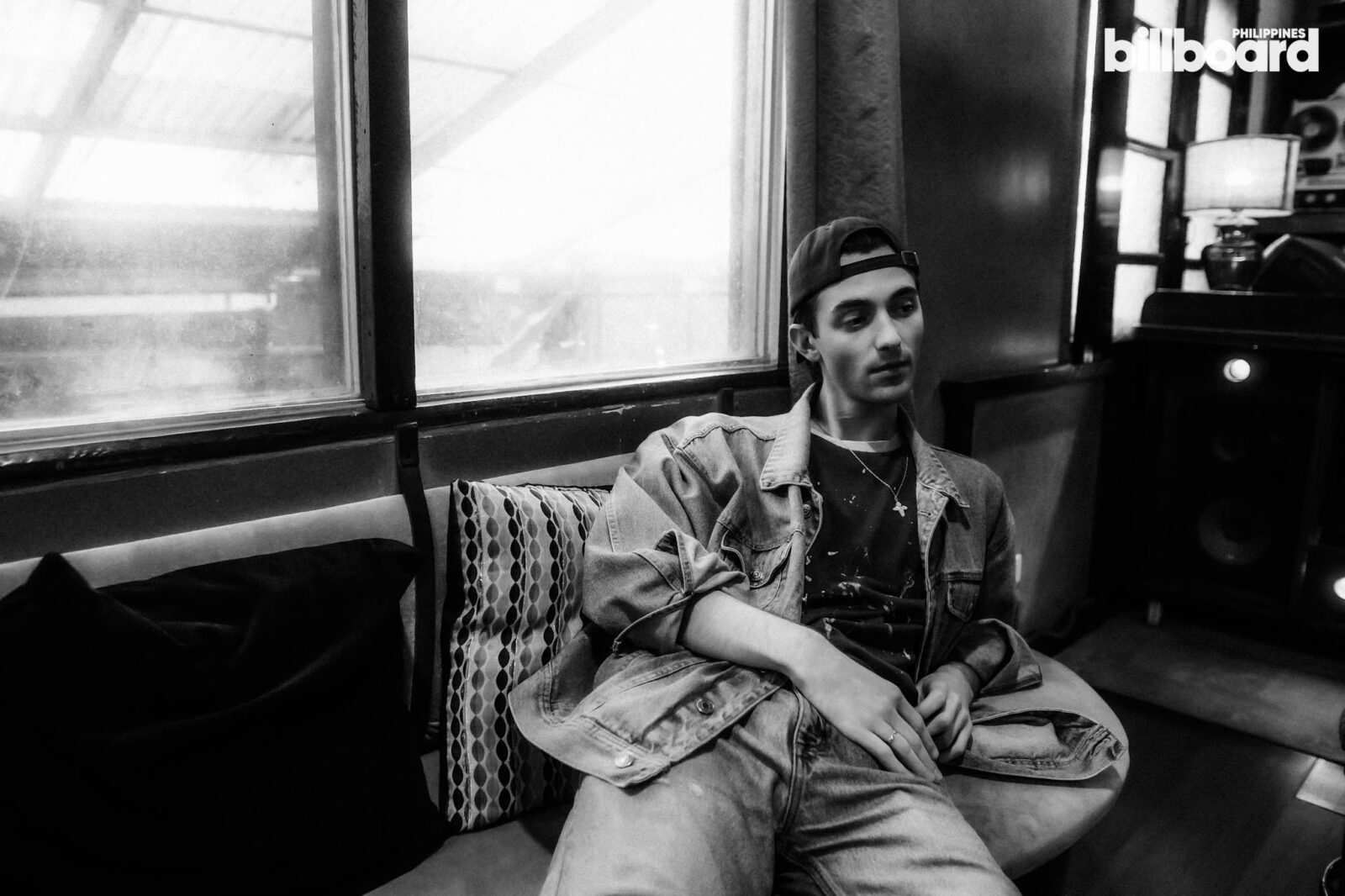
Photographed by Mayks Go
I love how empowering that is for you. Just seeing the glimmer in your eyes as you’re talking about it, there’s already so much passion and drive to it. Even the emotional temperature of these previous two singles really resonates deeply, not just with you as the artist, but even with us listeners. So how did you approach such themes, considering how personal these are to you?
Yeah, I think it happened really naturally, coming out of my hospital stay at the top of the year. I think it was one of the first times in a long time where I just started to look back at the past, and I felt like I could approach a lot of my childhood and a lot of the early years in music that I kind of just put in a drawer in my mind and kind of shoved away. Because I think, to be honest with you, I had a lot of moments wherein I was very mean to that version of myself.
I was constantly looking back and saying, ‘you could have done better, you could have been bigger if you had made this decision, if you had known all these things.’ And I think coming out of the hospital, I realized that I needed to be kinder to myself and that I needed to reopen these memories and decipher through them, just to heal, and I think what ended up coming out was a little bit more of the realization that I did the best that I could as a kid.
But there was also a lot stacked up against me because there’s a lot stacked up against artists. Like, there’s so much pressure on artists. We put so much on them in terms of schedules, in terms of expectations, in terms of all these things, and so what kind of came from like rediscovering these memories and re-approaching them was kind of this need to to talk about that, and to talk about how ‘Wait no, like I have gone through a lot of shitty things and things that shouldn’t have happened to me as a kid, and even as a person. So when I got back into the studio, it just kind of happened, and naturally came out.
There are parts of the album, though, like “Savanna,” for example, it’s not all about like the frustration. “Savanna” is about the moments after the show in the hotel, where it’s so quiet and you feel, even if the show was such a success, you feel low and you feel confused about why you feel that way. And that song says all the words that I want to tell myself at the end of those shows, which is don’t give up, stay present, and stay there. You still have more to give. So the whole album is really just a journey of what it is to be an artist — to be on stage, to be off stage, or even just to be interacting with the music. And yeah, I think it’s a special record.
I love how comforting and healing it is for you to talk about it now, and to recontextualize all these memories of yours. It’s kind of like letters to yourself at those certain periods in time.
Absolutely. It’s like a big journal entry, and a lot of my music has been like that, but it’s just been about different things, I think, like Portraits, for example, my album from 2019. That was all about a relationship, right? So yeah, it was honest and authentic in that way. Palladium was me just being a history nerd, nerding out on a bunch of stuff, and that was vulnerable in its own way. But then this record is just a lot about the last 15 years of my career as an artist.
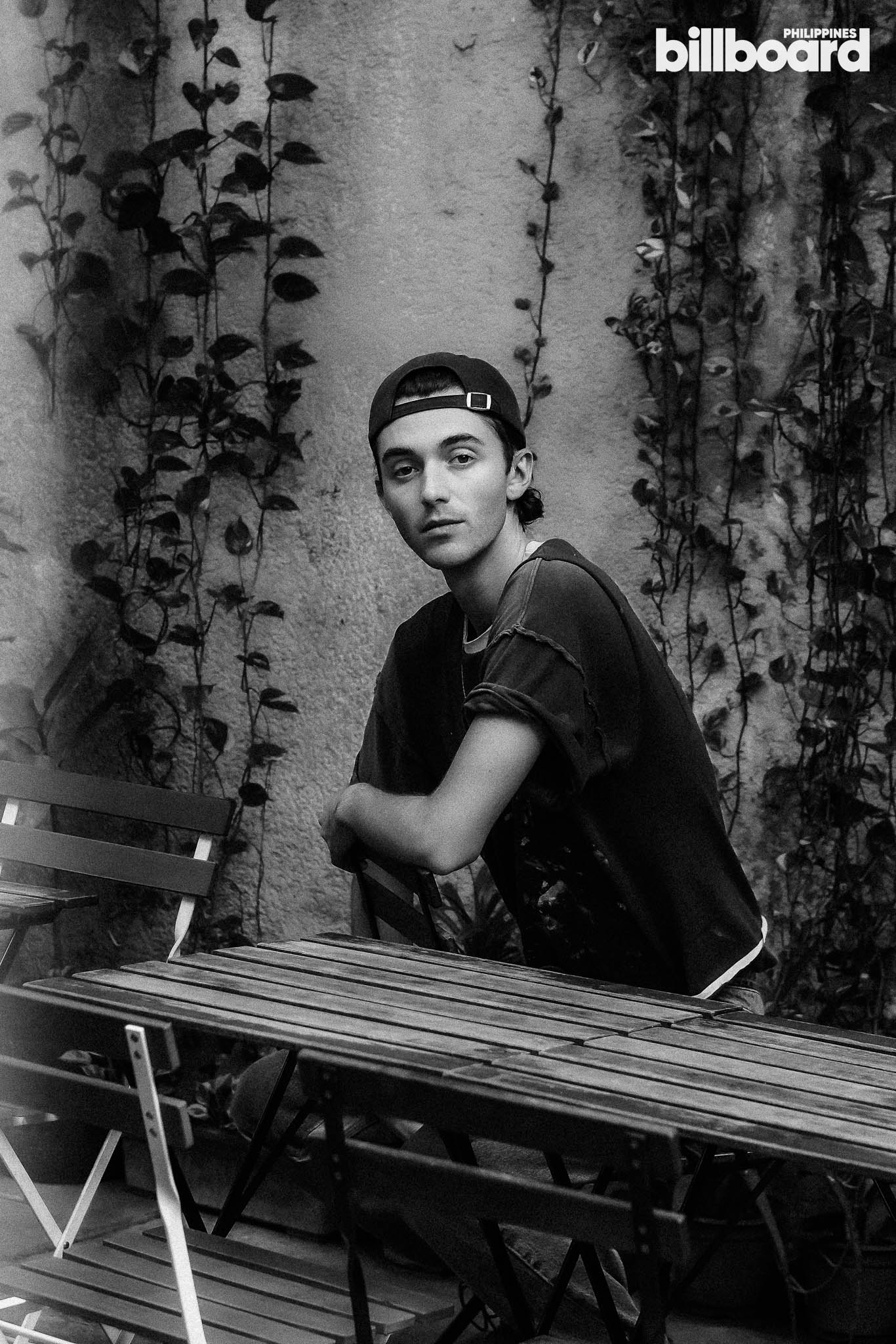
Photographed by Mayks Go
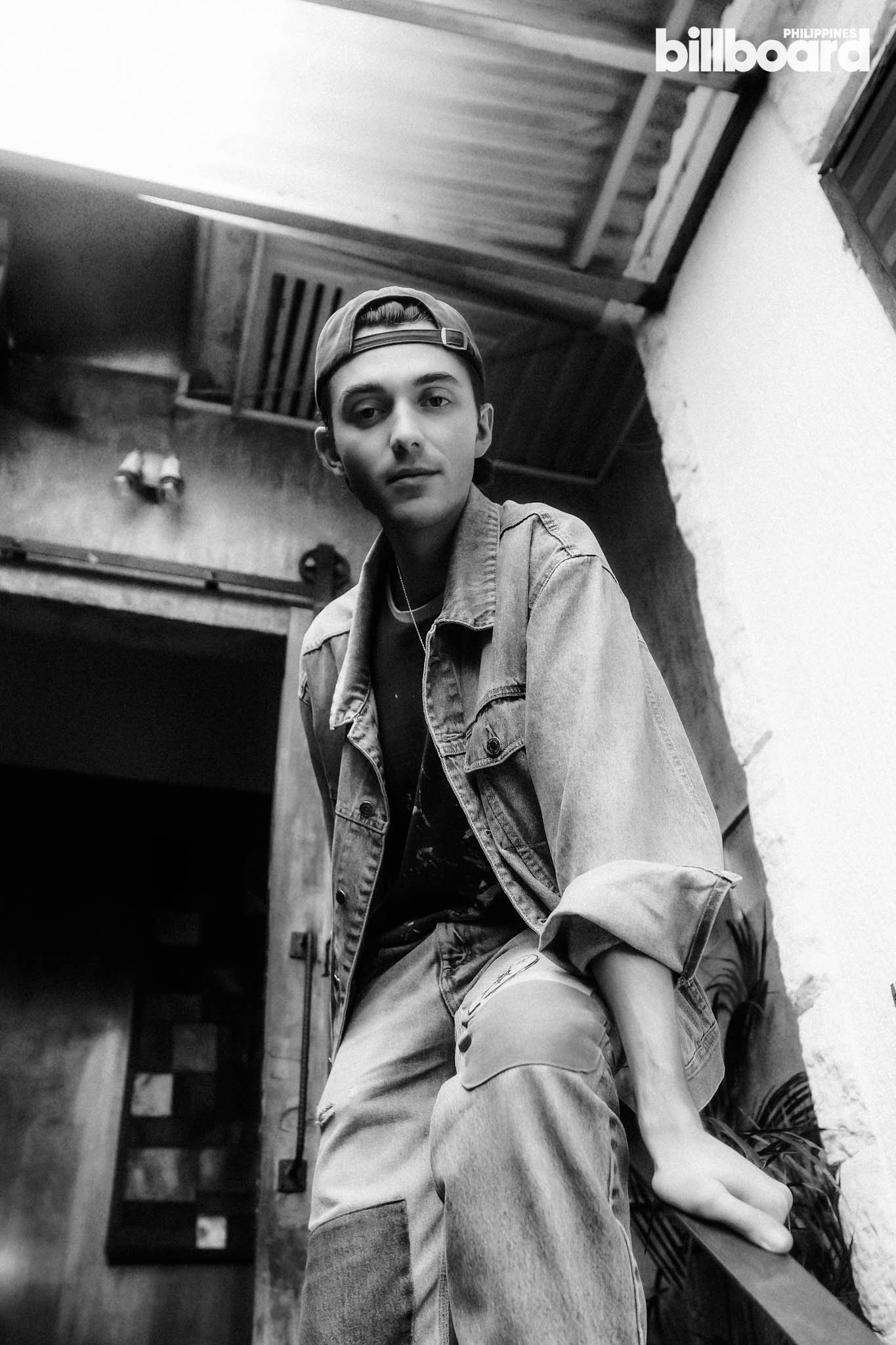
Photographed by Mayks Go
What do you think feels most liberating about looking back at those 15 years, especially now that you’re an independent artist?
I don’t tell myself this enough, but I just think that even looking at tonight and tomorrow night, like we’re going to be selling out both of these shows. Also, the fact that it’s been 15 years since I signed my first record deal, and I’m still able to do that, that is such a huge blessing, because a lot of artists don’t get that opportunity. As many missteps as there were in my career, there were also so many right choices and right decisions, too, for sure. And so I think my reflection point back on all of it is just a lot of gratefulness right now, especially by still being here and still putting my heart and soul into the music. That’s what matters.
Through the years, there must have been so many lessons about navigating the industry that have kind of stuck with you.
Of course.
What were these lessons for you? Have any of them helped in the creation of this new album that you’re releasing?
I think the biggest thing, and this is probably just through a lot of Gaga and a lot of conversations I’ve had with her, but it’s about understanding that your most valuable asset as an artist is perspective. Especially knowing that you are the only one that can can tell your story, and that if you were to have a perspective on something in your own life, that is extremely valuable to you. It’s one of one. So use that in a way that you look at the world in a manner that is completely unique to yourself, and it should inspire your art.
Another lesson that I learned really early on was to really see yourself within your fans, understand your fans, and that you should get to know them. Know what makes them tick, work with them, ask them questions, let them design merch, and just let them do things. Because they’re going to be your biggest supporters, and they should be your friends more than anything. I think a lot of artists right now, and maybe this is just because the internet is so scary, and I understand that, but there seems to be kind of a trend of almost being afraid of your fans or keeping them separate from who you are.
I think I just come from a different time where I did the opposite, I’m like way too involved. Then another lesson, I think, is don’t smoke cigarettes! It’s gonna affect your voice. Just don’t do it. I certainly didn’t follow that advice when I was younger. *laughs*
On the contrary, what were the lessons that you had to unlearn? Especially from such a tumultuous time growing up in the industry, and at such a young age. Of course, there are things that you noted that moving forward, I can’t keep this mindset.
I would say it would be thinking that everything is on you. Like, if something goes bad, you have to understand that sometimes it’s out of your control. I think for so many years, I just blamed myself for everything. Like I felt that the reason why I got dropped was because I wasn’t good enough in the studio, or because I wasn’t good enough on stage. The reason why an album didn’t do super well is that I was too distracted by other things, and it’s my fault that I didn’t cover this or cover that. If the merch got printed the wrong way, it was my fault that I didn’t think about that.
All of that — it’s not true, because life happens. It’s going to deliver punches left and right, since things happen in ways that are out of your control, and I think I really had to unlearn that. If I’m being honest, I’m still unlearning all of it. But I just have to remind myself not to always put all the blame and all the fault on myself.
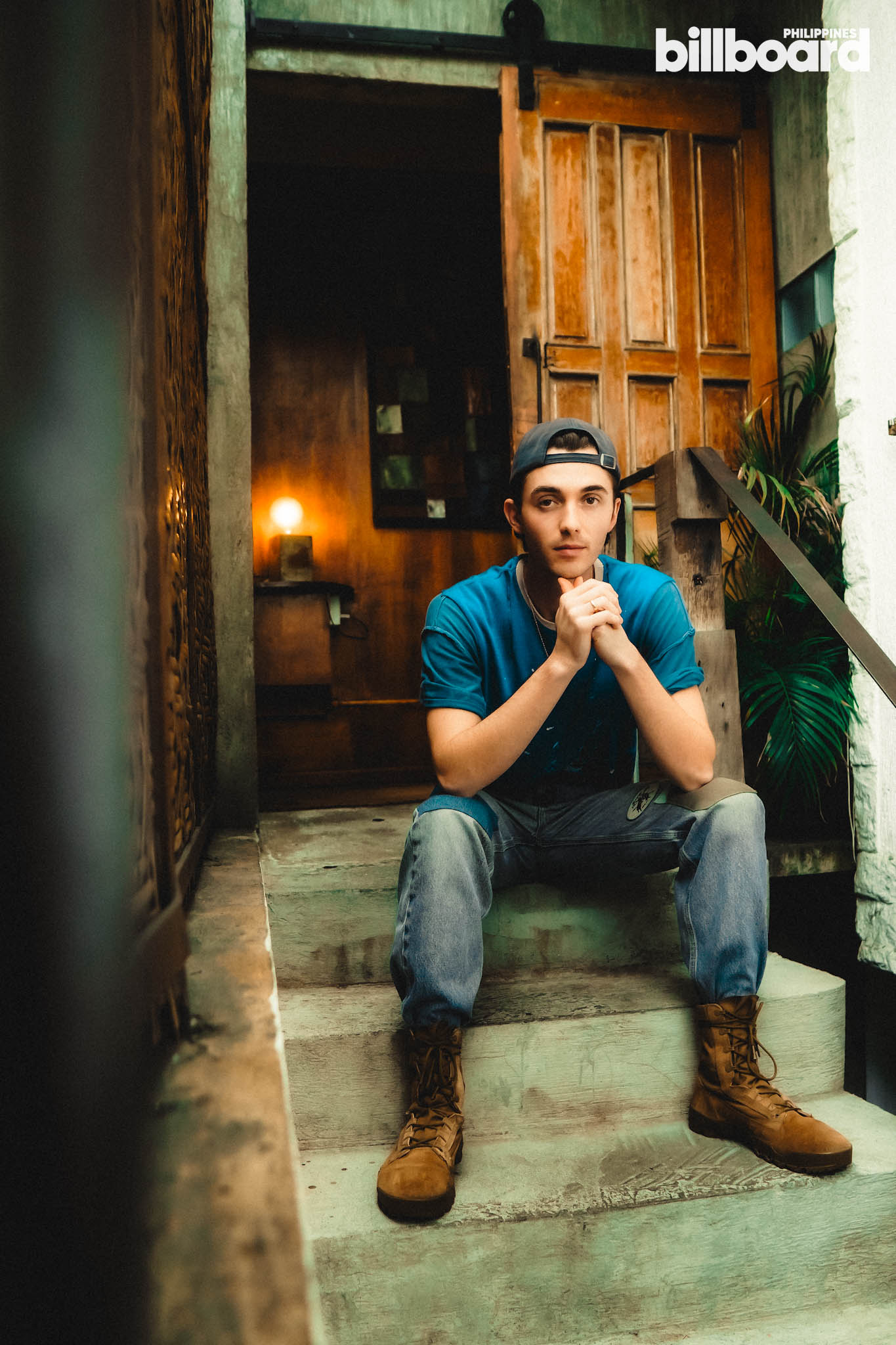
Photographed by Mayks Go
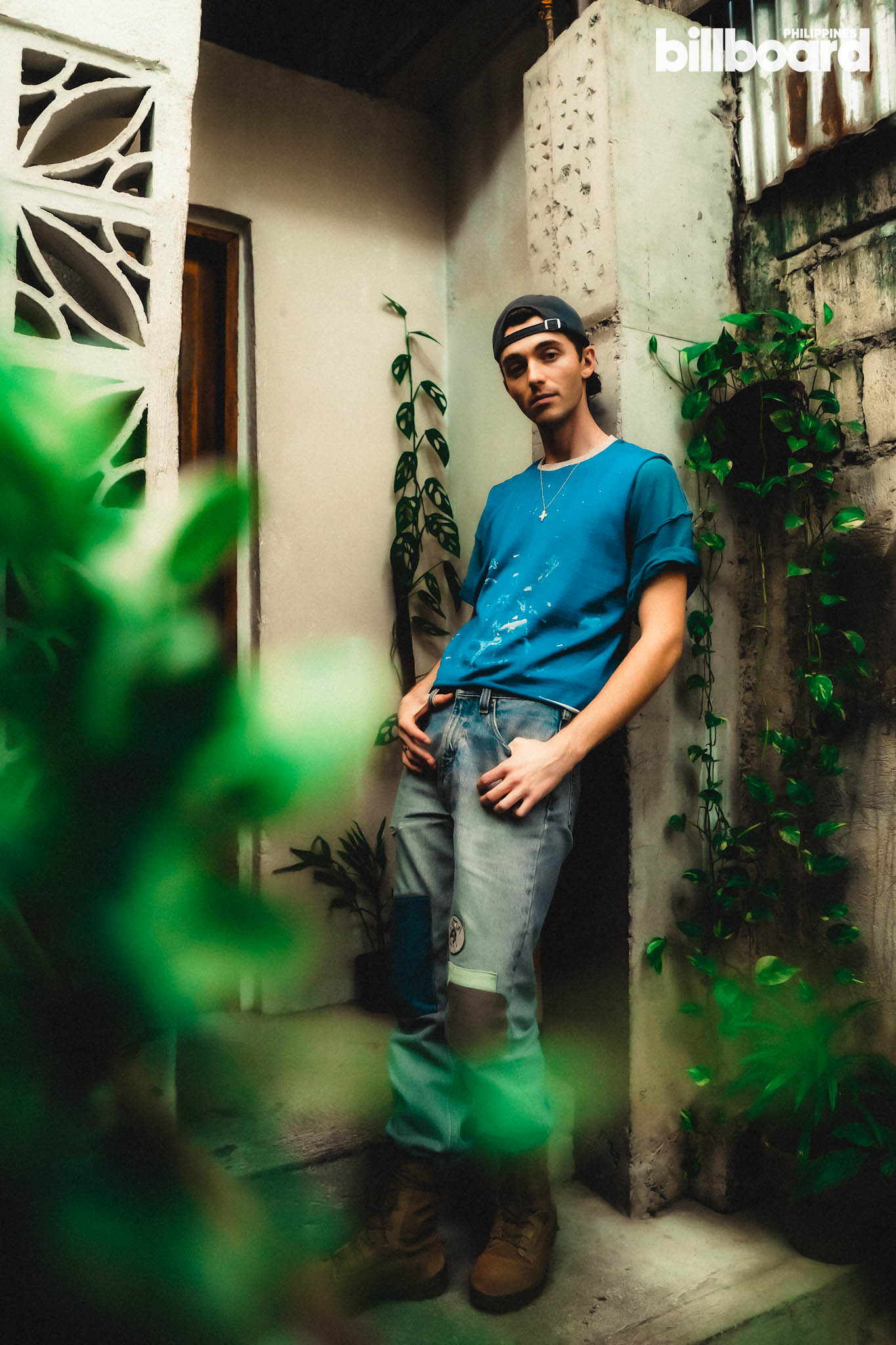
Photographed by Mayks Go
That’s all very insightful. But also, how do you protect that integrity that you have as an artist? Especially in a time wherein platforms like TikTok often reward factors like virality, which in turn affect visibility and all these things, because the industry definitely keeps changing.
I think the music industry right now is so frustrating, because it’s so hard to know what works and what doesn’t. When I started out in music, there were some pretty clear metrics for success, right? Like, if you had a song on the radio, or if you had how many albums you were able to sell, and all these different things. Yet now success can be so many different things within music, which is a good thing — but also it’s really hard. Because I, like every artist on the planet, have to remind myself that just because the TikTok didn’t blow up doesn’t mean that I’m losing value as an artist. I think the fact that creatives have to think about that constantly and that it’s on their mind is hurtful to the art.
But what I remind myself constantly is that, even with how frustrating the industry is right now, the positive side of that is that each artist’s definition of success is case-specific, meaning, like I have artists who I have friends of mine who have like no following on social media, but they can sell crazy amounts of tickets. But I also have friends who stream really well, but like they want their touring to be better. Every artist is going through their own journey, and success can’t be defined so easily. So the way I keep my integrity is I remind myself that my story is really unique.
It’s very crazy, it’s very chaotic, and the best thing that I can do for myself is to just trust my instinct and to keep on going. If I do that, then that’s success.
Yeah, and I think that aligns with what you mentioned a while ago about perspective. Because it’s very unique to you and it’s what really helps kind of drive your career moving forward
Yes, exactly. 100%.
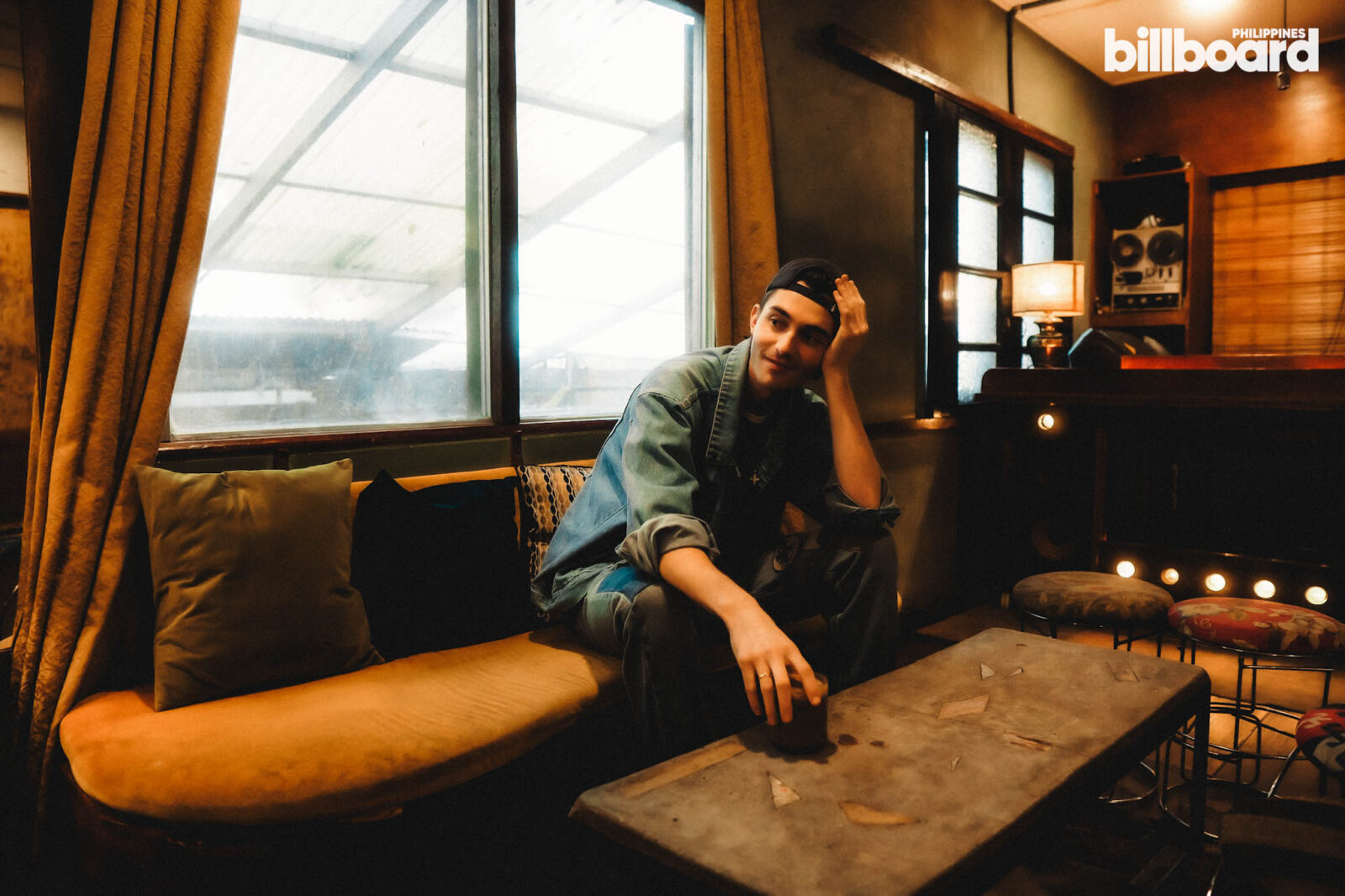
Photographed by Mayks Go
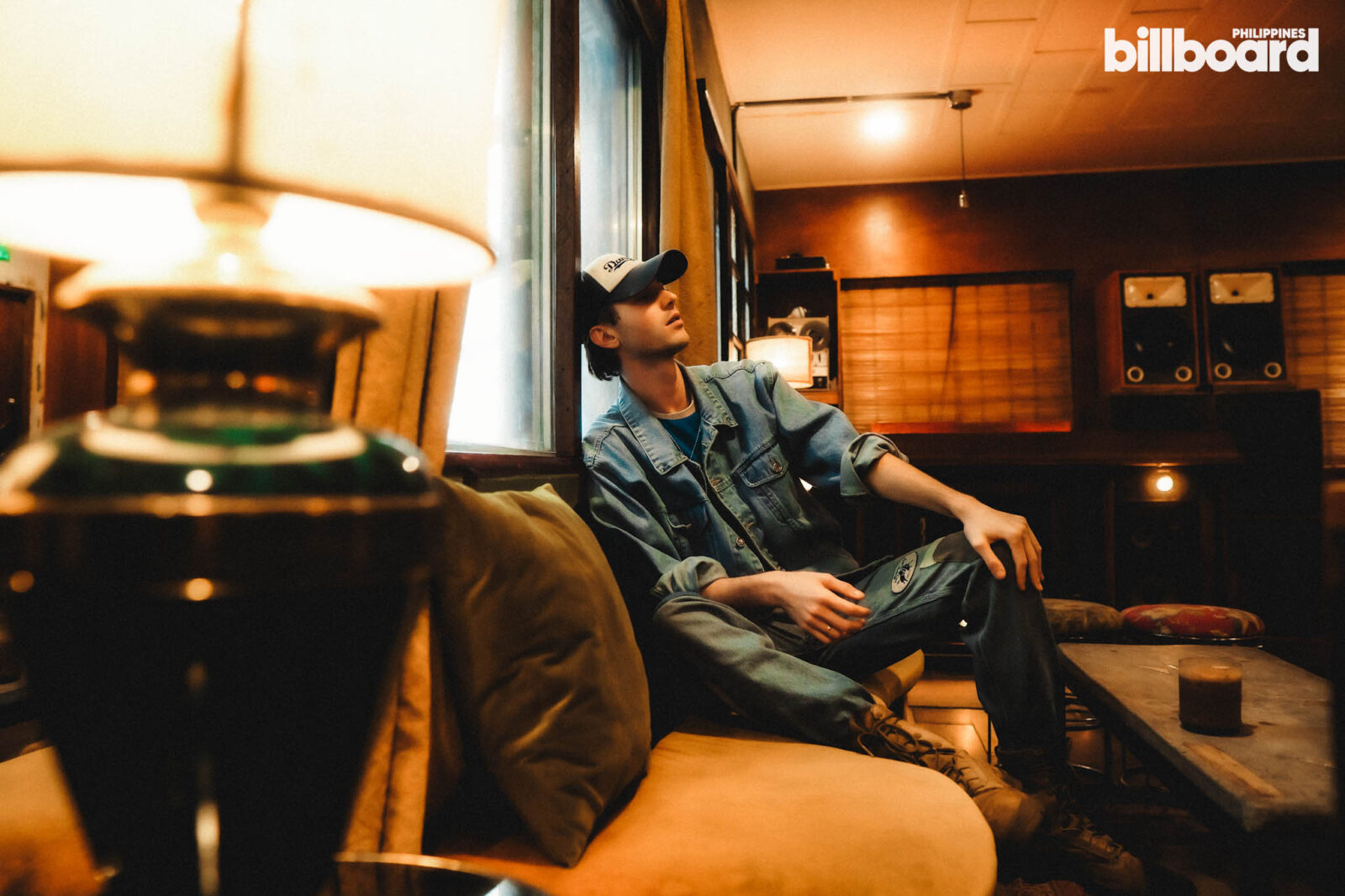
Photographed by Mayks Go
Given your evolution as an artist, you started out with piano-driven pop, and now you’re delving into more cinematic soundscapes. Is there anything else that you’re looking to kind of explore next, whether it’s on this next album, or maybe even after that?
I think that genres are so pointless, and I personally think I don’t think they exist. (laughs) I think what I have always led with, at least kind of what I would say from Portraits on to now, it’s just what I think is cool in the moment. For this album in particular, I just found myself listening a lot again to the Amy Winehouse albums, and really listening to a lot of Mark Ronson and just more soul music.
I wanted to find a lane that I didn’t want to copy any of that, but I wanted to see, okay, how can I make something that feels soulful from Greyson Chance? I just let that kind of be my driver. I think the shape of this album is coming to light, like even just a week ago, I was listening through the songs, and I’m trying to figure out the track listing right now. There’s one song in particular that I love, but I’m like, does it fit within the rest of the record? and I had to remind myself it does because it was made with the rest of the whole thing. So yeah, give the opportunity for that fan to have that departure a little bit. *laughs*
I think I don’t know what the future will look like for me in terms of what the music sounds like or what it sort of emulates. But I will always want to do things that I think are cool in the moment, and part of the work is making sure that I have the infrastructure around me to do that and have a team around me that lets me do that.
Just hearing about the influences that you’re channeling, and that you’re delving into soul on this record is exciting — because soul digs deep. There’s a lot of personal experience there, and I think that reflects what you’ve told me about this album. But as an artist who kind of grew up alongside your audience, how do you navigate writing music that not just honors, but also looks back on the past without being necessarily defined by it?
Yeah, I think that is one of the best things about my fans, and I think what they really understand is that they know that when I do the show, that’s for my fans, but when I write music, I do it for myself. Writing music is very it’s kind of very selfish in a way, like I’m doing it as a form of therapy for myself, and it’s kind of my way of working through it, and I think my fans really respect that.
However, I think working on this new record has been the first moment where I have felt okay to look back and to really like re-approach my past and to not be worried about being defined by it. I believe that over a lot of the past five or six years of my career, I was working so hard to try to create distance from my past, and I think I finally realized that you can’t do that.
Who I am as an artist from when I was 12 is still who I am as an artist as I am at 28 years old, and that’s okay! Like, it’s okay that when fans click shuffle and Spotify, and stuff like “Unfriend You” is gonna pop out. Like I used to hate that, but I just have to accept it because it’s still a part of my story. And so for the first time — I think — ever in my career, I’m very excited and refreshed to be defined by my past. I’m finally okay with it.
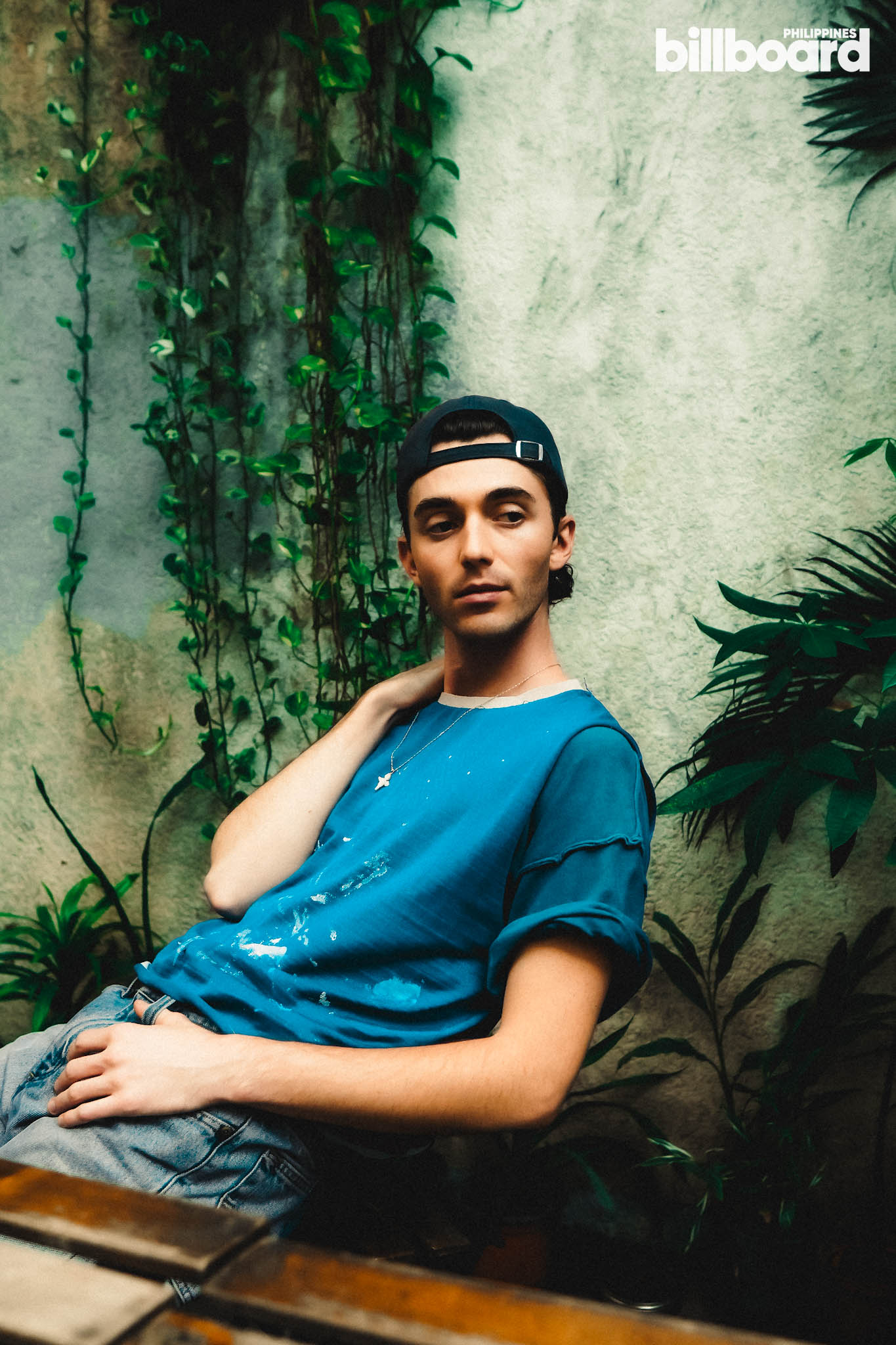
Photographed by Mayks Go
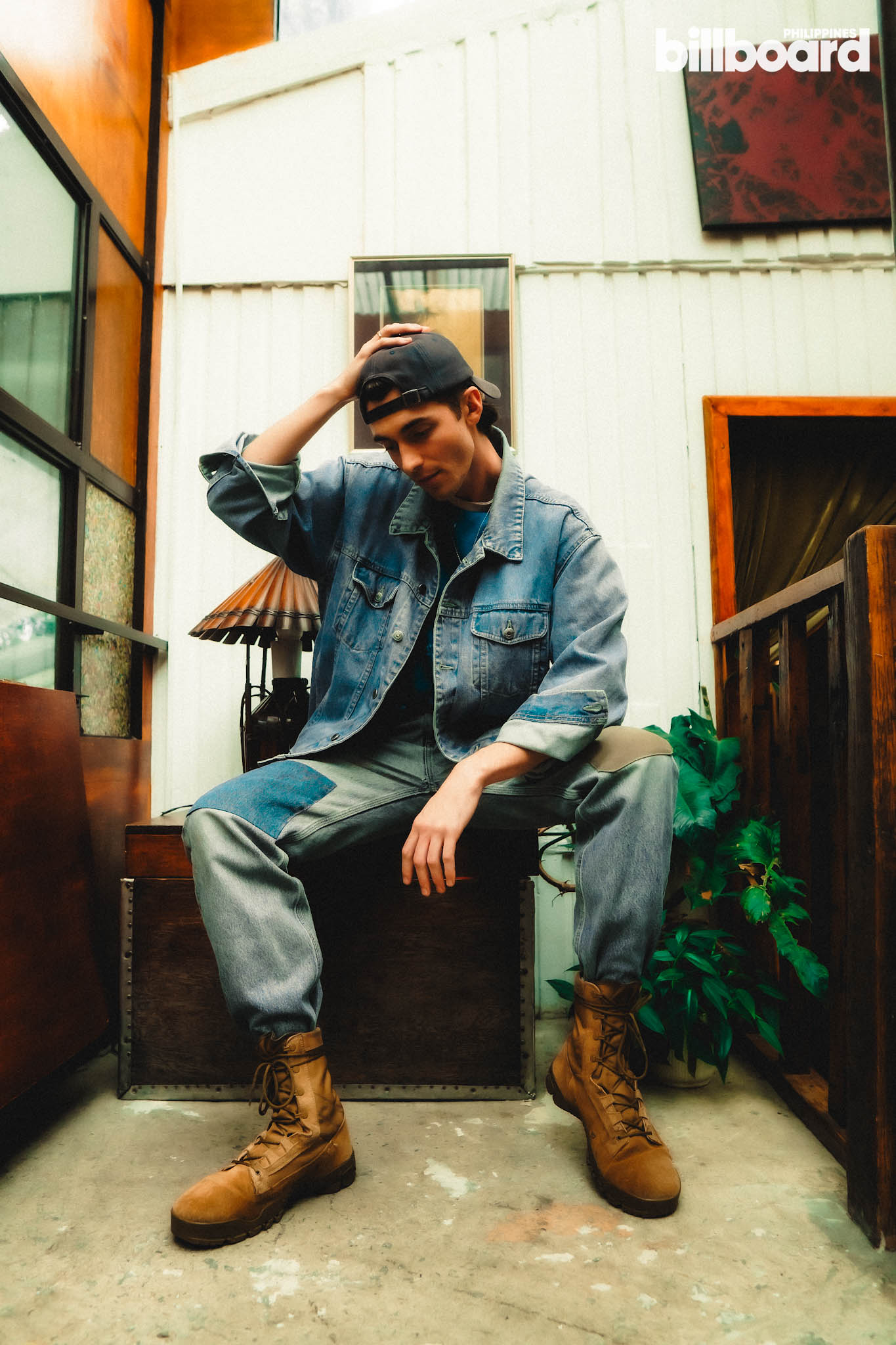
Photographed by Mayks Go
How do you think that reflects your relationship with the vulnerability in your songwriting, especially with what comes out in your work? Because this new album is very vulnerable, from what you’ve told me.
I think it gives me courage, and it gives me hope. Being able to look back and know that I’ve already established some sort of longevity within the scene, like that gives me hope to keep on going and to keep doing it like I did. I’m pretty close to Cindy Lauper, and any time I talk to her, I’m just always so amazed because she has been doing music for over 40 years. And the fact that she is still waking up every morning and thinking about how to make her set better and how to make the songs better and stuff, that’s what I want to be, and i’ve already proven that I can do that. So the trick is just to keep on going now.
I appreciate how much you really do value all these intricacies of being a musician, like the whole process, how to adapt it for your fans, and how you do it for yourself.
Yeah, the songwriting is everything. I think it’s like one of the hardest jobs in the world, and I’m not trying to be like a pity party on that. *laughs* I do think it is really, really fucking hard, but I’m okay to do it.
Given the resonance of your work, I think it really does pay off. It’s impressive to see the growth that comes with that, and the maturity, too.
Thank you! It’s definitely been a long journey. (laughs)
But a while ago, you were mentioning that success looks like very different things for each of your friends. So now that you’re in your 20s, what does success look like to you?
To me, success looks like honesty within the music, real perseverance, and just truly continuing to do it. I think that my goals now are actually a lot less refined than what they were in the past. I feel as if I have given myself a lot of freedom to understand that truly going on stage tonight and performing the show later, and that’s already a victory of its own.
That’s a goal checked off [for me] because I was just bedridden in a hospital in January. I didn’t know if I was going to be able to be on an airplane in just a few months, and now I’m here. So rather than thinking about how many tickets we sell? How is the tour doing? Did I sell enough merch? No, f*ck that! Tonight, when I finish the show, that’s already success for me.
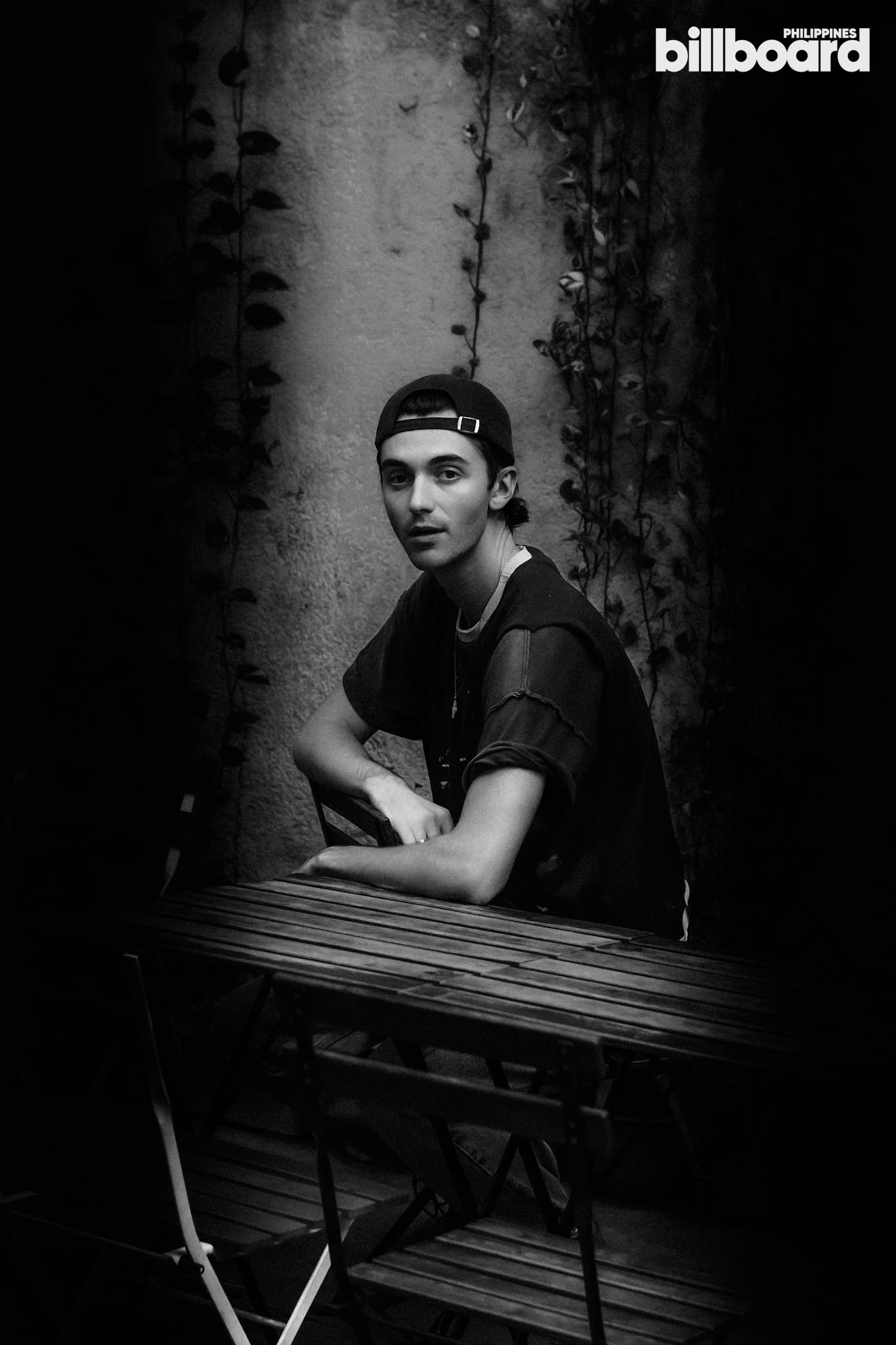
Photographed by Mayks Go
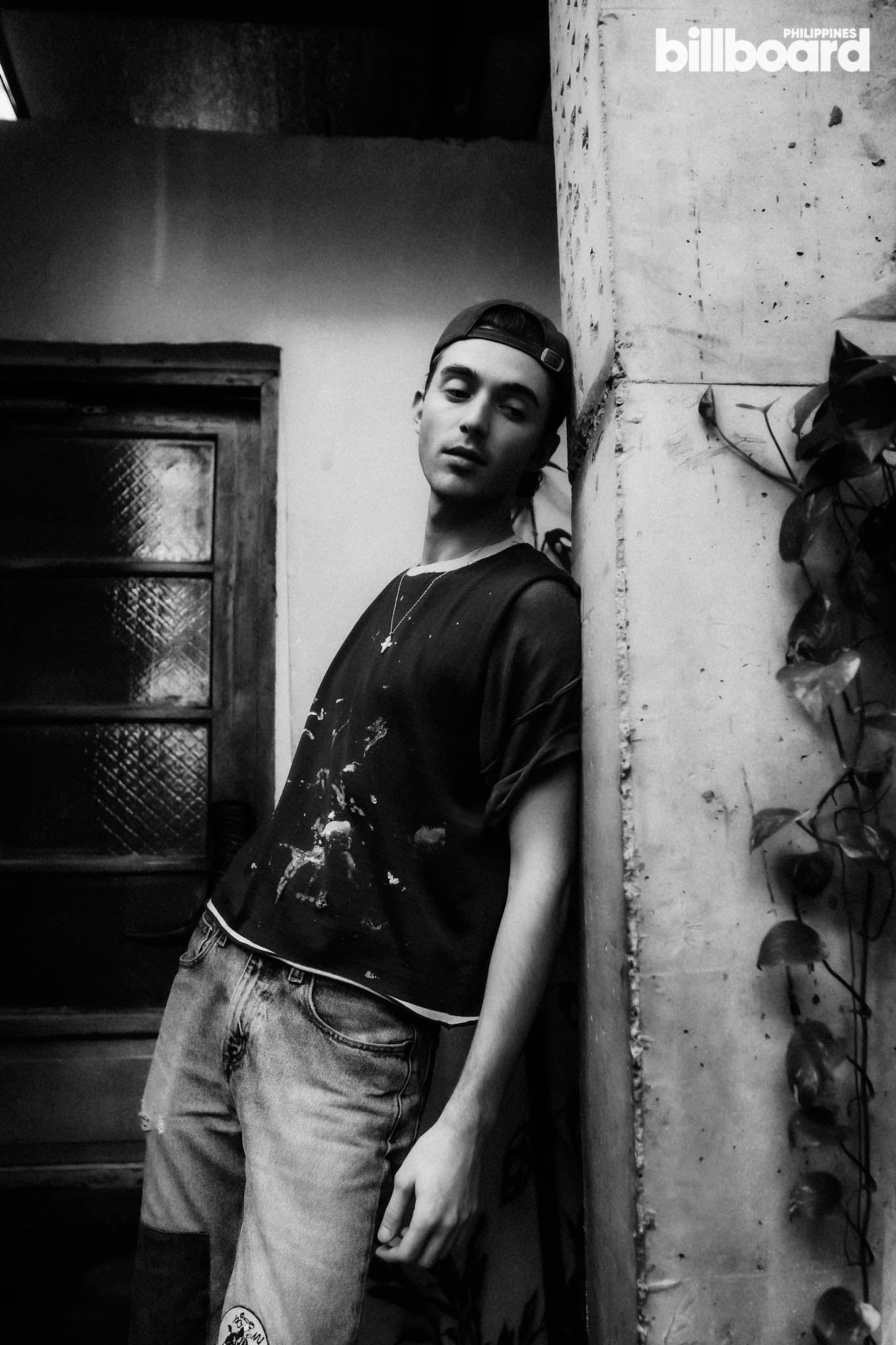
Photographed by Mayks Go
Just look at you. You’re all the way on the other side of the world, and it’s impressive how much has changed within the start of the year alone for you and that growth is already amazing in itself. But when looking ahead, what kind of artistic impact do you hope you’re going to be remembered for when the name Greyson Chance comes up?
I hope people will know that this career I had was honest. I hope people will take it as a lesson to understand how hard it is to put kids in the music industry that early. I think we’ve [sadly] learned that through a lot of different cases.
But I also hope people will understand that it was authentic, even with the things that have been surprising — even with some of the surprising headlines. All the stories that I’ve told, whether it’s from behind the scenes or not, have come from an honest, genuine, and authentic place. I think that’s the legacy that I would want to leave behind.
Lastly, if there’s one thing you could tell yourself from that viral video of you when you were a child, what would you tell yourself now? Especially with all these realizations that you’ve developed in the process of making this album.
Have fun. Enjoy it, and I think just have fun. I think that’s the thing that I look back on and and there were a lot of moments of joy, and there were so many amazing things that happened, but there was so much pressure too and and I think the same thing that I would tell my kids self is what I hope I could tell myself now is, which is to enjoy everything. Nothing is permanent. So make sure to enjoy it when you’re there in the midst of it!
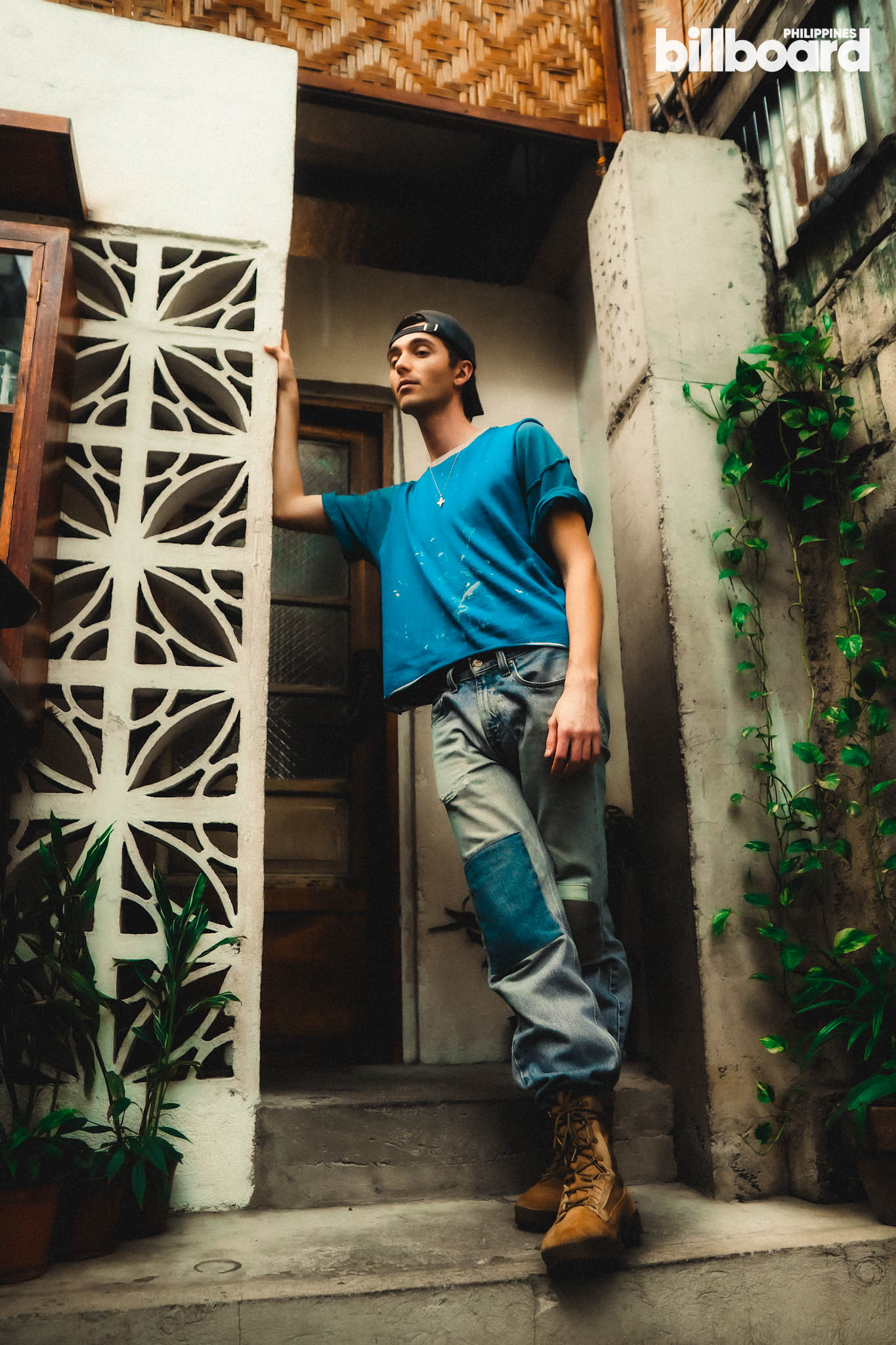
Photographed by Mayks Go
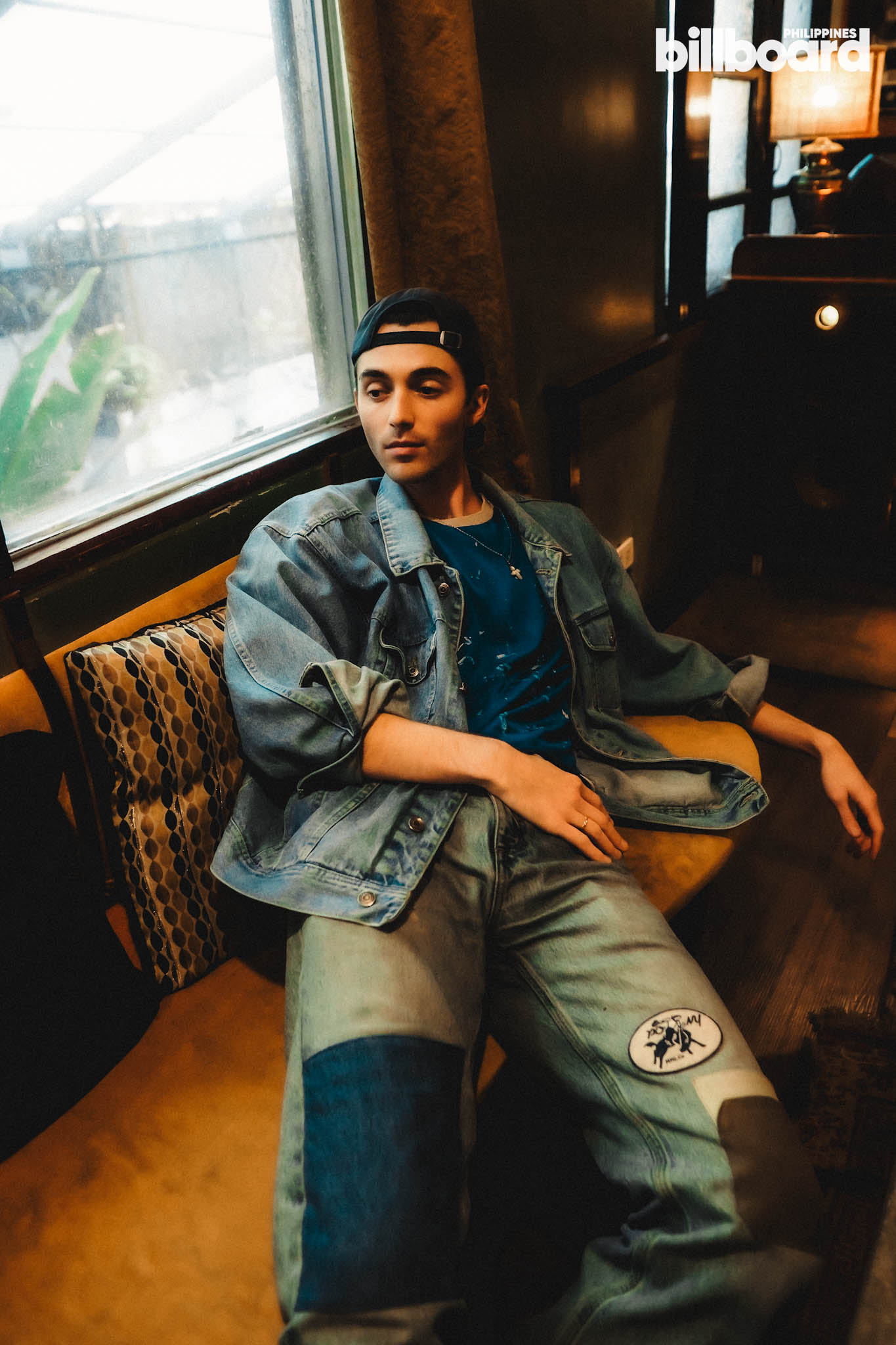
Photographed by Mayks Go
Listen to Greyson Chance’s new single “Savanna” below: