
It’s Okay To Care: Why Being A Fan Still Matters
In a day of hypervigilance on social media, what does it mean to be a proper fan?
By Rome Saenz




Photographed by Mayks Go
Photographed by Mayks Go
In a day where “being nonchalant” is the new status quo, it seems that being a music fan no longer fits the standard of “cool” in the modern age. Somewhere between perfectly curated feeds and the constant fear of being “cringe,” genuine enthusiasm has started to look out of place.
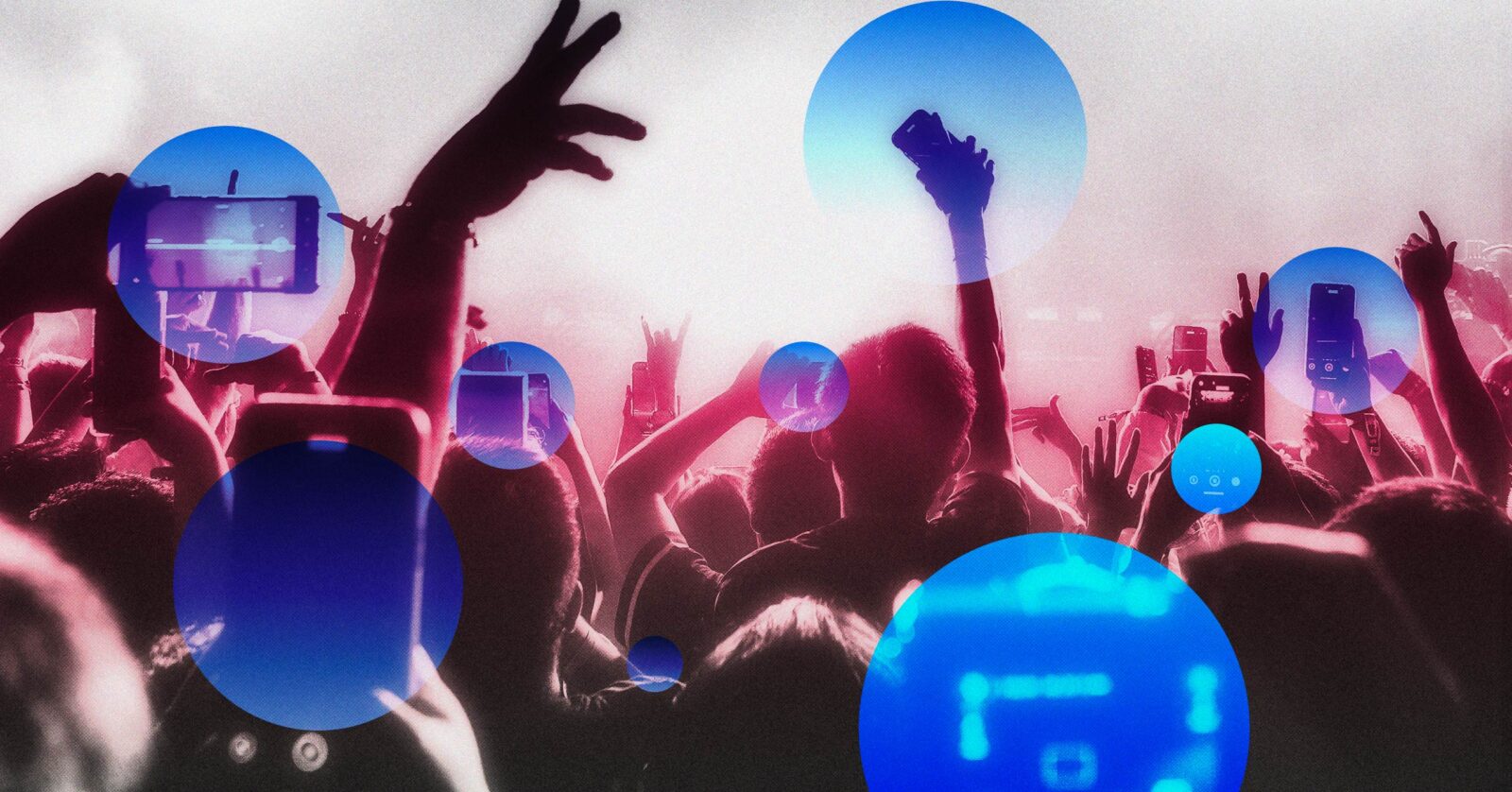
The warning signs are all around us. Think about it – when was the last time you saw a crowd truly lose themselves in a concert? These days, it feels like we’re watching the moment through our phones instead of living it. Many hold back from singing or dancing for fear of being recorded, while others hesitate to show excitement online to avoid being labeled as “too much.” It’s as if enjoying music too openly is now something to be self-conscious about.
Meanwhile, the way we consume music has quietly changed. Physical media, which was once a marker and artifact of fandom, is on a steep decline. Streaming now dominates listening habits and makes music feel like a background utility, rather than a collectible treasure. And where do we end up with this? A new generation and interpretation of fandom where devotion exists mostly as data points and notifications, rather than moments of shared, audible joy.
Still, if you look at the charts, it’s the fandoms that are the powerful forces that are currently keeping the music industry afloat. Oftentimes, it’s the fandom giants of the music industry like SB19, Taylor Swift, and SEVENTEEN topping sales charts, due to high and immediate demand. In a feature previously written by Billboard Philippines about fandoms’ power over music charts, it was emphasized that “In the Philippine music industry, organized fandoms and their engagement with an artist’s craft play a pivotal role in influencing chart trajectories. Through coordinated streaming, purchasing, and social media campaigns, fans can elevate their favorite artists to new heights — and perhaps new peak positions within the local charts.”
Still, this power has its limits: “However, while these efforts can lead to remarkable chart achievements, they do not always guarantee sustained success, given that other factors are still meant to be considered.”
So, if it supports the industry, why are people refraining from showing their true colors as fans? Social media may be a part of it.
“It’s just a matter of allowing people to explore their hobbies without feeling the need to throw in your own opinion about it, which is such a big ask and is literally impossible, given the concept of social media is that anyone can input what they think and what they feel at any given time, whether that’s an original thought, a stolen thought, or — in most cases — a reply to an original thought,” explains Noelle (a self-proclaimed theater fan).
Adding onto this, Riv (a self-proclaimed fan of local hip-hop) shares that under the lens of social media, the meaning of being a fan shifts: “I think there have been a lot of changes within the discourse of being a fan. Oftentimes, there’s harm involved, where people dismiss or just straight up hate people for being a fan.” He expounds, “This is also a two-way street, where sometimes the fans tend to be toxic to other fandoms, people outside the culture, or to each other. I believe that social media has influenced it, as it is easier to get away with saying things that you cannot say in person.”
Yet enthusiasm remains essential. Dedicated fans buy tickets, travel for shows, collect physical releases, stream on repeat, and create the grassroots buzz that helps artists build careers. Enthusiasm is the observable return on an artist’s labor; it’s the social proof that music still moves people. Noelle says, “I think being a fan of anything in any capacity is still cool and worthwhile because it’s something that gives you fulfillment, and not others. Personally, I find it refreshing when someone is unapologetic about their fandoms or interests precisely because so many people think it’s uncool to hide them.”
So, here’s your sign to let go a little: dance and sing at that concert, buy that physical copy if it means something to you, and post your excitement without the self-censoring commentary. Fandoms are a living, breathing reminder that music still matters. Showing enthusiasm doesn’t minimize your taste – it amplifies it, and it helps keep the music ecosystem alive. Even if it means sacrificing a moment of “nonchalance,” don’t be afraid to be loud about what you love, because being a fan isn’t a weakness to hide – it’s proof that something still moves you enough to care.