
Why Music Awards Shows Still Matter Today
Billboard Philippines unpacks the significance of why music awards shows continue to matter amidst a rapidly changing industry.




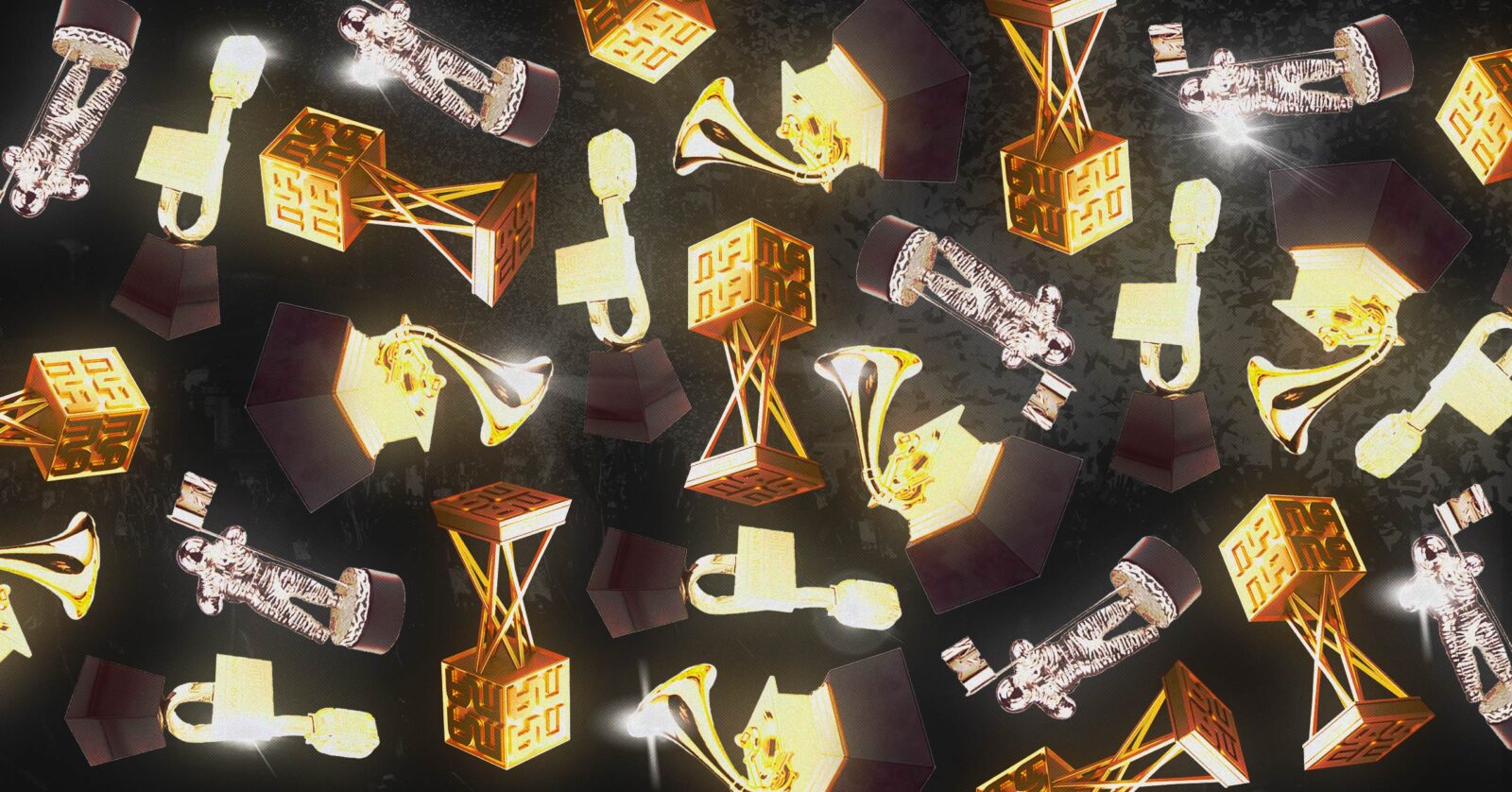
In the present-day digital age defined by endless streams, algorithmically curated playlists, and the collapse of traditional gatekeeping, it’s easy for one to question the continued relevance of music awards shows. Ratings have dipped, formats have shifted, and attention spans have now shortened. Yet in the eyes of industry professionals — whether they’re A&Rs, publicists, or label heads — awards shows still remain as vital cultural markers, as they’re not just ceremonial glamor, but also infrastructure for the entire scene.
For an industry driven by visibility, reputation, and validation, the importance of prolific awards shows like the Grammys, Billboard Music Awards, Asia Artist Awards, MAMA Awards, and even local honors like the Awit Awards and Wish Awards cannot be overstated. Over time, these institutions have served as benchmarks for the global music industry — legitimizing success, spotlighting artistry, and shaping career narratives in ways few other platforms can.
The Currency of Recognition
While streaming data reflects the popularity of a certain artist, album, or specific song, and social media may even show signs of its cultural relevance, the presence of awards still remains to be one of the few enduring symbols of artistic merit within the industry. They’re curated by peers, experts, and institutional bodies, which offers an endorsement that’s difficult to replicate via numbers and data alone. For in an era where virality can inflate public perception, these awards are what establish the anchor reputations in professional legitimacy.
Even for industry figures, like talent managers and label executives, such honors offer a notable return on investment. Throughout history, the presence of a Grammy-nominated album or an Artist of the Year trophy in one’s career has also become a pillar in an artist’s long-term brand narrative — eventually providing tangible tools for marketing and touring, enhancing catalog value, and often reinvigorating streaming interest for their older works.
Awards As Industry Infrastructure
Though beyond individual success stories, awards shows can fulfill a broader role within the music industry ecosystem as they create structure. In an industry that resists formal hierarchies, where success is often nonlinear and hard to define, awards offer a public-facing framework for excellence that demands recognition from both the scene and the general public.
This is particularly true in specific genres where traditional metrics of success (ex. mainstream charting or sky-high sales metrics) may not fully capture cultural impact. Recognition by respected institutions — whether it’s in categories like a Best Jazz Vocal Album or Best Alternative Song — is what gives weight to work that may otherwise be marginalized.
Moreover, these moments also get to galvanize communities in one massive setting. Awards shows are among the few events where disparate corners of the industry — artists, producers, engineers, managers, executives, and creatives — converge under a shared value system that matters, allowing all these individuals to participate in a space where music is treated with reverence.
A Spotlight in the Algorithmic Clouds
Given the age of digital abundance, music discovery has also become paradoxically harder. While platforms like SpotifySpotifyA digital music, podcast, and audiobook streaming platform that lets users listen to millions of tracks and shows on demand across multiple devices.Go to Spotify Glossary and TikTok have democratized access for most listeners, they’ve also fragmented the audience experience. Yet amid this noise, awards shows function as curated editorial moments that bring the necessary focus, context, and a sense of occasion to notable bodies of work.
Such ceremonies often highlight bodies of work that require time and intention to appreciate — the kind of meticulously crafted projects that streaming culture sometimes deprioritizes. In the case of the United States and the Recording Academy’s Grammys, albums such as Kendrick Lamar’s To Pimp a Butterfly or Kacey Musgraves’ Golden Hour may have earned critical acclaim, but it was awards-season recognition that elevated them into the cultural consciousness of a broader public.
Furthermore, the presence of televised awards shows also serves a public function, considering that they shape narratives around music’s place in culture. In highlighting artistic excellence and genre innovation, they also get to reaffirm music’s power not just as entertainment, but as both commentary and art.
Institutional Legacy in a Disruptive Era
Even as new platforms emerge and the dynamics of fandomFandomA community of devoted supporters organized around an artist or group, known for shared language, rituals, and collective action. Fandoms drive streaming, voting, and merchandise sales, and Filipino fans areGo to Fandom Glossary shift, musical institutions still matter. Since legacy remains one of the most enduring currencies in entertainment, it’s also why artists continue to value honors from established academies — despite moments when those institutions come under scrutiny.
That fact also makes a strong point for why those institutions must evolve. Criticism around representation, transparency, and bias has prompted necessary change within organizations like the Recording Academy, leading to changes such as expanding membership, revising category definitions, and improving voting practices, all of which have become central to maintaining relevance and credibility.
Such recognition from a respected body not only confers a sense of prestige, but it also amplifies the importance of music as an art form in the public sphere — especially in a media climate saturated with short-form content. Because such awards shows remind the world that music is serious, substantial, and worth honoring with a proper ceremony.
Where Business Meets Artistry
Ultimately, the relevance of awards shows lies in their dual power: to elevate artistry and to catalyze commerce. For the industry, they serve as economic engines that fuel post-ceremony sales bumps, bolstering catalog performance, and the development of marketing narratives that last for years, paving the way for their legacy.
But their deeper value is also cultural, because now that we’re at a time wherein music risks being treated as mere content, the presence of awards shows reaffirms its status as art. With its role, they bring intention back into the conversation and remind fans, professionals, and artists alike that behind every hit is a body of work fueled by a creative vision and carried out by a team whose process is well worth honoring.
Because now that we live in a world that is increasingly optimized for speed and scale, these moments of recognition still matter. And when those moments are delivered by respected institutions, they resonate more deeply — not just as celebrations of individual achievement, but as declarations of what the music industry chooses to value.
For awards may not be the final word, or even the most significant form of recognition in the world — but in the business of music, they still speak volumes.