
This Is What the Future of Filipino Hip-Hop Sounds Like
The rookies of Billboard Philippines’ Pinoy Hip-Hop Mixtape 2025 are championing the future of the genre, one hit at a time.




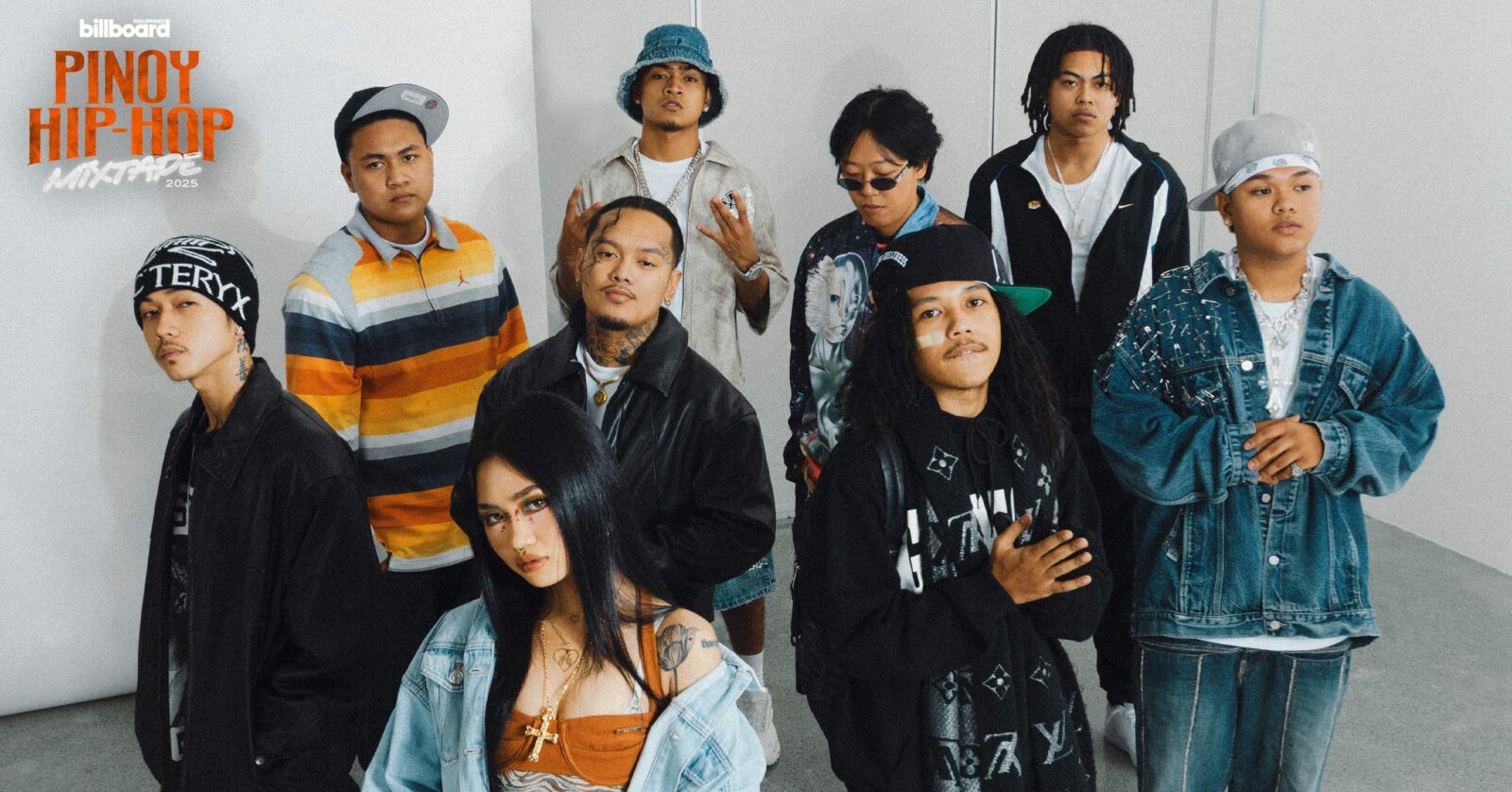
Photographed by Excel Panlaque.
Photographed by Excel Panlaque.
There’s a particularly electric energy in the Billboard Philippines studio. As the hallways echo with a booming bass line and slick beats, idle chatter quiets when the stars of Billboard Philippines’ Pinoy Hip-Hop Mixtape 2025 enter the studio with their distinct aura and energy. These nine stars of local hip-hop — Alex Bruce, CK YG, Costa Cashman, NIO, Robledo Timido, Sica, SUPAFLY, Waiian, and YB Neet — are set to shake up the Philippine sonic landscape.
Whether they’ve been celebrated as chartbreakers or trailblazers of the underground scene, these artists carry both the past and future of Pinoy hip-hop on their shoulders with a sense of responsibility. As Philippine hip-hop continues to expand, these artists have risen to the top of the class, showcasing their individuality and strong sense of artistry in such a way that each drop becomes a new playlist staple.
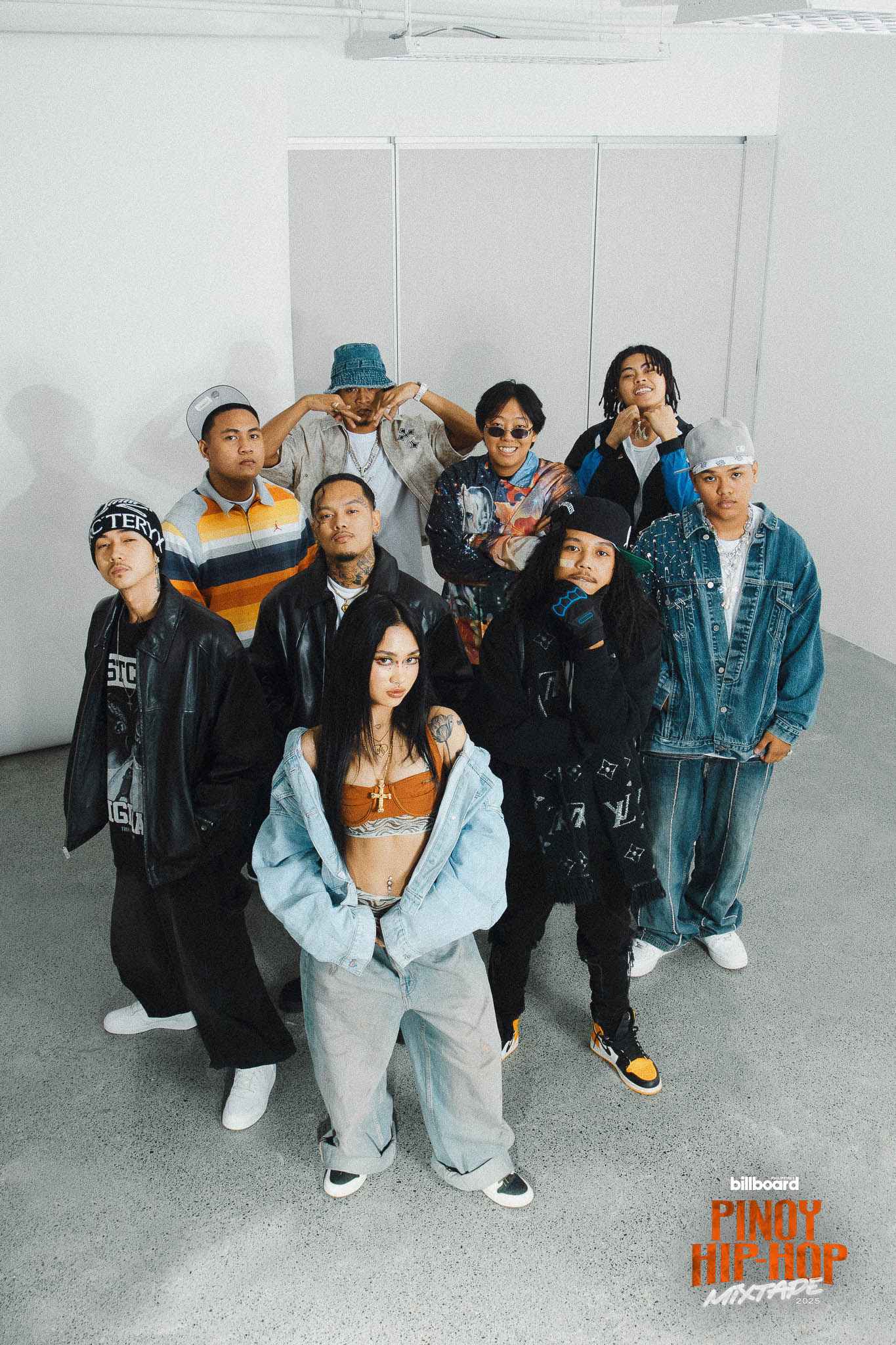
Photographed by Excel Panlaque.
Beyond crafting irresistible hits, they’re dedicated to their craft, representing their hometowns and crews on a larger scale. When Filipino hip-hop appeared to be a niche in the past, this wave of MCs shows that hip-hop is no passing fad but a cultural phenomenon that’s here to stay – and to grow even further.
Certified Bangers Only
As aforementioned, these artists have ascended the title of hitmakers — but it’s when you look deeper into their craft that you see how this generation is shaping the Philippine soundscape.
For some like CK YG, Sica, and Robledo Timido, that means bending genres. Fitting R&B melodies into rap and shifting their flows into harmonies, they expand how we see Filipino hip-hop today. For others like Waiian and Alex Bruce, it’s about expressing life experiences through well-crafted lyrics.
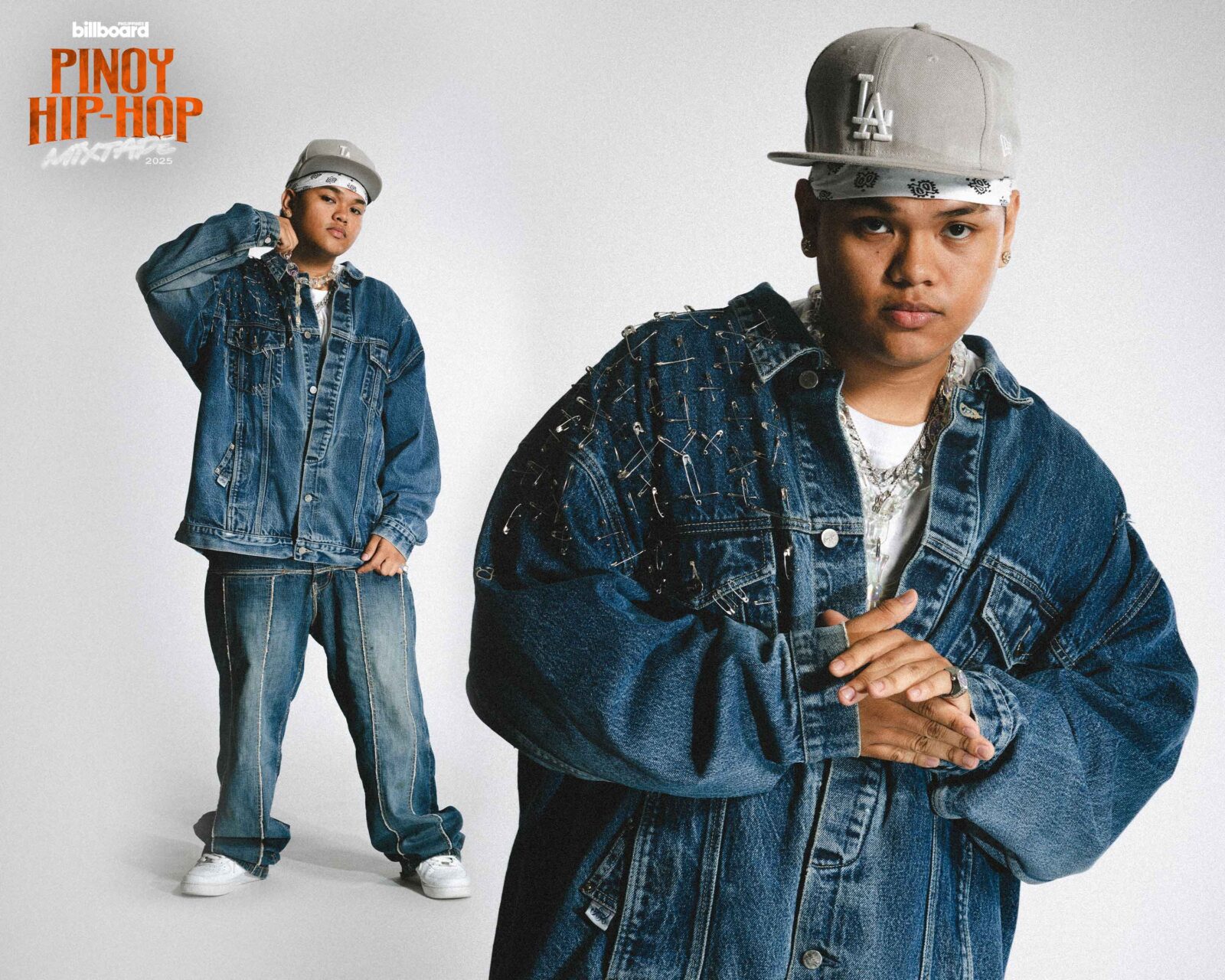
Robledo Timido, photographed by Excel Panlaque.
No matter the formula, there’s no denying that Filipino hip-hop is taking over the country’s soundwaves. Breaking into the Top Philippine Songs Chart — especially with the independent nature of local hip-hop — is no easy feat. Yet, there are weeks where rap dominates the Philippine soundscape, one hit at a time.
Can’t Knock The Hustle
As we celebrate the success that these artists see today, it must be acknowledged that it was no easy journey getting to this point. While every musician has had their fair share of struggles, these artists have particularly thickened their skin through the experiences of being up-and-coming rappers in the scene. In an industry run on independence and underground culture, making it full-time as a wave-maker in Pinoy hip-hop is no small feat.
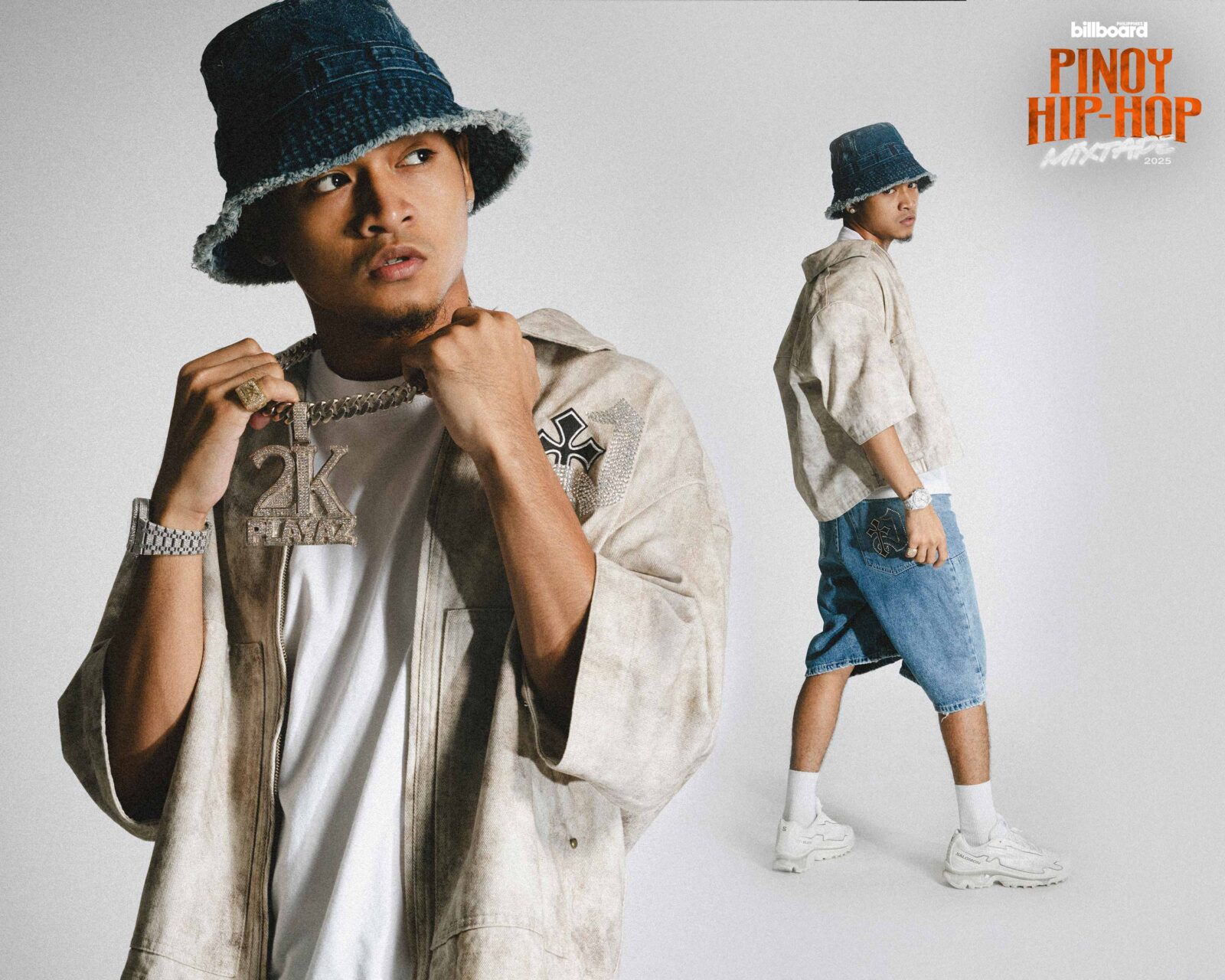
YB Neet, photographed by Excel Panlaque.
On that note, Robledo Timido shares, “Ang lawak ng music industry sa Pilipinas ngayon, para matagos — para marinig ng ibang tao at mabigyan ng recognition in general.” (The music industry in the Philippines is so vast now, and it takes a lot to break through — to be heard by others and to be given recognition in general.)
For Waiian, while he’d found an audience that resonates with his music, he encountered gatekeepers of rap early in his career. In his words, those bitter about the state of their careers would resort to “bullying” younger artists, forcing them to give up precious set time.
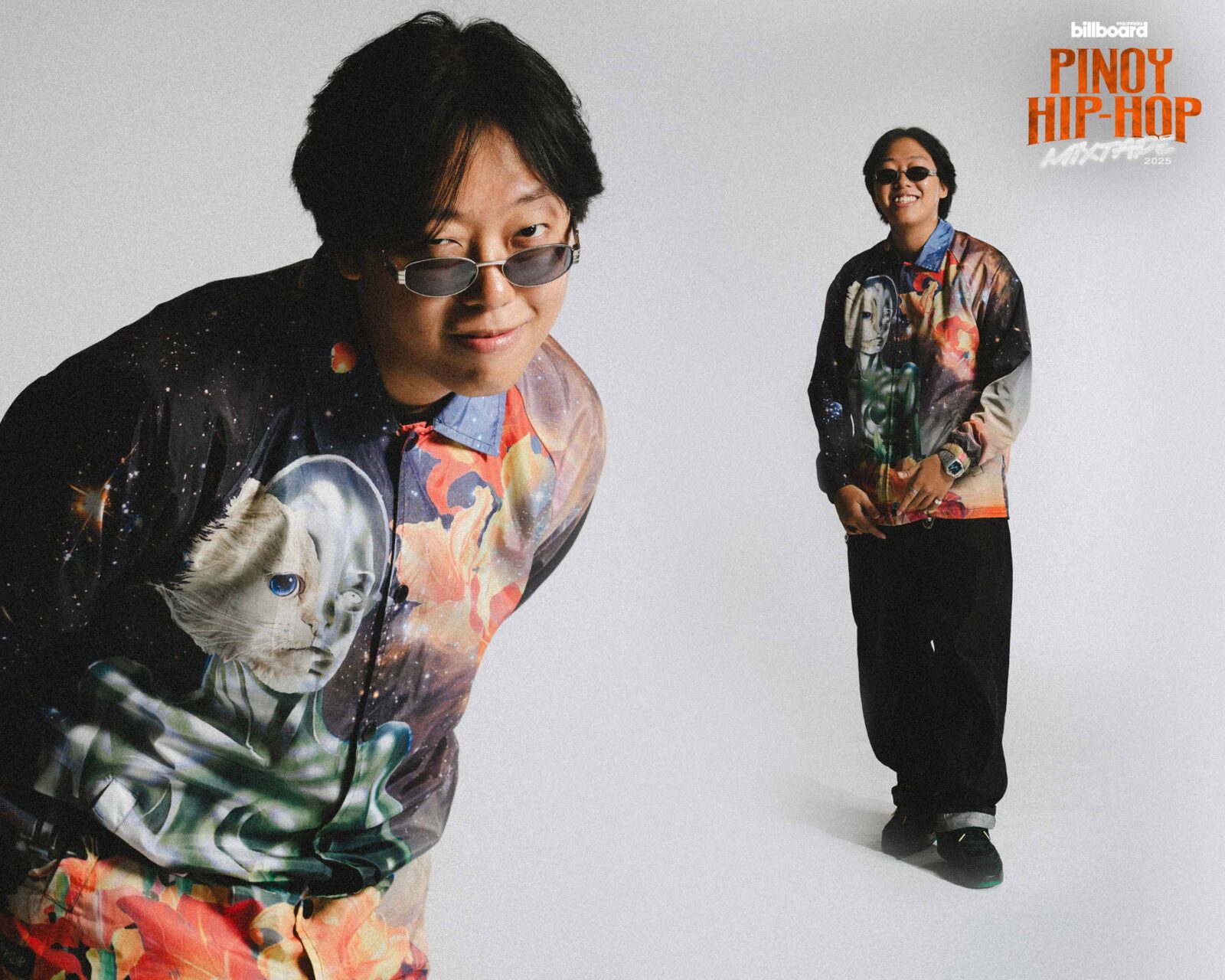
Waiian, photographed by Excel Panlaque.
Rather than just absorbing all the hate, in true hip-hop fashion, these artists use negativity to fuel their work. Describing his haters as “NPCs” (non-playable characters), CK YG is no stranger to flak. Rather than taking it to heart, he says, “Kumbaga, walang kwenta ‘yung buhay ko kung walang hate. Walang kwenta ang buhay ko kung walang ibang taong nagsasalita nang hindi maganda.” (My life wouldn’t have any meaning if there was no hate. My life wouldn’t have meaning if there weren’t people talking badly about me.)

CK YG, photographed by Excel Panlaque.
Similarly, when speaking about combatting the hate, SUPAFLY turned spite into something more productive, “Imbis na batuhin ko sila ng bato, binato ko rin sila ng tinapay… Since ito lang yung meron ko, binato ko rin sila ng pansin edi go.” (Instead of throwing stones at them, I threw bread at them… Since this is all I have, I threw them my attention too, so why not.)
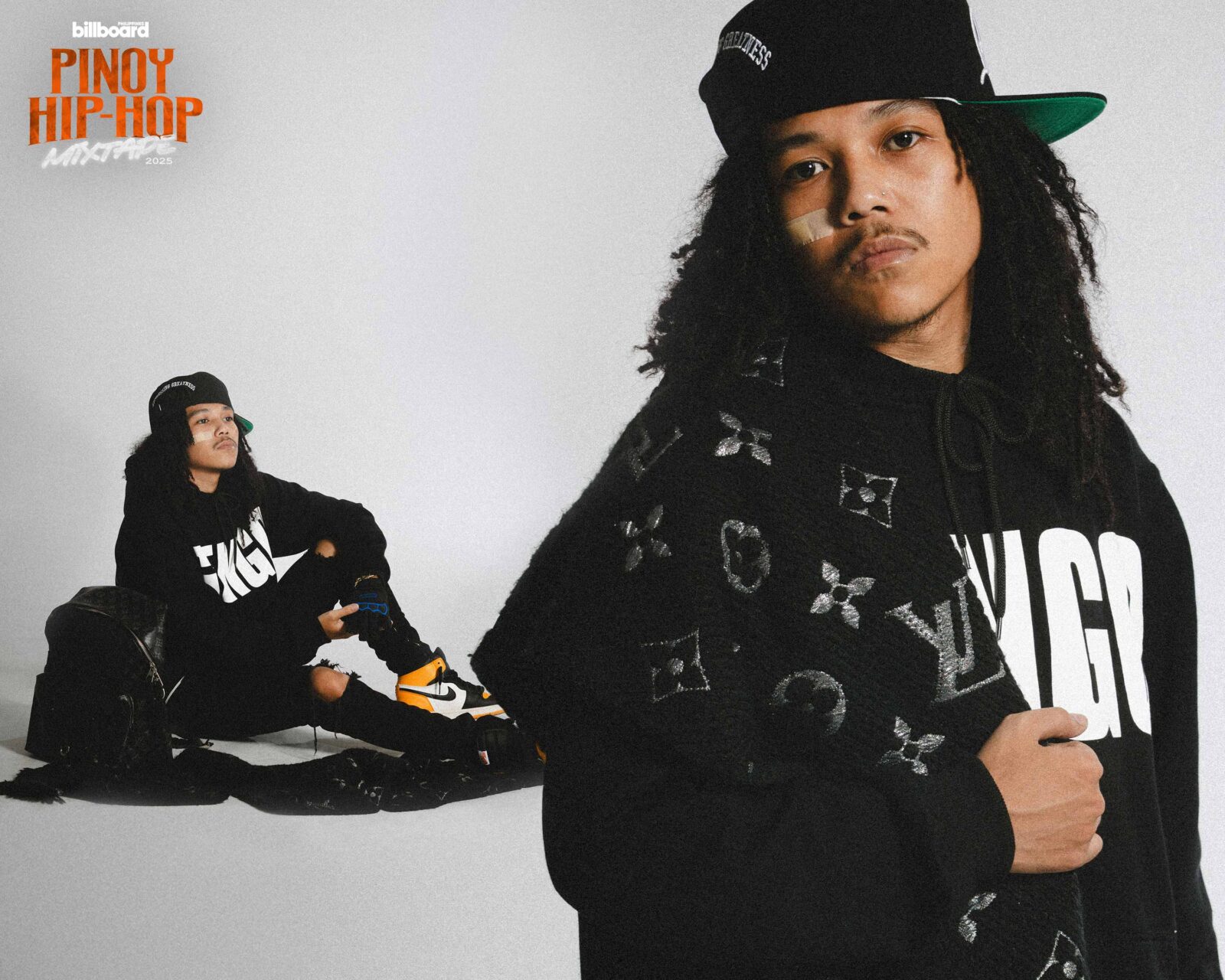
SUPAFLY, photographed by Excel Panlaque.
When you fuel criticism and flak into your work, what do you get? For this generation of MCs, you get art. Alex Bruce, who debuted at the age of 12, struggled to earn recognition for her work. “Siguro ‘yung pinaka-challenge ko nung nagsisimula pa lang ako was people taking me seriously. Kasi ang bata ko pa nun eh, parang nagra-rap lang ako just to say something, just to prove something.” (I think the biggest challenge when I was starting out was getting people to take me seriously. I was so young back then, it was like I was just rapping to say something, just to prove something.) She adds, “Pero I had to prove myself over and over para lang malaman ng tao na I actually want this and seryoso ako sa ginagawa ko.” (But I had to prove myself over and over so people would know I actually want this and I’m serious about what I do.) And so she did. Now at 18, Bruce continues to challenge the rigid standards of the Philippine hip-hop industry with her empowerment anthems.
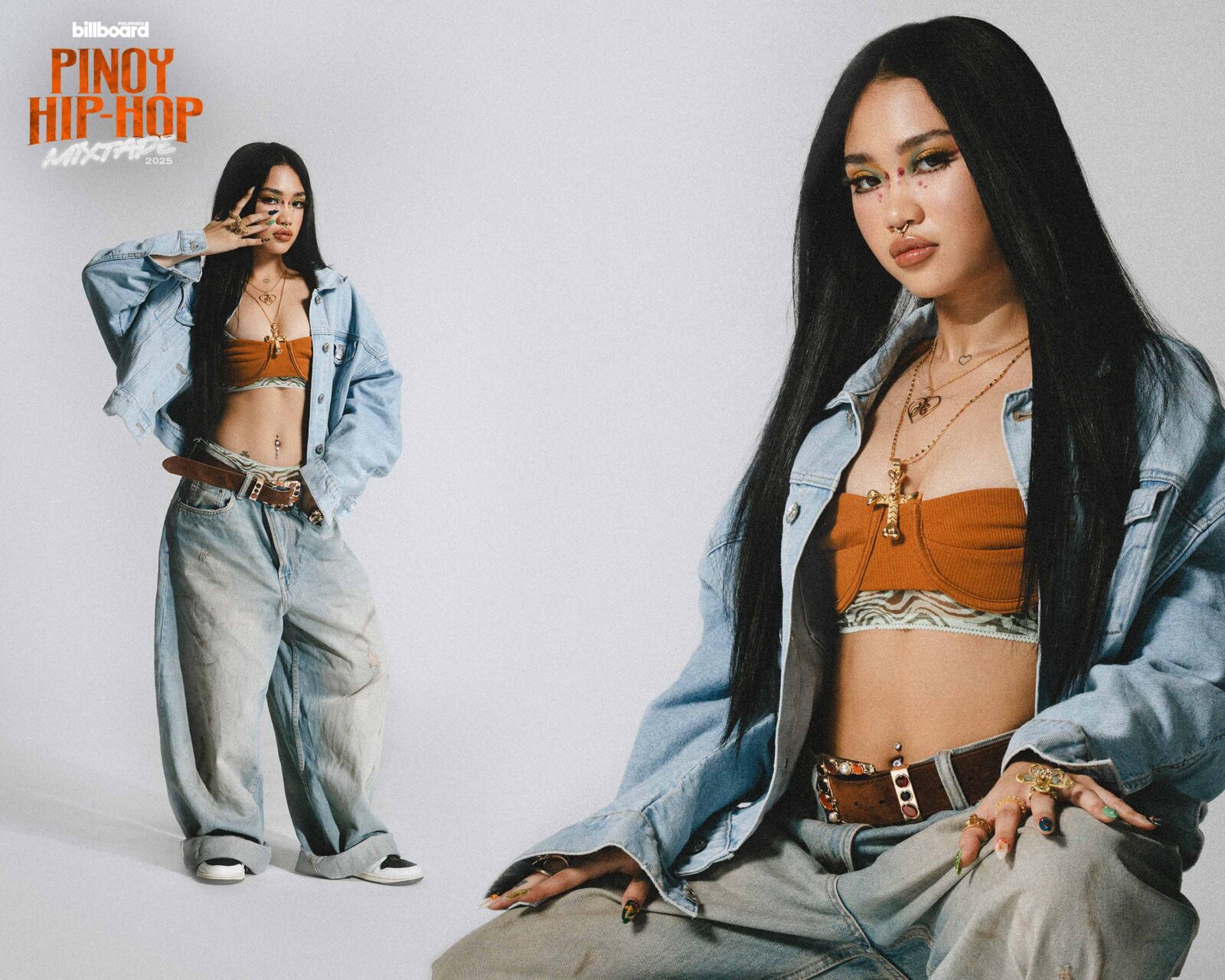
Alex Bruce, photographed by Excel Panlaque.
Students of the Game
Another means of channeling criticism into something more productive is using it to fuel their desire to learn further. From the MCs who’ve long grown their roots into the scene to the rising stars of tomorrow, their greed doesn’t loom over material items or chart success – it’s rooted in a passion to perfect their craft.
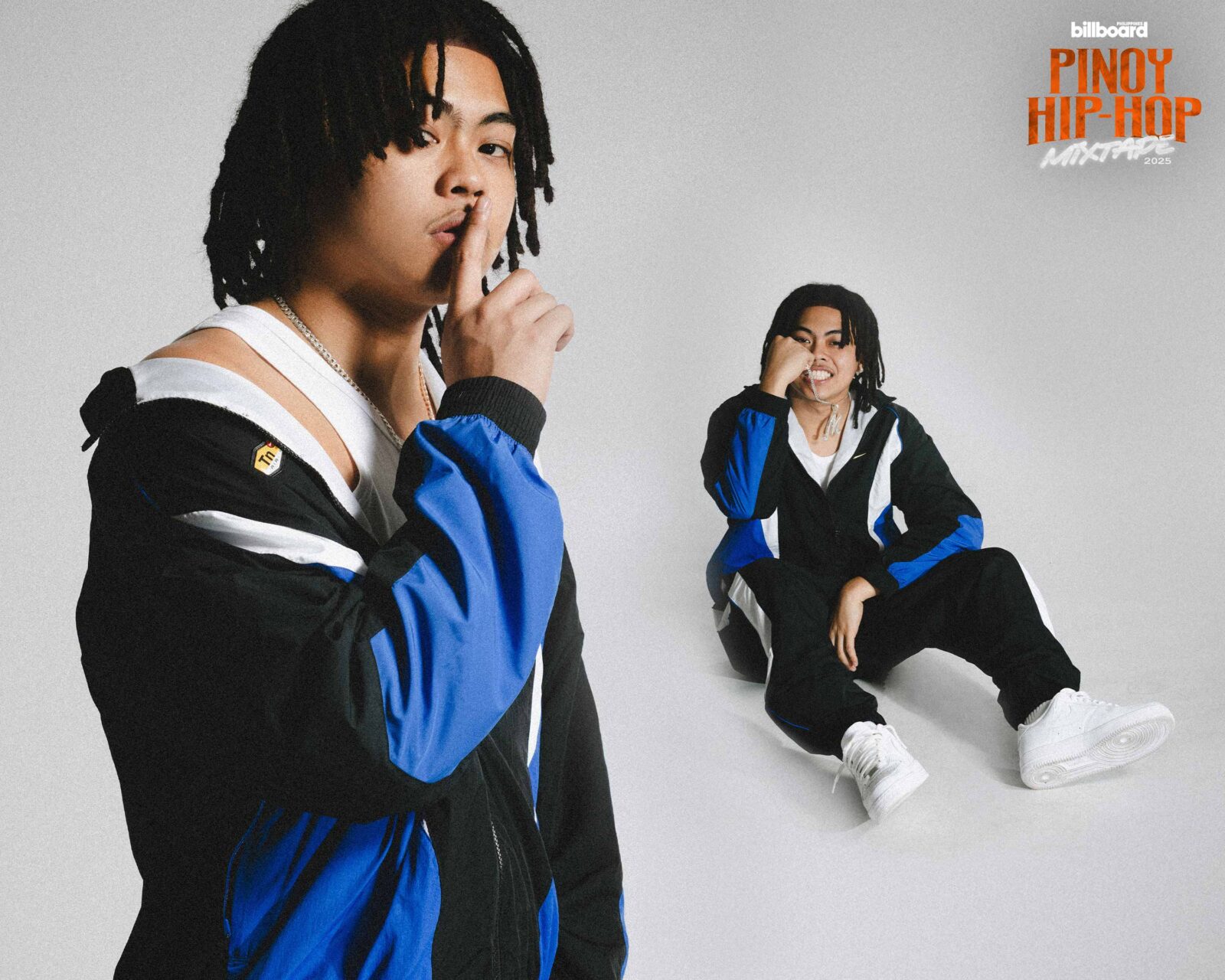
Costa Cashman, photographed by Excel Panlaque.
These wells of creativity don’t come from one place either. The unique upbringings and influences behind these artists add to the allure their music presents. Locally, CK YG and Robledo Timido cite Ron Henley as a major source of inspiration, while Costa Cashman draws from West Coast rap, and Sica sees the late Mac Miller as a heavy influence on his work. As a lyrically motivated artist, Waiian looks to MCs of a similar kind, naming Kendrick Lamar, Outkast, and more.
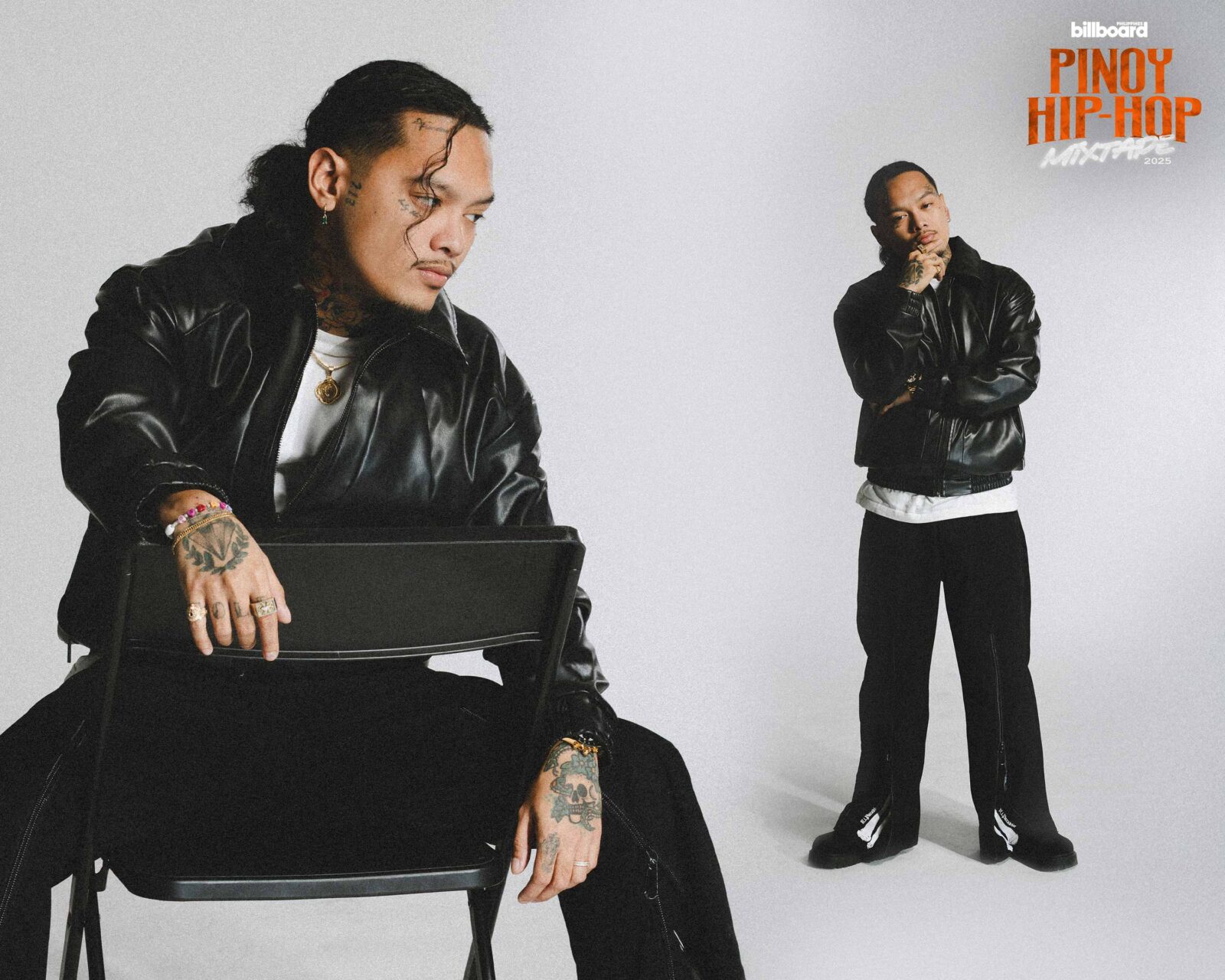
Sica, photographed by Excel Panlaque.
For NIO, his inspiration is rooted in family, driven by a strong desire to one day spoil his parents: “Ginawa ko lang ‘yung pwede ko gawin, no excuses, para makamit ‘yung experience.” (I just did what I could, no excuses, to be able to achieve that experience.) As for YB Neet, he aims to take his learnings further by mentoring the next generation of Philippine hip-hop artists.
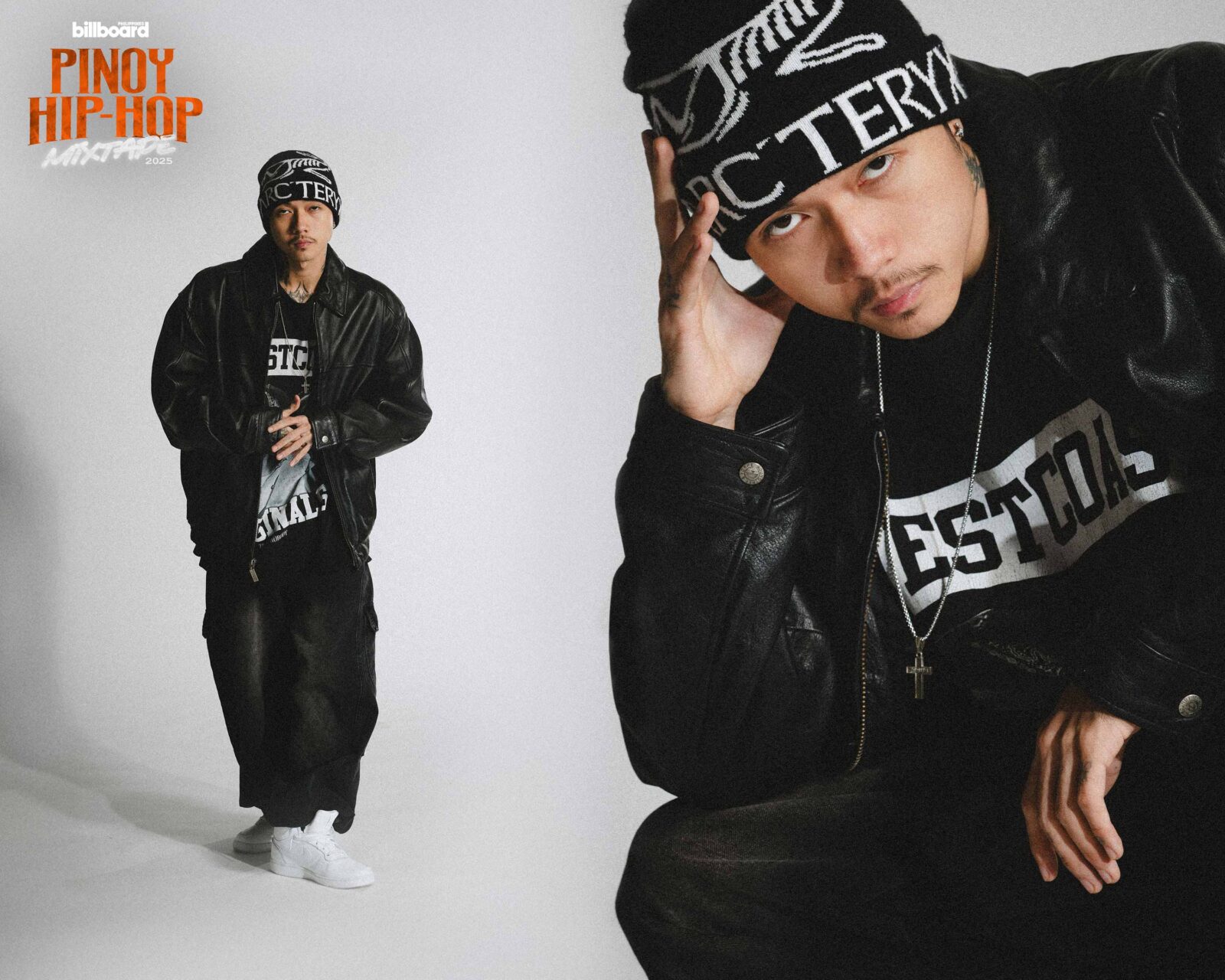
NIO, photographed by Excel Panlaque.
As seasoned as they may be, each of these nine artists sees every opportunity to improve as a means to uplift the genre even higher — and for those just starting to break into the scene, they’re ready to grow and dominate the industry.
The Sky’s The Limit
There’s no telling how far these artists can go. With the expansion of digital platforms, access to Filipino music has widened, carving paths for musicians with only a phone and data connection to reach a grand audience.
Despite starry-eyed dreams, their goals revert back to their roots. For Costa Cashman, that means defining his artistry outside of his group, O SIDE MAFIA. Looking ahead five years, Robledo Timido has a simple wish: to graduate college and use his marketing learnings in his music career. Sica finds delight in the simple joys, grateful for every step along the way. SUPAFLY has many dreams on his agenda: “I’m gonna be an artist, entrepreneur, land-owner, COO,” he says. “Last but not least, I’m gonna be the flyest of them all!”
Carrying the torch, these artists continue to light the path for Filipino hip-hop. They stand as reminders of the genre’s depth, resilience, and ever-expanding possibilities – proving that what started as underground battles and home studio sessions now echoes across the nation, with no signs of slowing down.
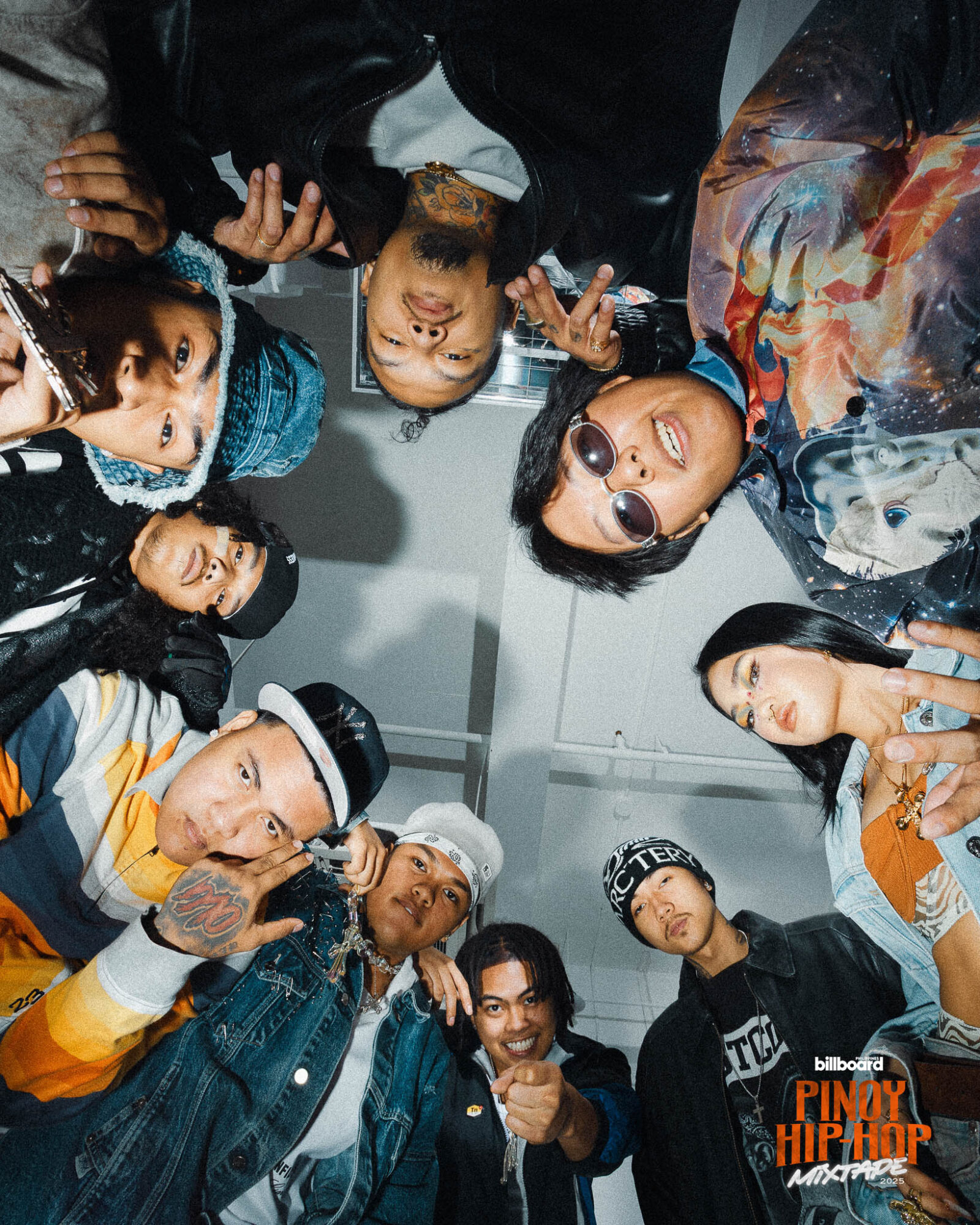
Photographed by Excel Panlaque.
Photographed by Excel Panlaque. Art Direction by Nicole Almero. Produced by Mika Cruz. Story by Rome Saenz.